
Short course
The Glory of Byzantium

Course status:
Applications being accepted


Dates and time:
30/09/2026 - 02/12/202614:00 - 16:00

Study format:
In-person weekly

Fees:
£315.00
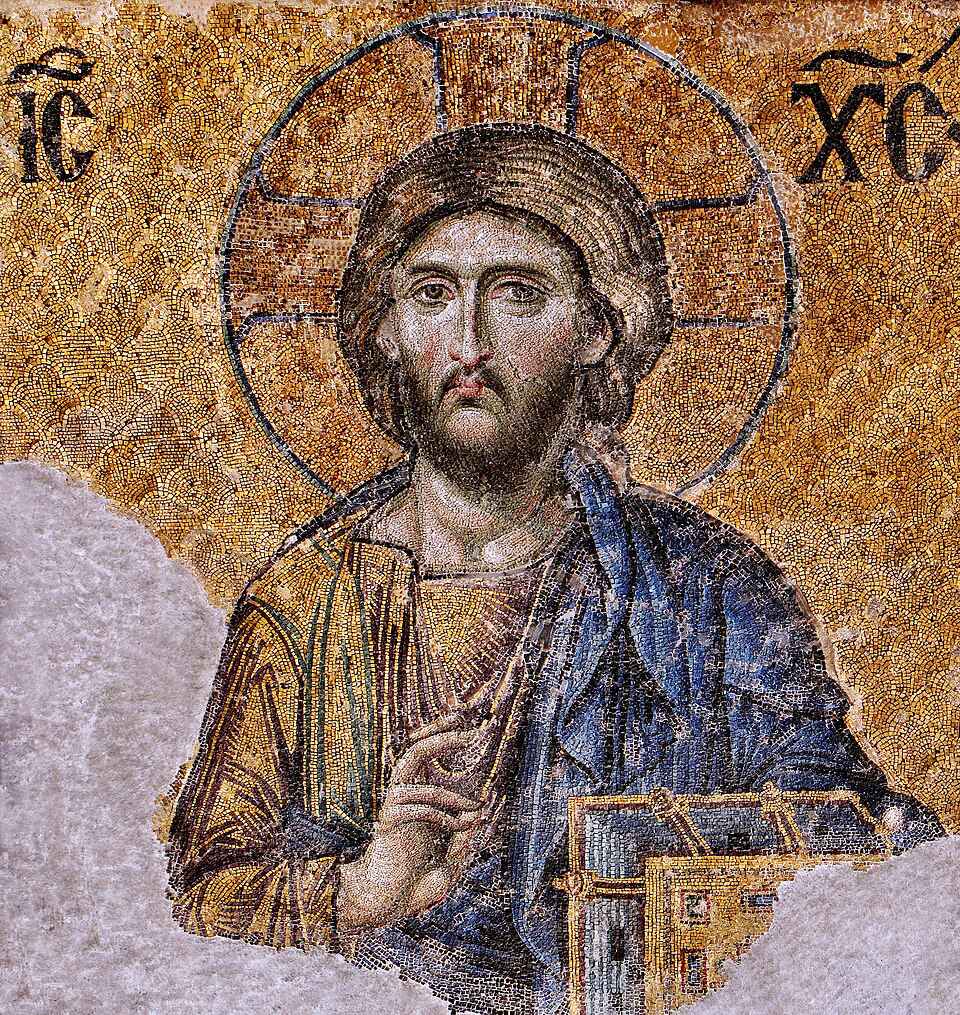
For over eleven centuries, the Byzantine empire played a predominant role in the political and cultural developments in Southeastern Europe and Asia Minor. The course will offer a fascinating journey into the great Byzantine civilisation from its foundation to its end in 1453. Using visual and documentary sources as well as archaeological findings, we will explore its exquisite artistic accomplishments (church buildings, mosaics, wall-paintings and icons, elaborately decorated manuscripts), we will survey key elements of the empire's social structure, and we will evaluate its intellectual culture, the creativity and learning of which spread farther than its borders, as well as the institutions that supported the flourishing of that culture and the political and religious ideologies that influenced it.
Book this course
Book your place online using the button below.
Course starts Wednesday 30 September 2026
This is an in-person course which requires your attendance at the weekly meetings in Oxford on Wednesdays, 2.00-4.00pm.
Week 1: Introduction to the topic; historical context; course requirements
Week 2: Art and Culture
Week 3: Art and Culture
Week 4: Art and Culture
Week 5: Art and Culture
Week 6: Art and Culture – visit to an Oxford College Library
Week 7: Art and Culture – Social Life
Week 8: Social Life
Week 9: Social Life
Week 10: Field Trip to London
Please note: students will have to arrange their own transport for the field trip, and cover the cost of any entry fees.
Course aims
This course aims to enable participants to develop an understanding of the artistic, cultural and social life of the Byzantine Empire from the 4th to the 15th century and to explore the diverse factors that shaped Byzantine society and culture across this period.
Course objectives
By the end of the course, participants will have been given the opportunity to:
- explore a range of aspects of Byzantine artistic, cultural and social history
- develop an understanding of the complex currents of Byzantine culture across the 4th to the 15th century
- engage with the methods, debates and source materials used in the study of Byzantine history and culture, and develop skills in critical evaluation
Learning outcomes
By the end of the course students will be expected to:
1. Be able to evaluate aspects of the cultural life of the Byzantine empire and identify some of the main characteristics of the Byzantine art
2. Gain knowledge and understanding of the themes and issues concerning certain aspects of Byzantine social history
3. Be able to identify, interpret and evaluate a range of primary visual and written source materials
Level and demands
The Department’s Weekly Classes are taught at FHEQ Level 4, ie first year undergraduate level, and you will be expected to engage in a significant amount of private study in preparation for the classes. This may take the form, for instance, of reading and analysing set texts, responding to questions or tasks, or preparing work to present in class.
Teaching methods
The course is taught by a combination of lectures, seminars and group discussions.
Assessment methods
Only those students who have registered for assessment and accreditation, in advance of the course start date, can submit coursework/assignments for assessment.
Assessment
You will be set two pieces of work for the course. The first of 500 words is due halfway through your course. This does not count towards your final outcome but preparing for it, and the feedback you are given, will help you prepare for your assessed piece of work of 1,500 words due at the end of the course. The assessed work is marked pass or fail.
Dr Aphrodite Papayianni
Aphrodite Papayianni holds a PhD in Byzantine History and teaches at the University of London and OUDCE. In the last twelve years, she has enjoyed spells as a Visiting Professor in the Universities of Yeditepe and Sakarya (Turkey), and the North-East Normal University, Changchun Normal University and Hebei Normal University (China). Through the years, Aphrodite has developed a wide teaching portfolio, from Greek Prehistory to the end of Byzantium, and has published articles in various topics of Ancient Greek, Byzantine, post-Byzantine, and Crusade History.
Academic credit
Credit Accumulation Transfer Scheme (CATS Points)
Please note, students who do not register for assessment and accreditation during the enrolment process will not be able to do so after the course has begun. If you wish to gain credit from completing this course you must register to do so before the course starts.
Only those who have registered for assessment and accreditation will be awarded CATS points for completing work to the required standard. Please note that assignments are not graded but are marked either pass or fail.
Learn more about the Credit Accumulation Transfer Scheme.
If you are enrolled on the Certificate of Higher Education at the Department you need to indicate this on the enrolment form but there is no additional registration fee for assessment and accreditation.
Digital certificate of completion
Students who are registered for assessment and accreditation and pass their final assignment will also be eligible for a digital Certificate of Completion. Information on how to access the digital certificate will be emailed to you after the end of the course. The certificate will show your name, the course title and the dates of the course attended. You will be able to download the certificate and share it on social media if you choose to do so.
Fees
| Description | Costs |
|---|---|
| Course fee (with no assessment) | £315.00 |
| Assessment and Accreditation fee | £60.00 |
Funding
If you are in receipt of a UK state benefit, or are a care-leaver in the UK, you may be eligible for a reduction of 50% of tuition fees. Please see the below link for full details:
Concessionary fees for short courses
Recommended reading
Recommended reading is optional and you are not required to purchase these books to study this course.
Library facilities
All weekly class students may become borrowing members of the Rewley House Library, part of the Bodleian Libraries, for the duration of their course. Prospective students whose courses have not yet started are also welcome to use the Library for reference.
- More information about the Library can be found on the Bodleian Libraries website.
- This guide for Weekly Class students also provides further information.
Preparatory reading
- Byzantine Art, Oxford 2000 / CORMACK R.
- State, Army and Society in Byzantium, London 1995 / HALDON John
- Byzantium: The Surprising Life of a Medieval Empire, 2007 / HERRIN Judith
- Byzantium and its Image, London 1993 / MANGO Cyril
Module code: O26P403HIW
How to enrol
Please use the ‘Book now’ button on this page.
How to register for accreditation and assessment
To be able to submit coursework and to earn credit (CATS points) for this course, if you wish to do so, you will need to register and pay an additional £60 fee. You can do this by ticking the relevant box at the bottom of the enrolment form or when enrolling online.
Students who do not register for CATS points during the enrolment process will not be able to do so after the course has begun.
If you are enrolled on the Certificate of Higher Education at the Department you need to indicate this on the enrolment form but there is no additional registration fee.