
Short course
Railways and Modern Warfare

Course status:
Applications being accepted

Location:
Online

Dates:
15/01/2027 - 02/04/2027

Study format:
Online - live

Fees:
£430.00
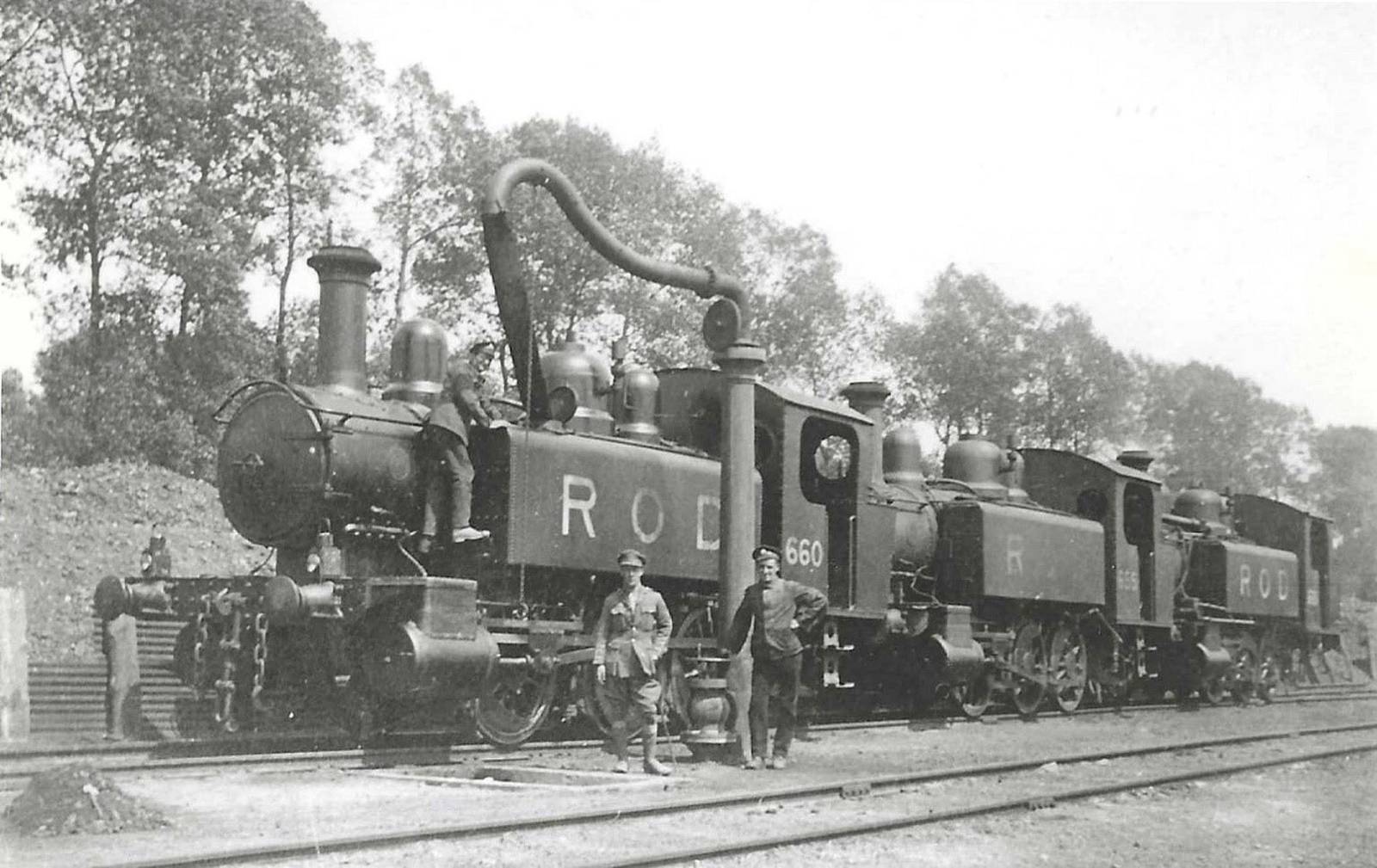
How did railways shape modern warfare from the Victorian era to the mid‑twentieth century? During this 10-week online course, students will examine how rail networks moved troops, supplies, and the wounded, from their decisive role in the American Civil War to their growing importance in the Crimean and Franco‑Prussian Wars. By 1914, railways underpinned every major army: the Schlieffen Plan relied on them, and industrialised warfare made rail supply lines in Europe and the Middle East indispensable. We will investigate the British Railway Operating Division and its French and German counterparts, and how railways carried everything from artillery to aircraft.
Students will also assess how the Second World War reshaped railway operations, the impact of air power, and the resilience of Britain’s network. The course considers the railways’ vital contribution to the home front, the American logistical effort, and the evacuation and care of civilians and the wounded. By the end of the course, students will be better able to read and discuss historical sources, compare different wartime examples, understand why railways mattered, and connect battlefield events with the wider experiences of wartime society.
Book this course
Book your place online using the button below.
Programme details
This course begins on the 15 January 2027, which is when course materials are made available to students. Students should study these materials in advance of the first live meeting, which will be held on 22 January 2027, 15:00-16:00 (UK time).
Week 1: The First Railway Nation: An introduction to early railways and the Victorian Military
Week 2: Colonial Conflict: Railways and Policing in the British Empire
Week 3: Railroads and Rifles: The Railways in the American Civil War
Week 4: European Railways and War: The Crimean and Franco-Prussian Wars
Week 5: Industrialising for War: The role of railways in the preparation for World War One and The Schlieffen Plan
Week 6: Tracks and Trenches: Railways, Warfare and Humanitarian Relief in the Great War
Week 7: World War Two: The role of railways in European and Far Eastern Conflict 1938-1946
Week 8: Threat from the Air: The effect of Air Power on Rail Networks during World War Two
Week 9: The Arsenal of Democracy: The Role of the American Railroads in World War Two
Week 10: The Home Front: Railways and Britain during World War Two
Level and demands
This course is open to all, and no prior knowledge is required.
This course is offered at FHEQ level 4 (first year undergraduate level), and you will be expected to engage in independent study in preparation for your assignments. Our 10-week Short Online Courses come with an expected total commitment of 100 study hours.
English Language Requirements
We do not insist that applicants hold an English language certification, but we warn that they may be at a disadvantage if their language skills are not of a comparable level to those qualifications listed on our website. If you are confident in your proficiency, please feel free to enrol. For more information regarding English language requirements, please see here.
Course aims
This course aims to equip students with the knowledge and analytical tools needed to assess the strategic, logistical, and humanitarian importance of railways in modern warfare, and to interpret their impact on both battlefield operations and wider wartime societies.
IT requirements
Any standard web browser can be used to access course materials on our virtual learning environment, but we recommend Google Chrome. We also recommend that students join the live webinars on Microsoft Teams using a laptop or desktop computer rather than a phone or tablet due to the limited functionality of the app on these devices.
Programme details
This course begins on the 15 January 2027, which is when course materials are made available to students. Students should study these materials in advance of the first live meeting, which will be held on 22 January 2027, 15:00-16:00 (UK time).
Week 1: The First Railway Nation: An introduction to early railways and the Victorian Military
Week 2: Colonial Conflict: Railways and Policing in the British Empire
Week 3: Railroads and Rifles: The Railways in the American Civil War
Week 4: European Railways and War: The Crimean and Franco-Prussian Wars
Week 5: Industrialising for War: The role of railways in the preparation for World War One and The Schlieffen Plan
Week 6: Tracks and Trenches: Railways, Warfare and Humanitarian Relief in the Great War
Week 7: World War Two: The role of railways in European and Far Eastern Conflict 1938-1946
Week 8: Threat from the Air: The effect of Air Power on Rail Networks during World War Two
Week 9: The Arsenal of Democracy: The Role of the American Railroads in World War Two
Week 10: The Home Front: Railways and Britain during World War Two
Teaching methods
This course takes place over 10 weeks, with a weekly learning schedule and weekly live webinar held on Microsoft Teams. Shortly before a course commences, students are provided with access to an online virtual learning environment, which houses the course content, including video lectures, complemented by readings or other study materials. Working through these materials over the course of the week will prepare students for a weekly 1-hour live webinar you will share with your expert tutor and fellow students. All courses are structured to amount to 100 study hours, so that on average, you should set aside 10 hours a week for study. Although the course finishes after 10 weeks, all learning materials remain available to all students for 12 months after the course has finished.
All courses are led by an expert tutor. Tutors guide students through the course materials as part of the live interactions during the weekly webinars. Tutors will also provide individualised feedback on your assignments. All online courses are taught in small student cohorts so that you and your peers will form a mutually supportive and vibrant learning community for the duration of the course. You will learn from your fellow students as well as from your tutor, and they will learn from you.
Learning outcomes
By the end of the course students will be expected to:
-
Demonstrate detailed knowledge of how railways shaped military strategy, logistics, and civilian support systems across major conflicts from the nineteenth century to the Second World War.
-
Evaluate the strategic, logistical, and humanitarian functions of railways across major conflicts from the nineteenth century to 1945, considering their impact on both battlefield outcomes and wider wartime societies.
-
Communicate historical arguments clearly and effectively, using appropriate evidence to explain the strategic, logistical, and humanitarian roles of railways in modern warfare in written and verbal discourse.
Assessment methods
You will be set two pieces of work for the course. The first of 500 words is due halfway through your course. This does not count towards your final outcome but preparing for it, and the feedback you are given, will help you prepare for your assessed piece of work of 1,500 words due at the end of the course. The assessed work is marked pass or fail.
Dr Richard Marks – Tutor
Assessment methods
You will be set two pieces of work for the course. The first of 500 words is due halfway through your course. This does not count towards your final outcome but preparing for it, and the feedback you are given, will help you prepare for your assessed piece of work of 1,500 words due at the end of the course. The assessed work is marked pass or fail.
Level and demands
This course is open to all, and no prior knowledge is required.
This course is offered at FHEQ level 4 (first year undergraduate level), and you will be expected to engage in independent study in preparation for your assignments. Our 10-week Short Online Courses come with an expected total commitment of 100 study hours.
English Language Requirements
We do not insist that applicants hold an English language certification, but we warn that they may be at a disadvantage if their language skills are not of a comparable level to those qualifications listed on our website. If you are confident in your proficiency, please feel free to enrol. For more information regarding English language requirements, please see here.
Fees
| Description | Costs |
|---|---|
| Course Fee | £430.00 |
Module code: O26P852LHZ
Please use the ‘Book now’ button on this page. Alternatively, please complete an enrolment form.