Wildlife in Unexpected Places
10 October 2026
10:00am-5:30pm
Rewley House 1 Wellington Square, Oxford, OX1 2JA

Event status:
Applications being accepted


Dates:
10 October 2026

Study Format:
In-person day/weekend

Fees:
£140.00
In-person seminar-style day event, with guided field trip to a farm in Oxford City Centre
Join us in Oxford for the day to learn from four experts about the resilience of nature and how this can inform future conservation interventions. Themes explored include rewilding, the extraordinary resilience of biodiversity in urban and agricultural contexts, and how archaeology can inform nature recovery projects.
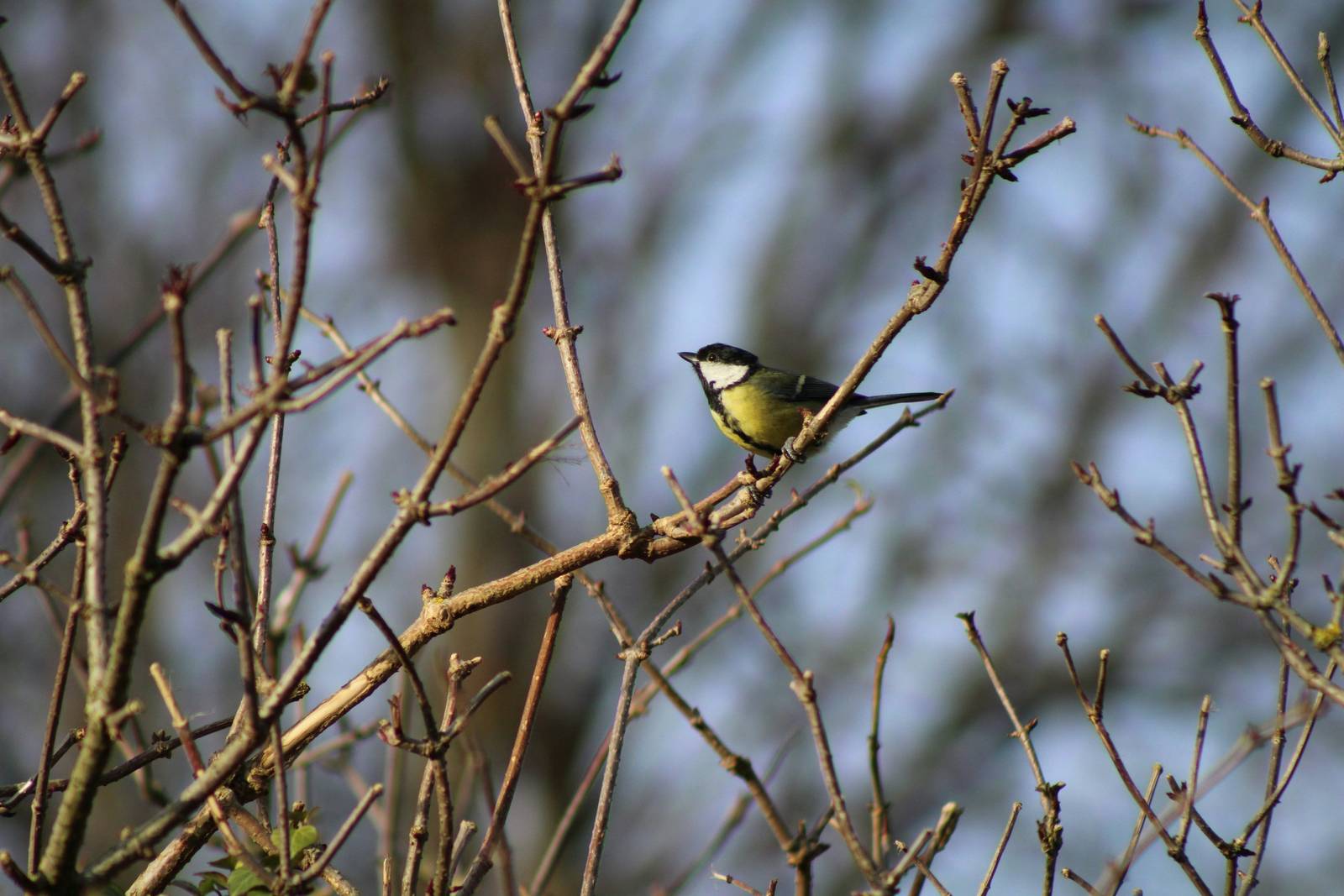
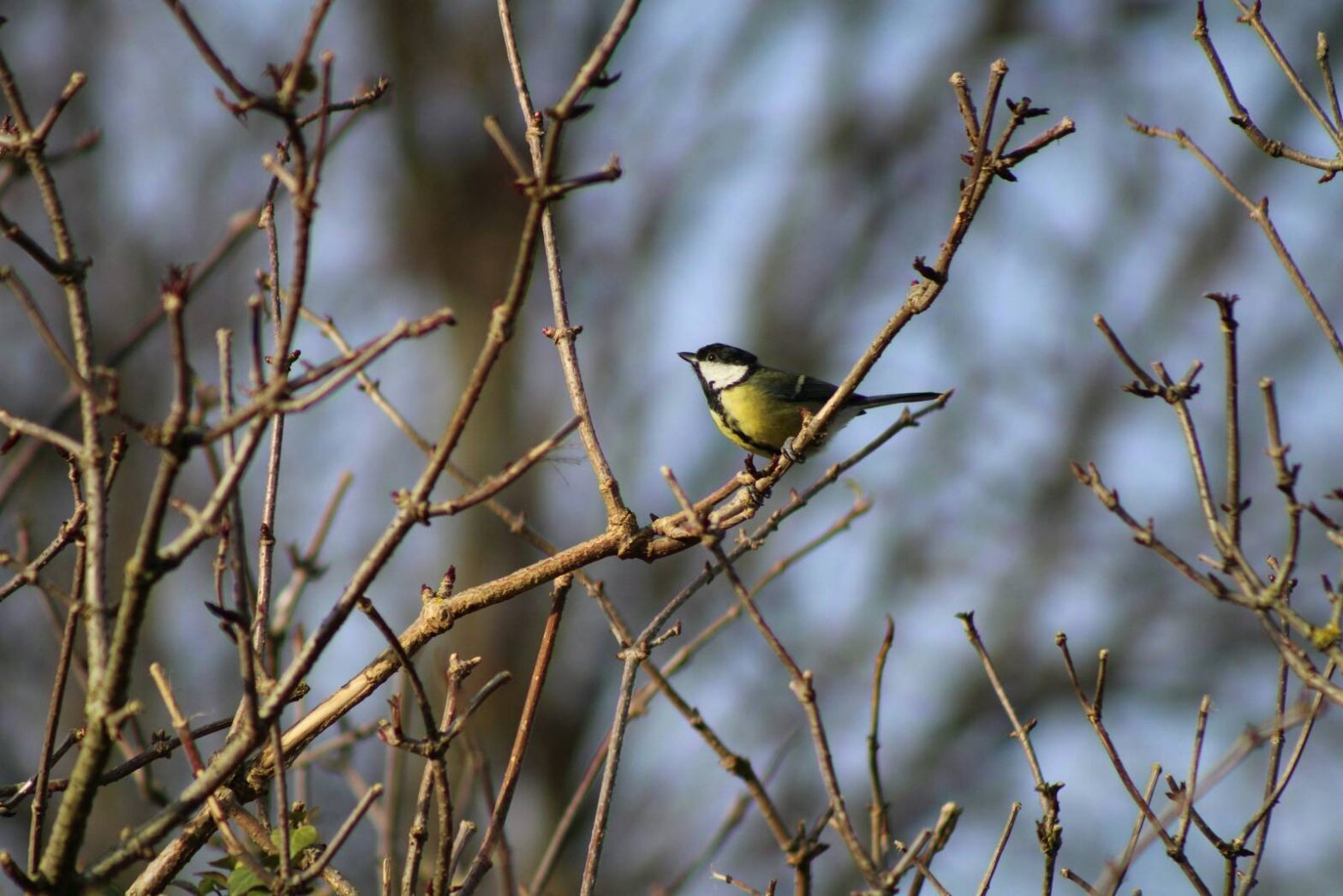
On an island known globally for its severe environmental degradation, wildlife is thriving in unexpected places. Stag beetles burgeon in London’s neglected graveyards, the rare and delicate Young’s helleborine flourishes on West Lothian’s abandoned shale oil slag heaps, and regenerative farming is shaping new opportunities for wildlife and food production to blossom together.
While nature recovery initiatives tend, understandably, to focus on the ecological here and now and to orient themselves towards more biodiverse futures, archaeologists, geographers and historians are increasingly showing how understandings of past wildlife are central to creating wilder landscapes in the future.
This day event features leading multidisciplinary research that showcases wildlife’s capacity to defy expectations, to surface in surprising disciplinary contexts (archaeology and heritage studies), to play a key role in practices traditionally seen as environmentally harmful (farming and industry), and to show extraordinary resilience amidst scenes of human-led destruction.
Following a series of talks and Q&A, we will head out into Oxford to explore examples of resurgent wildlife in an urban landscape.
Please note:
- this day event involves a guided walk around University Park Farm in Oxford City Centre. The route is approximately 5 km long, starting and ending at Rewley House. Participants should wear sensible shoes and clothing for the walk.
- this event will close to enrolments at 23:59 on 7 October 2026.
Book this course
Please note places are limited for this event.
Contact the team
Phone: +44 (0)1865 270368
Email: events@conted.ox.ac.uk
Programme details
9.45am
Registration at Rewley House
10am
Unexpected aspects of wildlife in farming
Claire Whittle
11.15am
Tea/coffee break
11.45am
Following moss: thinking and working with spontaneous plants in urban spaces
Dr Marion Ernwein
In this talk Marion will reflect on three encounters with moss – in one of Geneva’s cemeteries, in a sunlit square in Brussels, and at a long-neglected heritage site in Oxford. This reflection will serve as a starting point to present the findings of three recent research projects which respectively investigated the place of spontaneous – or ‘wild’ – plants in green space management, air pollution mitigation, and heritage conservation.
1pm
Lunch break
2pm
‘Rewilding’ Later Prehistory Project: Eliciting the Wonder and Enchantment of Archaeological Wildlife
Anwen Cooper
The ‘Rewilding’ later prehistory project will examine, for the first time, the full makeup of Bronze and Iron Age plants and animals in diverse study areas and will create an original methodological and interpretative toolkit for investigating archaeological wildlife – from wild boar teeth pendants to charred fragments from ancient hedgerows.
3pm
Short break
3.15pm
Guided walk to University Park Farm
Nigel Fisher
5pm
Return to Rewley House for refreshments
5.30pm
Event ends
Recommended reading
Rewilding Later History Project
Cooper A, Roushannafas T. 2025. People and time in nature: Positioning archaeology in an ecoclimate crisis. Archaeological Dialogues. Published online 2025:1-18. doi:10.1017/S1380203825100184 [open access]
Costello, E. 2020. Hill farmers, habitats and time: the potential of
historical ecology in upland management and conservation, Landscape Research, 45:8, 951-965,
DOI: 10.1080/01426397.2020.1798367
Ernwein, M. 2021. Bringing Urban Parks to Life: The More-Than-Human Politics of Urban Ecological Work. Annals of the American Association of Geographers, 111(2) pp. 559–576. DOI: https://doi.org/10.1080/24694452.2020.1773230
Manuscript available open access at: https://oro.open.ac.uk/73115/
Tree Amble podcast with Claire Whittle
Accommodation
If you wish to stay with us before and/or after the event, please contact our Residential Centre for availability and discounted rates.
Call +44 (0) 1865 270362 or email res-ctr@conted.ox.ac.uk
Our accommodation at Rewley House in Wellington Square has been rated as 4-Star Campus Accommodation under Visit England. All bedrooms are modern, comfortably furnished with tea/coffee making facilities, Freeview television, private bath/shower rooms and free WiFi. For more details see our accommodation information.
Dr Anwen Cooper
Anwen Cooper leads the UKRI-funded ‘Rewilding’ later prehistory project at Oxford Archaeology, in partnership with the Universities of Oxford, Exeter, York and Toulouse, Historic England and Knepp Castle rewilding initiative. She has been studying human-landscape relations in later prehistory for over 25-years, as a fieldworker and through her research into English landscapes, prehistoric grave goods, rivers, and the exceptionally well-preserved archaeology of the Must Farm pile-dwelling settlement, Cambridgeshire. The ‘Rewilding’ project team are developing an evidence base, methods and ideas for investigating past wildlife in order to build a stronger basis for archaeologists to link into ongoing nature recovery interests and agendas.
Dr Marion Ernwein
Dr Marion Ernwein is a senior lecturer in environmental geography at the Open University. Her research investigates the political economy of urban nature, the changing role of plants in urban environmental management, and the potential of plants as vehicles for public engagement with the future of urban spaces in a climate changed world. Prior to her current role she has previously held positions at the Universities of Geneva, Fribourg and Oxford.
Mr Nigel Fisher
Nigel Fisher is the Conservator of Wytham Woods. The Woods are one of the most researched areas of land in the world. Nigel has worked in the field of nature conservation for almost thirty years, and has been involved with conservation courses within the Department for Continuing Education for the last decade.
Claire Whittle
Claire Whittle is a consultant veterinary surgeon specialising in healthy livestock as part of healthy farm ecosystems. Completeing a Postgraduate certificate in Conservation Medicine consolidated her interest in the value of natural capital for livestock health. Alongside the day-to-day management of an upland suckler beef enterprise in North Wales, Claire sits on the steering group of the Nature Friendly Farming Network, is a trustee of the Rare Breeds Survival Trust and in 2025 was awarded the Pasture For Life Association’s ‘New Entrant’ award and the Royal Association of British Dairy Farmers ‘Dairy Industry Woman of the Year.’
Fees
| Description | Costs |
|---|---|
| Event Fee (includes tea/coffee) | £140.00 |
| Baguette lunch | £7.90 |
| Hot lunch (two-course) | £22.40 |
Payment
Please see the terms and conditions for our open-access courses.
Funding
Fee includes guided field trip to University Park Farm in Oxford City Centre by Nigel Fisher, the Conservator of Wytham Woods.
If you are in receipt of a UK state benefit, or are a care-leaver in the UK, you may be eligible for a reduction of 50% of tuition fees. Please see the below link for full details:
Module code: O26P110BIJ
Please use the ‘Book’ button on this page. Alternatively, please contact us to obtain an application form.