Skip to content
Oxford Lifelong Learning

Oxford Lifelong Learning

University of Oxford

Log in
Basket
  • Subject areas
    • Archaeology and anthropology
      • Anthropology
      • Archaeology
      • Cultural heritage training
    • The built environment
      • Architectural history
      • Cultural heritage training
      • Urban studies
    • Business and entrepreneurship
      • Entrepreneurship
      • Finance
      • Leadership and business growth
      • Management
      • Marketing
      • Workplace psychology
    • Creative writing, literature and arts
      • Creative writing
      • Film
      • History of art and design
      • Literature
      • Music
    • Economics, politics and society
      • Diplomacy and international relations
      • Policy and law
      • Politics and economics
    • History and heritage
      • Ancient history
      • Architectural history
      • Cultural heritage training
      • Local and social history
      • World and political history
    • Languages and communication
      • Classical and ancient language
      • English language
      • Modern languages
    • Mind, health and human behaviour
      • Health and medical sciences
      • Psychology, counselling and psychotherapy
      • Wellbeing and mindfulness
    • Natural sciences, environment and sustainability
      • Environment
      • Natural sciences
      • Sustainability
    • Philosophy, ethics and belief
      • Philosophy and ethics
      • Religion and theology
    • Research and study skills
      • Graduate School training
      • Research methods and skills
      • Study skills
    • Technology, data and AI
      • Artificial intelligence and machine learning
      • Computer science
      • Data science
      • Engineering
      • Mathematics
      • Technology
    • A-Z of subject areas
    • Browse all courses
  • Find your course
    • How you can learn
      • Online
      • In-person
    • Course or event type
      • Short courses
      • Summer schools
      • Events and lectures
      • Undergraduate programmes
      • Postgraduate programmes
      • Graduate School training
    • Browse all courses
  • Studying with us
    • Studying with Oxford Lifelong Learning
    • Student stories
      • Student spotlights
    • Student support and resources
      • Fees and funding
      • Facilities and amenities
      • Certification and credentials
      • Policies, codes and guidance
    • Graduate School for postgraduate students
    • Current students
  • People and research
    • Meet us
      • Director’s welcome
      • Our academics
    • Research community
      • Research areas
      • Research students
      • Part-time research degrees
    • Vice-Chancellor’s Colloquium
    • Visiting Fellowship Scheme
    • Work for us
  • About us
    • Lifelong learning at Oxford University
      • Who we are
      • Our history
      • Mission, vision and values
      • Alumni benefits
    • News and what’s on
      • News
      • What’s on
    • Work for us
    • Merchandise
    • Support Lifelong Learning
    • Connect with us
      • Contact us
      • Stay in touch
  • Visit us
    • Our locations
    • Book a stay
    • Rewley House restaurant
    • Venue hire and facilities
      • Our facilities and meeting rooms
      • Dining and catering
      • Event accommodation
Oxford Lifelong Learning

Oxford Lifelong Learning

University of Oxford

Log in
Basket
  • Subject areas
    • Archaeology and anthropology
      • Anthropology
      • Archaeology
      • Cultural heritage training
    • The built environment
      • Architectural history
      • Cultural heritage training
      • Urban studies
    • Business and entrepreneurship
      • Entrepreneurship
      • Finance
      • Leadership and business growth
      • Management
      • Marketing
      • Workplace psychology
    • Creative writing, literature and arts
      • Creative writing
      • Film
      • History of art and design
      • Literature
      • Music
    • Economics, politics and society
      • Diplomacy and international relations
      • Policy and law
      • Politics and economics
    • History and heritage
      • Ancient history
      • Architectural history
      • Cultural heritage training
      • Local and social history
      • World and political history
    • Languages and communication
      • Classical and ancient language
      • English language
      • Modern languages
    • Mind, health and human behaviour
      • Health and medical sciences
      • Psychology, counselling and psychotherapy
      • Wellbeing and mindfulness
    • Natural sciences, environment and sustainability
      • Environment
      • Natural sciences
      • Sustainability
    • Philosophy, ethics and belief
      • Philosophy and ethics
      • Religion and theology
    • Research and study skills
      • Graduate School training
      • Research methods and skills
      • Study skills
    • Technology, data and AI
      • Artificial intelligence and machine learning
      • Computer science
      • Data science
      • Engineering
      • Mathematics
      • Technology
    • A-Z of subject areas
    • Browse all courses
  • Find your course
    • How you can learn
      • Online
      • In-person
    • Course or event type
      • Short courses
      • Summer schools
      • Events and lectures
      • Undergraduate programmes
      • Postgraduate programmes
      • Graduate School training
    • Browse all courses
  • Studying with us
    • Studying with Oxford Lifelong Learning
    • Student stories
      • Student spotlights
    • Student support and resources
      • Fees and funding
      • Facilities and amenities
      • Certification and credentials
      • Policies, codes and guidance
    • Graduate School for postgraduate students
    • Current students
  • People and research
    • Meet us
      • Director’s welcome
      • Our academics
    • Research community
      • Research areas
      • Research students
      • Part-time research degrees
    • Vice-Chancellor’s Colloquium
    • Visiting Fellowship Scheme
    • Work for us
  • About us
    • Lifelong learning at Oxford University
      • Who we are
      • Our history
      • Mission, vision and values
      • Alumni benefits
    • News and what’s on
      • News
      • What’s on
    • Work for us
    • Merchandise
    • Support Lifelong Learning
    • Connect with us
      • Contact us
      • Stay in touch
  • Visit us
    • Our locations
    • Book a stay
    • Rewley House restaurant
    • Venue hire and facilities
      • Our facilities and meeting rooms
      • Dining and catering
      • Event accommodation
Log in Basket
Anthropology Archaeology Browse all courses in archaeology and anthropology
Business Studies Entrepreneurship Finance Leadership and business growth Management Marketing Workplace psychology Browse all courses in business and entrepreneurship
Browse all courses in classical and ancient languages courses
Browse all courses in cognitive therapy and mindfulness
Creative writing Film History of art and design Literature Music Browse all courses in creative writing, literature and arts
Browse all courses in economics and politics
Diplomacy and international relations Policy and law Politics and economics Browse all courses in economics, politics and society
Browse all courses in english language teaching
Browse all courses in esol
Ancient history Architectural history History Local and social history World and political history Browse all courses in history and heritage
Ancient Greek Biblical Hebrew Chinese Classics French German Italian Japanese Korean Language Latin Linguistics Portuguese Spanish Browse all courses in languages and communication
Browse all courses in languages and cultural studies
Health and medical sciences Practical Ethics Psychology, counselling and psychotherapy Wellbeing and mindfulness Browse all courses in mind, health and human behaviour
Browse all courses in modern languages courses
Browse all courses in modules and short courses in evidence-based health care
Environment Natural sciences Sustainability Browse all courses in natural sciences, environment and sustainability
Browse all courses in old - do not use - computing
Browse all courses in old - do not use - education
Browse all courses in old - do not use - medical technology
Browse all courses in old - do not use - statistics
Philosophy and ethics Religion and theology Browse all courses in philosophy, ethics and belief
Graduate School training Research methods and skills Study Skills Teacher Training Browse all courses in research and study skills
Artificial intelligence and machine learning Computer science Data science Engineering Mathematics Technology Browse all courses in technology, data and ai
Architecture and architectural history Cultural heritage Urban Studies Browse all courses in the built environment

I'm looking for...

Home / News / THE LAST SHIP: Departmental Lecturer Barney Norris’s Collaboration with Sting

THE LAST SHIP: Departmental Lecturer Barney Norris’s Collaboration with Sting

3 February 2026

Staff

THE LAST SHIP: Departmental Lecturer Barney Norris’s Collaboration with Sting

3 February 2026

Staff

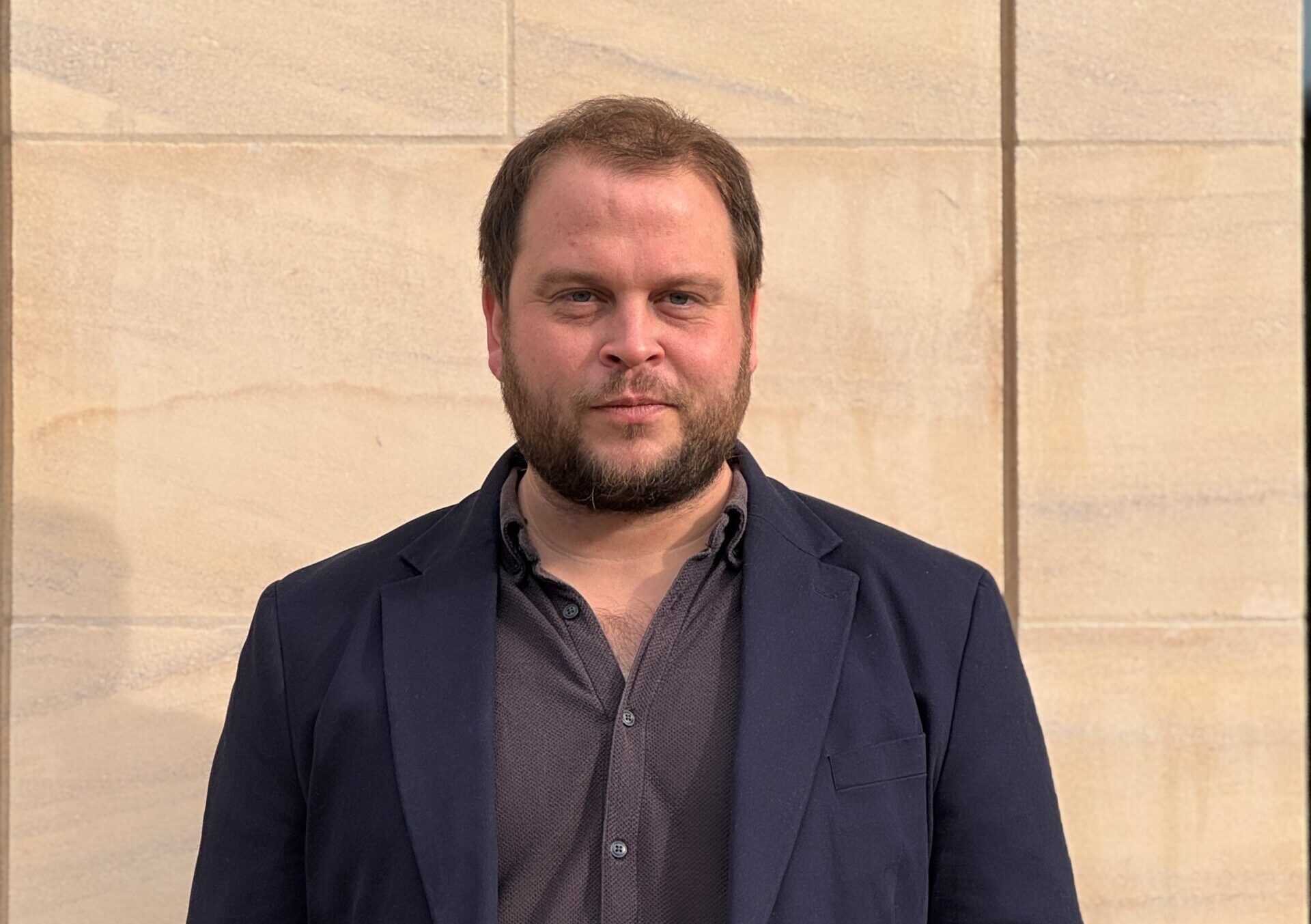
A picture of Barney Norris over a promotional image of The Last Ship.

Barney Norris, Departmental Lecturer in Creative Writing (Fiction or Cross-Genre) at Oxford Lifelong Learning, has recently collaborated with musician and composer Sting in an acclaimed musical production, THE LAST SHIP.

Inspired by Sting’s childhood in Wallsend in the United Kingdom, and drawing on his own musical roots, THE LAST SHIP tells the story of a community facing the disappearance of their shipyard – the heart of their existence. In a world where past and future collide, themes such as loss, pride and connectedness echo.

As the show embarks on a sold-out run at the Royal Theatre Carre in Amsterdam, Norris reflects on his role in the project and the creative processes involved in writing for musical theatre.

What an exciting creative project, Barney. Can you tell us a little about your role in the production and how this came about?

‘This is a long story. I hope you’ll indulge me.

‘When I had finished my Creative Writing MA at Royal Holloway in 2011, I started applying for jobs in the arts while living in my dad’s spare room in Andover. I applied for 35 jobs before I was offered my first interview; the 36th application was to be the office boy for a theatre company I loved very much called Out of Joint. On the way to the interview, I noticed that the company’s offices were next to an estate on the Seven Sisters Road called the Andover Estate – the coincidence made me feel things were going to work out, and they did: I got the job.

‘On my first day at Out of Joint, we had three shows in production. There was Top Girls by Caryl Churchill in the West End; Bang Bang Bang by Stella Feehily in rehearsal; and another play called A Dish Of Tea With Dr Johnson, also in the West End. Dish of Tea was a mad, exciting adaptation of Boswell and Johnson’s works by Russell Barr, and the cast in the West End included Trudie Styler, who of course is married to the musician Sting.

‘On my first day, I had to help solve a problem with Dish of Tea: there was a cat in the show, which was being played by a dog, but the previous dog had become unavailable. Instead of going to the agency that rents out animals for theatre productions, we thought we could save some money by borrowing the dog of an actress who was friends with our artistic director.

‘Unfortunately, the dog did not enjoy its role, and on its first night had urinated in the titular tea and then bitten Boswell. So we decided to cut the dog, much to our regret. Having spent the day sorting all this at the Arts Theatre where the show was playing, I stayed to watch the show in the evening. At the end I got to meet the actors, including Trudie. We chatted for five minutes, and then I apologised and said that I needed to head home: I hadn’t arranged anywhere to stay in London yet, so was commuting from Andover. At which point Trudie said, ‘I’m driving home past there, why don’t I give you a lift?’ She was heading back to Lake House, the very beautiful place in Wiltshire she and Sting have called home for forty years.

‘I was somewhat astonished – having grown up in Wiltshire, down the road from Trudie and Sting, they had the status of deities to me. Not least because as a young child, my parents only played three cassettes on rotation in the house – Fats Waller, the Ink Spots, and Sting’s The Soul Cages. Once my mum and my step-dad started collecting CDs, Mercury Falling, Ten Summoner’s Tales and Brand New Day became the most played albums in our kitchen; I knew all the words to those songs by heart.

‘So, to be in a car with the woman so many of them were about was extraordinary. I was hopelessly tongue-tied. I did not become less star-struck when Sting called Trudie on the drive back. She mentioned after he’d hung up that he’d been working on some new songs all day.

‘Those songs were The Last Ship, which opened on Broadway a few years later. I followed the show’s fortunes from a distance. Around 2015 I got to follow along more closely when my friend, the producer Karl Sydow, took over producing the show. Karl had been on the board at Out of Joint, and we got on, so we used to go for lunch and I’d always ask him for news about the project.

‘I was a struggling artist then, making work and trying to make a reputation, so I had no designs of ever getting anywhere near working on the show: I just loved hearing about it. In 2018, Karl let me attend a day’s rehearsal. I met Sting for the first time, said something inane to him, and heard that amazing score live for the first time.

‘Then in 2024, Karl mentioned over soup that a new production was coming together, and he was looking for a writer. I felt destiny closing its jaws on me, and asked him if he’d let me pitch. He agreed to send the script over, and said, “if your ideas are good, I’ll send them to Sting. If he likes them, then who knows!”

‘Reader – Sting liked them.’

Have you written for musicals before? How did writing for a musical differ from your usual creative writing practice?

‘Most of my work since the pandemic has prominently featured music – plays with songs and collaborations with composers – but this is my first musical. It’s a very exacting, elegant, beautiful discipline, that’s as much about the tectonic arrangement of songs and narrative units as it is about writing dialogue. I’ve learned a lot about efficiency and visual storytelling from this show.’

What was it like collaborating with Sting, and how did your creative voices interact?

‘Honestly, it’s been the most amazing experience. I don’t know if you’ve ever sat by the River Avon under a blue sky, just you and Sting, and taken turns to sing to each other for an afternoon, but I recommend it very highly as an experience.

‘There were moments on this job when I simply haven’t been able to believe what’s happening to me. Sting is one of the greatest songwriters of all time. He wrote the most played song in the history of music. He is embarrassingly better at rhyme and meter than me, incredibly collaborative, incredibly creative, generous and kind. I have learned so much from him. And I hope I’ve given something back.

‘There was a moment in the summer when I wrote a rhyming quatrain for the show, and Sting took it away and turned it into a whole song that’s in the show now. I cannot tell you how proud that makes me feel – to have contributed to the work of an artist of that magnitude. And I think I’ve written a really good book to his show, too! I’m very proud of what we’ve done.’

What was the most unexpected or memorable moment during the writing/production process?

‘It’s hard to pick one thing, except maybe this: the discovery over the year that I can get over being star-struck and collaborate as a peer with someone like Sting. Because in the best rooms, everyone listens to each other – it’s best idea wins.’

After THE LAST SHIP wraps up in Amsterdam, the show will then tour to the Seine Musicale in Paris, the Glasshouse Theatre in Brisbane and The Metropolitan Opera New York, before returning to the Royal Theatre Carre for a second season in the autumn. Visit THE LAST SHIP website for full details and ticket availability.

Share this article

Share to LinkedIn Share to LinkedIn Share to Facebook Share to Facebook Share to Threads Share to Threads Share to Bluesky Share to Bluesky Copy to clipboard Copy to clipboard

RELATED ITEMS

Barney Norris
Barney Norris

Departmental Lecturer in Lifelong Learning (Creative Writing: Fiction or Cross-Genre)

Barney Norris is a Departmental Lecturer in Lifelong Learning (Creative Writing: Fiction or Cross-Genre) at Oxford...

VIEW PROFILE
MSt in Creative Writing

Study creative writing at Oxford on a two-year, part-time MSt. Develop your voice across genres through intensive...

FIND OUT MORE
Back to top
Contact Us

Oxford Lifelong Learning at the Department for Continuing Education
University of Oxford
Rewley House, 1 Wellington Square
Oxford, OX1 2JA
United Kingdom
+44 (0)1865 270360

  • Our locations
  • Contact us
  • Stay in touch
Popular links
  • Short courses
  • Summer schools
  • Undergraduate qualifications
  • Postgraduate qualifications
  • Stay in Oxford
  • Merchandise
  • Working with us
  • News
  • Support lifelong learning
Information for students
  • Academic support
  • Library
  • Accommodation
  • Award ceremonies
  • Student handbook
  • Learning resources
  • Policies, codes and guidance
Staff resources
  • Intranet
  • Oxford University staff gateway

This field is for validation purposes and should be left unchanged.
First Name(Required)
Last name(Required)
consent(Required)
Accessibility Statement Cookie statement Privacy Policy Terms and conditions
VISIT THE UNIVERSITY OF OXFORD MAIN SITE arrow-right
Accessibility Statement Cookie statement Privacy Policy Terms and conditions