
Award courses
Undergraduate Certificate of Higher Education

Course status:
Open

Duration:
2-4 years, part-time

Study format:
Online and in-person

Level:
Undergraduate
Explore your passion. Expand your horizons.
Create your own unique Oxford University programme with the part-time and flexible Undergraduate Certificate of Higher Education. This transformative course is designed for adult learners who want to study at university level, explore subjects they love, and develop new academic skills – all while fitting study around work, family, or other commitments.
You’ll choose a main subject area to specialise in, from a range of options, while also exploring other subjects that spark your interest to broaden your learning. You build your qualification by choosing from a variety of short courses – whether you prefer weekly classes in Oxford, online learning, or the immersive experience of our Oxford University Summer School for Adults. The programme can be completed over two to four years, allowing you to progress at your own pace and create a learning experience that fits your life.
You can choose to specialise in one of the following subjects:
- Archaeology
- Art History
- Architectural History
- Creative Writing
- Data Science
- English Literature
- History
- Philosophy
- Political Economy
To achieve the Undergraduate Certificate of Higher Education, you need to gain a total of 120 CATS points by completing short courses online or in Oxford.
KEY INFORMATION
Upcoming application deadline: Thursday 11 February 2027, 12:00 GMT


To achieve the Undergraduate Certificate of Higher Education, you need to gain a total of 120 CATS points by completing modules (short courses) in Oxford or online. You’ll specialise in one of nine subject areas listed above.
You will need to obtain at least 60 CATS points (but no more than 80) in your chosen main subject area.
10 of these points will come from taking an introductory course in the main subject area (see below for details*). The remainder of your credits in your main subject area (a minimum of 50 points, up to a maximum of 70 points) will come from taking weekly learning programmes in Oxford or online classes or classes offered in the Oxford University Summer School for Adults (OUSSA) programme.
During your first year of study, you take an introductory course in your main subject area to gain a grounding in the concepts and methods relevant to the subject discipline. All of the introductory courses are available online, and others are also offered in-person. The introductory classes are listed below; please follow the link to obtain more information about the individual courses:
- Archaeology: Archaeology in Practice (flexible online course)
- Architectural History: Learning to Look at Western Architecture (flexible online course)
- Art History: Learning to Look at the Visual Arts (flexible online course)
- Creative Writing: Getting Started in Creative Writing (flexible online course)
- Data Science: Data Science: An Introduction (live online course)
- English Literature: Critical Reading (flexible online course) or Reading Literature Critically (in-person course in Oxford)
- History: The Making of Modern Britain (flexible online course)
- Philosophy: Introduction to Philosophy (flexible online course)
- Political Economy: Public Policy Economics (flexible online course)
These courses are not included in the programme fee.
Modules outside your main subject area (30-50 CATS points)
You will need to obtain a further 30-50 CATS points by completing short courses outside your main subject area. The programme is designed in this way to encourage breadth of study and to enable you to take advantage of the wide range of courses in different subject disciplines that the Department offers.
Short courses that can be taken outside your main subject area are available in a wide range of subject areas including archaeology, architectural history, art history, computing, data science, creative writing, economics, film studies, history, literature, local and social history, mathematics, music, natural sciences, philosophy, politics, psychology and counselling, religious studies and theology.
These courses are not included in the programme fee.
Academic Literacy module (10 CATS points)
You will also take the Academic Literacy online course, usually during your first term of study. The 10 CATS points obtained from the Academic Literacy course are included in the 120 CATS points for the Certificate.
You will be automatically enrolled on this course, and this is included in the programme fee.
The Certificate of Higher Education is designed for adults who want to pursue an Oxford qualification while studying subjects they truly enjoy.
You don’t need any formal academic qualifications to apply – what matters most is your genuine interest, curiosity, and enthusiasm for the areas you wish to study. You’ll also need the time and commitment to work towards a university-level award.
It’s possible to import credit up to a maximum of 30 CATS points at FHEQ Level 4 from Oxford Lifelong Learning short courses taken in the four years prior to registration. Those starting the programme in autumn can import up to 30 credits from short courses completed within 4 years prior to the course start date.
You can study mainly online (depending on the availability of courses in your chosen subject area), but you must take at least one course in person, in Oxford.
Online study options include:
- Short online courses (Flexible): These have no live-time meetings, so you can study when it suits you.
- Short online courses (Live): These have weekly 1-hour online meetings to attend.
In-person study requirements:
You must complete at least 10 CATS points in Oxford, which can be achieved through one or a combination of the following:
- successful completion of a week’s course at Oxford University Summer School for Adults (OUSSA) (10 CATS points)
- successful completion of a 10-week in-person weekly class in Oxford (10 CATS points)*
- successful completion of two 5-week in-person weekly classes in Oxford (5 CATS points each)*
* Where the course is eligible for CATS points.
If you are based overseas, attending the summer school (OUSSA) is likely to be the most convenient way to undertake in-person study in Oxford. OUSSA gives you the chance to study in a small and informal group and have one-to-one tutorials with your tutor. Outside of your classes, you may choose to explore Oxford with its outstanding museums and art galleries or enjoy concerts and theatre trips in the evenings.
Credit from up to two OUSSA courses per year can count towards the Certificate of Higher Education, as long as the credit gained does not exceed the maximum number of credits you can gain in your chosen subject area. However, any credit imported from previous Oxford University Summer for Schools for Adults (OUSSA) courses will not count as your face-to-face requirement.
Award and credit transfer
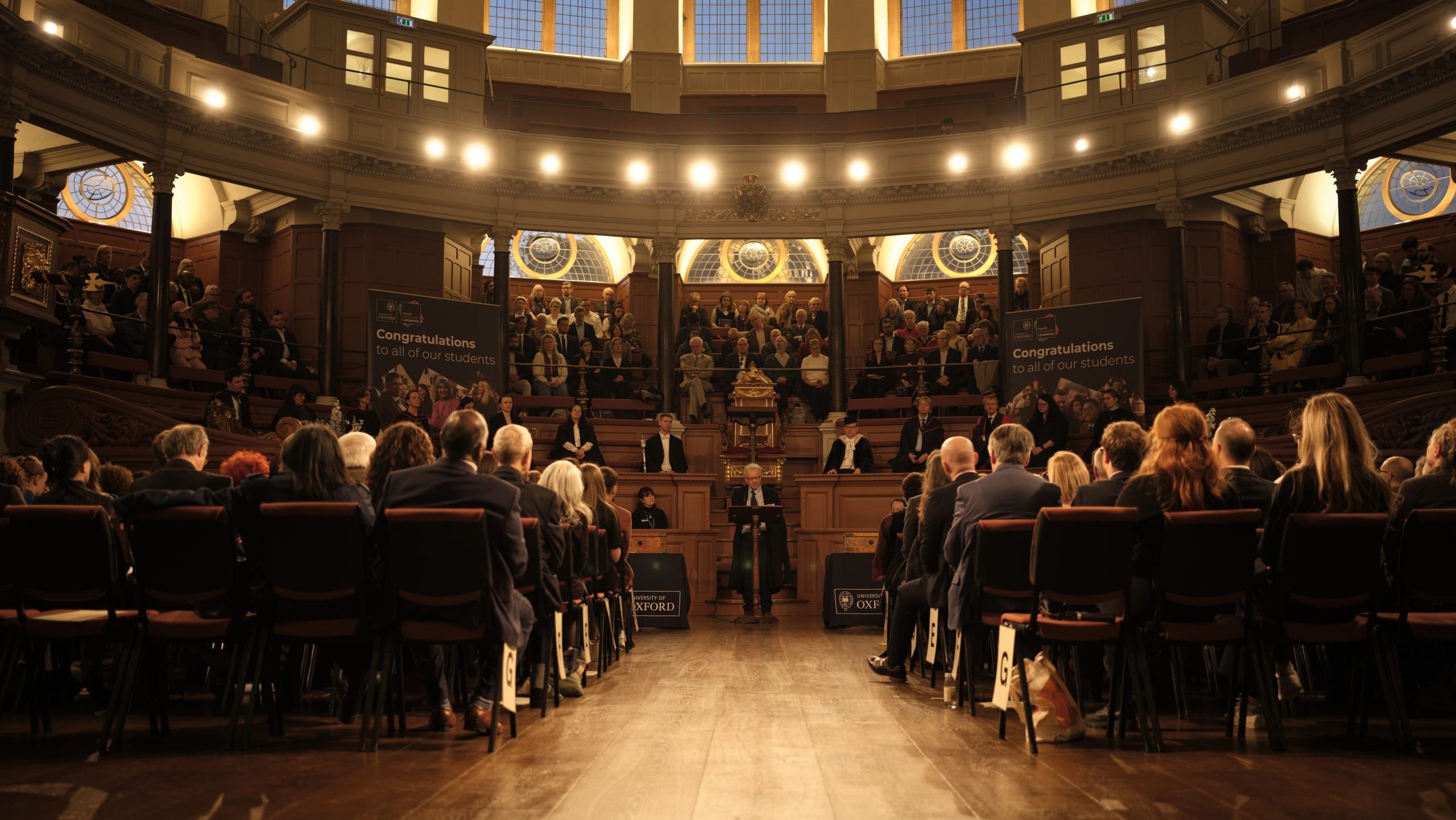
An Undergraduate Certificate will be awarded on completion of the course. You will be invited to celebrate at the annual Awards Ceremony, held at Oxford’s Sheldonian Theatre.
The syllabus and teaching of the course are aimed at first-year undergraduate level (FHEQ Level 4). Students who successfully complete this two-year course will be awarded an Oxford University Undergraduate Certificate of Higher Education, equivalent to 120 CATS points at first-year undergraduate level (FHEQ Level 4) in the Department’s Qualifications and Credit Framework. Outstanding performance will qualify for a Distinction.
Opportunities vary for the transfer of credit, so students who are considering taking this course in order to transfer credit are advised to discuss the possibilities with the Course Administrator on undergraduate@conted.ox.ac.uk.
Learn more about the Credit Accumulation and Transfer Scheme (CATS points).
The Course Director is Dr Stephen Law.
Stephen is on hand to give you academic advice and guidance. He will help you review your progress, plan your academic pathway to completion of the award, and plan your progression to higher levels of study.
If you are studying mainly online, your advice and guidance sessions can be conducted by telephone or email, although every student will be expected to meet the Course Director in person at least once during their period of study. In addition, advice and guidance on assignments will be provided by the course tutors and the assessors for additional coursework. There will also be guidance on credit transfer, special circumstances and financial assistance.
You will be assessed through coursework you complete for the individual short courses that you take, and through additional assignments designed to develop a broader knowledge and understanding of your main subject area.
There are three additional written assignments, two of which are 2,500 words in length, and one of which is 3,500 words. There is no written examination at the end of the course.
There are no formal entry requirements for this course.
In your application and interview, we will look for evidence of a keen interest in literature and the motivation to study at degree level.
English Language requirements
Please check the information on the specific English language requirements for this course. Applicants are required to have the higher-level scores.
IT requirements
Students are expected to have some IT skills, and access to a computer and the internet. You will engage with the Virtual Learning Environment for course materials and use our online assignment submission system. The computer you use should meet our recommended minimum computer specification.
Fees for 2027-28 will be £1,930 (Home, Islands, and Republic of Ireland students) or £2,935 (Overseas students).
Please be aware that fees will usually increase annually.
Information for applicants from the EU, EEA and Switzerland
On 11 May 2021, the UK Council for International Student Affairs (UKCISA) published new regulations and guidance to be used in assessing the fee status of students commencing courses in August 2021 and later. We will be using this guidance to carry out fee status assessments for students commencing courses in 2027/28, including students from the EU, EEA and Switzerland. If you are an EU national and do not live in the UK then you are likely to be charged Overseas fees. Students with settled and pre-settled status in the UK and some other categories of students who work in the UK can qualify for Home fee status as long as they meet the residence criteria.
Information on financial support can be found on our website here.
Financial Declaration
All undergraduate offer-holders are required to complete a Financial Declaration Form (FDF) to demonstrate how they will meet the financial conditions of admission. If you are offered a place on this course, you will be asked to complete this form. It demonstrates that you can, or are likely to be able to, afford the course, and must be accepted before you can be considered to have met the conditions of your offer.
Click the ‘Apply’ button to automatically receive details on how to submit your application, including further guidance.
You should allow plenty of time to complete the application form and upload all required supporting documents. You should also allow sufficient time for your referee to submit their reference by the application deadline.
You will need to upload the following documents as part of your application:
- A written statement of 400 words stating why you wish to study your chosen main subject.
- A 1000-word piece of written work relevant to the main subject that you are choosing for the programme. Please see here for further guidance.
- Contact details for one referee; who must not be a family member.
- Proof of English language ability, if English is your second language. Further information on English language requirements can be found here. Please note that candidates are required to have the higher-level score.
Download our guide for submitting written work ►
Application deadlines
-
Thursday 11 February 2027, 12:00 GMT
-
Thursday 03 June 2027, 12:00 BST
Early application is advised. The sooner you submit your application, the sooner your place will be considered.
Referees
If possible, your referee should be able to comment on your academic ability and background, but where this is not appropriate, please choose a referee who can vouch for your motivation, commitment and potential. References from friends or family members cannot be accepted.
Admissions decisions will be based on an assessment of knowledge, relevant experience, academic ability, potential and suitability for a course of study. We welcome applicants who may not hold traditional qualifications but can demonstrate relevant career experience or life skills.
Selection criteria
Even if a course has no specific academic entry requirements, then: (a) assessment of an applicant’s academic ability and suitability for the course of study will still take place and (b) since applications for many courses often significantly exceed places available, each application will be judged against the gathered field of applicants for each course, each year.
The University is committed to promoting diversity, equality, inclusion, and widening access, including during the admissions process. We fully endorse the Equality Policy and our admissions procedures are kept under regular review to ensure compliance with this policy.
Shortlisted applicants will be invited for an online interview.
The final decision on admission to the course rests with the Department.
Concurrent registration
If there is likely to be an overlap in the timing of courses at Oxford University or elsewhere that you are currently taking and/or intend to take in the future, please see the Department’s policy and guidance on concurrent registration for further information about what combinations may be possible.
Contact us
If you have unanswered questions or would like an informal discussion on academic matters before applying, you may contact:
- Course Director, Dr Stephen Law: stephen.law@conted.ox.ac.uk
- For general guidance, application and admissions advice, course-specific information, or credit transfer: certhe@conted.ox.ac.uk or +44 (0)1865 280372.
- For information about disability support or sources of funding: student.support@conted.ox.ac.uk or +44 (0)1865 280355.









HOW YOU CAN STUDY




STUDENT SPOTLIGHTS
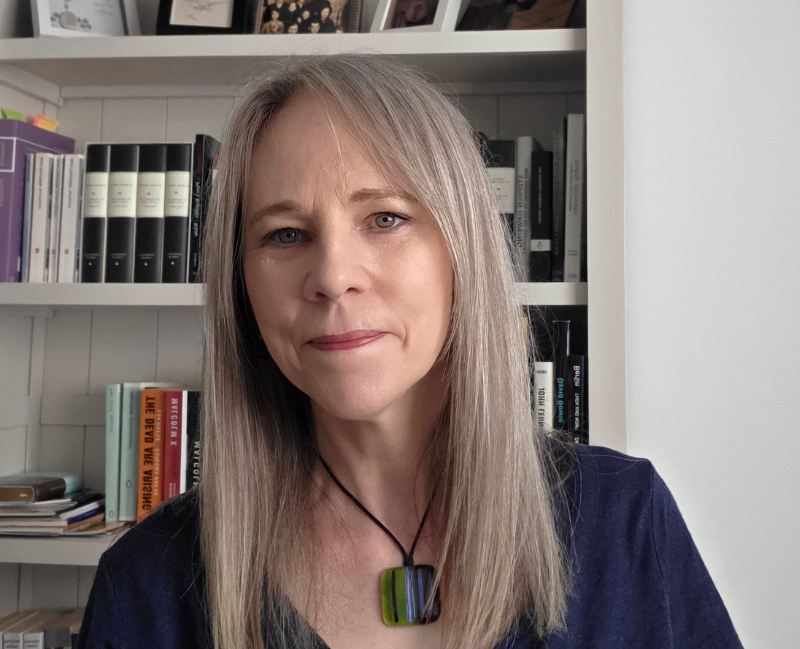
After first discovering philosophy 36 years ago, Éilís McIntyre, a counsellor from Belfast, returned to the subject through our short online live courses. The welcoming learning…
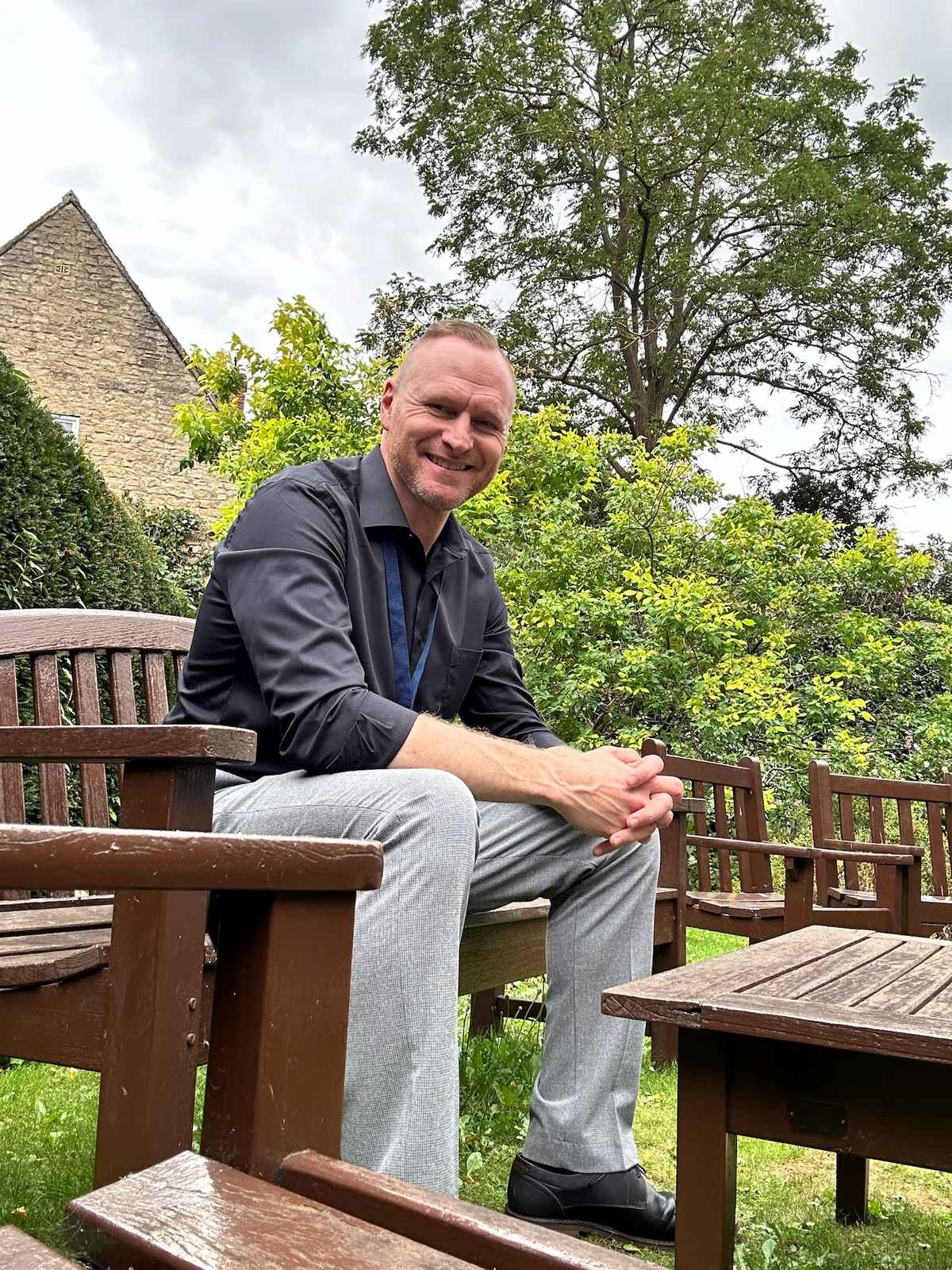
The Certificate of Higher Education allowed Jeffrey Blascyk, a US combat veteran, to pursue his calling to philosophy while balancing a full-time career. The rigour…

When Eliana decided to leave mainstream education for health reasons, she found that the Certificate of Higher Education allowed her to study a subject she…
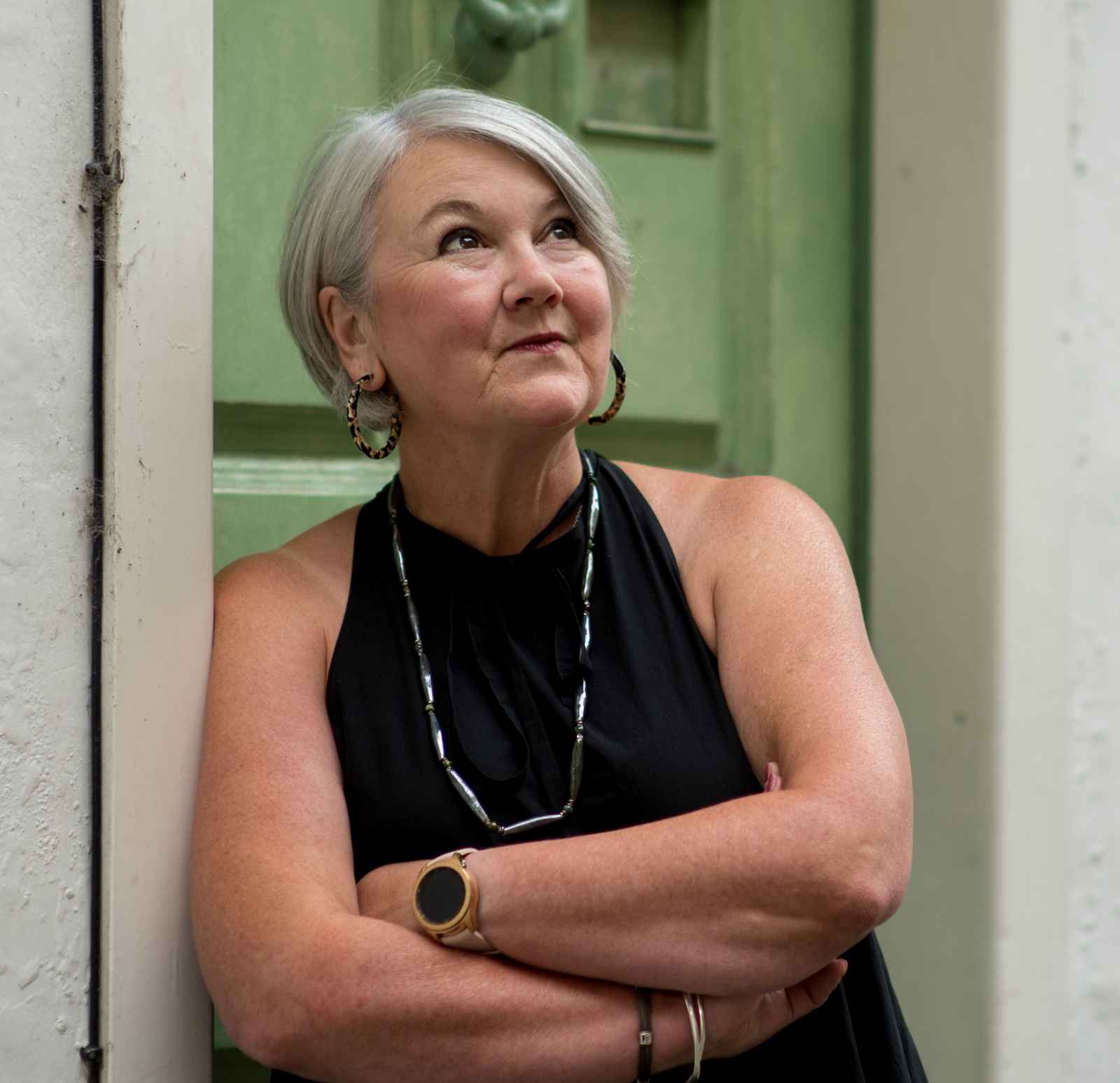
Georgia’s novel, The Fifth Girl, was developed directly from an exercise from an online creative writing course, completed as part of the Certificate of Higher Education. It won…

Charles Bush published his debut young-adult novel thanks to the skills and experience gained from completing the Undergraduate Certificate of Higher Education.

Lebanese playwright and copywriter, Arzé, was drawn to the Certificate of Higher Education after pursuing one of the Department’s short online courses. Specialising in Creative…
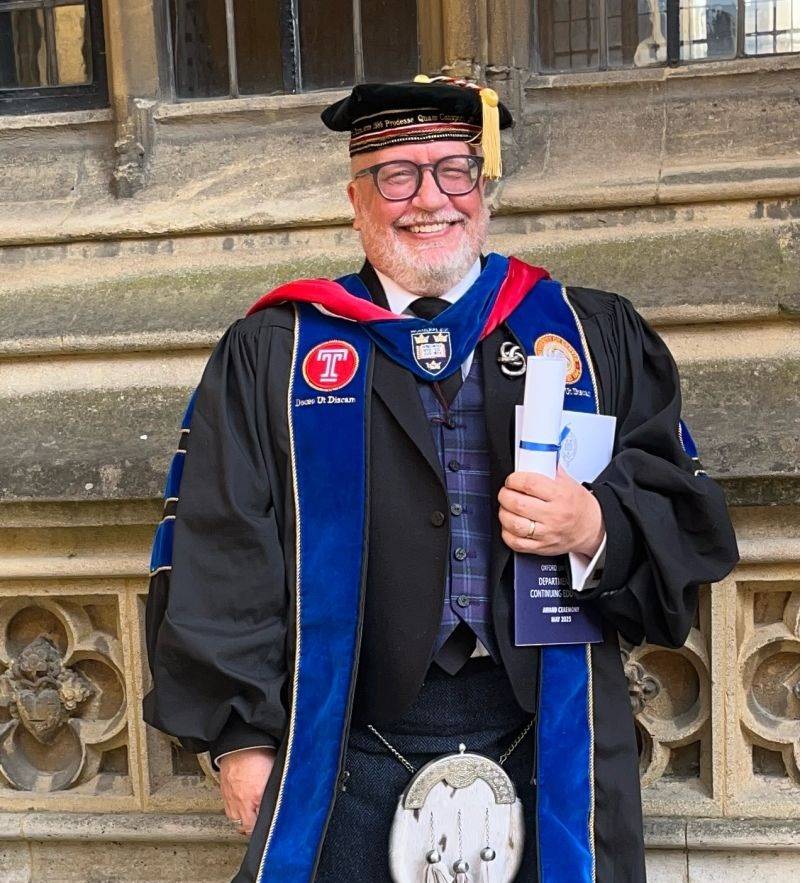
Scott is a university professor from Philadelphia who first dreamed of studying at Oxford University. Decades later, he made that dream a reality – completing…

The flexibility of the part-time Certificate of Higher Education allowed Priscilla, a tax lawyer and university professor from Costa Rica, to balance studying with her work and…