

A seven-week online course introducing the current state of technology and addressing implications for safety, regulation and innovation. It is for professionals worldwide seeking an overview of this important subject.
Filter by:
Filters
Start month
Day of the week
Time of day
A seven-week online course introducing the current state of technology and addressing implications for safety, regulation and innovation. It is for professionals worldwide seeking an overview of this important subject.
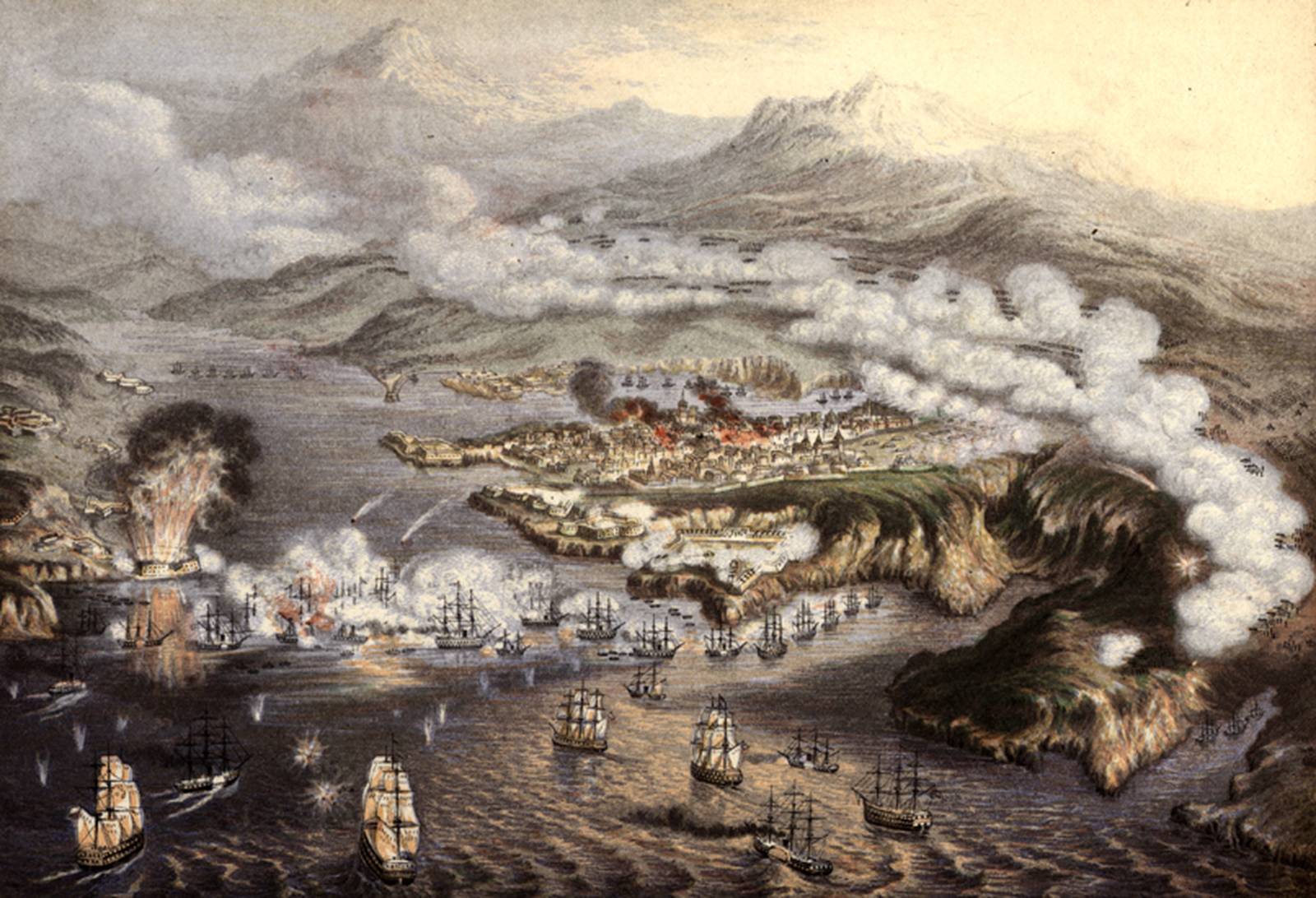
Crimea has always been too tempting a trophy to resist. It carries the scars of successive civilisations that have claimed, shaped, and reshaped it. To this day, it remains a prize fought over by competing peoples and ideologies.
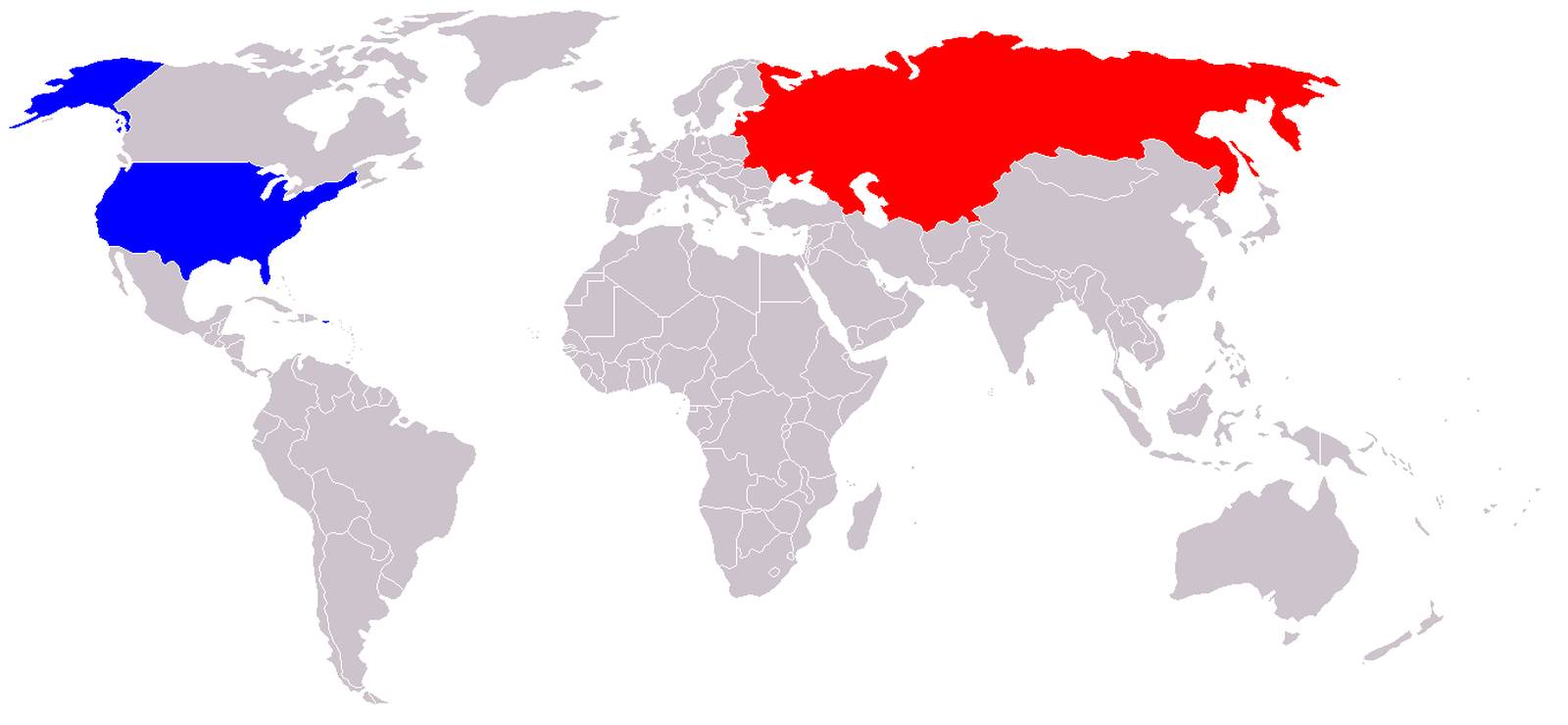
This lecture series will evaluate the most controversial decisions in international relations since the end of the Cold War. It focuses on the balance of decision making between diplomacy and military conflict.
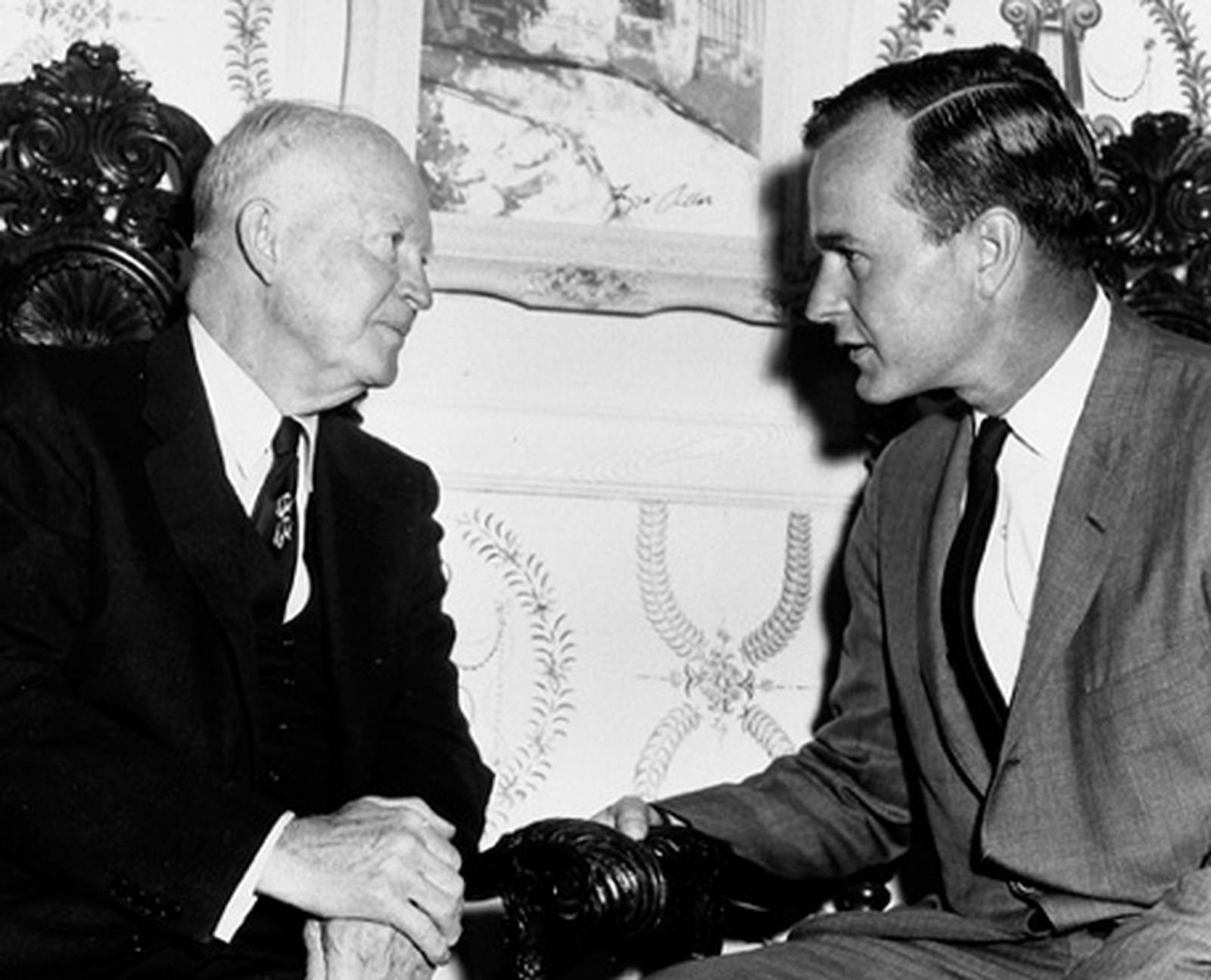
This lecture will reassess Bush’s path to the Gulf War, from early hesitation and pressure for diplomacy to a hardened stance shaped by domestic and strategic factors, culminating in Desert Storm and the liberation of Kuwait.

Life writing – whether memoir, biography, literary non-fiction, eye-witness accounts, blogs (the list goes on) – can be very powerful when told with brevity. Short-form writing is an end in itself; it also helps us focus on our writerly craft.

This lecture explores Major’s 1992 election victory and political skill, set against the impact of Black Wednesday and deep party divisions over Europe, which ultimately led to his government’s defeat in 1997.

Gain an understanding of the theoretical, practical and ethical practices an empirical researcher adopts when interviewing participants. Short course for postgraduate students.

From the early hackers of the 1950s all the way to 1990s cypherpunks, 2000s hacktivists and the diverse community of hackers today, this online lecture explores the genesis of hackers, their methods and their motivations.

This programme comprises our full 18-lecture series on National Security & Cyber covering AI and cyber security, Surveillance, Hacking, Cybercrime, Cyber Terrorism, Cyber Espionage and Cyber Warfare.

Explore the origins of hacking, dissect the cyber kill-chain, and navigate the evolving threat landscape. From AI-powered cyberattacks to encryption battles in the Crypto Wars, this series unveils the complex world of digital adversaries and defenders.

This lecture will reassess Bush’s path to the Gulf War, from early hesitation and pressure for diplomacy to a hardened stance shaped by domestic and strategic factors, culminating in Desert Storm and the liberation of Kuwait.

This lecture examines Blair’s electoral success and New Labour modernisation, highlighting public service investment and reform, while assessing the limits of his authority, particularly over the failed bid to join the Eurozone.