

An introduction to the key concepts and methods of contemporary ethics, providing you with a working knowledge of the basic concepts and approaches needed to engage in philosophical practical ethics.
Filter by:
Filters
Start month
Day of the week
Time of day
An introduction to the key concepts and methods of contemporary ethics, providing you with a working knowledge of the basic concepts and approaches needed to engage in philosophical practical ethics.

Discover fundamental principles of good reasoning and improve your ability to assess the reliability of sources. Develop your own thinking and learn how to analyse and evaluate arguments presented by others.

This course is intended to be an introduction to the key concerns of the major Western philosophers from the earliest days of the pre-Socratic philosophers through to the twentieth century.

Explore tough ethical questions in clinical decision-making. Examine ethical issues in clinical contexts, analyse real-life cases, and gain practical skills to make wise, principled decisions while valuing diverse perspectives.

The philosophy of mind is concerned with questions about the nature of mind and the relation between our minds and the physical world. This course provides an introduction to the mind body problem, one of the most intractable problems in philosophy.

Augustine, the famous 5th-century North African bishop: profound philosopher, brilliant writer and preacher, fierce debater. Together we will read a wide selection of his works, including some transcripts of his sermons, to let him speak for himself.
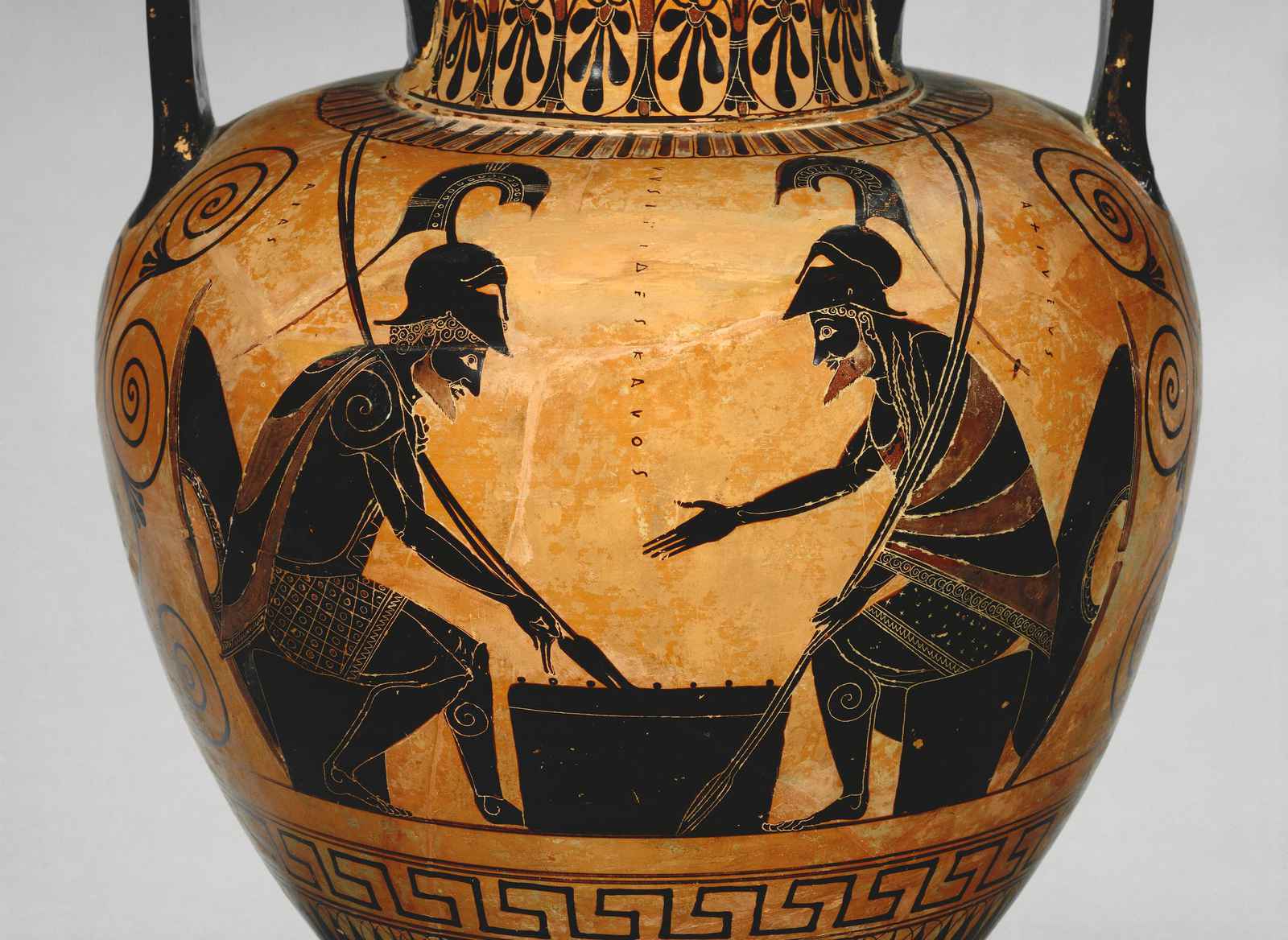
Why engage with an approach to ethics that is 2,300 years old? Because ethics without Aristotle is inconceivable, and his insights into what is good for humans remain invaluable. Join in to explore and discuss the 'Nicomachean Ethics'.

Reasoning enables us to acquire knowledge, to persuade others and to evaluate their arguments. But only if we reason well. We shall be learning how to recognise, evaluate, construct and analyse arguments, and how to recognise common fallacies.

Are Kant’s ethics a powerful assertion of the values of humanity and autonomy or a rigid and crypto-theological slave morality? This short online course will examine these questions by means of a close reading of Groundwork for the Metaphysics of Morals.

The course looks at what, if anything, it is that Jews, Christians and Muslims are agreeing about when they claim that there is a God; and we shall look at what, if any, prospects there are for rationally defending or attacking this claim.

An introduction to metaphysics, the most general investigation of reality. It has been at the centre of philosophy since the beginning of the Western tradition in ancient Greece, and many of its concerns are the same as those of Plato and Aristotle.

Feminism is a political movement aiming to end the oppression of women. But what is to be a 'woman'? Do women have distinctive ways of knowing and acting? What is gender injustice? The course engages with such core issues of feminist thought.