Delve into Agatha Christie’s detective fiction through Hercule Poirot and Miss Marple. Studying four classic novels, this course explores how Christie redefined the genre, blending social insight, innovation, and subversion beneath her elegant puzzles.
Course search results
Filter by:
Filters
Start month
Day of the week
Time of day
Explore Oscar Wilde’s four major plays as vibrant theatrical works. This course examines their original West End productions (actors, staging, and audiences) revealing how Wilde’s wit and artistry came alive on the stage of his time.
Study the development of British detective fiction and literary representations of Oxford, ranging from Sherlock Holmes to Inspector Morse, and taking in the ‘Golden Age’ of the whodunit with authors including Dorothy L Sayers and Edmund Crispin.
Journey into the world of the Inklings – Tolkien, Lewis and their circle – whose stories intertwined nature, myth and imagination. Explore how their writings reflect humanity’s bond with the natural world and continue to inspire readers today.
Explore the rich history of children’s literature – from its origins to today. Examine how stories for the young reflect cultural values, shape ideas of childhood, and reveal deeper insights about imagination, maturity and society.
Turn ideas into complete stories in this practical, interactive course. Through writing exercises, discussion, and analysis you’ll explore character, plot, setting, and style. Learn when to follow (and break) the rules to develop your unique voice.
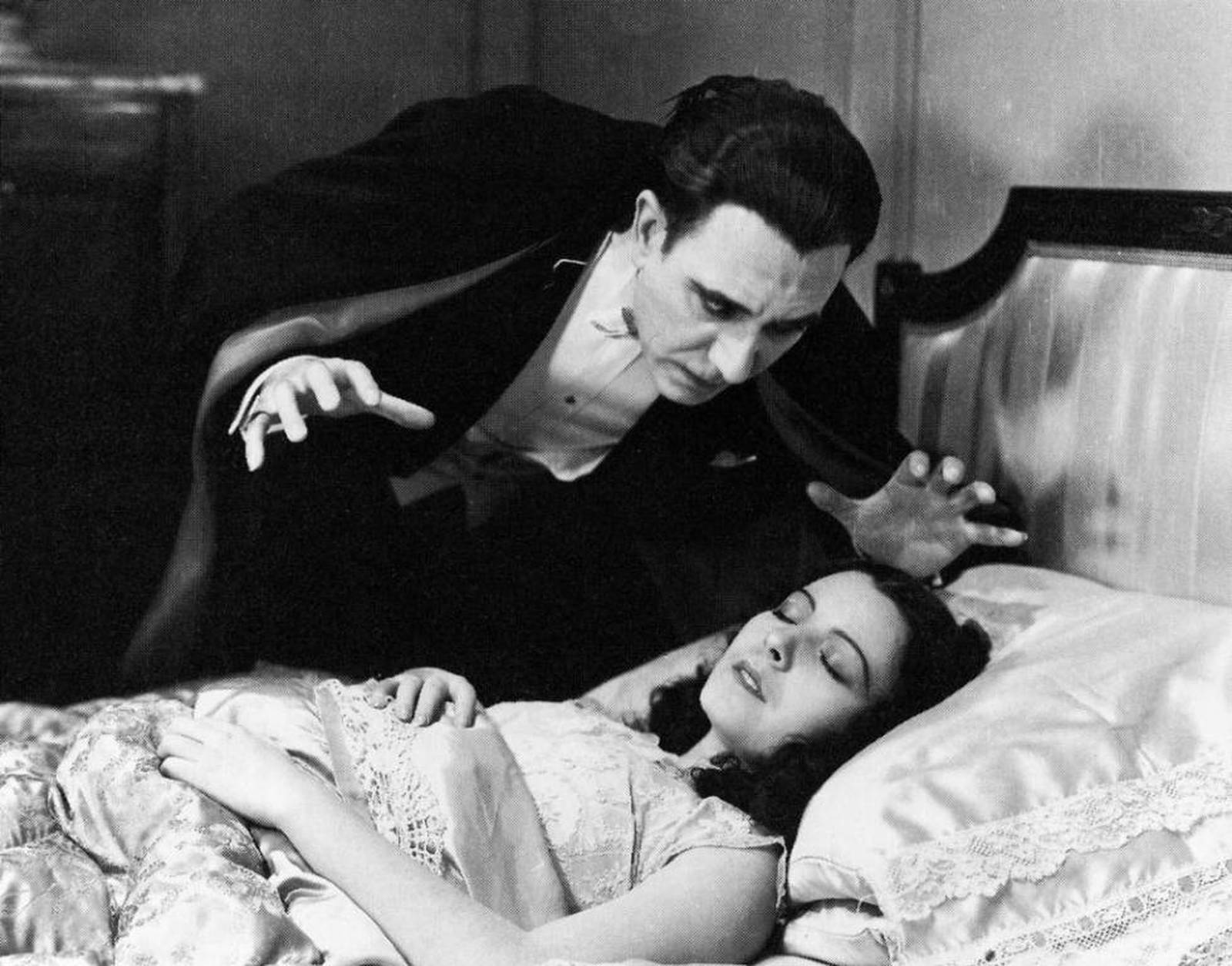
Explore the evolution of Gothic literature from the nineteenth century to today. This course traces how writers and artists transformed the Gothic to reflect cultural fears, from haunted castles to modern horrors in film, art, and fiction.
Explore the evolution of British crime fiction and film – from Agatha Christie’s classic puzzles to modern reimaginings. Discover how detectives, crimes and settings reflect changing societies, ethics and cultural fears in this lively, critical course.
This course offers the opportunity to study stories by many of the finest practitioners of the art, and to take part in lively discussions.
Join us in Oxford for an inspiring and informative weekend event exploring the essentials of writing prose fiction, including the four key pillars of character, dialogue, description and narrative structure.
In a world of economic instability and social breakdown, dystopia has become the reigning form through which we imagine the future. This event will review four versions of dystopian fiction and consider how they reflect changes in Western society.
Virginia Woolf’s hugely significant modernist novel Mrs. Dalloway was published on 14 May 1925. Join us in Oxford to discuss its lasting impact on literary and popular culture, considering both its immediate contexts and its later reception.