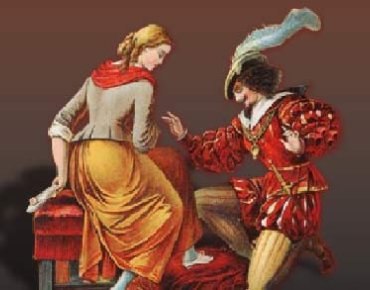
'Bel canto' means beautiful singing but has come to be associated with the operas of Rossini, Donizetti and Bellini in particular. This course will examine examples of this repertoire and the technique of 'Bel canto' singing required to perform it.
Filter by:
Filters
Start month
Day of the week
Time of day
'Bel canto' means beautiful singing but has come to be associated with the operas of Rossini, Donizetti and Bellini in particular. This course will examine examples of this repertoire and the technique of 'Bel canto' singing required to perform it.

This course is for anyone with a passion for learning to sing. We will discuss and practise the fundamentals of vocal technique which will enable you to produce a well-supported and stable vocal tone.
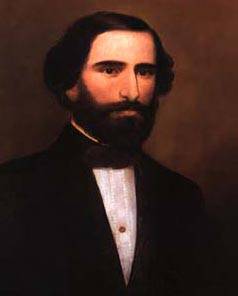
Verdi is the most influential Italian opera composer of the later 19th century. This course will examine his life through a detailed study of his major operas, including Nabucco, Rigoletto, La Traviata, Aida, Otello and Falstaff.
In a lively mixture of talks and workshops, this term surveys the vast range of piano repertoire but technique and interpretation will also be discussed in the workshops. Students will have regular opportunities to play. Open to players of all levels.
By common consent, Wolfgang Amadeus Mozart (1756 – 1791) is one of the greatest composers who ever lived. This course will trace his development through key musical genres to which he contributed. No specialist knowledge is needed for full participation.
What happens inside your brain when you listen to music? Or perform it? Or think about it? This day school looks at recent advances in neuroscience that allow us to investigate the cognitive and neural mechanisms that underpin our musical experience.
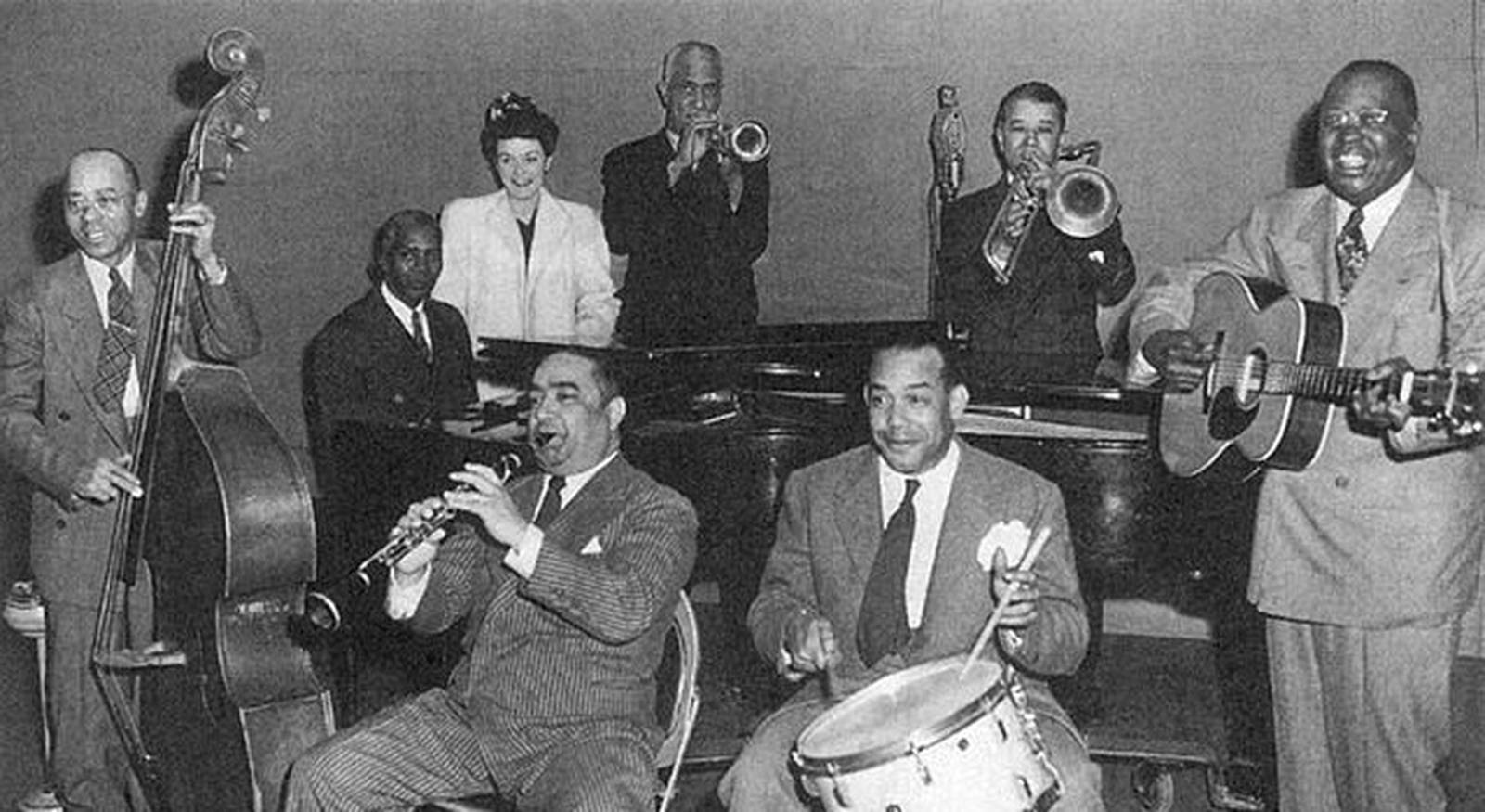
'What is Jazz? Dude, if you have to ask, you'll never know.' – Louis Armstrong. After exploring and analysing jazz music on this course, looking at its origins and development, and acquiring some strategies for listening to it, you will never have to ask.
Explore the piano repertoire in a lively mixture of talks and workshops, with all students having regular opportunities to play. This term focusses on interpretation but technical issues will be discussed in the workshops. Open to players of all levels.
Sir Edward Elgar (1857 - 1934) was an English composer, many of whose works are mainstays of the concert repertoire. We will explore all aspects of his music. No specialist musical knowledge is required for full participation.
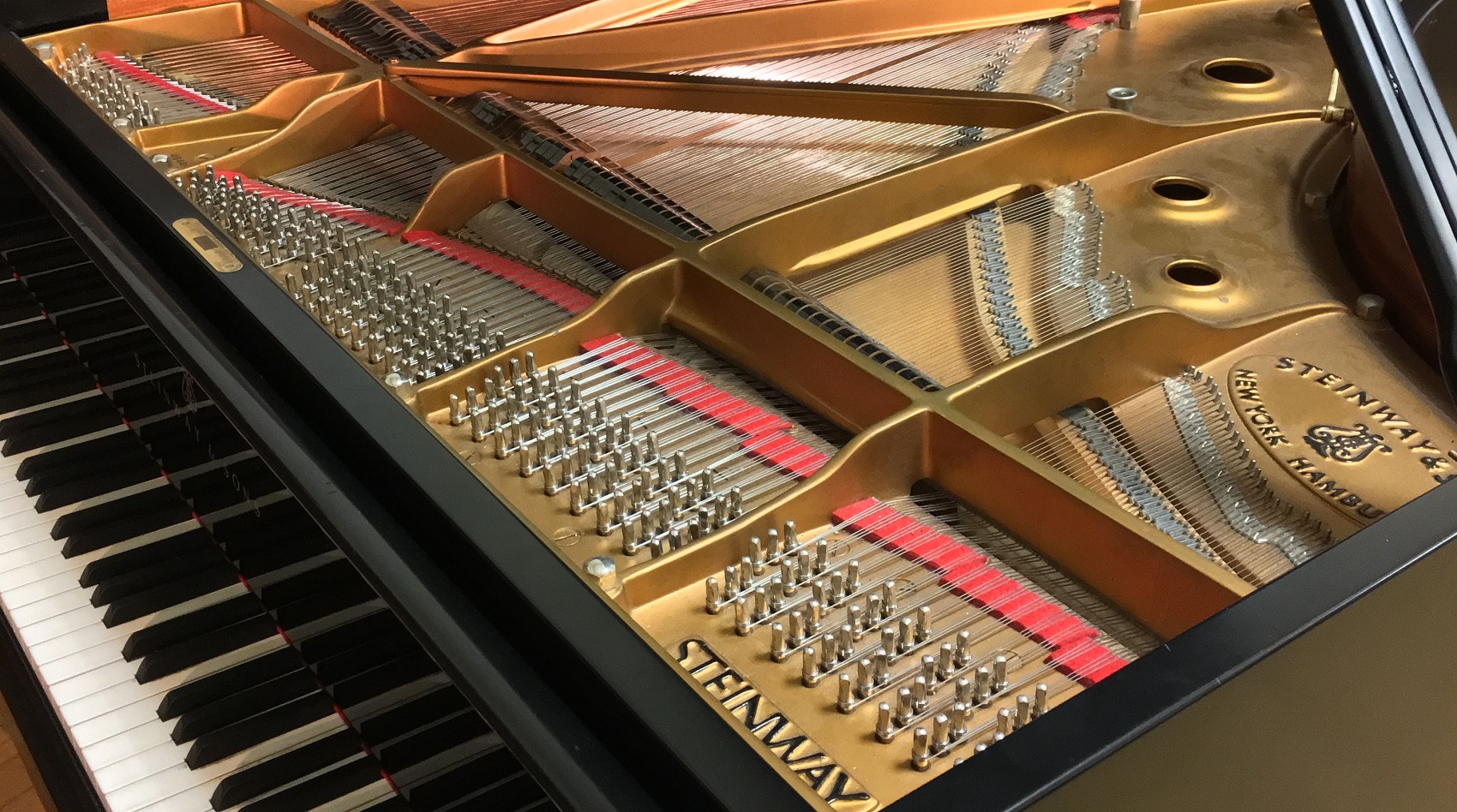
The aim of musical analysis is to understand how music exerts such a powerful effect on us. This course introduces some of the main approaches as we attempt to bridge the gap between our intuitions about music and our intellectual knowledge of it.
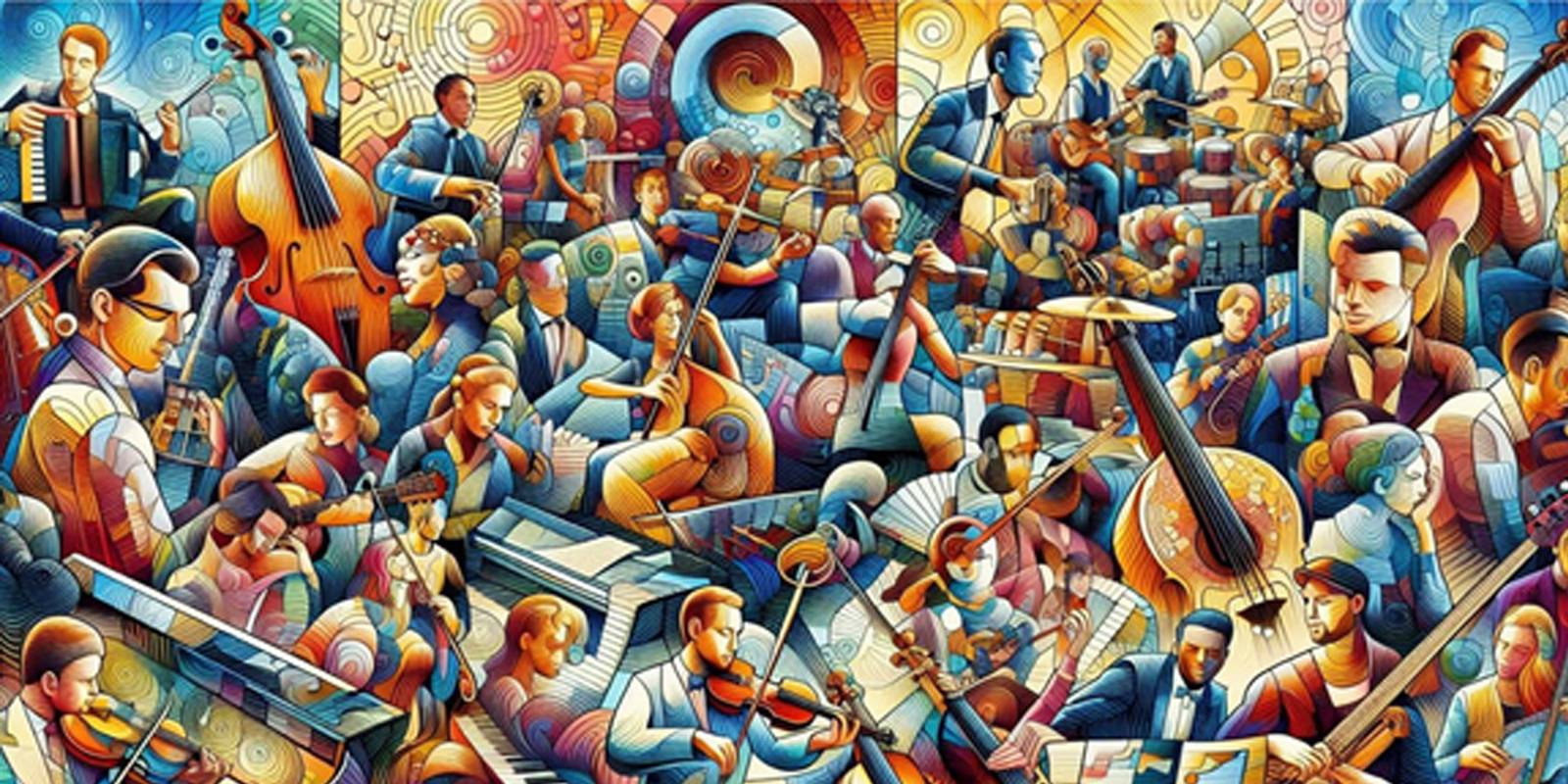
A course for anyone who loves music but wants to understand it better. We explore classical, jazz, pop, folk and world music in a non-technical way from the point of view of the listener, aiming to give a deeper sense of involvement in the music.
This course is designed for anyone who would like to sing, but feels that they can't. Through a mixture of seminars and workshops, consideration will be given to various common vocal problems and their solutions.