
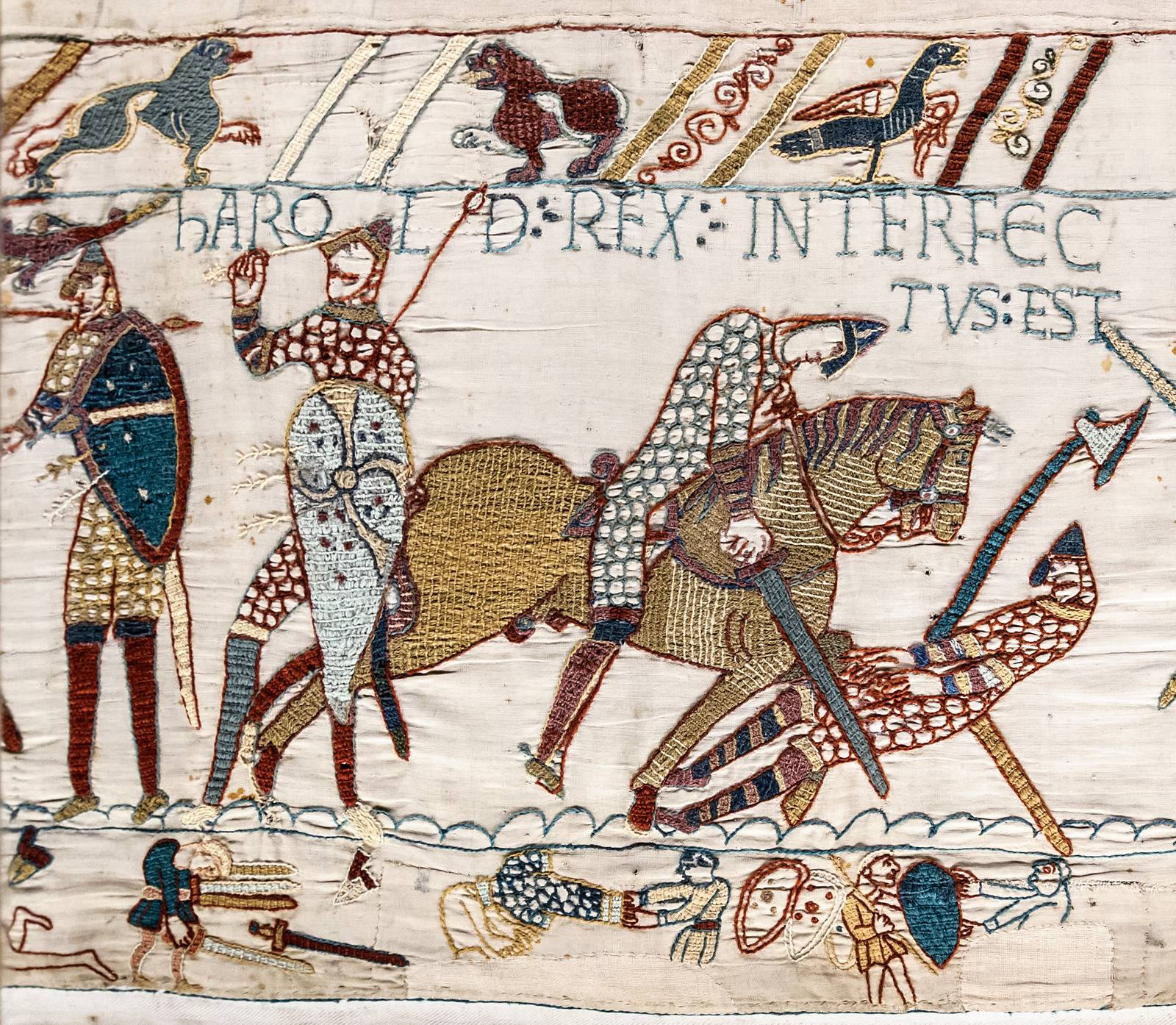
The Bayeux Tapestry is a unique medieval artefact with an extraordinary history. It has survived for almost a thousand years despite misuse, fire, revolution, exploitation and attempted theft. This lecture will trace its history.
Filter by:
Filters
Start month
Day of the week
Time of day
The Bayeux Tapestry is a unique medieval artefact with an extraordinary history. It has survived for almost a thousand years despite misuse, fire, revolution, exploitation and attempted theft. This lecture will trace its history.
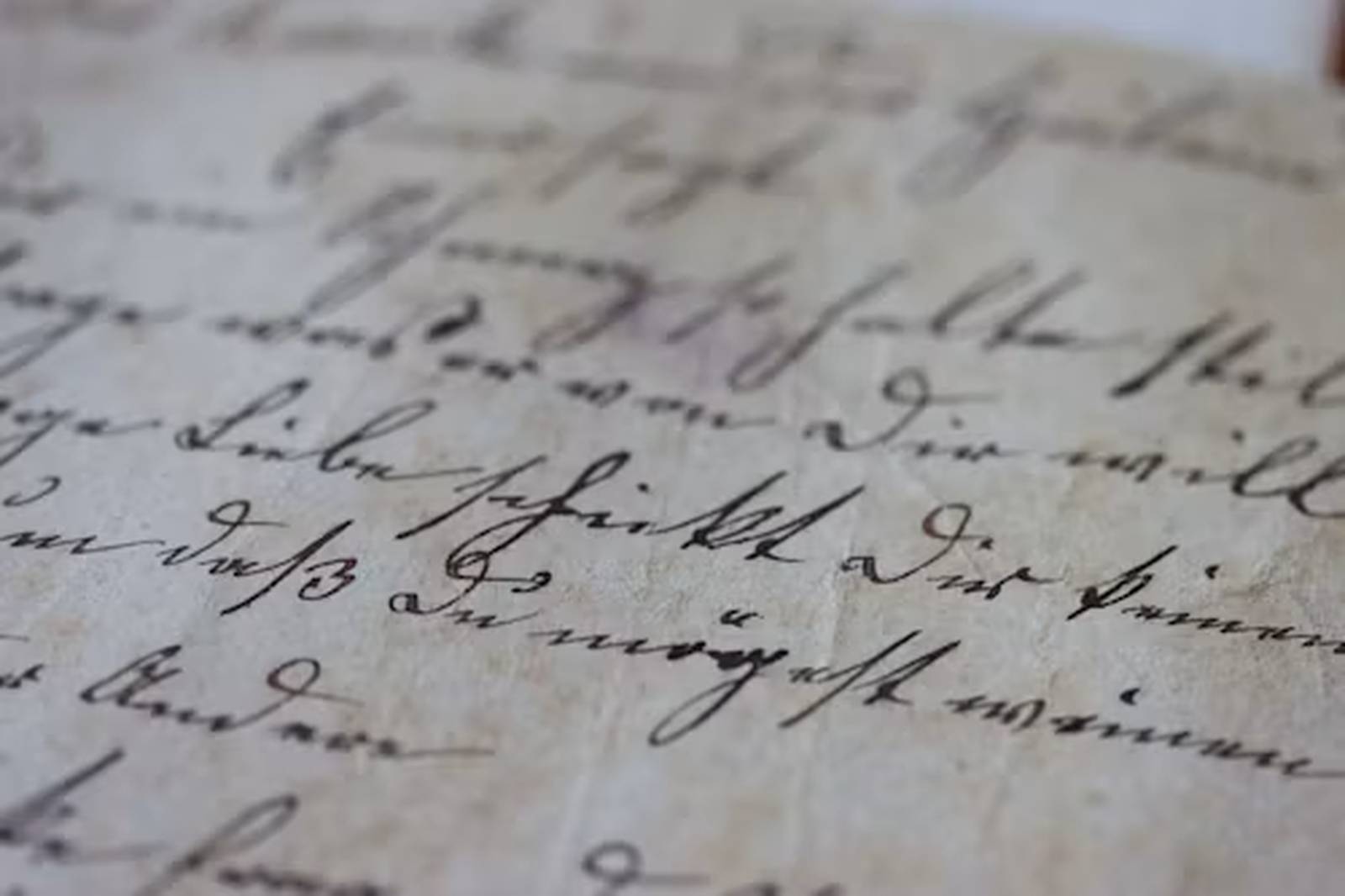
Would you like to learn how to read medieval handwriting in original documents? Join us for this weekend event, studying the basics of the most common scripts, covering the history of handwriting and taking practical examples from popular record types.
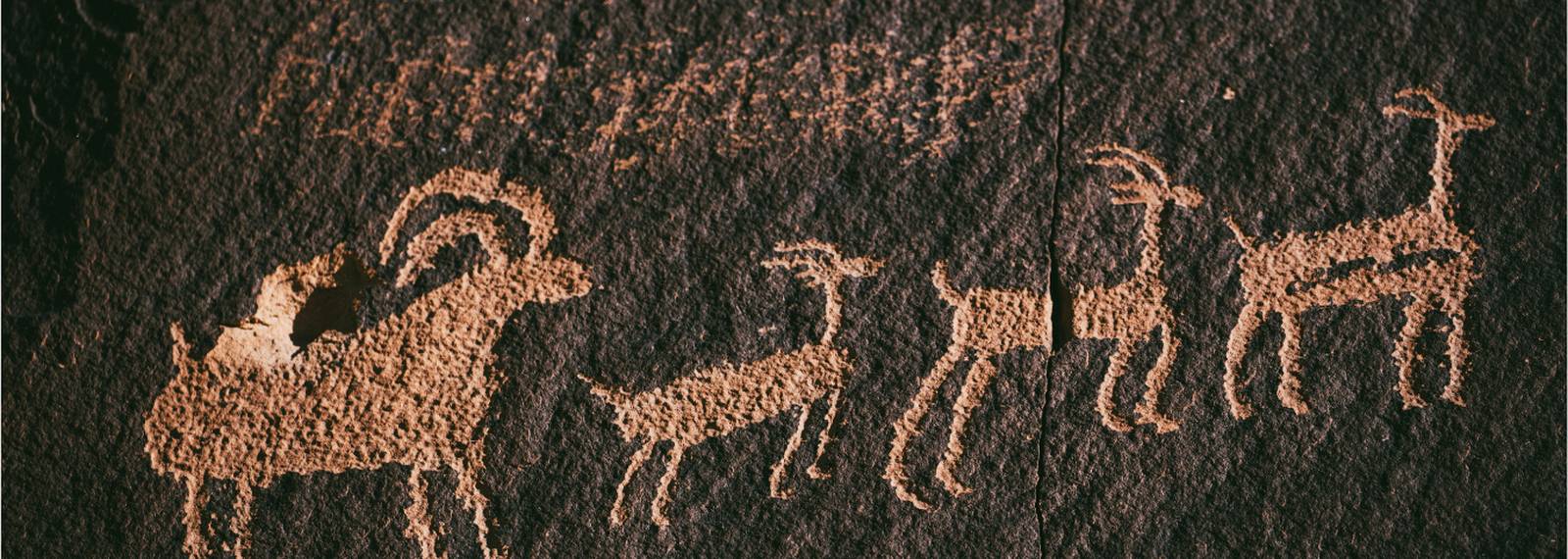
From hunting dogs to Silk Road camels and urban cats, this lecture series explores how animals shaped human history, using archaeology and history to uncover the deep entanglements between people and domestic species.

This course provides an introduction to the legal and ethical issues arising in the art and cultural heritage sectors today. Aimed at all those engaged in the art world, it will outline principles and practices, exploring cases from the UK and beyond.

Short course introducing potential witnesses and advocates to the techniques and procedures of public inquiries dealing with the historic environment, including preparing proofs of evidence. A mock inquiry will be staged.
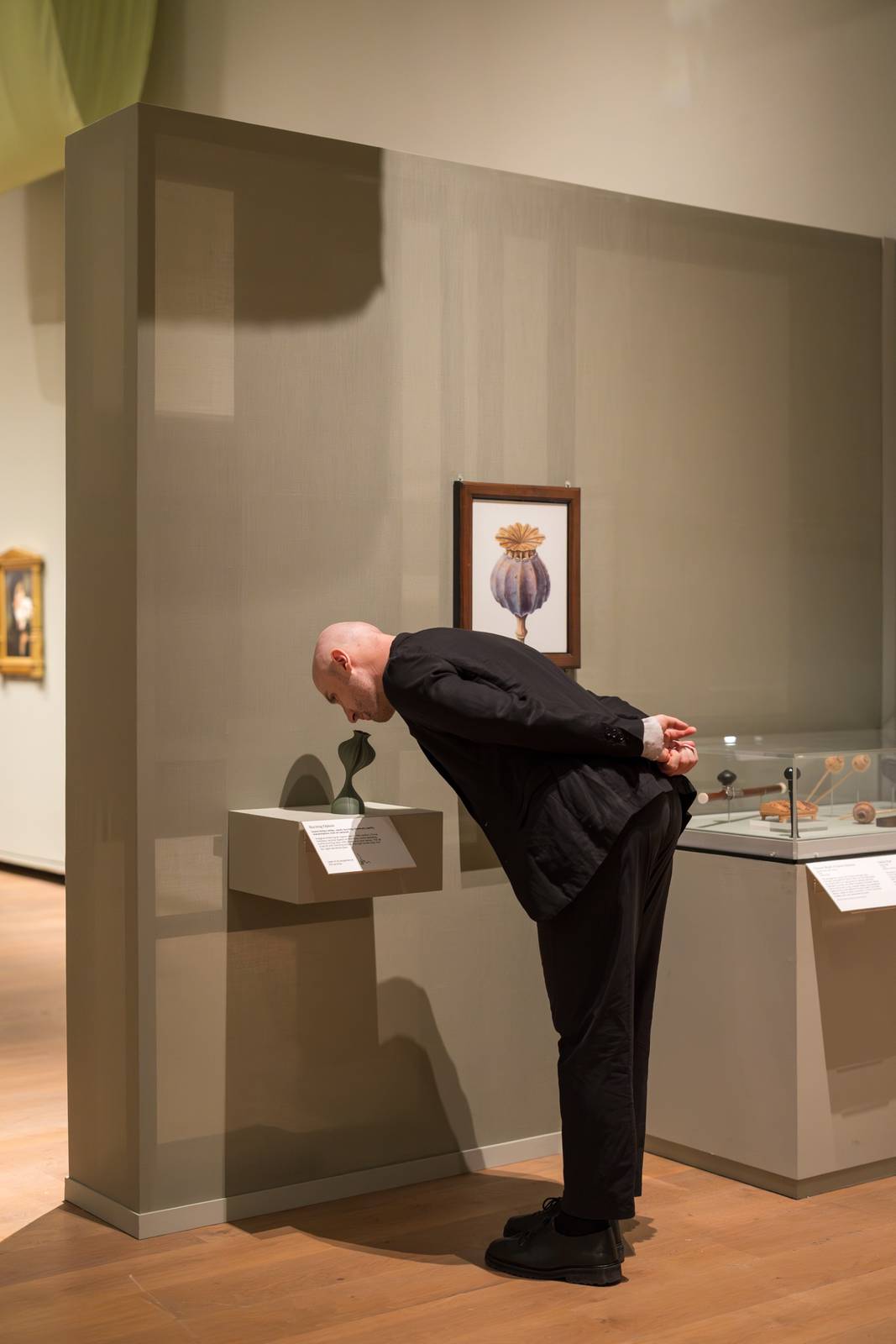
Do your exhibitions stink? Scent is becoming a popular feature in museums, but what makes olfactory visitor experiences effective? We will explore the theory, practice, benefits and pitfalls, with useful tips to help harness scent as an interpretive tool.
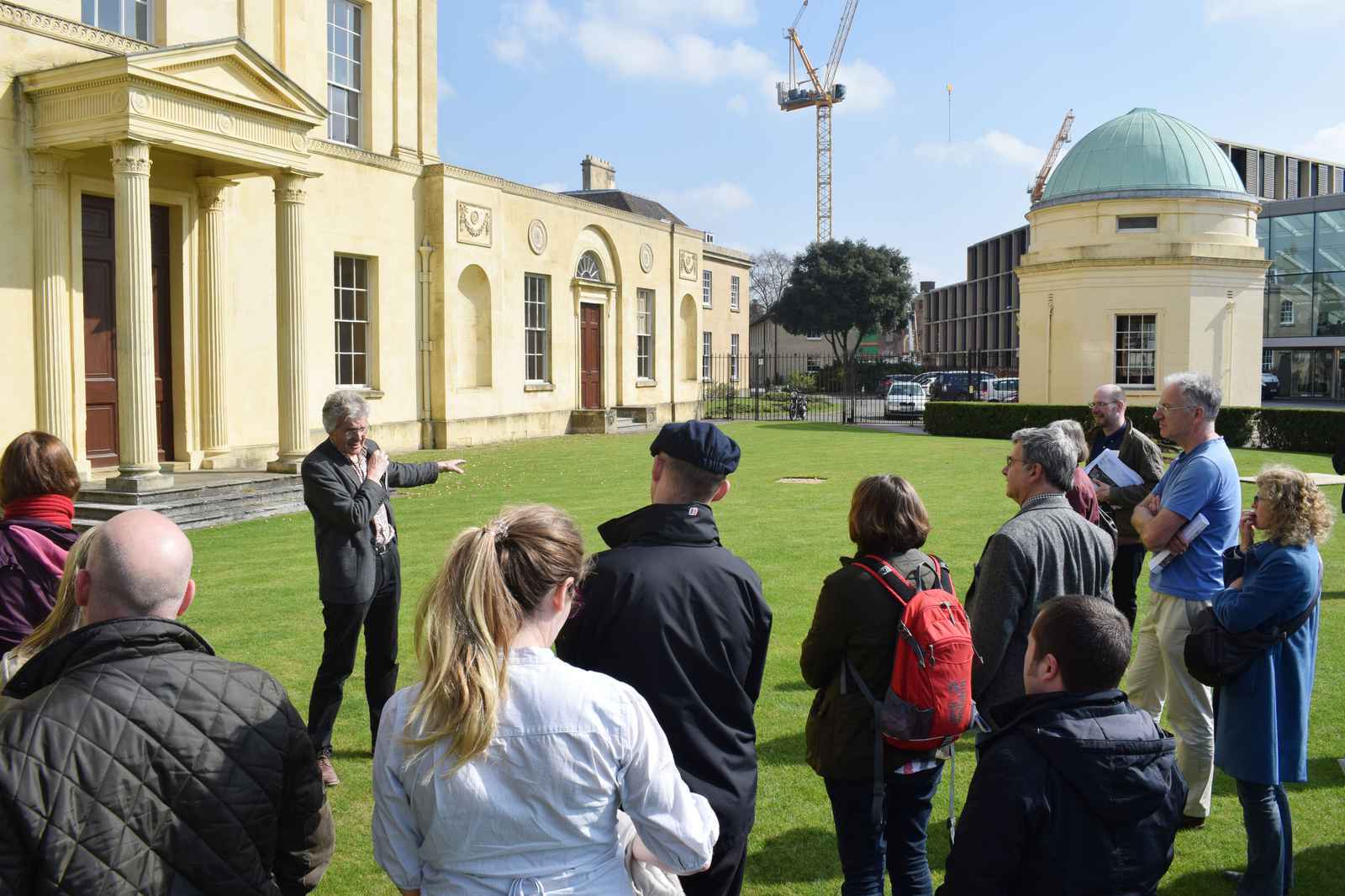
The degree of harm caused to heritage assets has become a key issue in guiding development decisions. Join our expert workshop to explore the meaning of 'harm' and how it is being interpreted in practice today.

The oldest known stone tools date back 3.3 million years and pre-date the first appearance of the genus 'Homo'. Join us to explore tool making among our early hominin ancestors from the earliest probable origins to the comparatively advanced Oldowan.
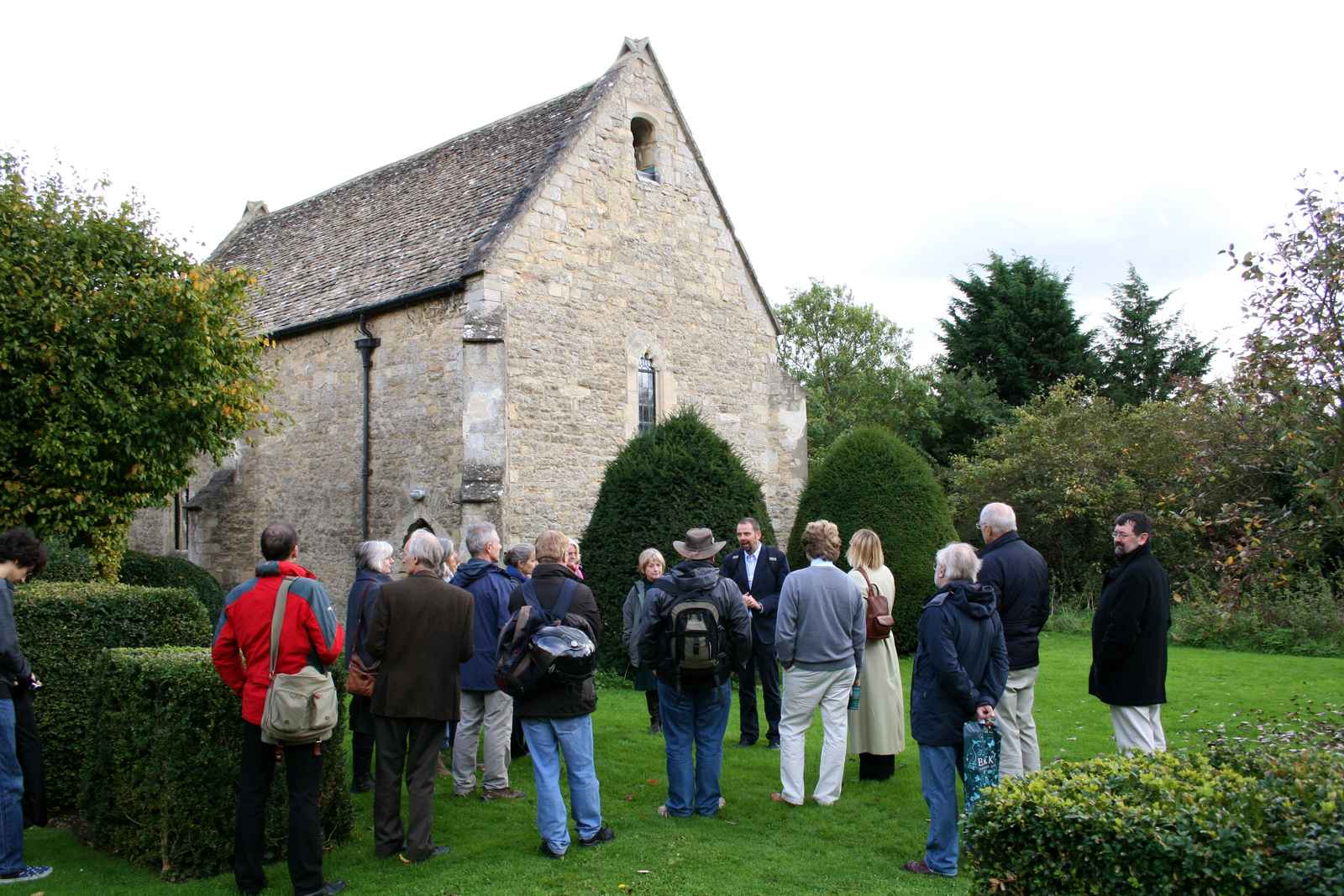
This course aims to give participants an understanding of traditional construction and its defects, and to provide the skills to carry out balanced and informed surveys of historic buildings.

Take part in an expert-led wargaming experience focused on protecting cultural heritage in conflict. Gain practical insight into safeguarding civilians, shaping better decisions, and understanding today’s complex battlespace.
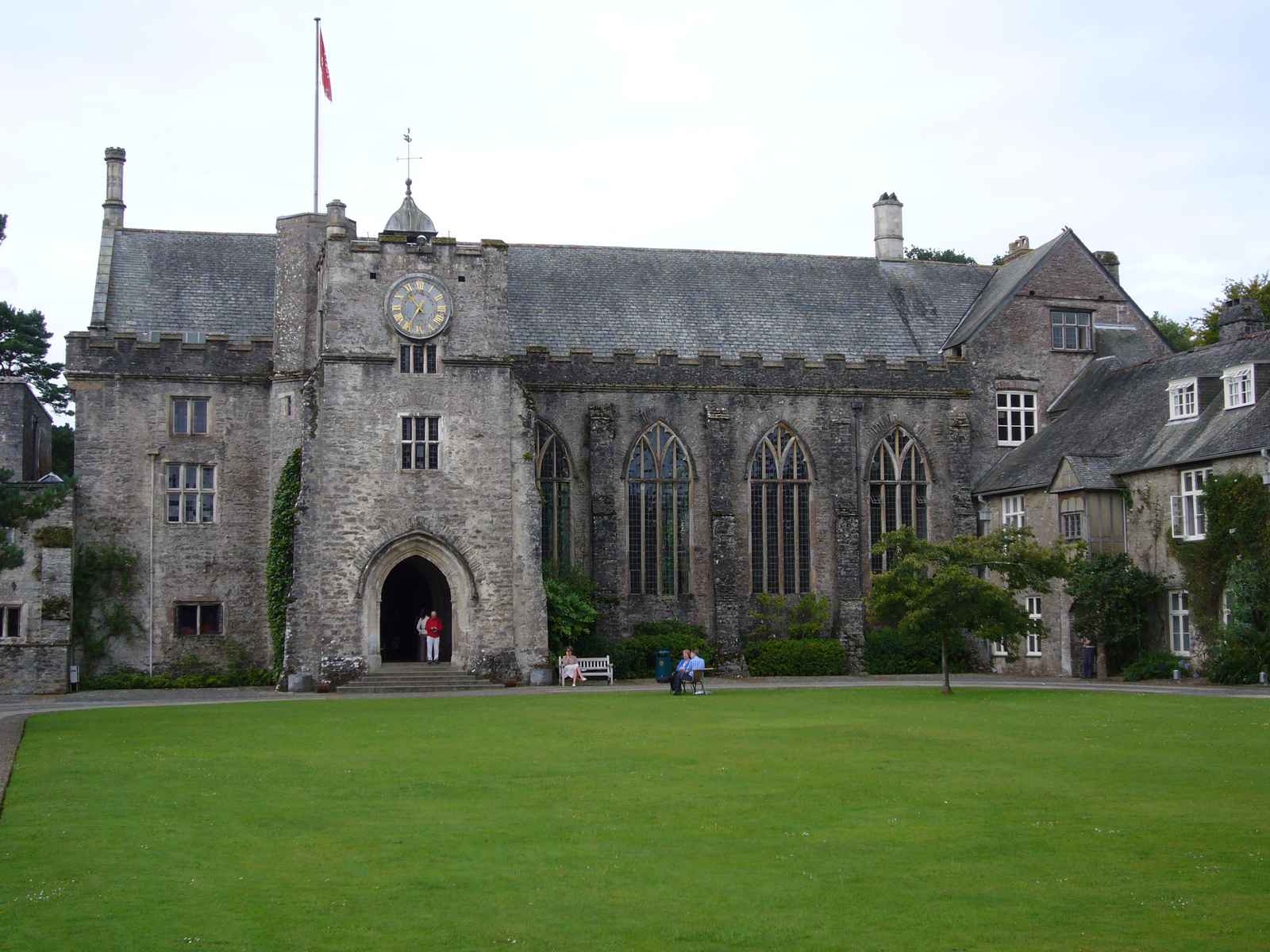
Significance is now a core concept within our planning process. Its assessment is a key part of management and development within the historic environment. This course will introduce the process, explore the ways in which they can be used, and more.

Managing nature around historic buildings can be a challenge. But it also presents exciting opportunities for engagement and conservation. This course will introduce new research, policy trends and case studies for nature positive activity.