
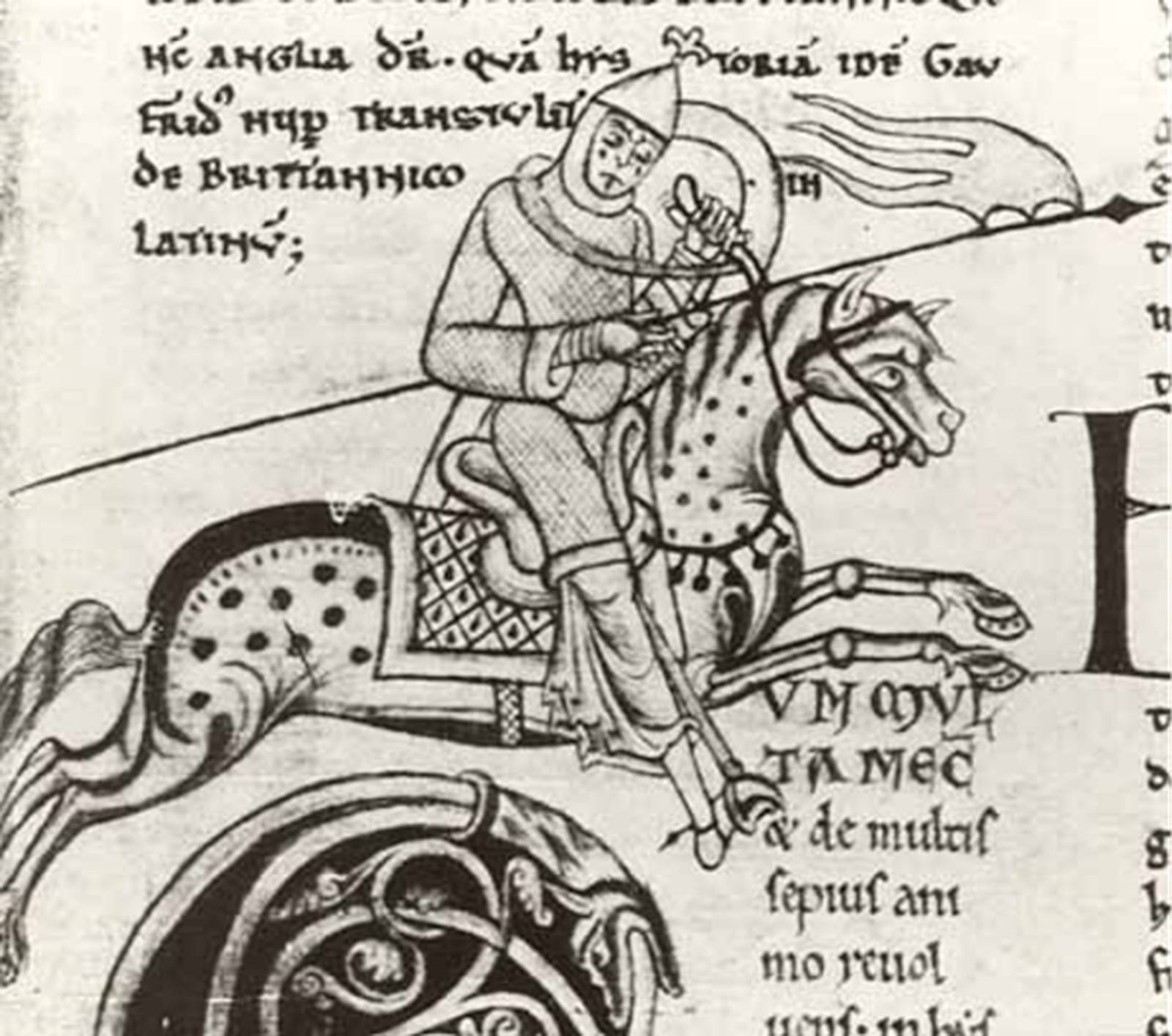
Explore the Anarchy (1139 to 1153AD), when royal power waned and barons reshaped England. Discover siege castles, ruined landscapes, and the archaeological legacy of this turbulent and often misunderstood era.
Filter by:
Filters
Start month
Day of the week
Time of day
Explore the Anarchy (1139 to 1153AD), when royal power waned and barons reshaped England. Discover siege castles, ruined landscapes, and the archaeological legacy of this turbulent and often misunderstood era.

This course introduces the archaeology of ancient South Asia. From the mighty Himalayas in the north to the waters of the Indian Ocean in the south, we will explore the archaeology and very early history of the region from 3000 to 500 BCE.
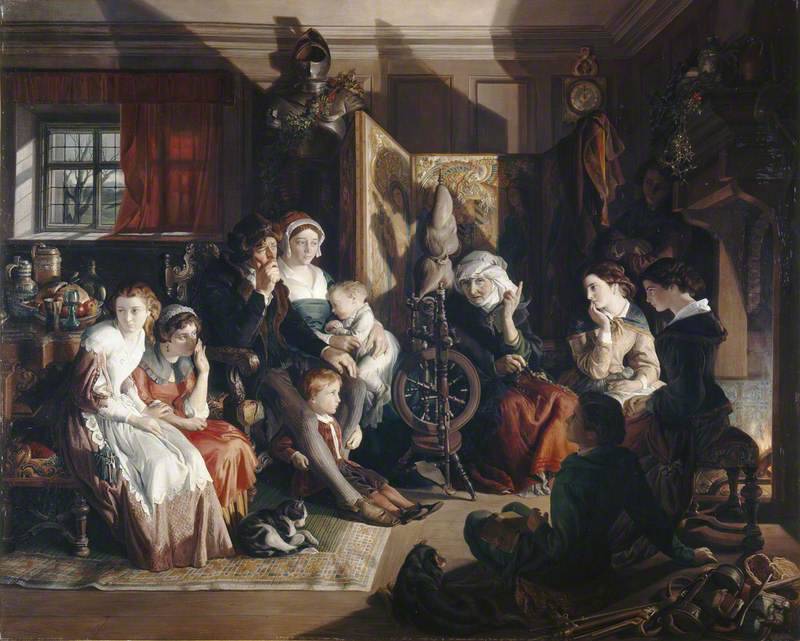
This course provides an historical introduction to the development of folklore studies in Britain. It will review historical conceptions and approaches to folklore from the seventeenth-century antiquarians to the present.
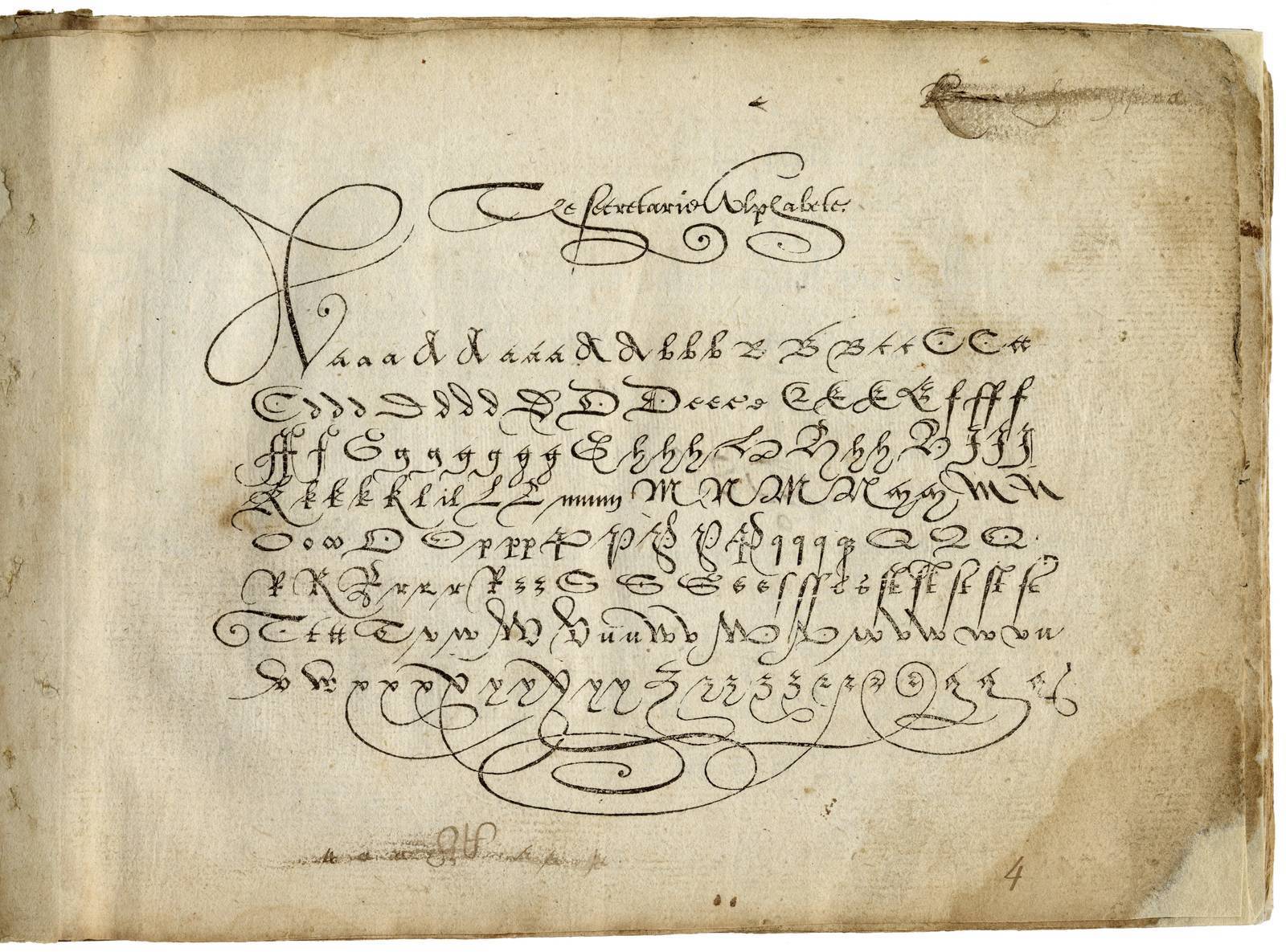
A weekend event in Oxford for those keen to undertake research using original historical documents to begin reading the scripts used in England post 1550. We will cover original sources such as property records, wills, accounts and correspondence.
The oldest known stone tools date back 3.3 million years and pre-date the first appearance of the genus 'Homo'. Join us to explore tool making among our early hominin ancestors from the earliest probable origins to the comparatively advanced Oldowan.
This course provides an historical introduction to the development of folklore studies in Britain. It will review historical conceptions and approaches to folklore from the seventeenth-century antiquarians to the present.
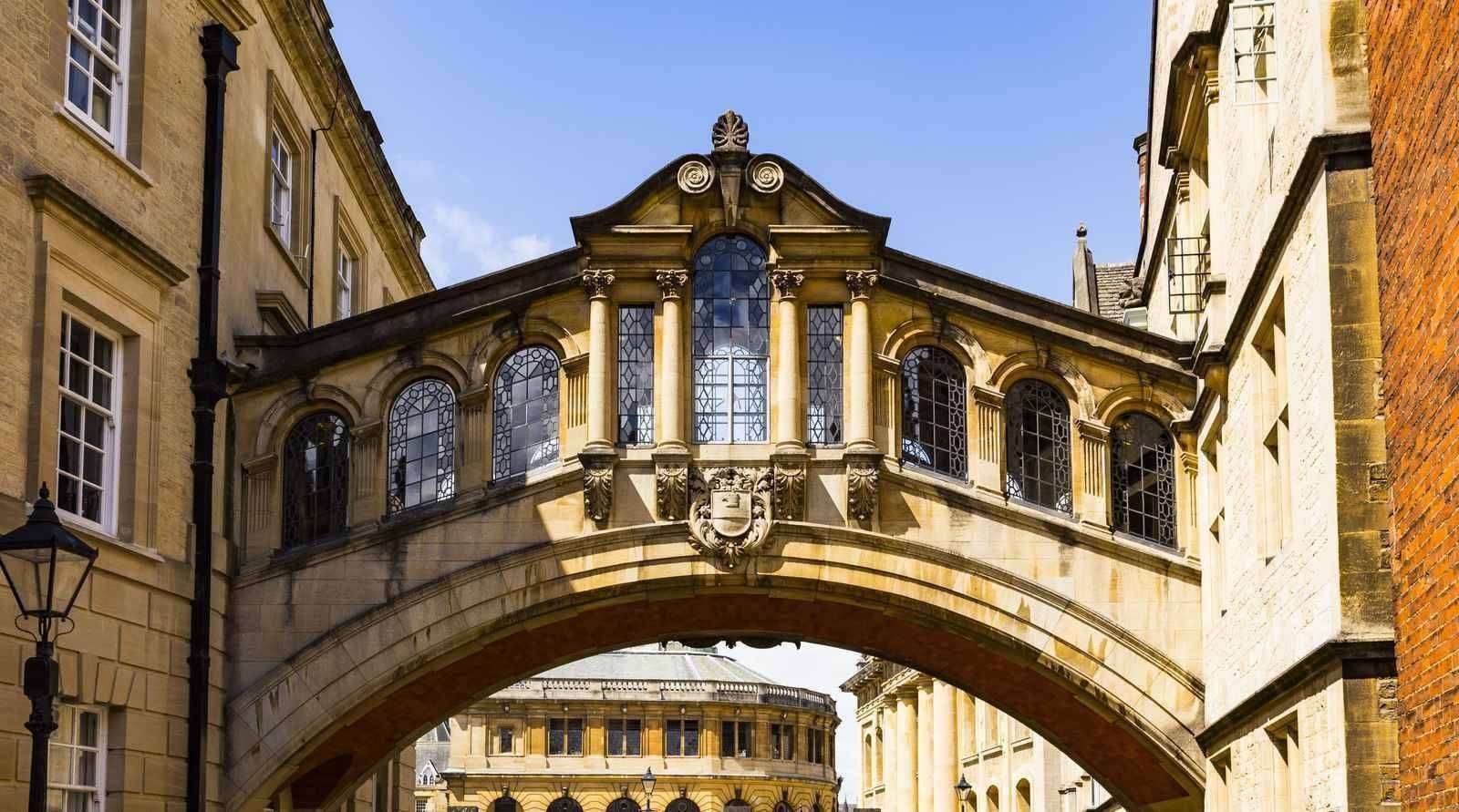
Anthropology and psychotherapy study human life in similar and different ways. This course brings these fields together to practise an existential human science. We will consider how people experience themes of existence from love to loss to death.
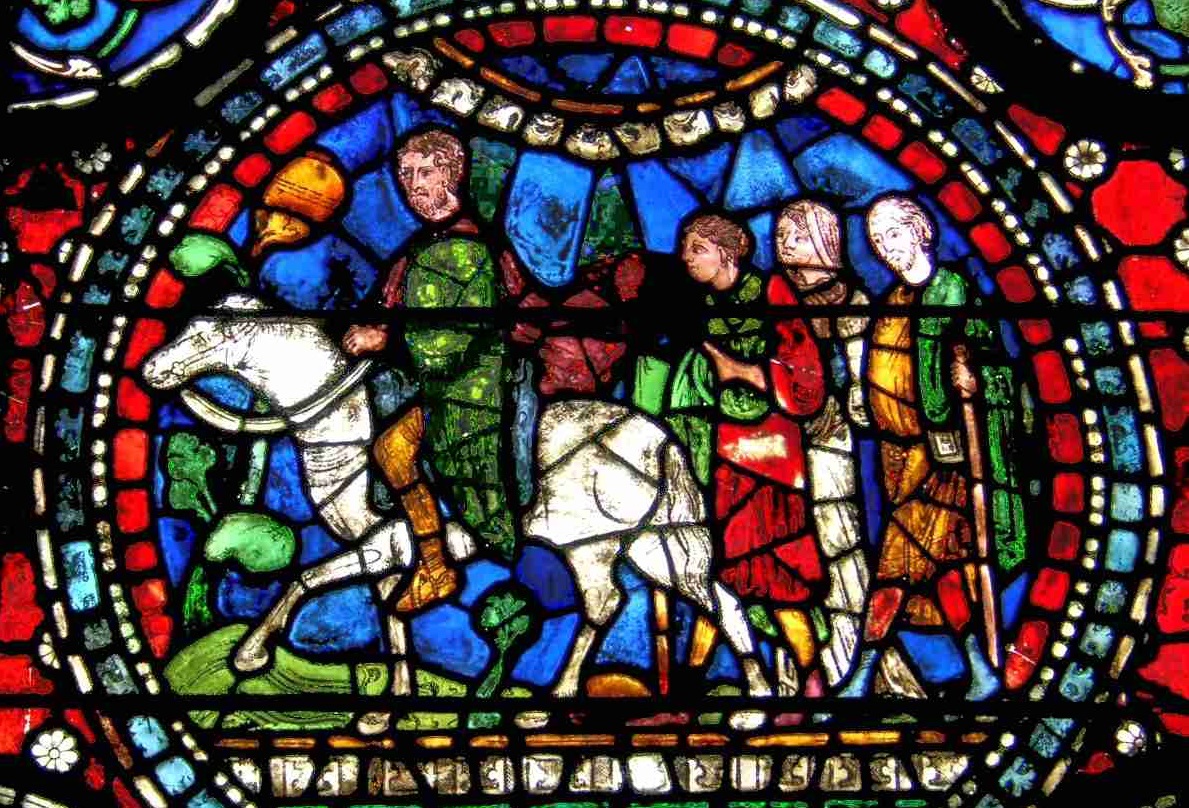
This course offers a new approach to the study of pilgrimage, combining history and anthropology to examine western pilgrimage practices from the Middle Ages to the modern day. Includes a trip to Christ Church Cathedral and St Margaret's Well.
This course provides an historical introduction to the development of folklore studies in Britain. It will review historical conceptions and approaches to folklore from the seventeenth-century antiquarians to the present.
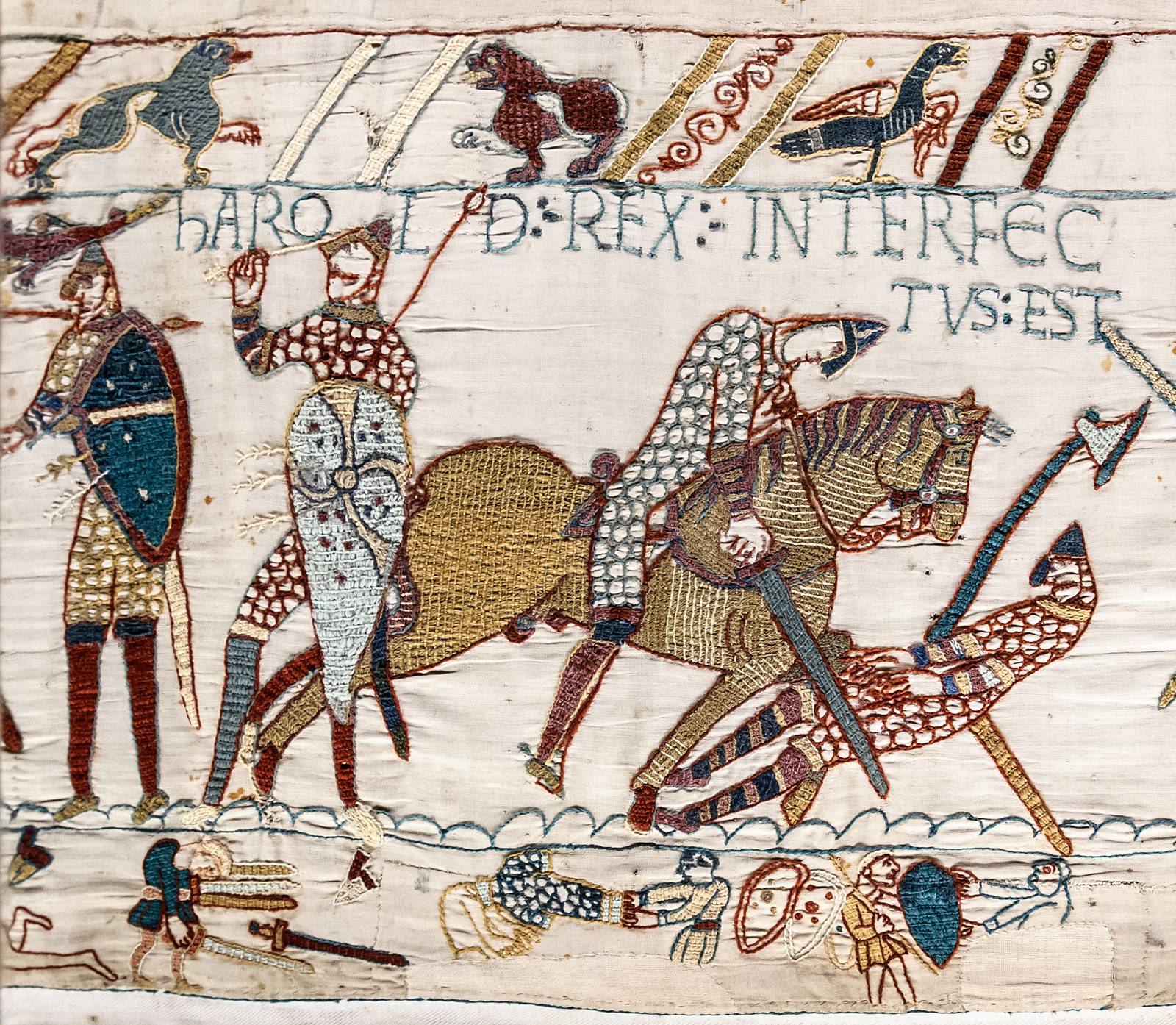
The Bayeux Tapestry is a unique medieval artefact with an extraordinary history. It has survived for almost a thousand years despite misuse, fire, revolution, exploitation and attempted theft. This lecture will trace its history.
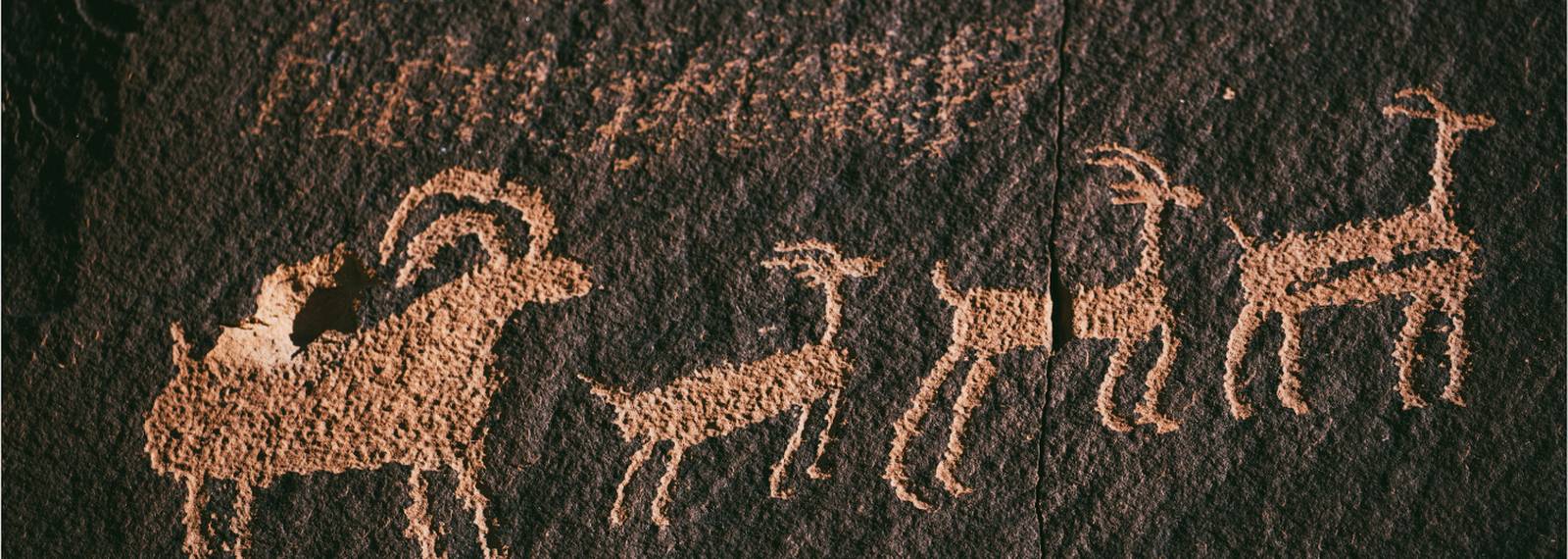
From hunting dogs to Silk Road camels and urban cats, this lecture series explores how animals shaped human history, using archaeology and history to uncover the deep entanglements between people and domestic species.