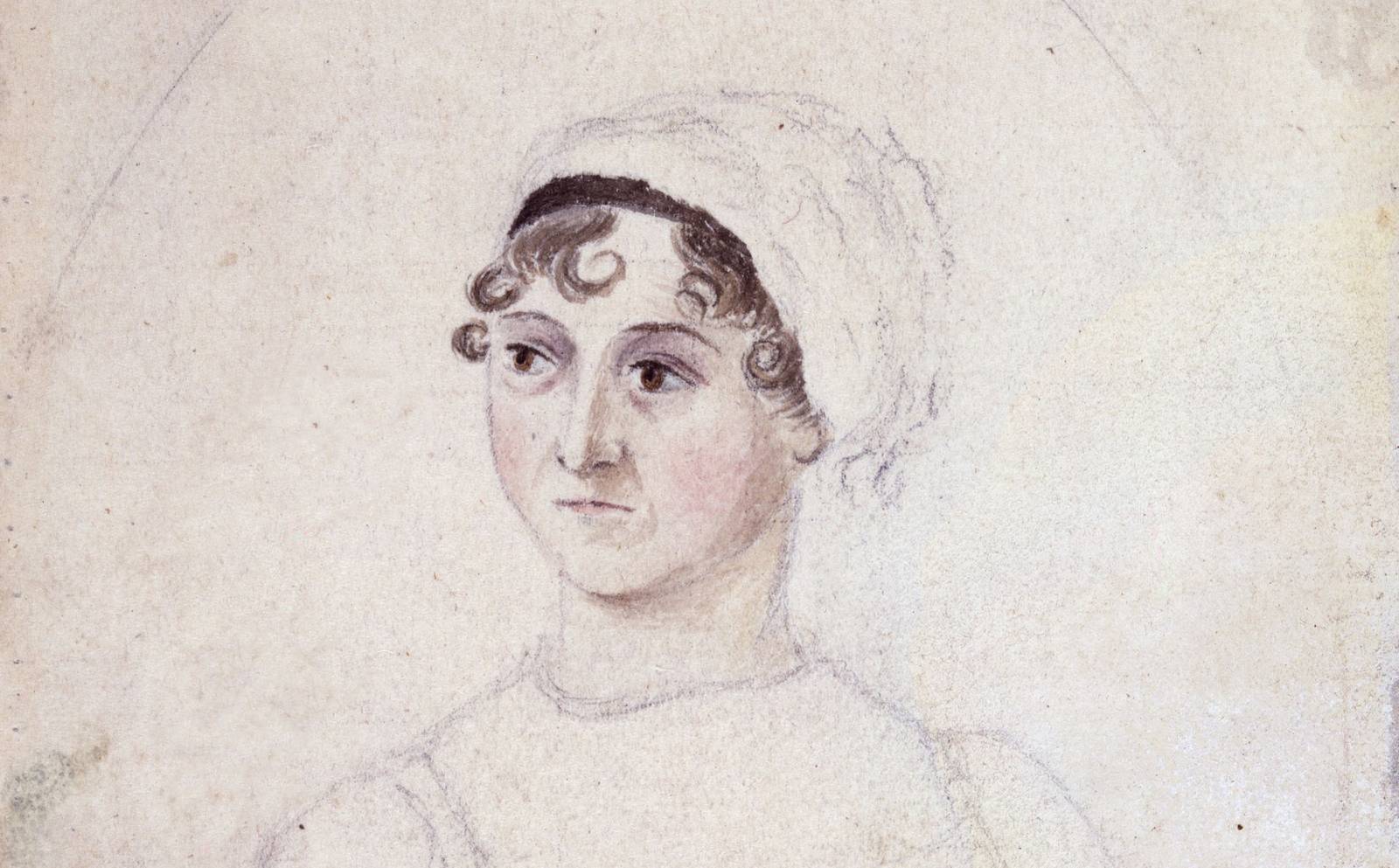
Assessing the disparate, fascinating protagonists of Jane Austen’s Northanger Abbey, Pride and Prejudice, and Mansfield Park to explore her wit, satire, and complex treatment of contemporary ideals of femininity.
Filter by:
Filters
Start month
Day of the week
Time of day
Assessing the disparate, fascinating protagonists of Jane Austen’s Northanger Abbey, Pride and Prejudice, and Mansfield Park to explore her wit, satire, and complex treatment of contemporary ideals of femininity.

This course will focus on works by four of the era's major figures - Anthony Trollope, George Eliot, Charles Dickens and Thomas Hardy - identifying how the century's main preoccupations find substance in the work of its greatest writers.

If you have ever been daunted by terms such as 'modernism', 'magic realism' or 'postmodern', this is the course for you.
This course is for anyone who would like to learn to read beneath the surface, pay attention to language and form, and become a critical reader.

Middle English literature is not all prayer and piety and men in armour. Find a rich cultural heritage in Middle English poems, plays and prose.
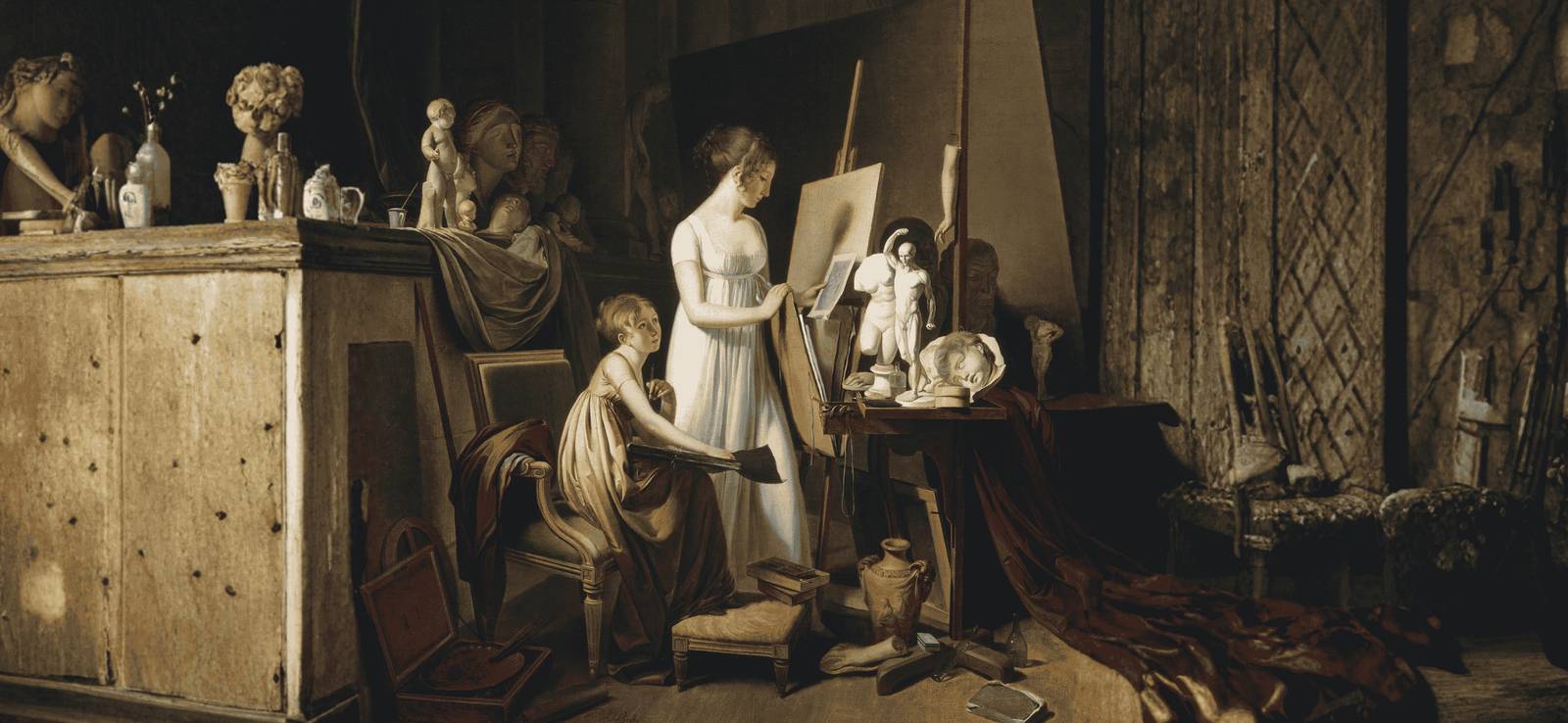
Many readers enjoy Austen's novels, but what makes them so special and enduring? Learn to analyse Austen's characteristic style and techniques and thus gain an enhanced appreciation of her art.

How did three sisters living apparently secluded, eventless lives write such original, passionate and dramatic literature? This course is for anyone who has read or would like to read the work of Charlotte, Emily, and Anne Brontë.

Literary theory offers powerful tools for understanding how texts work and why they matter. This course introduces key ideas in an accessible way, showing how theory can deepen your appreciation and enjoyment of literature.
Become a more attentive, appreciative and critical reader of literary texts on this weekly class in Oxford, with an emphasis on close critical analysis.

During this course, we shall spend time getting to know a range of Shakespeare's plays in detail, supplementing this knowledge with information about their historical background, their theatrical history, and current critical debates.
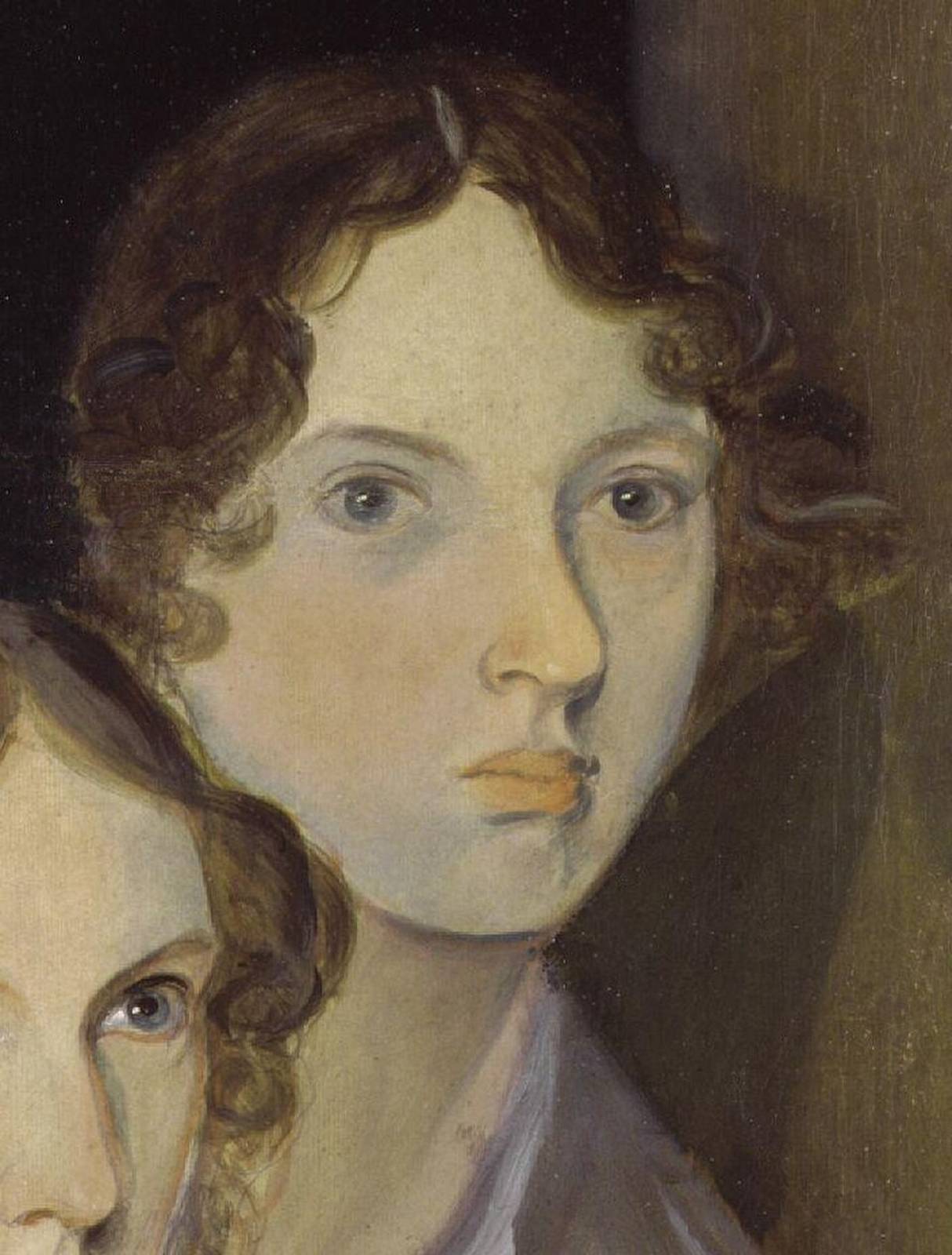
Huge changes occurred in 19th-century fiction – new subjects, new literary techniques. Here we shall explain and explore them. Authors include Jane Austen, Charles Dickens, Emily Brontë, Herman Melville, Gustave Flaubert and Charlotte Perkins Gilman.
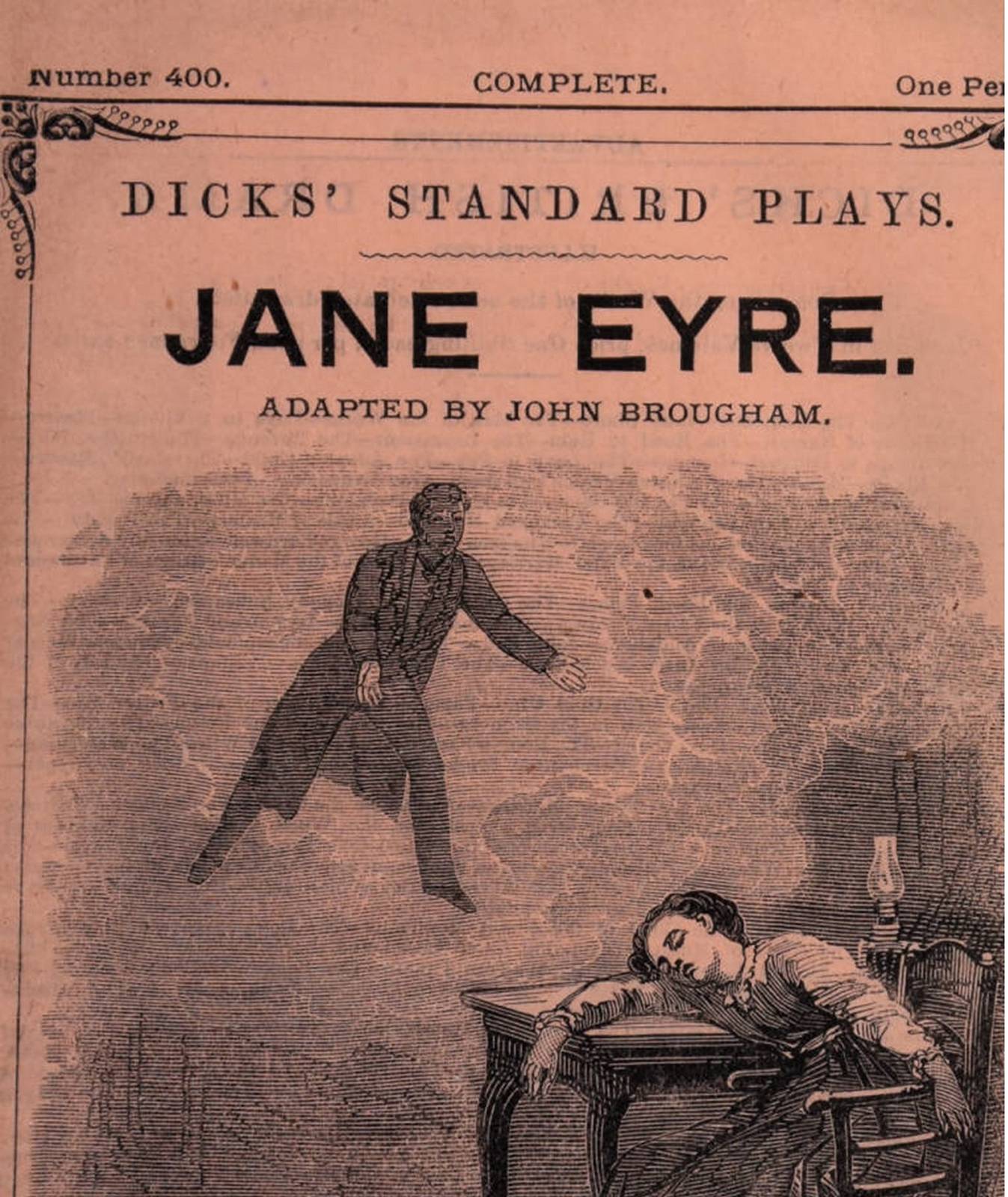
Provocative, iconoclastic, and disrupting the status quo for ‘polite’ Victorian readers, this day event considers how the Brontës and their writings continue to intrigue and inspire creativity in their afterlives and legacies.