
What was life like in Oxford during its time as Royalist Capital from 1642-46? Which key players were shaped in Oxford and how did they influence the politics of the day and the outcome of the War? Discover this and more on this walking tour.
Filter by:
Filters
Start month
Day of the week
Time of day
What was life like in Oxford during its time as Royalist Capital from 1642-46? Which key players were shaped in Oxford and how did they influence the politics of the day and the outcome of the War? Discover this and more on this walking tour.

This course will help anyone interested in using coaching, whether professionally, as a life skill, or to achieve better results in their work with others. Thought-provoking and practical, this course explores the theory and skills of good coaching.
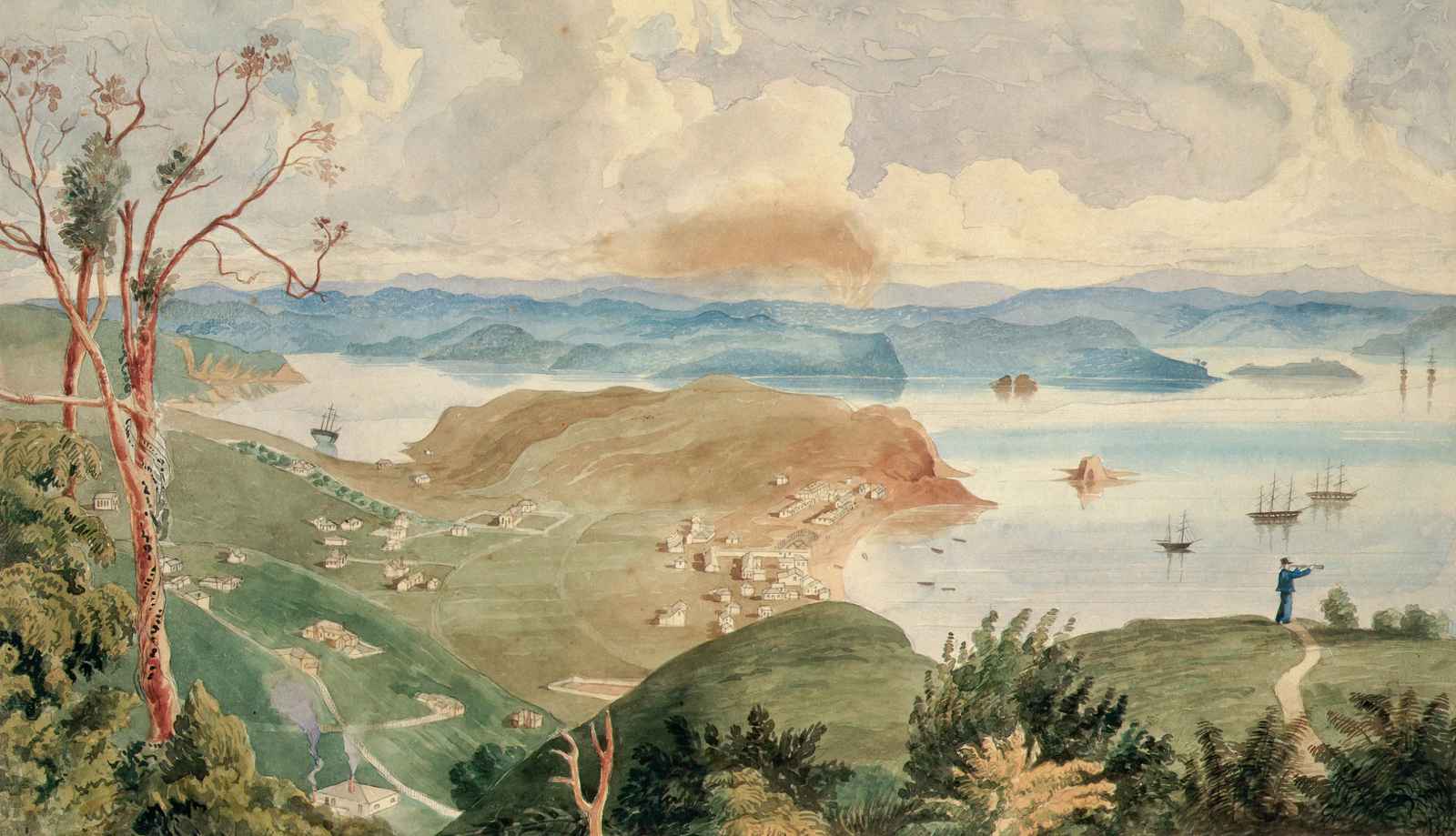
This course will give you a kaleidoscopic picture of colonialism as a dark and self-revealing experience, through the lenses of Joseph Conrad's Heart of Darkness, Virginia Woolf's The Voyage Out, and Katherine Mansfield's New Zealand stories.
This course is designed for anyone who would like to sing, but feels that they can't. Through a mixture of seminars and workshops, consideration will be given to various common vocal problems and their solutions.
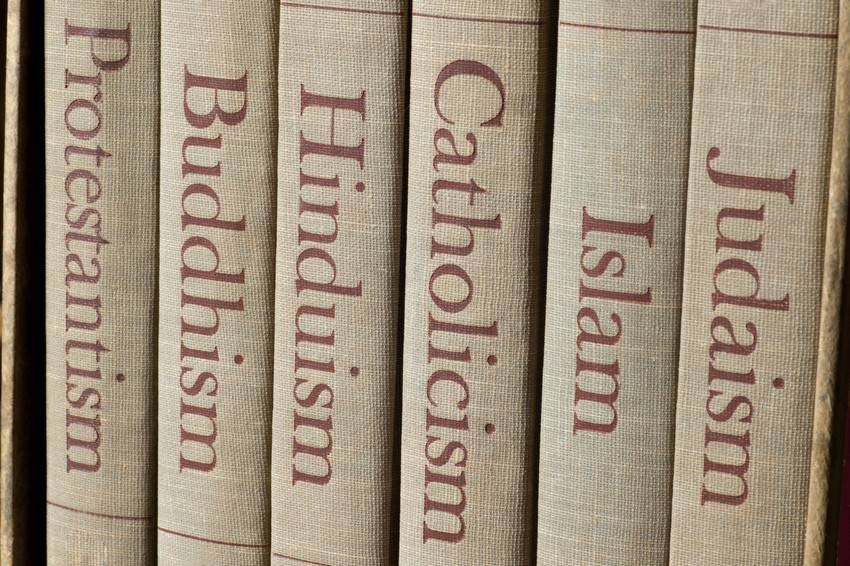
This course considers some of the foundations of Hinduism, Buddhism, Judaism, Christianity, and Islam: their birth and early historical development, key text(s), and some of their fundamental beliefs and practices.
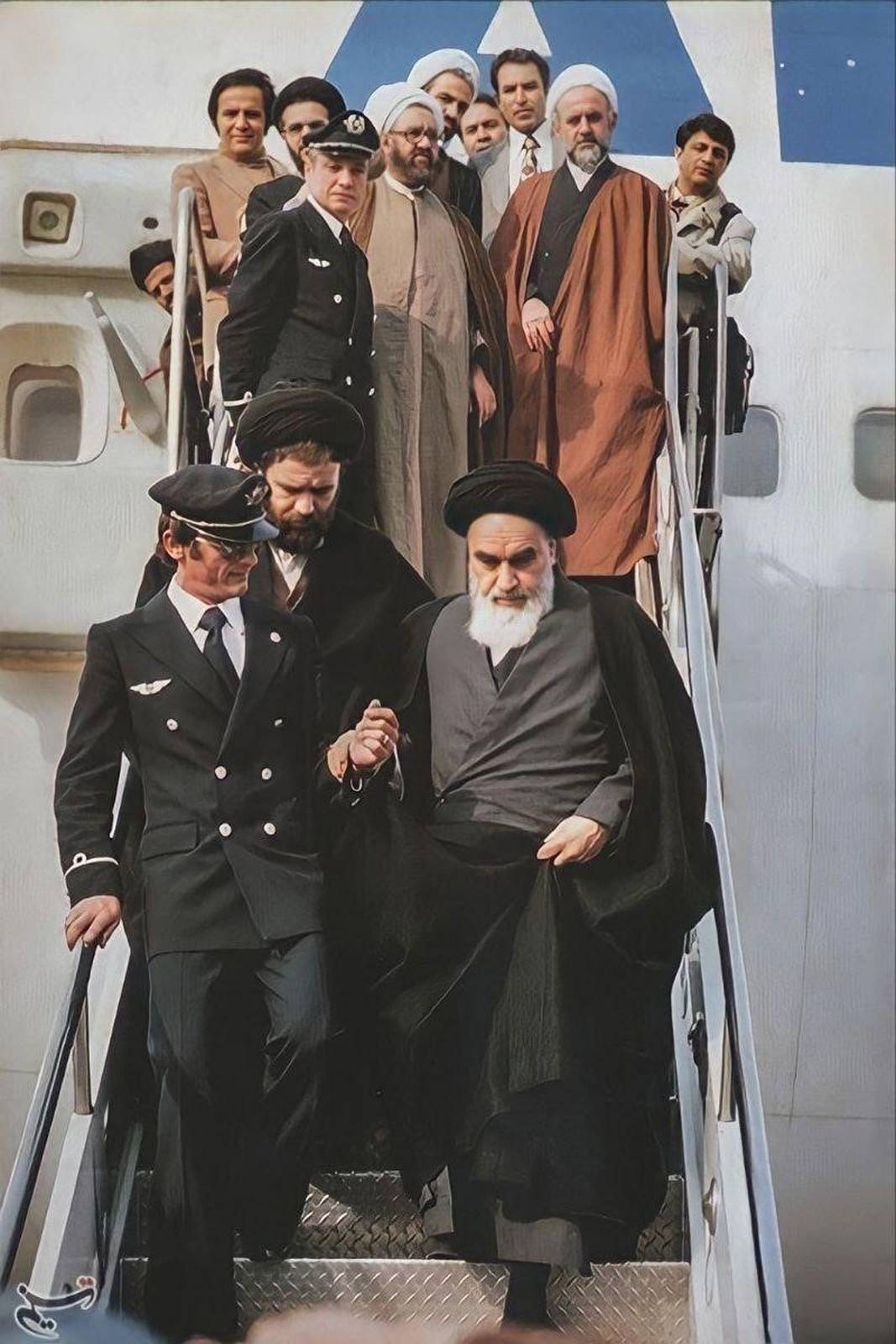
The touchstones of Shia Iran are its ancient culture, sensitivity to Anglo-US perfidy and stifling of Iranian democracy, and its hostility to Israel and to Sunni Saudi Arabia. A ruthless but modern monarchy was replaced by a brutal 'Islamic' republic.
Improve your Italian language skills to interact with a high degree of fluency, spontaneity and precision across a wide range of contexts.

Improve your Italian language skills to interact with a degree of fluency and spontaneity in a range of contexts with this 10-week intermediate-level course.

Everyone has an interesting life story and this course will enable you to present your own. We shall consider different ways of exploring the life of an individual in ways which recognise each person as unique.

How does the brain build, store, and lose memories? From infant learning to ageing and dementia, this course explores the neuroscience and psychology of memory through cutting-edge research and real-world cases.
Explore the definition and components of emotions, and discover how they shape our thoughts, perceptions and behaviours. Previous learners have included coaches, nurses, artists, social workers, and those interested in what makes people tick!

Want to learn how to write fiction, or hone your skills? This course demystifies the process and craft of fiction writing with many practical tips and tricks. The emphasis is on learning through doing your own writing, in a fun and supportive atmosphere.