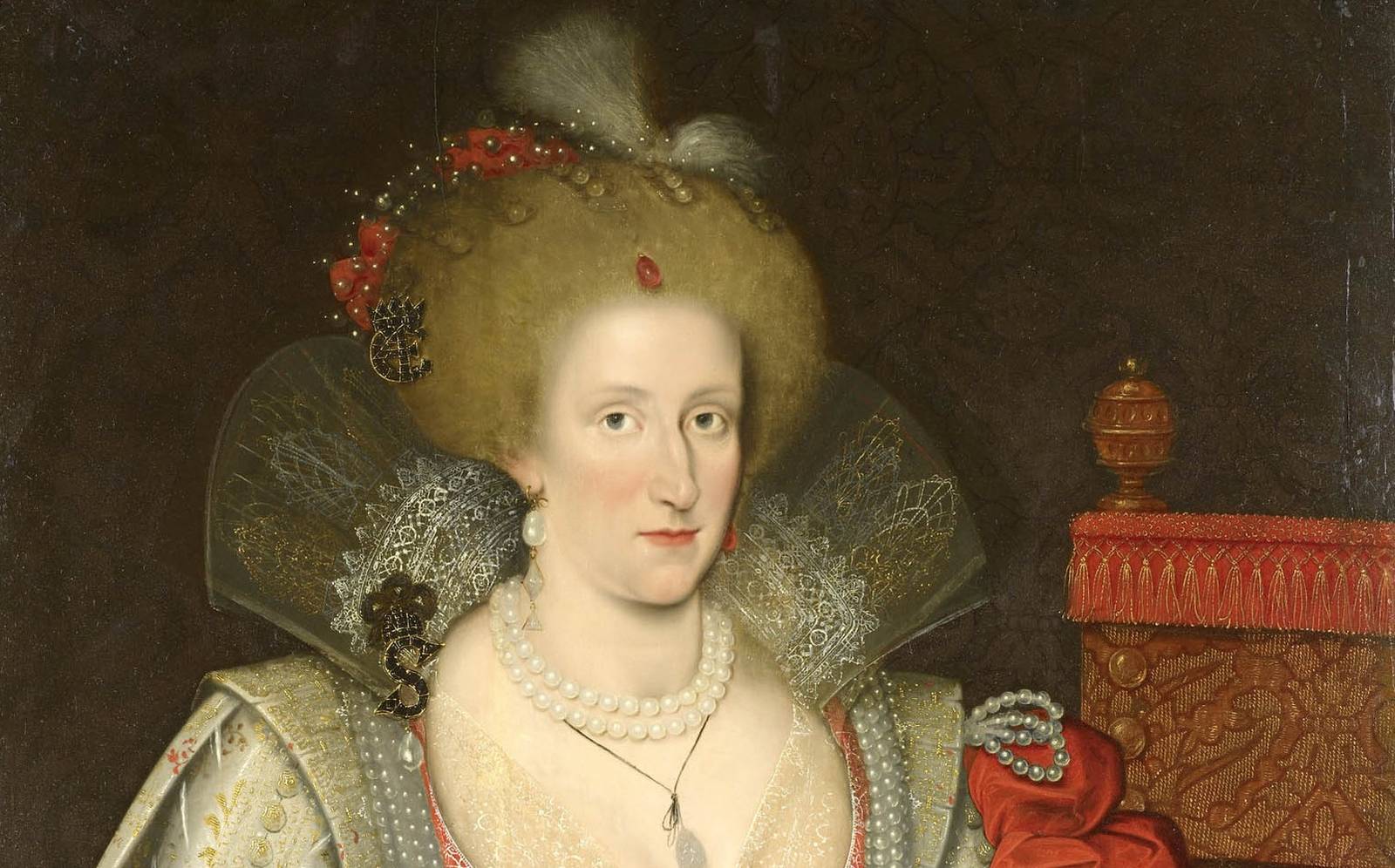
This lecture examines Anna of Denmark, and her impact on politics and the arts.
Filter by:
Filters
Start month
Day of the week
Time of day
This lecture examines Anna of Denmark, and her impact on politics and the arts.

We will take a brief look at the workings of the brain, and how psychologists describe the functions of attention, perception and memory. Explore how these processes can work to fool us, and what we have learned from dysfunction.

Examine the decisive vote to remain in the EEC, and the success of the 'yes' campaign.
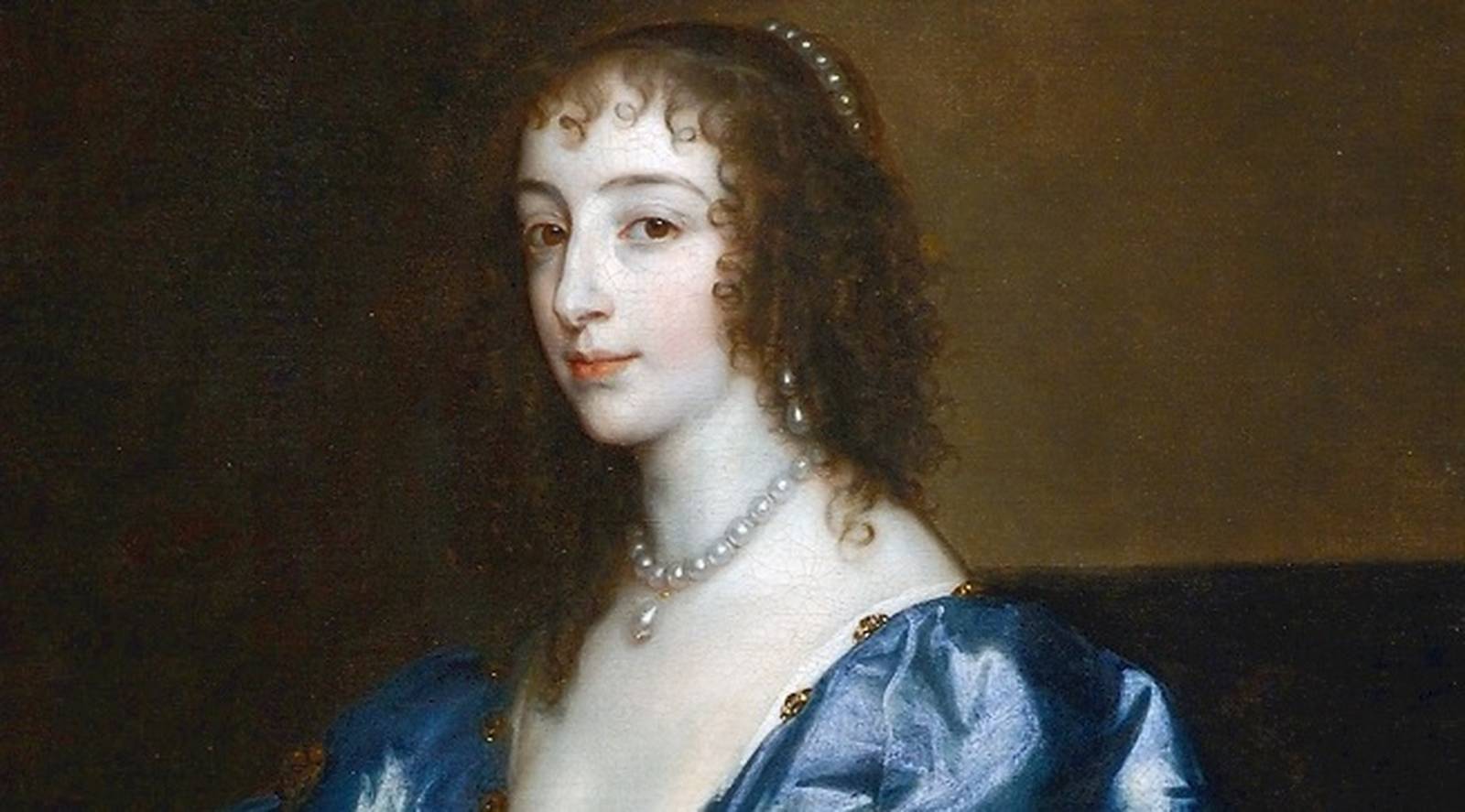
This lecture examines Henrietta Maria, wife of Charles I, and her political role and patronage of the arts.
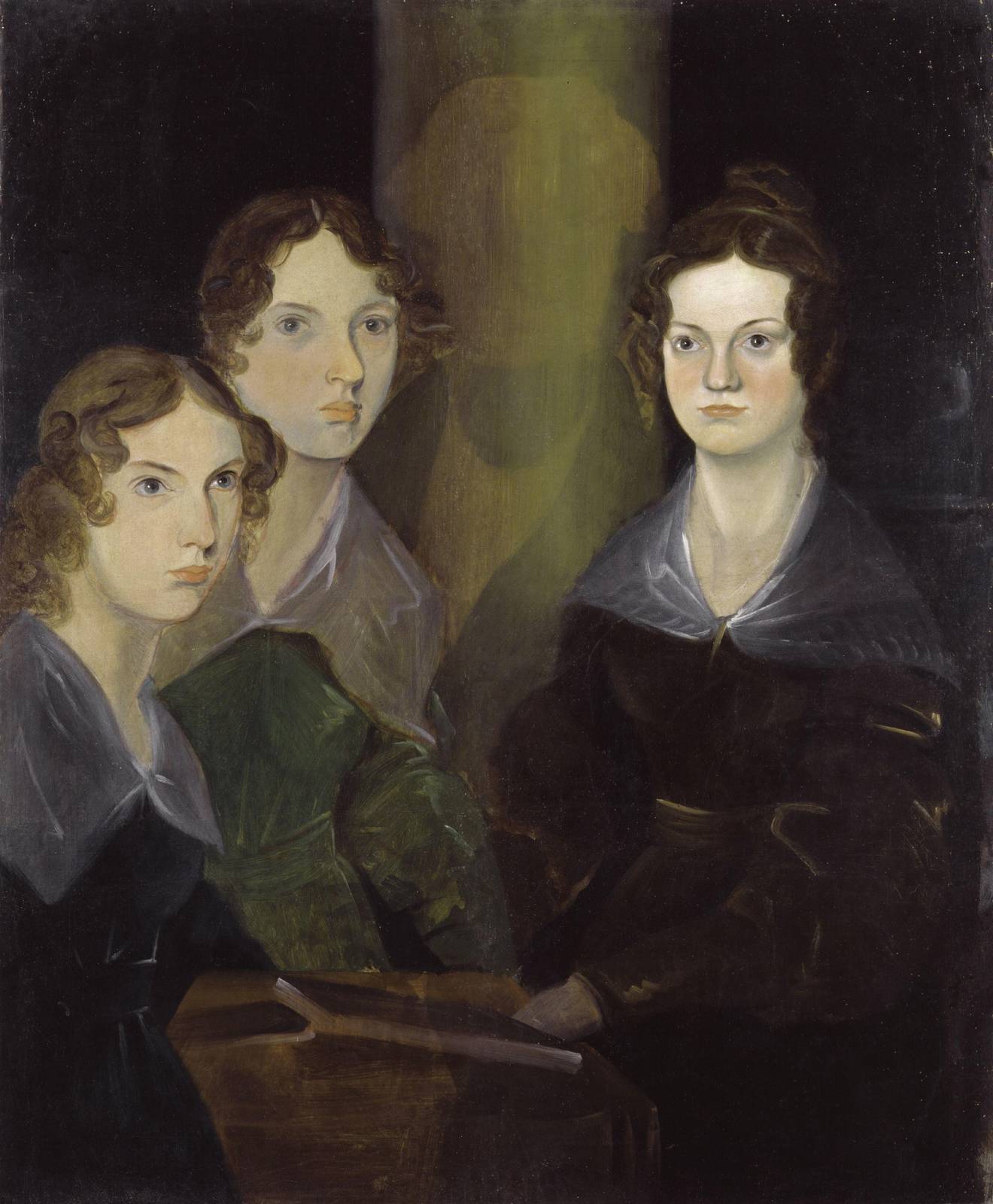
This lecture will introduce the Brontë sisters and Jane Eyre, exploring its style, themes, key passages, and debates around Rochester, narration, the supernatural, and the novel’s controversial dedication to Thackeray.
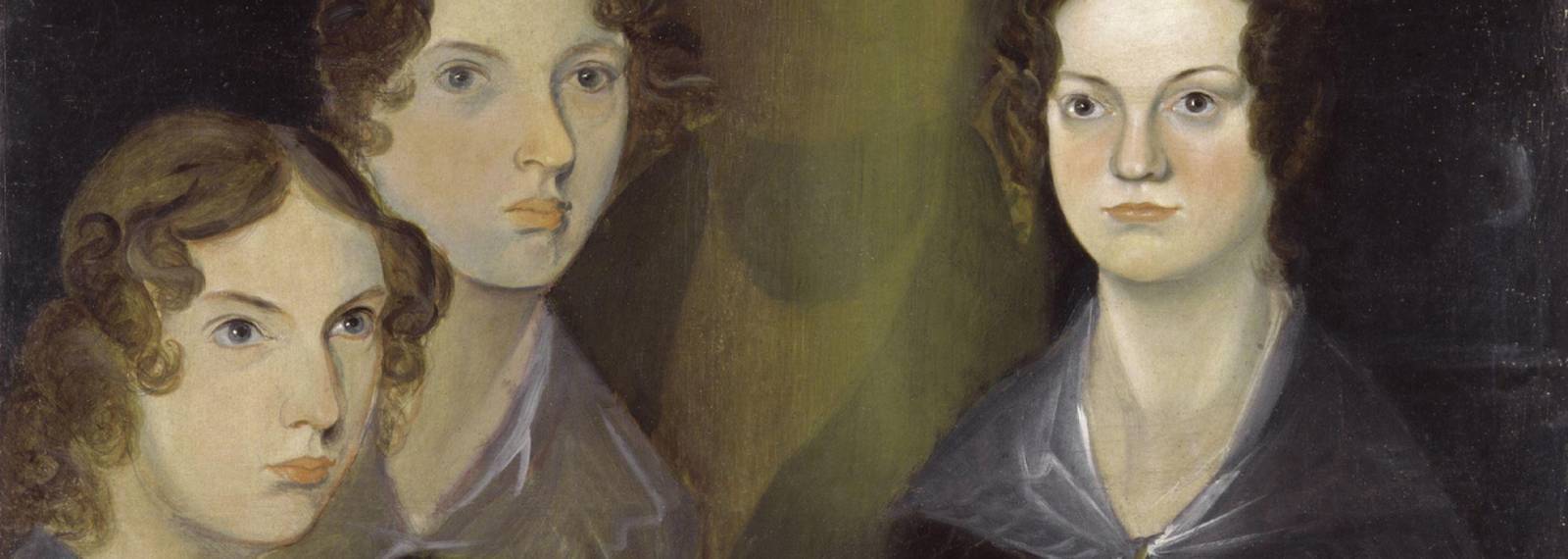
This lecture series will explore the lives and works of Anne, Charlotte, and Emily Brontë, examining how their remarkable imaginations produced six original, complex, and ground-breaking novels despite their confined lives.

Positive Psychology offers a direct approach to help people create strategies towards wellbeing. Changing our interpretation of the world can help us feel happier, healthier, more positive, and become more resilient. Learn more at this online workshop.
Covering the process of undertaking a randomised trial, focusing on the practicalities of organising and running trials.
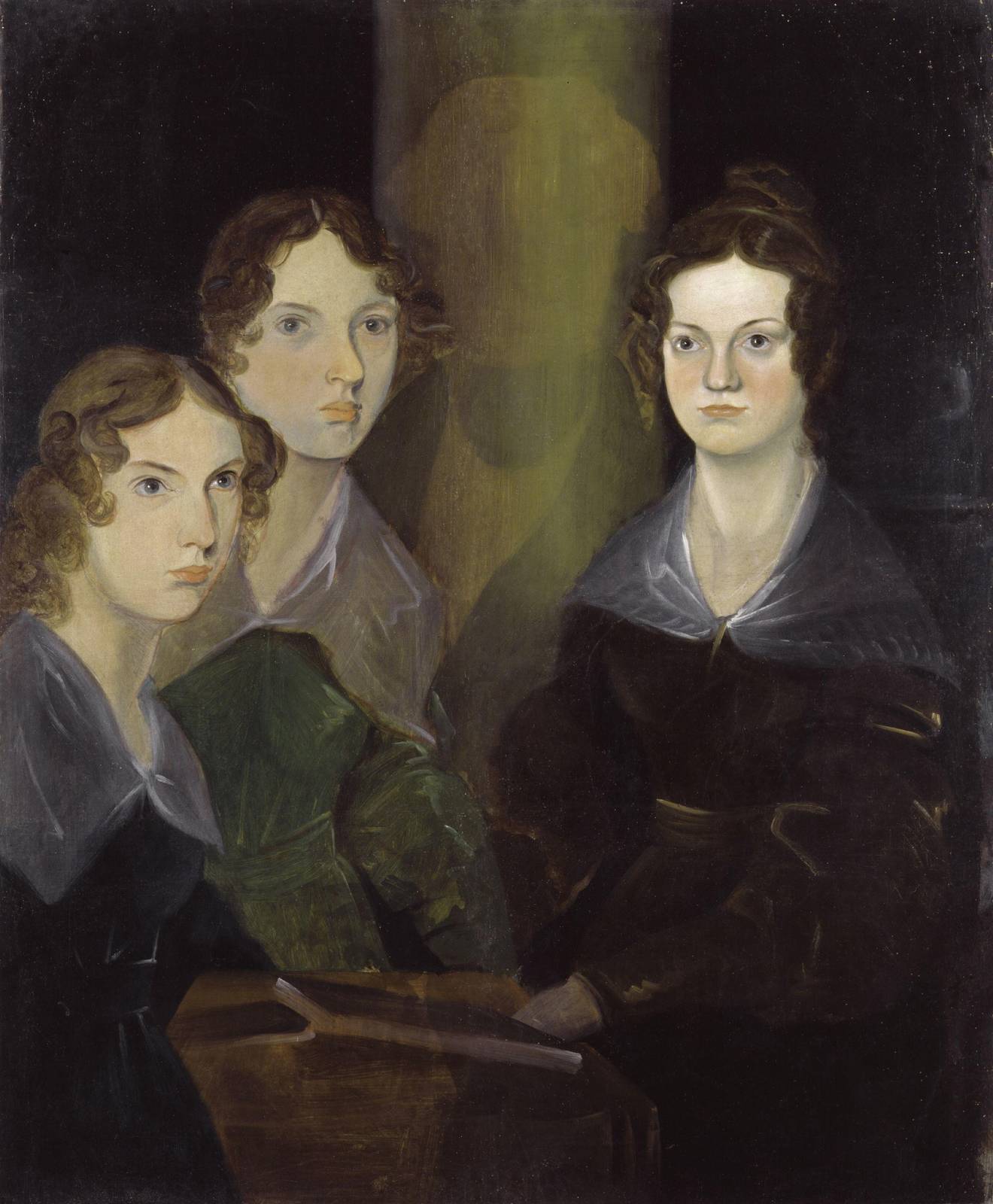
This lecture will explore Villette, examining Lucy Snowe’s unusual character, Brontë’s use of defamiliarization and withholding, the spectral nun, and the novel’s ambiguous and unexpected ending.

Life writing – whether memoir, biography, literary non-fiction, eye-witness accounts, blogs (the list goes on) – can be very powerful when told with brevity. Short-form writing is an end in itself; it also helps us focus on our writerly craft.

Learn how to perform several highly useful statistical significance and hypothesis tests in R at this online day school. This includes, but is not limited to, t-tests, A/B, permutation, ANOVA, chi-squared, Fisher's Exact and Shapiro-Wilk tests.
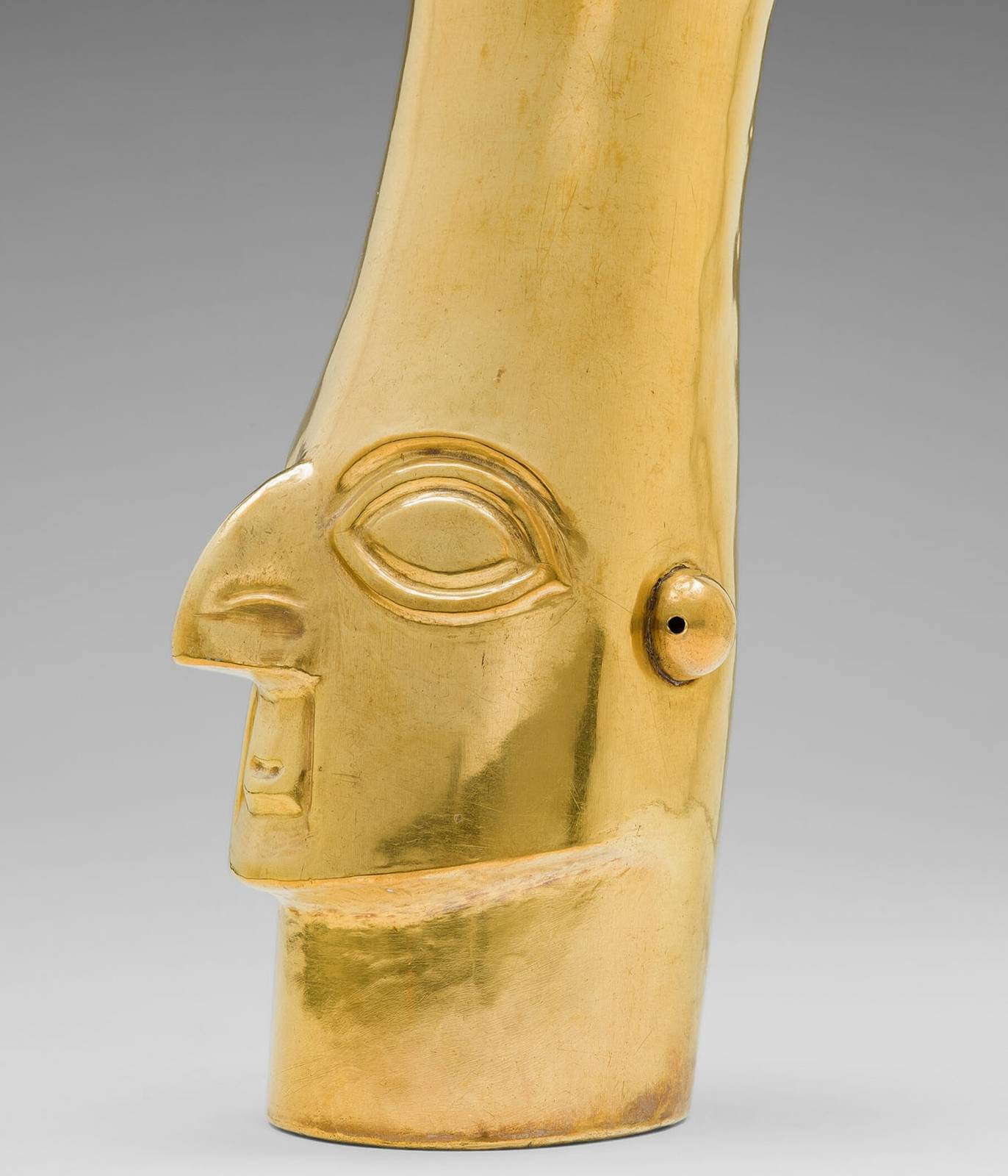
What makes gold sacred? Discover how artists in the Americas used this radiant material to create dazzling works of art, blending Indigenous traditions and Christian imagery in the Renaissance and Baroque.