

Explore the language and culture of French-speaking countries through this interactive class. A Lower Intermediate continuation course providing progression for students who completed French: Lower Intermediate - Part 1.
Filter by:
Filters
Start month
Day of the week
Time of day
Explore the language and culture of French-speaking countries through this interactive class. A Lower Intermediate continuation course providing progression for students who completed French: Lower Intermediate - Part 1.

This global course analyses one of the most controversial public policy issues of the 21st century: how to regulate international labour migration and the rights of migrant workers.

This introductory course will explore the main stylistic and iconographic themes in Islamic art and highlight the diversity of its expressions.
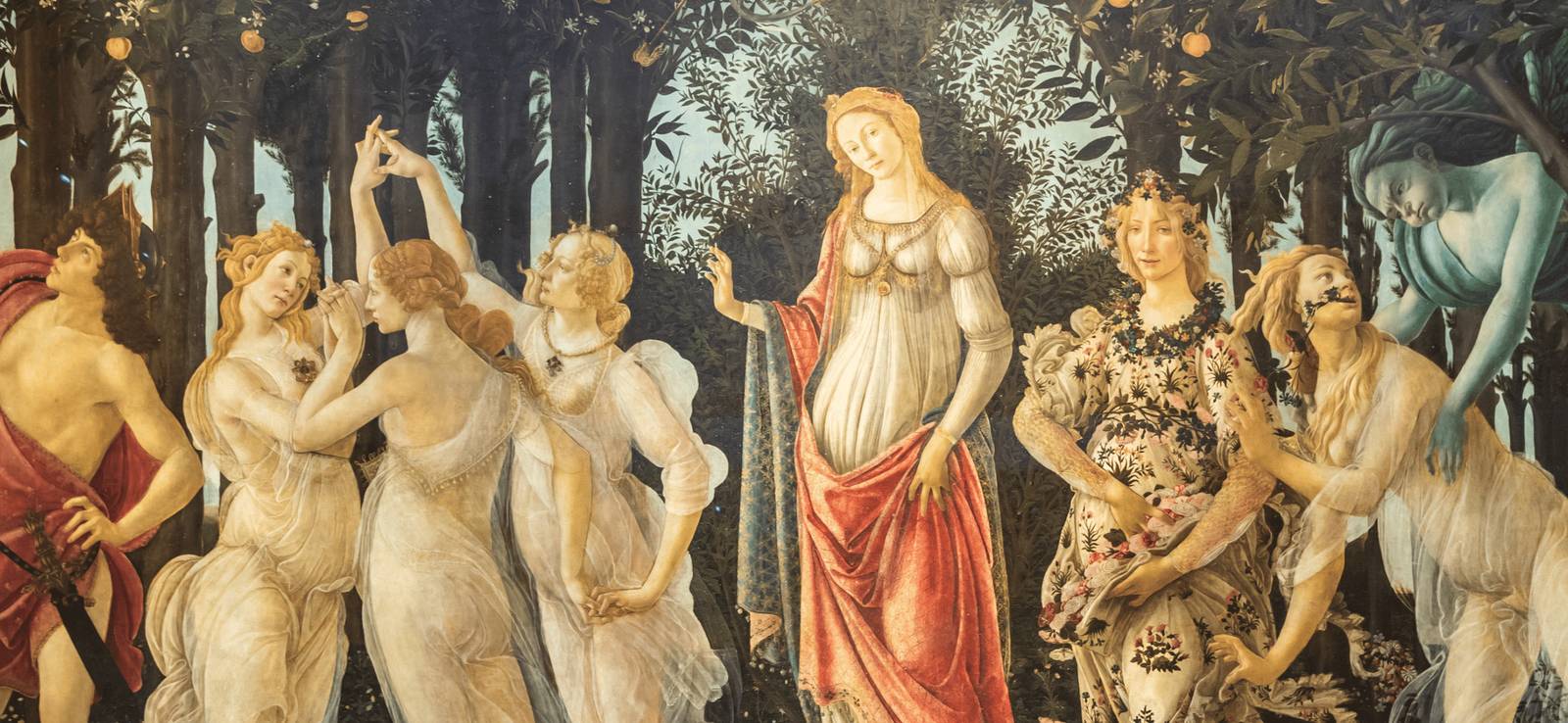
Deepen your understanding of Early Renaissance to High Renaissance art, the role of patronage, and how the Renaissance continues to influence modern creativity.

An interactive course to further develop your basic Italian language skills and enjoy exploring the culture. New students, who have not completed 'Beginners - Part 1', whose proficiency in the language is appropriate for the course level are very welcome.

Explore the language and culture of Italian-speaking countries through this interactive class. New students, who have not completed 'Lower Intermediate - Part 1', whose proficiency in the language is appropriate for the course level are very welcome.

This course aims to give students an introduction and overview of that architectural tradition enabling students to 'read' the architecture of the contemporary built environment in a critically informed way.

Literary theory offers powerful tools for understanding how texts work and why they matter. This course introduces key ideas in an accessible way, showing how theory can deepen your appreciation and enjoyment of literature.

Gain insight into programming tools for machine learning and artificial intelligence using Python. Learn how to build a machine learning pipeline, comprising exploratory data analysis, data preparation, model training and evaluation.
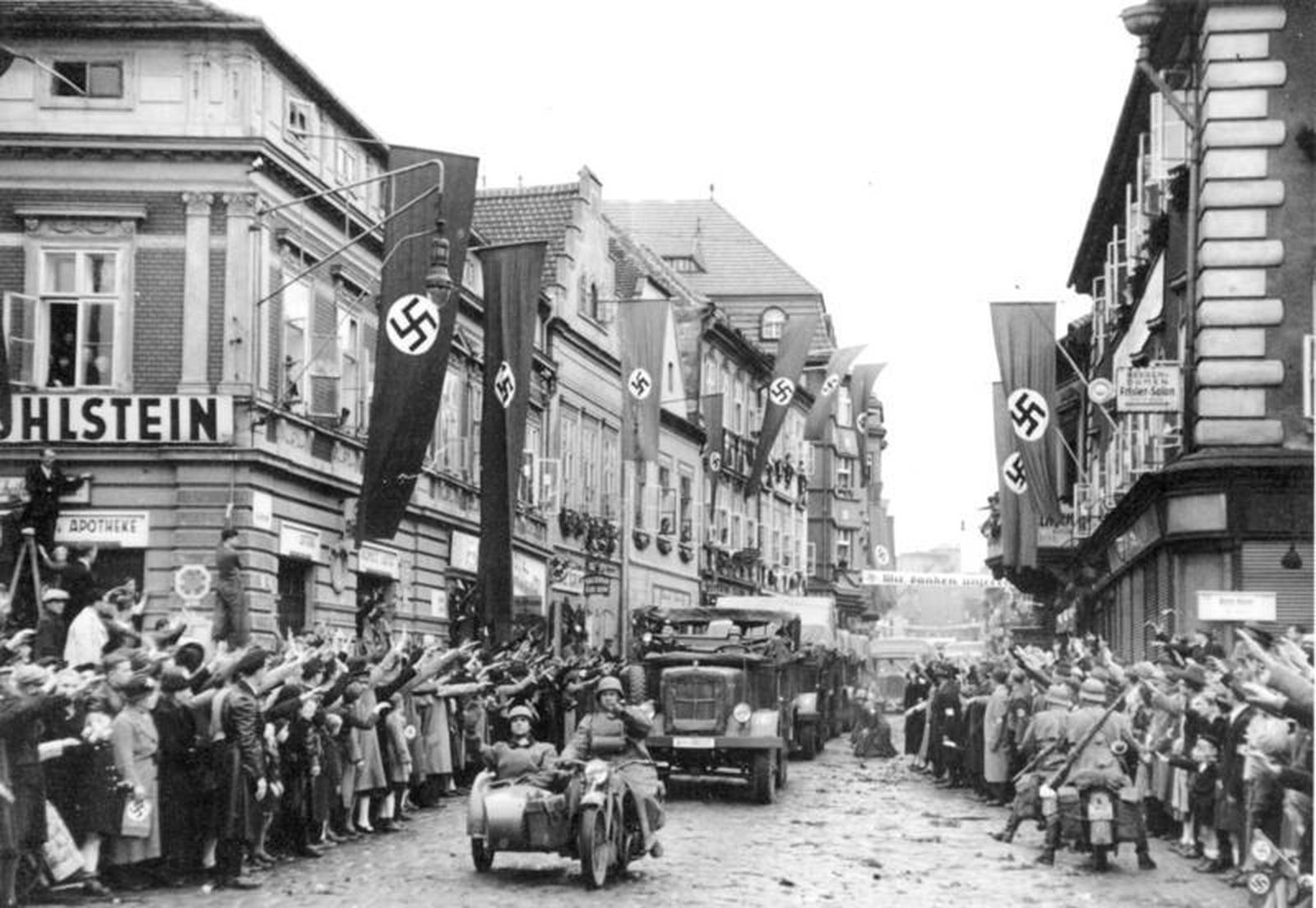
Explore Hitler’s ‘Third Reich’ between the Nazi seizure of power and the start of WWII. We will examine the political consolidation of the Nazi regime, its attempts to transform Germany’s economy and society, and its impact on every aspect of German life.

This course introduces key issues in the philosophy of science, including debates about the nature of the scientific method, theories of confirmation, the demarcation of science from non-science, the rationality of theory change, and scientific realism.

Political philosophy contains some of the greatest writings in the Western intellectual tradition. This online course introduces you to the central questions concerning the state, by means of classical and contemporary texts.