
Gain insight into the most important programming tools using the Python programming language, for obtaining data, bringing it into a usable form, exploring and modelling it, and for presenting discoveries to a wider audience.
Filter by:
Filters
Start month
Day of the week
Time of day
Gain insight into the most important programming tools using the Python programming language, for obtaining data, bringing it into a usable form, exploring and modelling it, and for presenting discoveries to a wider audience.

A ten-week course taken entirely online. It explains the mathematical foundations for nanoscale phenomena, as well as their effects and applications including quantum dots, nanotubes and fullerenes.
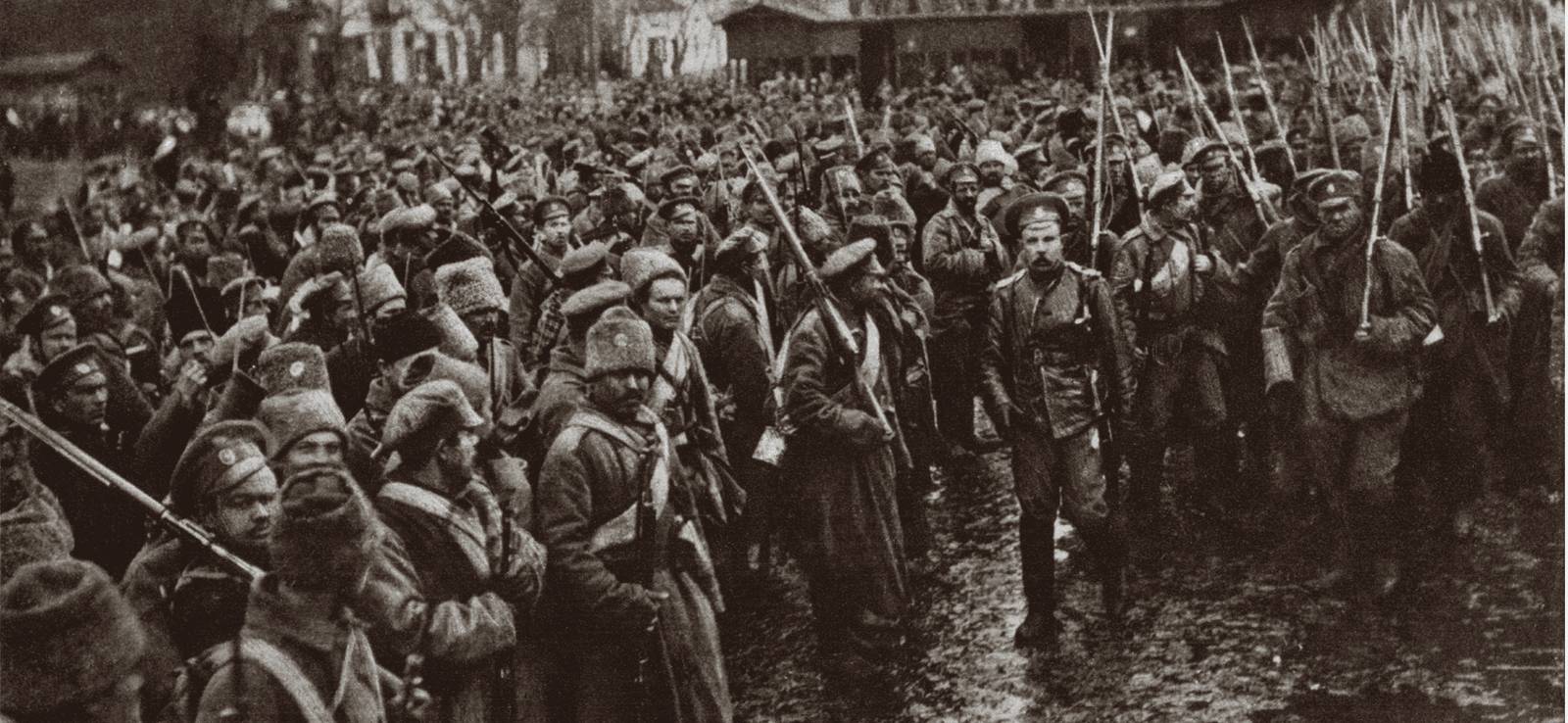
The Second World War’s origins lay in the economic and political instability which dominated the years after 1919. During this short online course, explore and analyse how such a terrible conflict could have started.
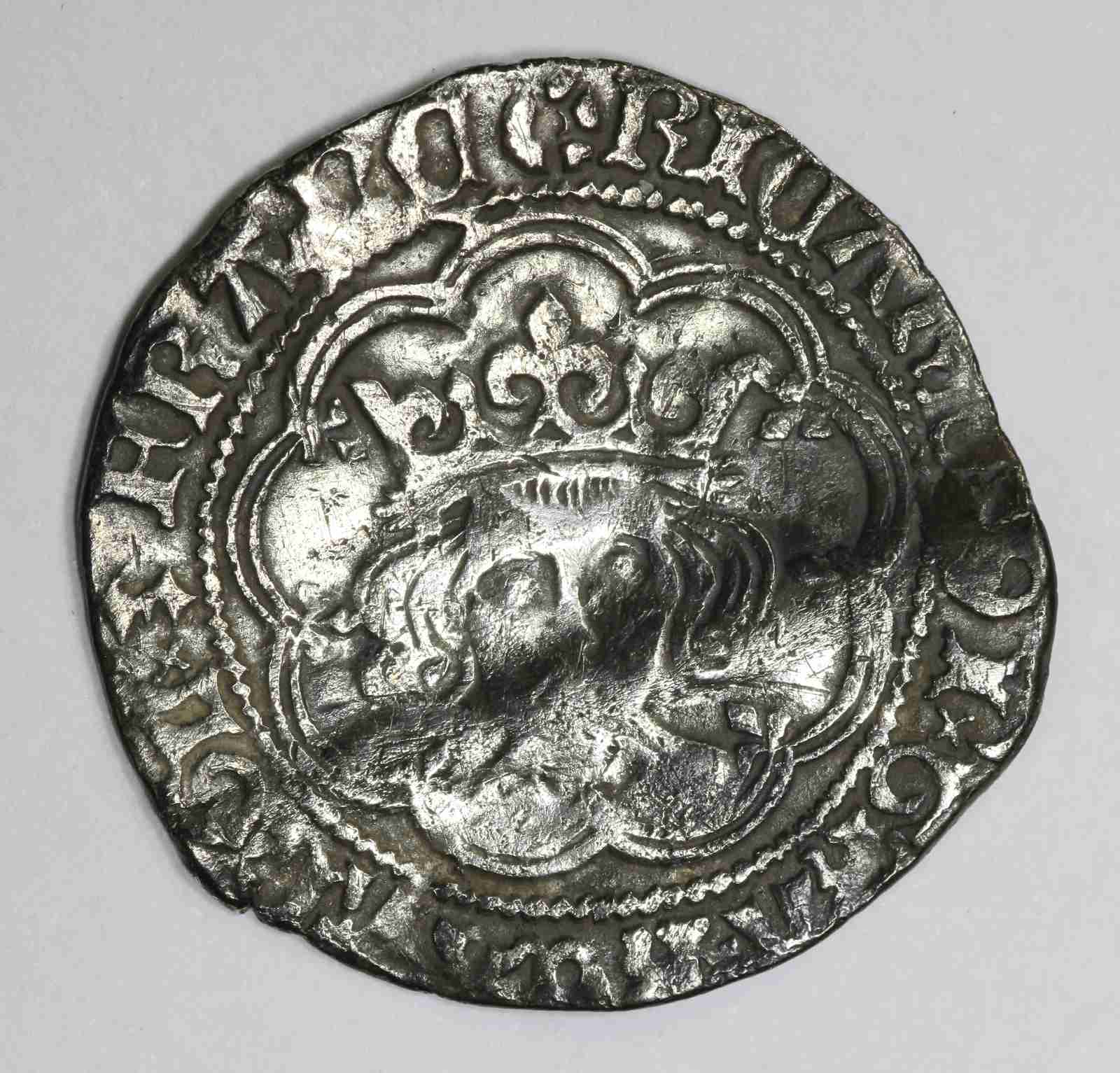
The recent discovery of Richard III's remains in Leicester highlights the dynamic new research being conducted into the period known as the Wars of the Roses. This course asks students to engage with the latest work on this exciting and tumultuous period.

This course will focus on works by four of the era's major figures - Anthony Trollope, George Eliot, Charles Dickens and Thomas Hardy - identifying how the century's main preoccupations find substance in the work of its greatest writers.

Biodiversity loss is evident no matter where we live. To reverse the current decline, we need to understand how individual species interact with their environment, while also appreciating the practical strategies to monitor and conserve species.
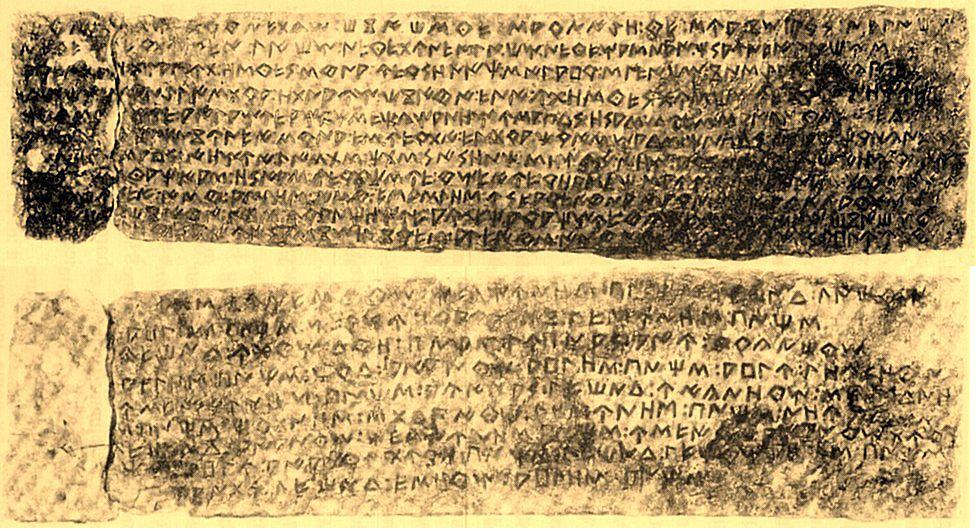
What do we really know about the Celtic world? These ancient communities left us captivating artefacts and imposing earthworks, but also with more subtle clues from which we can tease out the origins of the peoples who have come to be known as the Celts.

In World Archaeology we explore the emergence of past societies in multiple regions of the Earth. Some are mysterious and lost in the mists of time, while others underpin cultures that exist in our world today.

Is there a true story that only you can tell? This course is designed to provide you with the skills you need to turn experiences, recollections and real-life phenomena into literary works that are enjoyable and accessible to a wider audience.
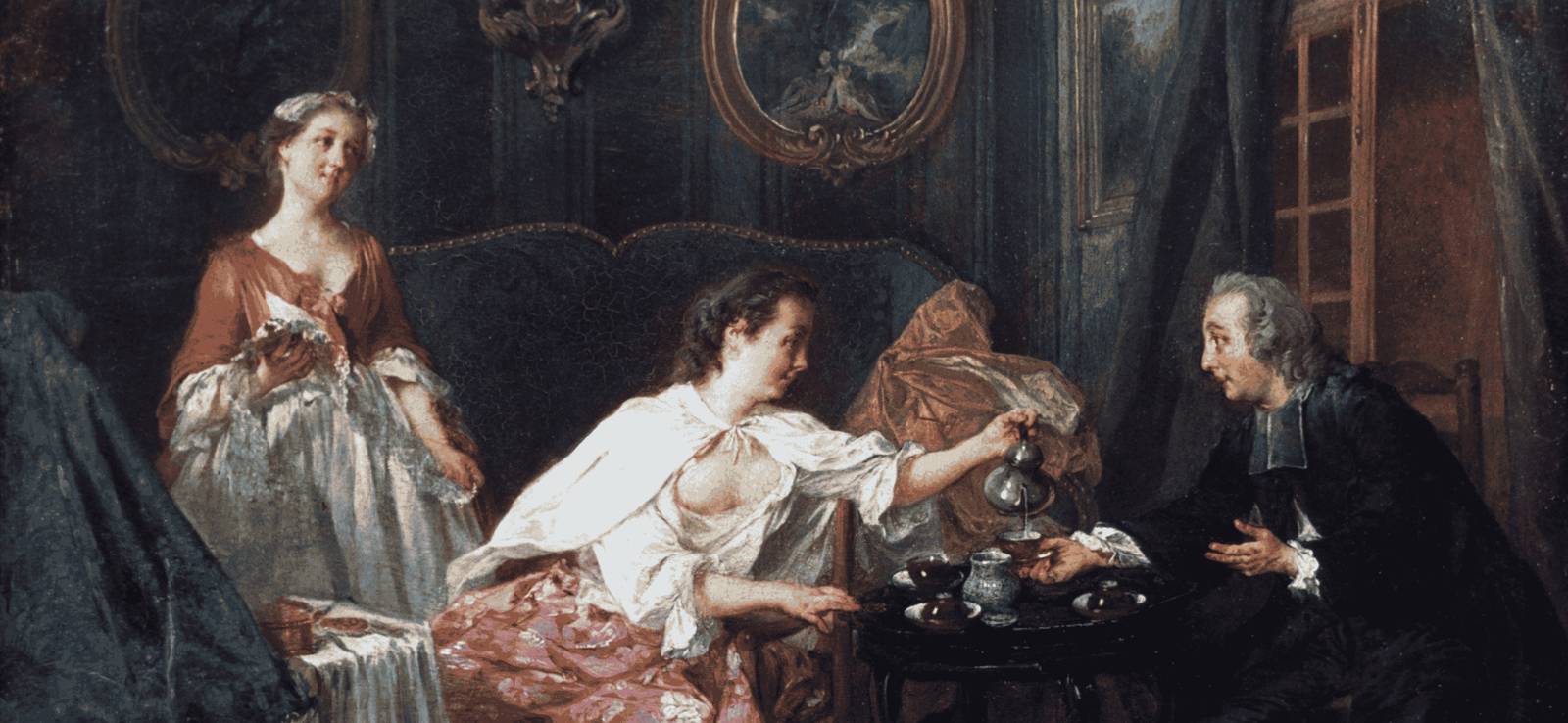
This course examines the social, economic, religious, and political contexts under which women have always made art, but have largely been marginalised in its formal histories and markets.

The course focuses on analysing original passages from some of the greatest ancient Greek authors, tackling some challenging grammatical and syntactical phenomena and learning about ancient Greek culture and thought.

This course introduces the archaeology of ancient South Asia. From the mighty Himalayas in the north to the waters of the Indian Ocean in the south, we will explore the archaeology and very early history of the region from 3000 to 500 BCE.