
Complete the beginner’s level of Biblical Hebrew by review and consolidation of what has been learned in Parts 1 and 2, deepening knowledge of linguistic structures and increasing confidence.
Filter by:
Filters
Start month
Day of the week
Time of day
Complete the beginner’s level of Biblical Hebrew by review and consolidation of what has been learned in Parts 1 and 2, deepening knowledge of linguistic structures and increasing confidence.

Businesses need to make a profit to survive and thrive. Where do ethical considerations fit into this? How should they treat their workers, customers and society? Join this short course to discuss how ethics apply in the world of business.
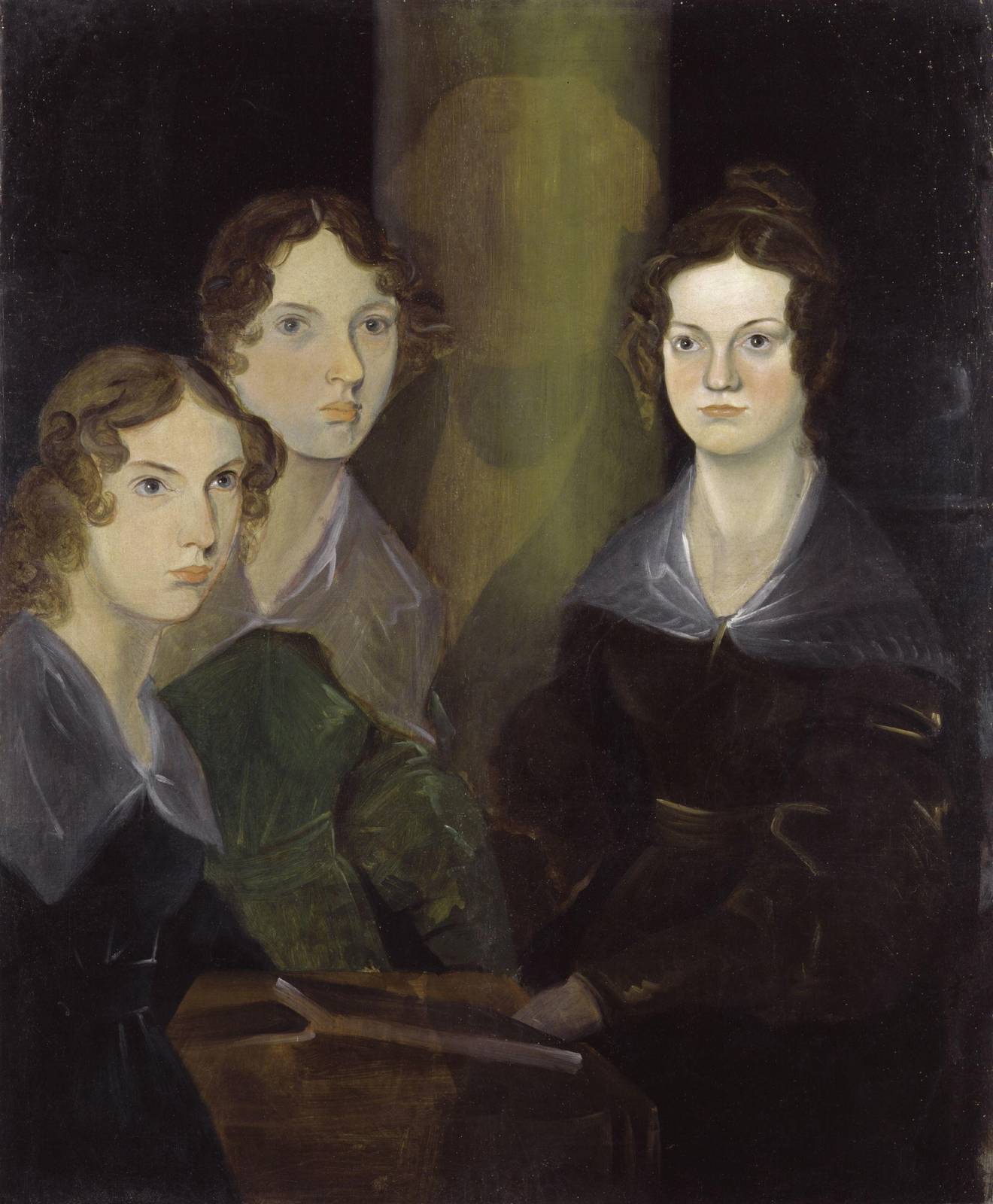
This lecture will explore Wuthering Heights, examining Heathcliff’s origins and moral ambiguity, the novel’s complex structure and doublings, its ambiguous ending, and the enduring legacy of the Brontës nearly 180 years on.

Infectious disease modelling utilises data and our understanding of disease biology to provide public health insights. Aimed at a general audience, this course will cover methods for modelling disease transmission in statistical programming language R.

Linear algebra and its matrices appear throughout the sciences and in the mathematical parts of the social sciences. This basic course is a prerequisite to understanding advanced mathematics and myriad closely and distantly related quantitative fields.
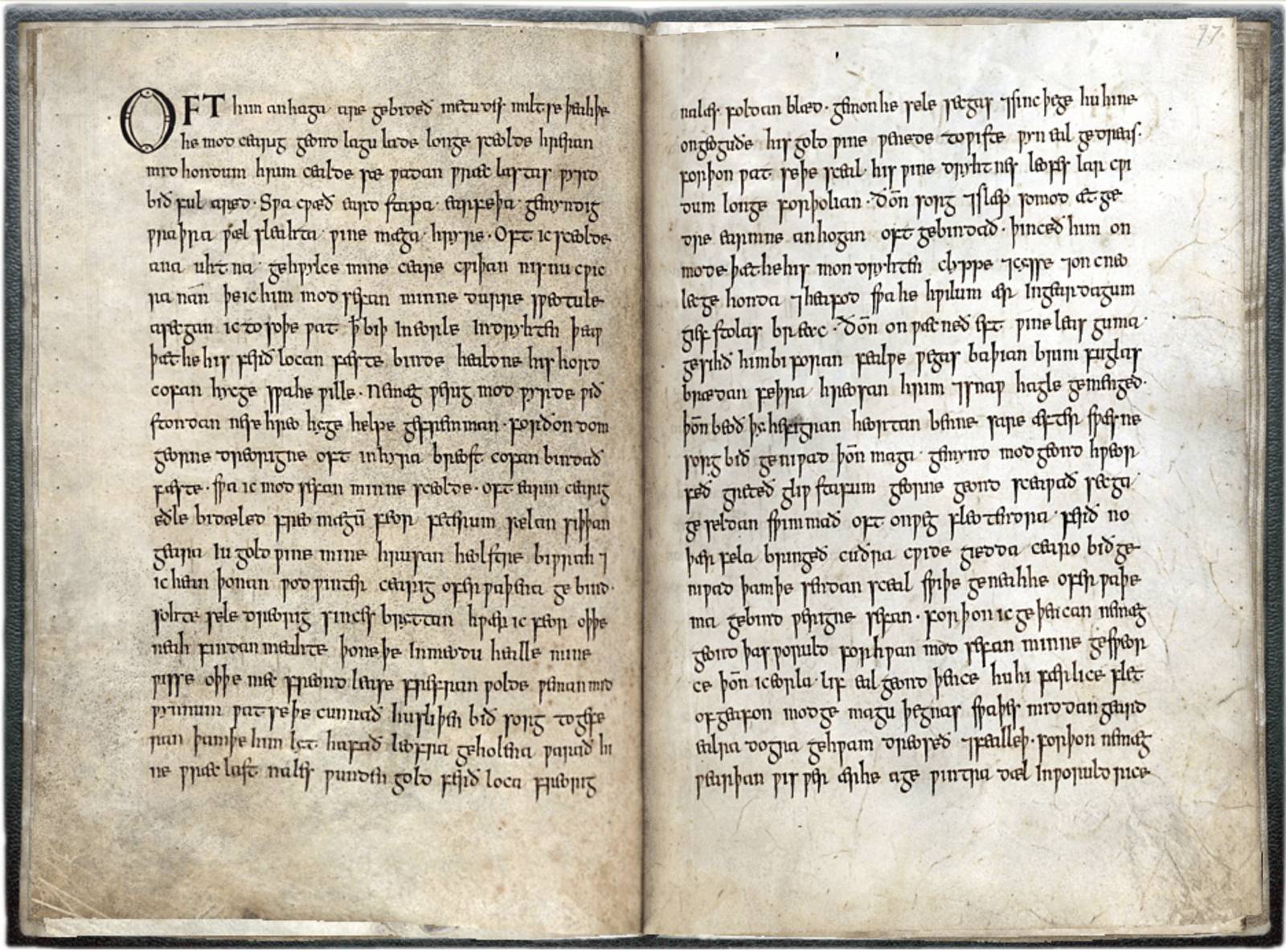
This course develops students’ knowledge of Old English, building on the grammar introduced in the Beginners module and extending their engagement with increasingly complex linguistic structures and textual features. Through a range of prose and verse tex
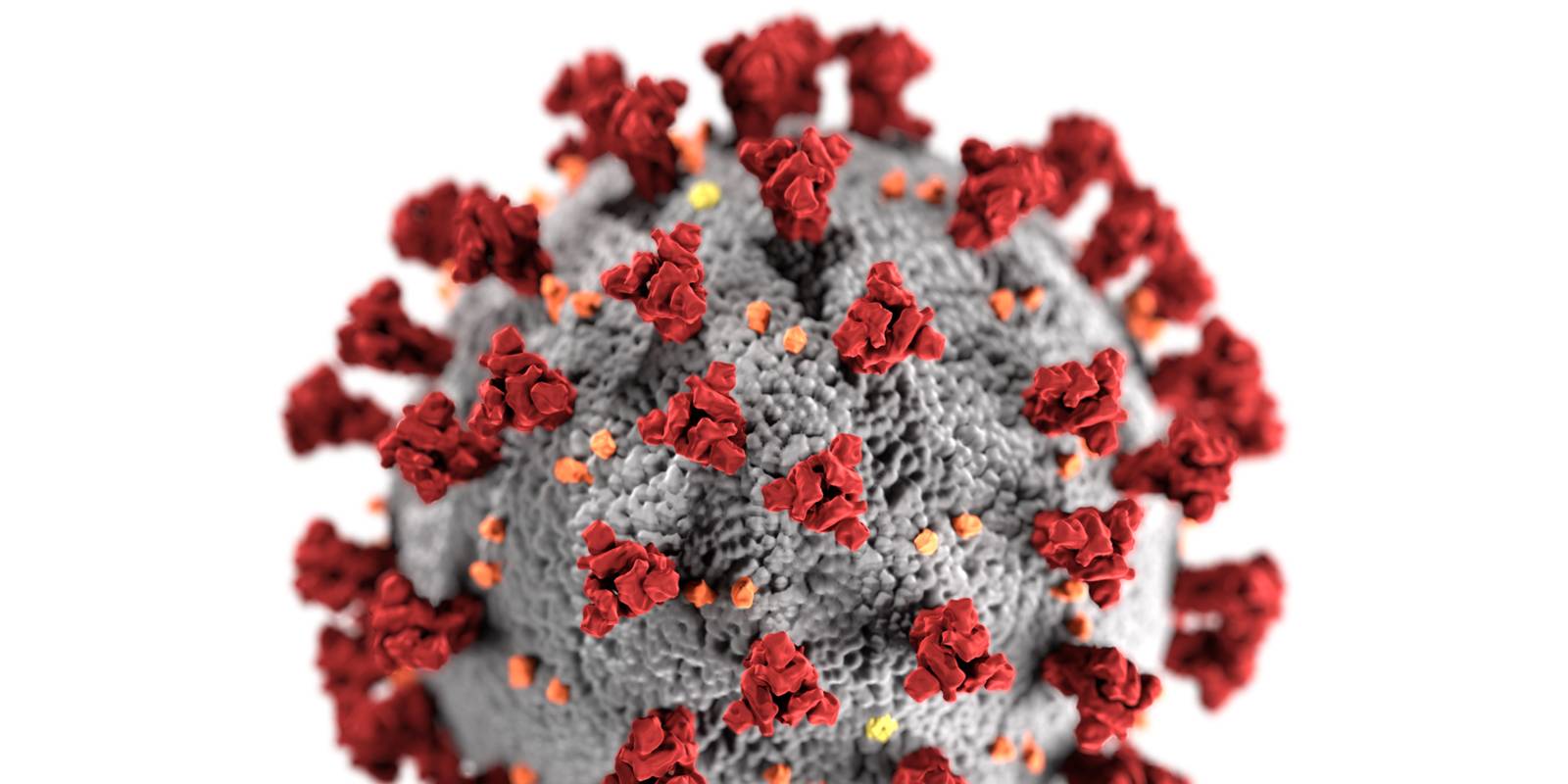
What happens when a virus enters the human body? This course explains all, focusing particularly on how viral diseases develop at a molecular level, exploring cellular biology, genetics, the body’s defences and anti-viral therapeutics.

'What is truth?' is a perplexing and elusive question. A good first response is that truth and falsity are properties of what people say or think. But how is what we think related to actual facts? And what caused the recent corrosion of truth?
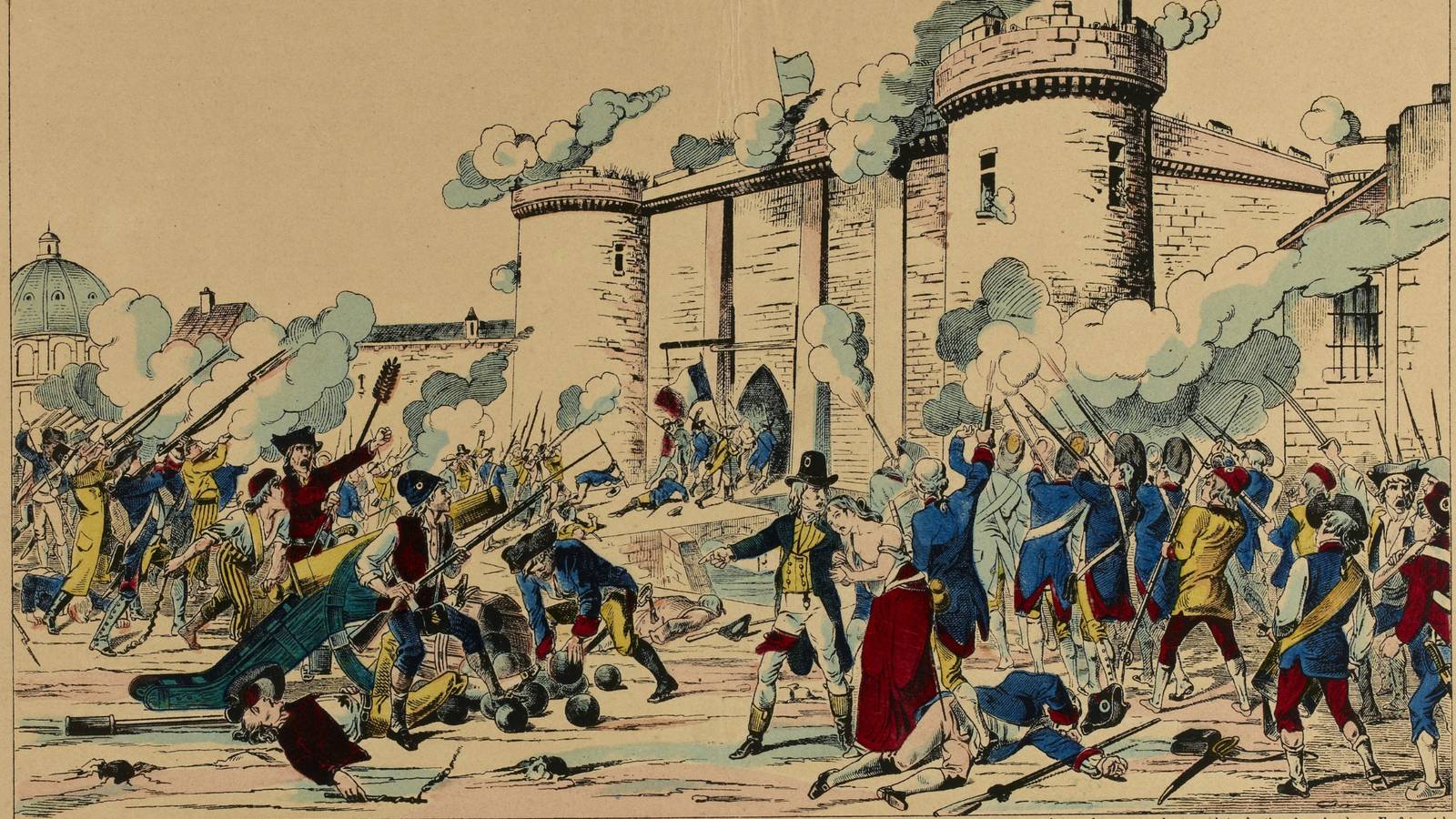
Why did revolution break out again and again during the tumultuous 17th and 18th centuries? And why did they play such a key role in shaping the very nature of modern western political culture? Explore with us this fascinating topic!
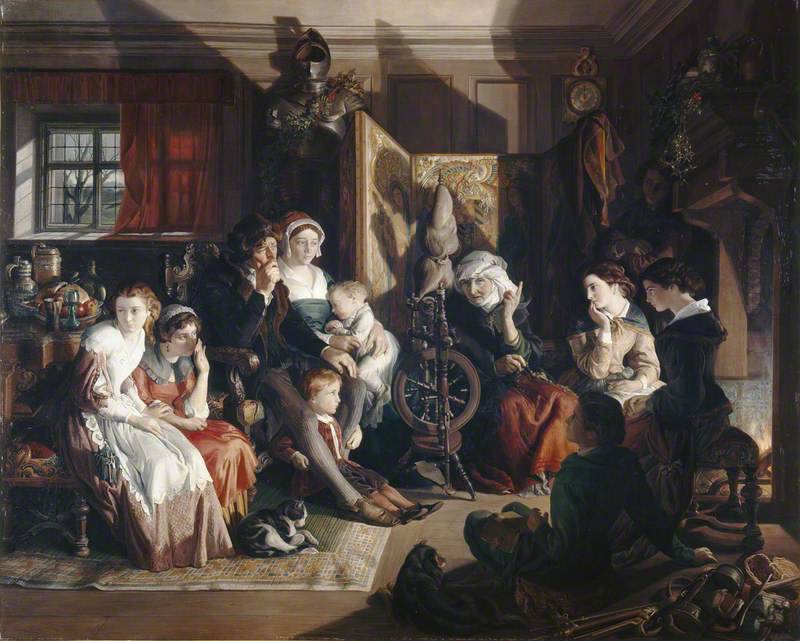
This course provides an historical introduction to the development of folklore studies in Britain. It will review historical conceptions and approaches to folklore from the seventeenth-century antiquarians to the present.
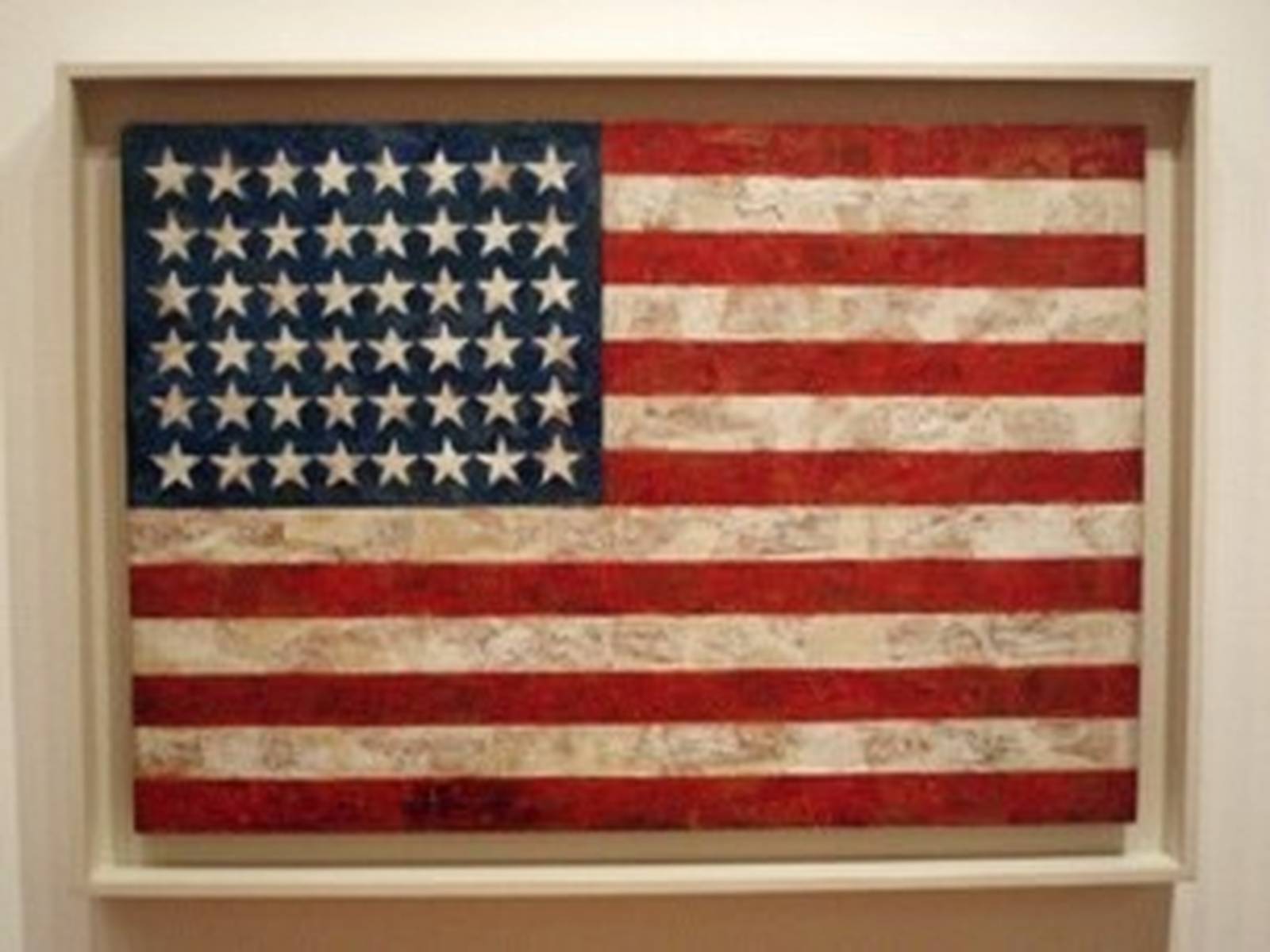
This course explores American art from the late nineteenth century to the postwar era, examining how artists responded to urbanisation, mass media, European modernism, consumer culture, and America’s changing place in the world.
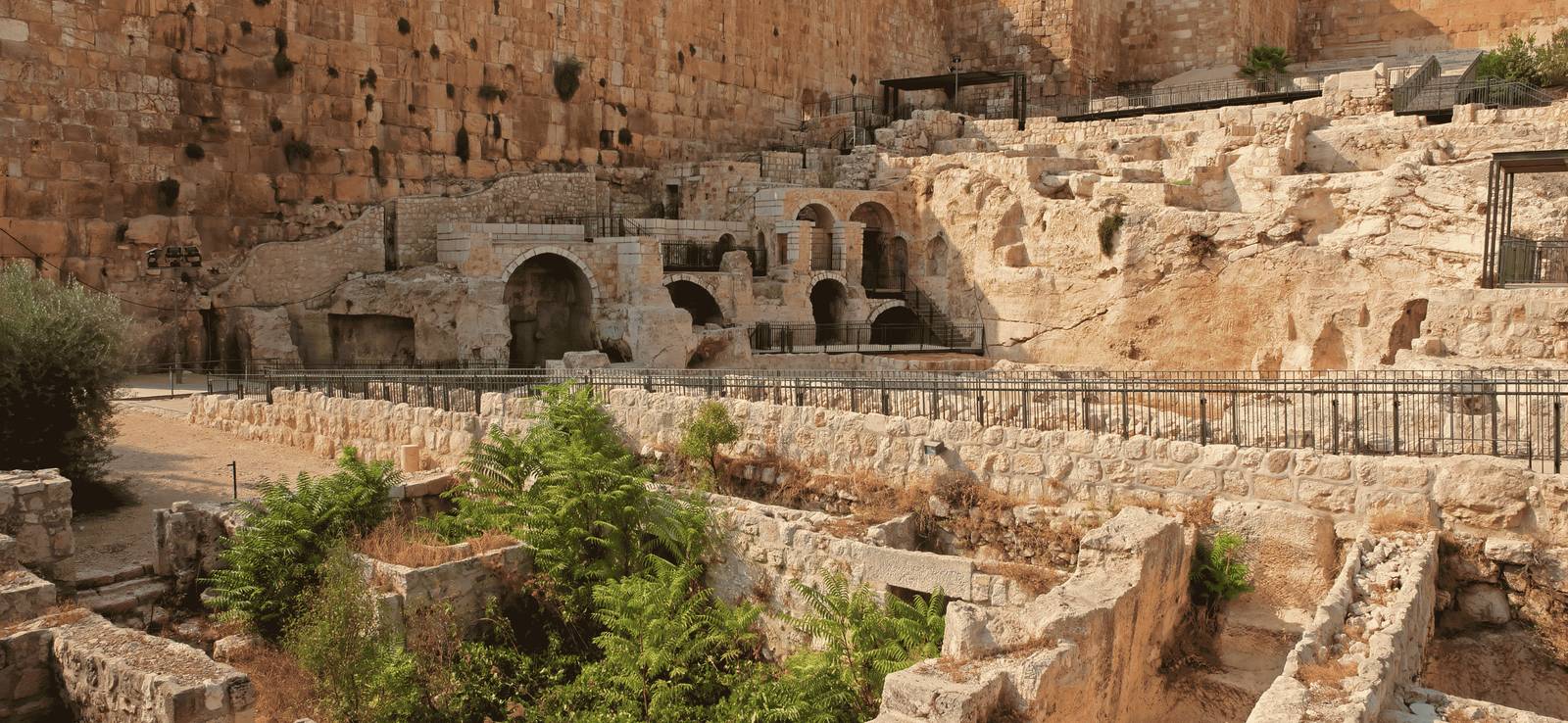
Step into the world of Biblical Archaeology and uncover the secrets of ancient Israel and Judah. Explore how discoveries and artifacts bring the Hebrew Bible to life, while debating the connections between history, interpretation, and faith.