
We think we know, but do we? We think we are free, but are we? We think our actions are moral, but are they? What is this reality we take ourselves to live in? The oldest questions meet the newest technology in this online introduction to philosophy.

Course search results
Filter by:
Filters
Start month
Day of the week
Time of day
This course provides a detailed introduction to, and encompasses the fundamentals of macroeconomics. On completion of the course you will have the ability to critically assess real-world macroeconomic developments at first-year undergraduate level.
This course introduces the science of psychology, exploring the richness of human functions, uncovering the brain's secrets and revealing its complexities. Studies from biological, psychodynamic, cognitive, behavioural and social approaches are presented.
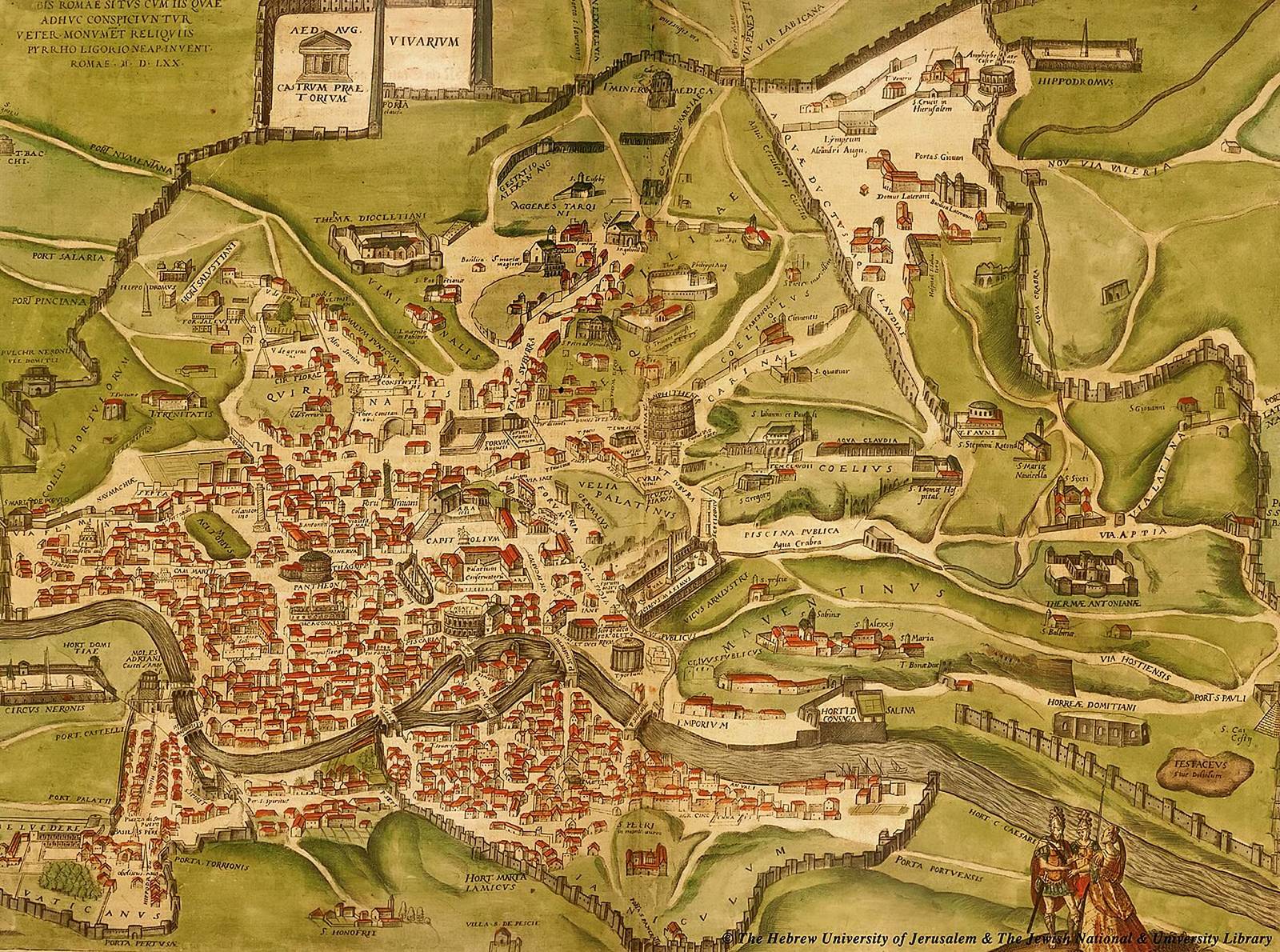
An introduction to various aspects of the intriguing history, vibrant culture and fascinating personalities of Ancient Rome and its enemies during its decline and fall (or transformation) in the last two centuries of the Empire in the West.
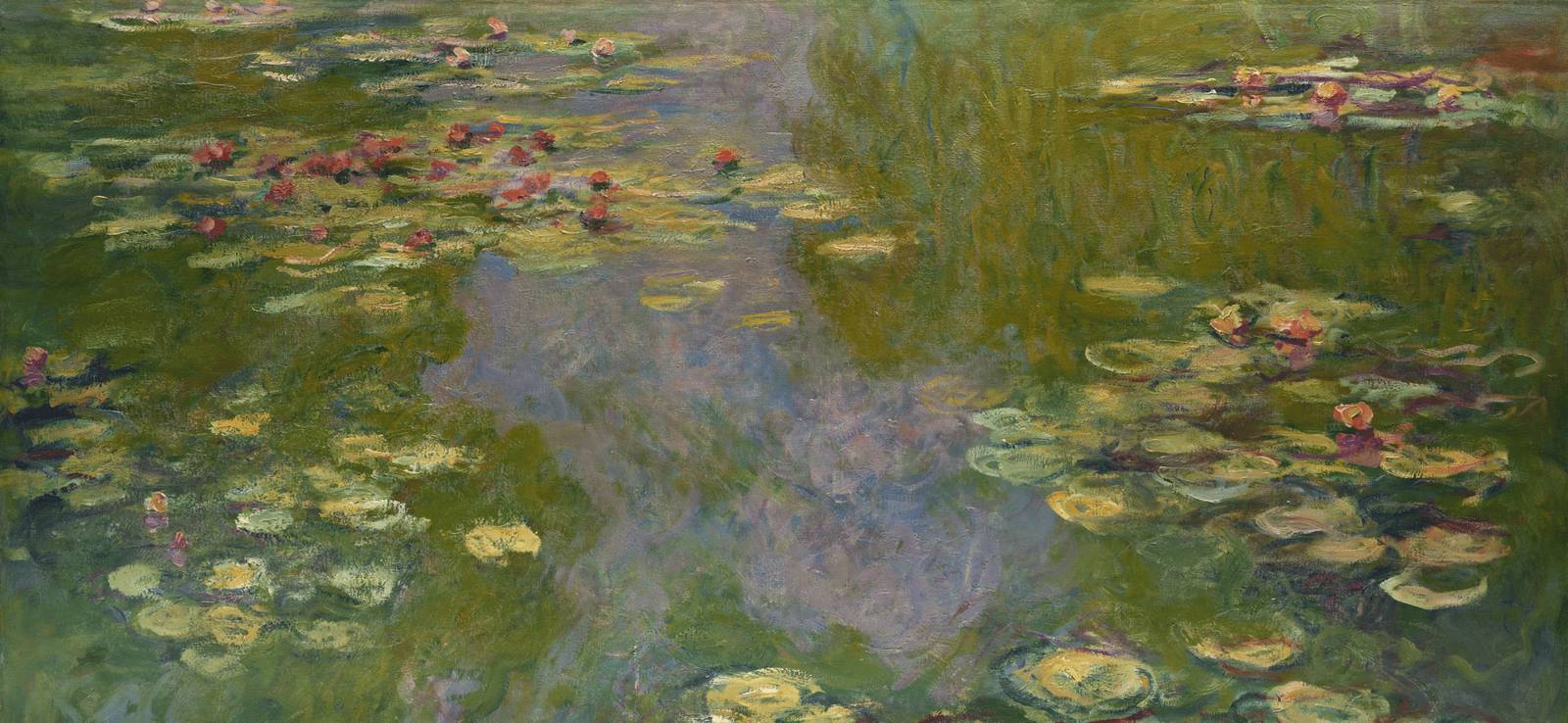
Explore Impressionism and modern life in nineteenth-century France through the work of Monet, Manet, Degas and their contemporaries. This course examines Impressionist techniques, women Impressionists, critical responses to the exhibitions, and the moveme
Some of the great writers of the Victorian period were women. Find out how they portrayed women's issues and lives in such compelling fiction.
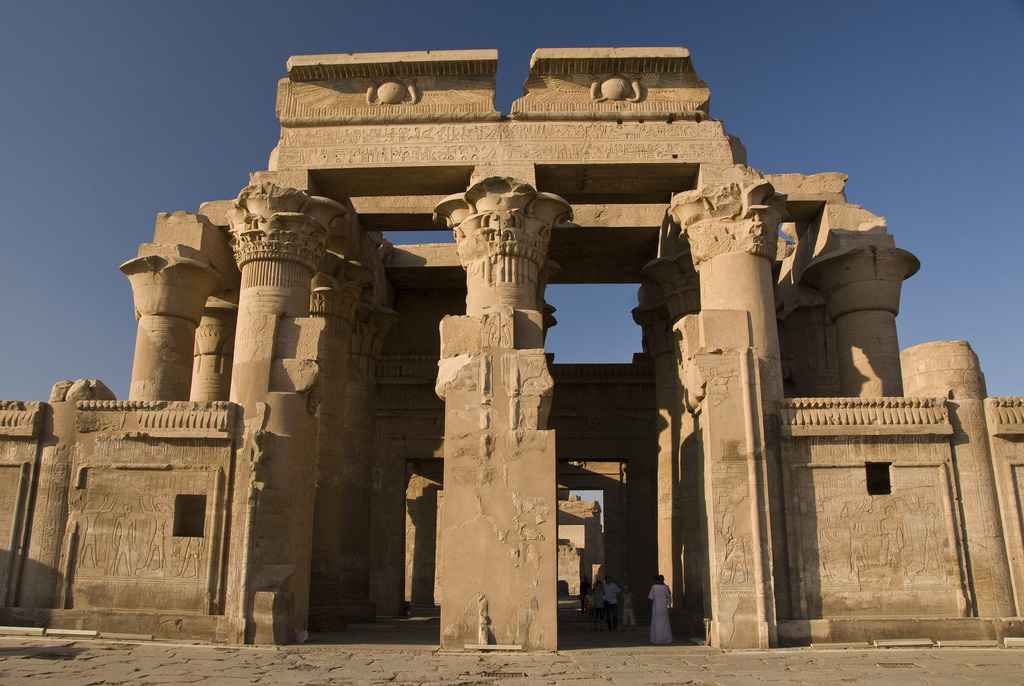
From royal pyramids, court artisans and powerful pharaohs, to grandiose temples, mysterious gods and foreign invasions, participants will experience the world of ancient Egypt, its highs and lows, and the rich tapestry of its culture.
This course is for anyone who would like to learn to read beneath the surface, pay attention to language and form, and become a critical reader.
Investigate the power of maps and spatial data to document and illustrate local and global issues. Learn how to use Geographic Information Systems (GIS) to explore the world around you and share ideas.
Literary theory offers powerful tools for understanding how texts work and why they matter. This course introduces key ideas in an accessible way, showing how theory can deepen your appreciation and enjoyment of literature.
The philosophy of mind is concerned with questions about the nature of mind and the relation between our minds and the physical world. This course provides an introduction to the mind body problem, one of the most intractable problems in philosophy.
The course looks at what, if anything, it is that Jews, Christians and Muslims are agreeing about when they claim that there is a God; and we shall look at what, if any, prospects there are for rationally defending or attacking this claim.