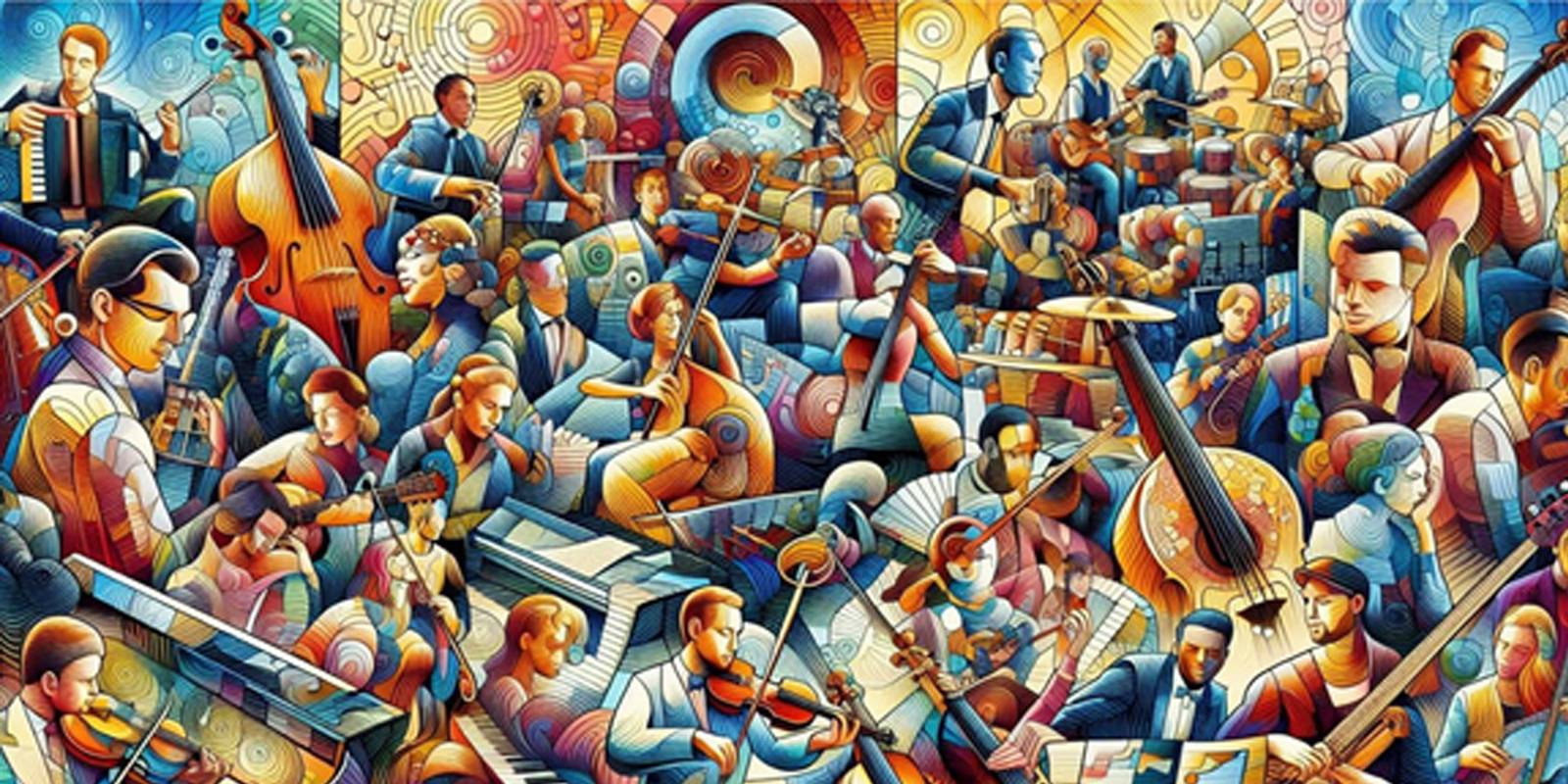
A course for anyone who loves music but wants to understand it better. We explore classical, jazz, pop, folk and world music in a non-technical way from the point of view of the listener, aiming to give a deeper sense of involvement in the music.
Filter by:
Filters
Start month
Day of the week
Time of day
A course for anyone who loves music but wants to understand it better. We explore classical, jazz, pop, folk and world music in a non-technical way from the point of view of the listener, aiming to give a deeper sense of involvement in the music.
During this flexible online course, learn how to study and analyse paintings, drawings and prints, and learn the 'language of looking'.
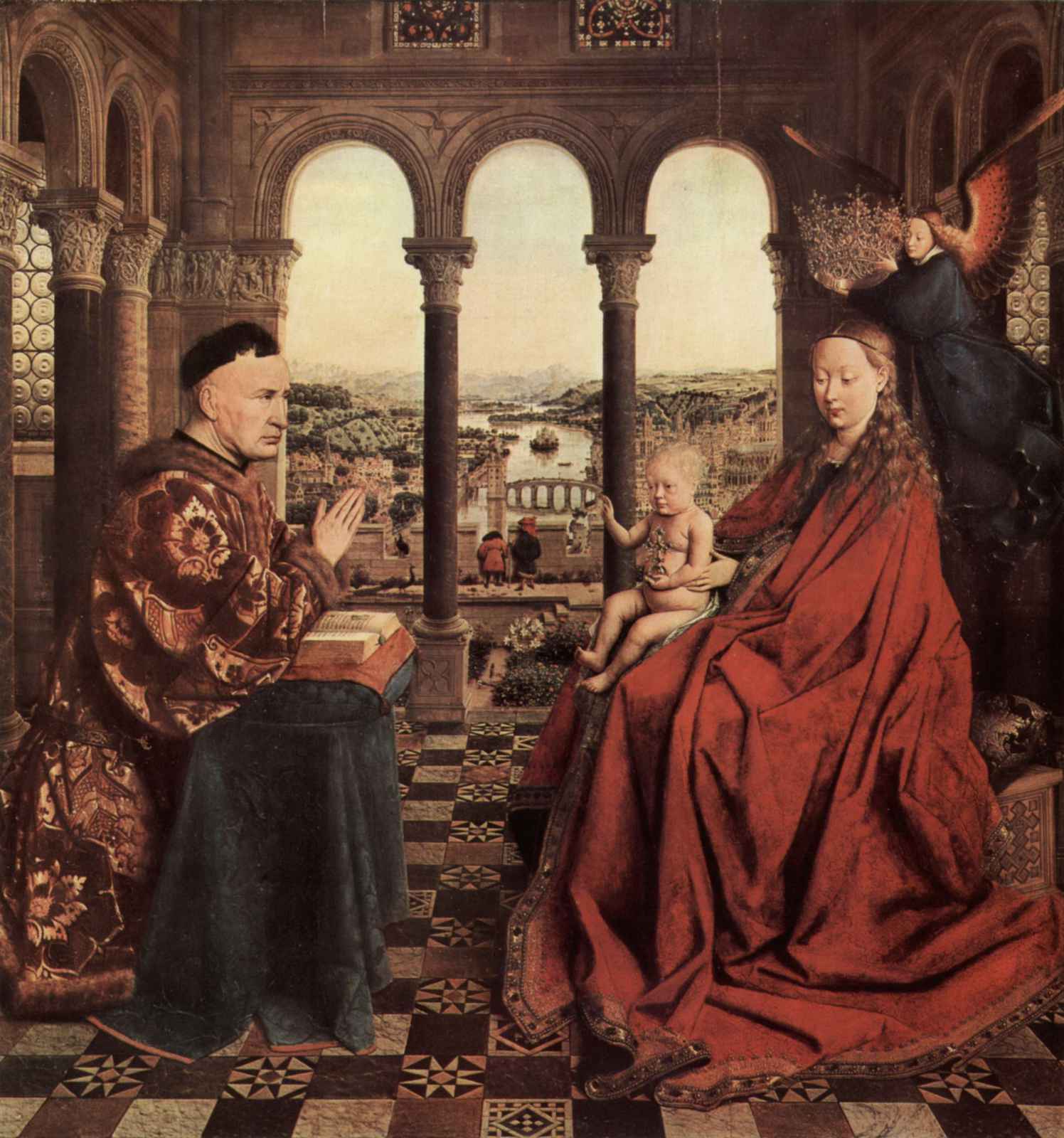
Discover the rich symbolism, striking realism and artistic innovation of Northern Renaissance painters like Jan van Eyck and Rogier van der Weyden, and explore how their work shaped the course of European art.
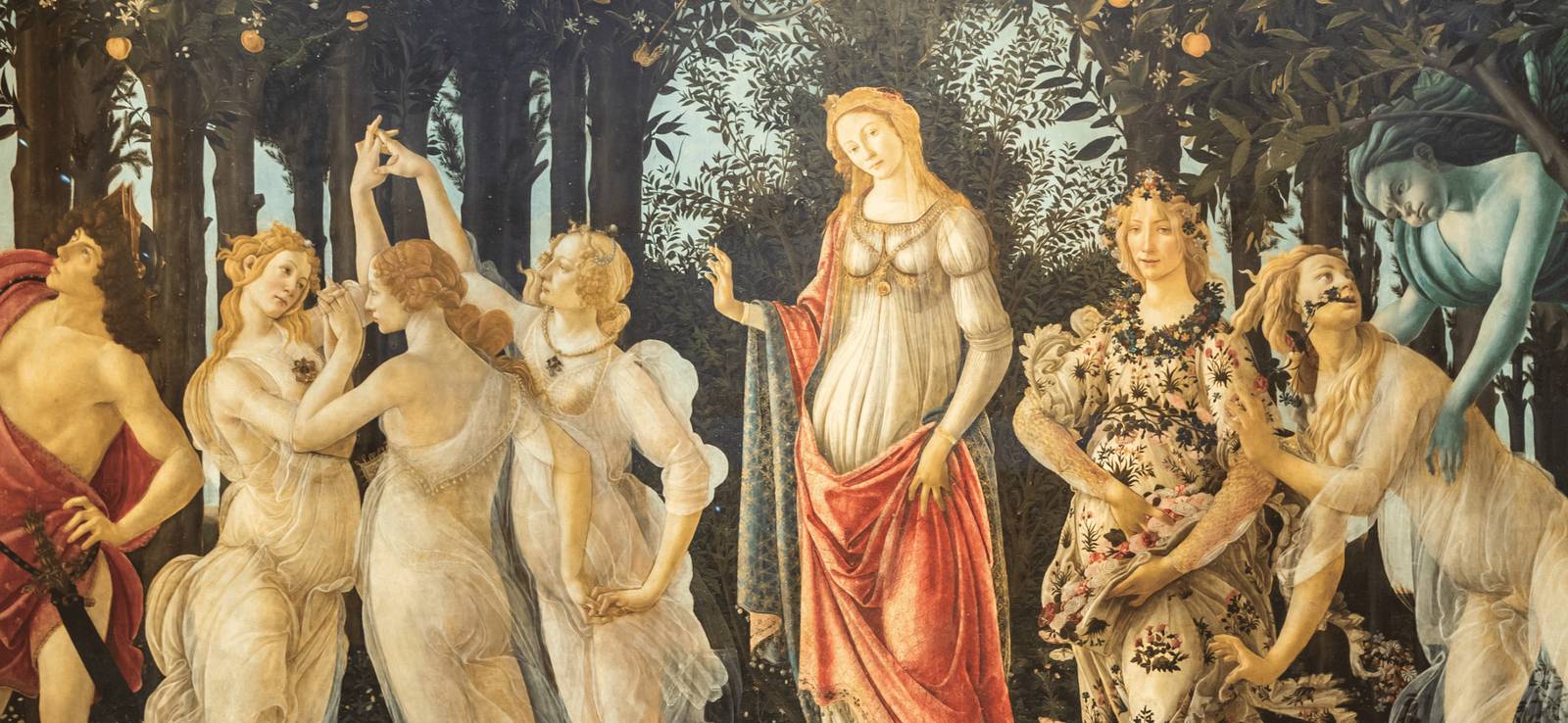
Deepen your understanding of Early Renaissance to High Renaissance art, the role of patronage, and how the Renaissance continues to influence modern creativity.

This course aims to give students an introduction and overview of that architectural tradition enabling students to 'read' the architecture of the contemporary built environment in a critically informed way.
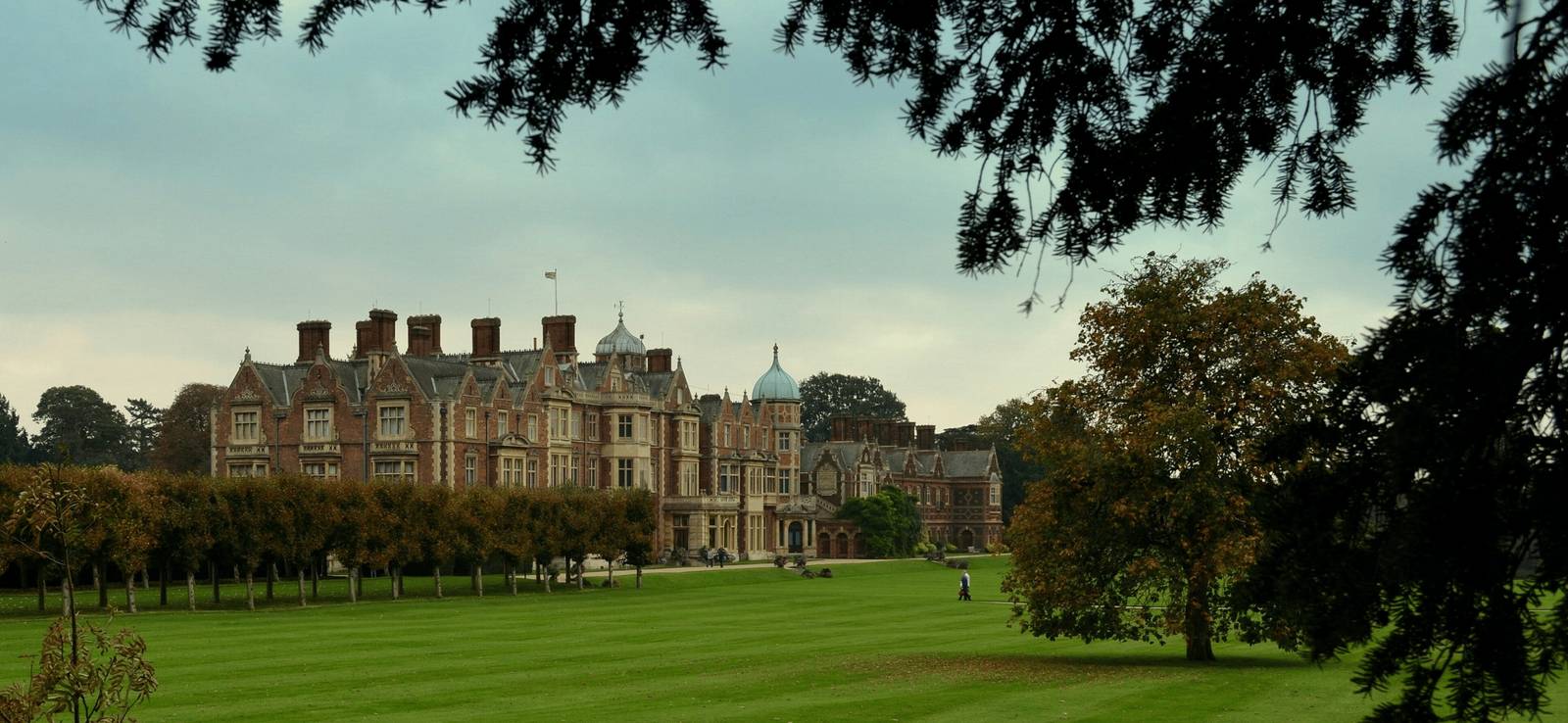
Explore the culture of the English country house from its architectural form, social manners and distinctions to the furnishings and artistic manifestations of taste, as an expression of power and influence in a changing society.

Is there a true story that only you can tell? This course is designed to provide you with the skills you need to turn experiences, recollections and real-life phenomena into literary works that are enjoyable and accessible to a wider audience.

Study English Literature with Oxford’s expert tutors on a flexible part-time programme. Explore Shakespeare, Woolf and more, online or in Oxford, while developing critical skills and joining a global community of literature enthusiasts.
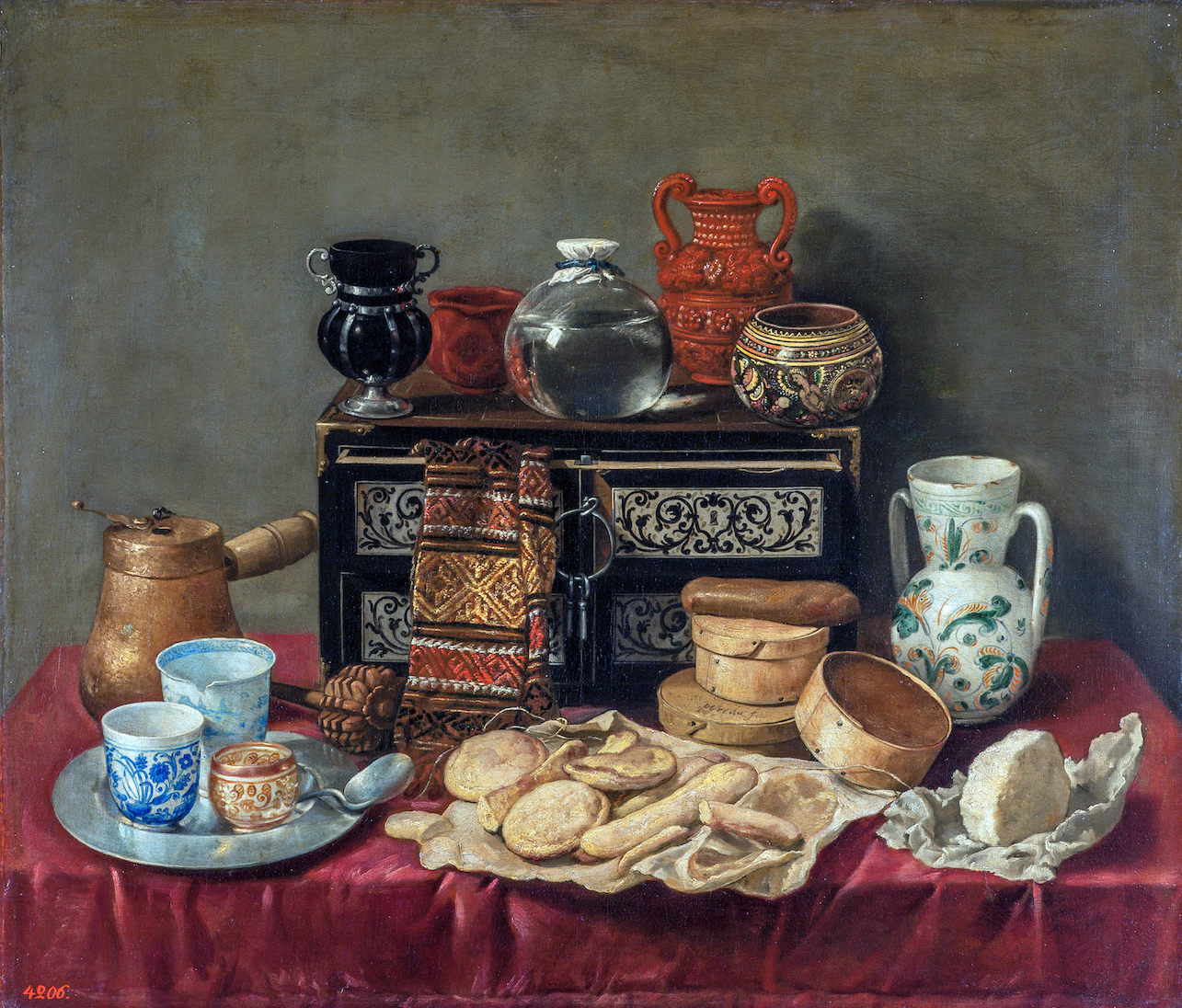
Gain a global perspective of the history of art with our part-time two-year Certificate course from Oxford. Discover the latest debates in the history of art through flexible learning and access to Oxford’s world-class museums and collections.

An introduction to modern art in Europe in the early twentieth century, exploring the range of styles and debates that emerged in response to modernity, industrialisation, and war.
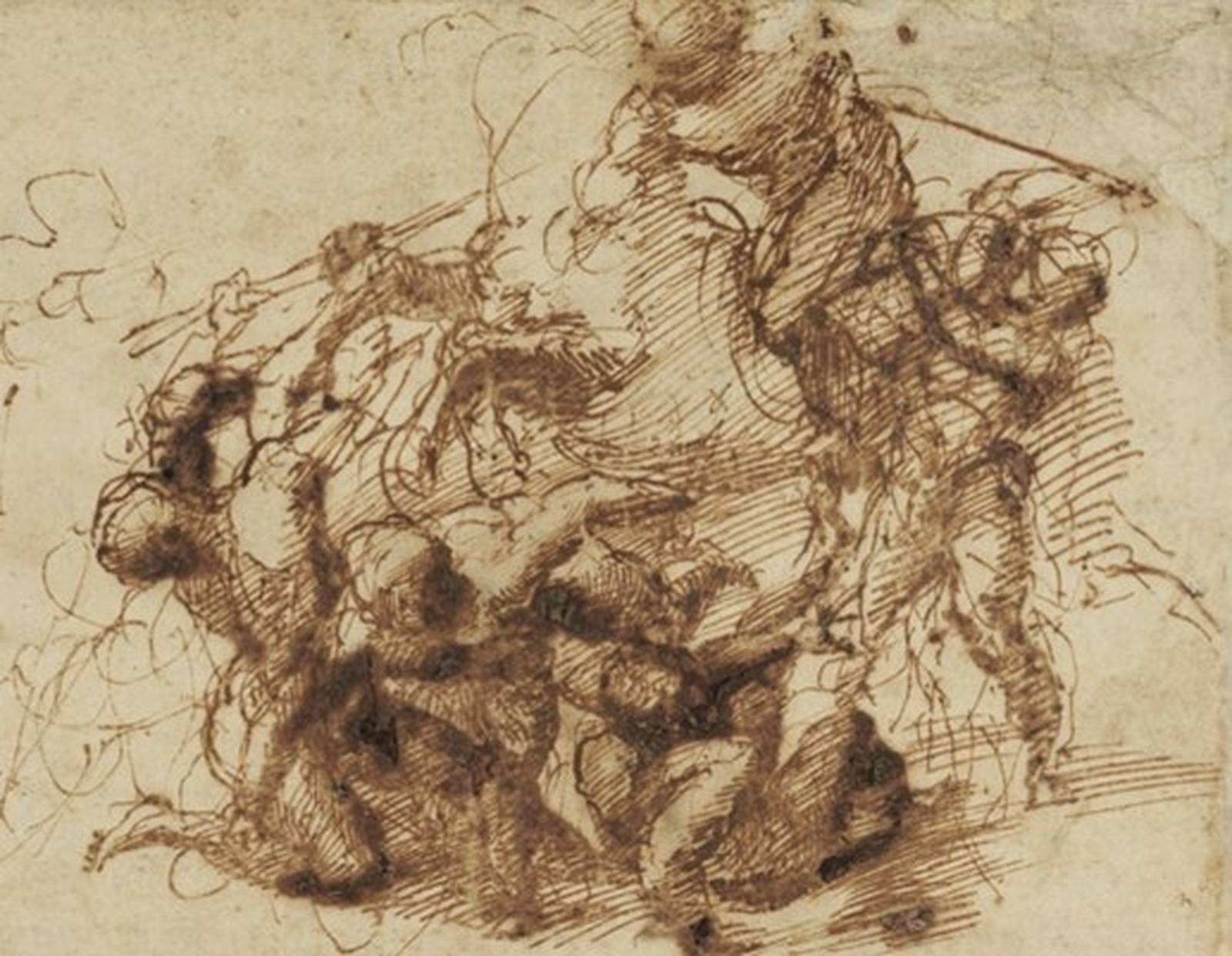
This guided viewing in the Ashmolean Museum will discuss key drawings by Leonardo and Michelangelo individually and comparatively. Focusing on style and techniques, we will also consider relationships with their paintings, sculptures and writings.

How did artists respond when protest, war, empire, and industrialisation transformed France? This course explores how painters from Boucher to Manet reimagined art in relation to modern life.