
This course aims to give students an introduction and overview of that architectural tradition enabling students to 'read' the architecture of the contemporary built environment in a critically informed way.
Filter by:
Filters
Start month
Day of the week
Time of day
This course aims to give students an introduction and overview of that architectural tradition enabling students to 'read' the architecture of the contemporary built environment in a critically informed way.
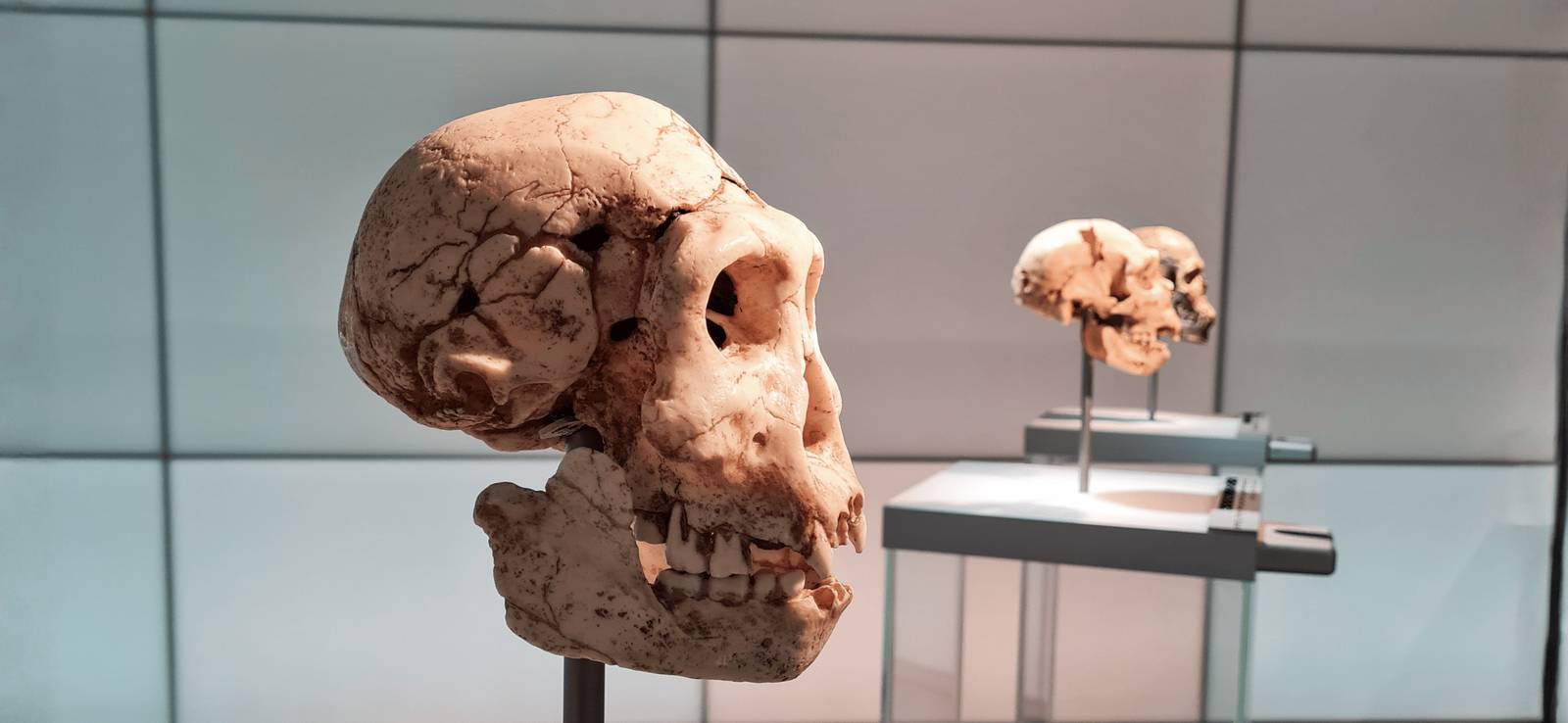
What makes humans different from other primates? When did we become human? This course will chart the development of human behaviour.

This course introduces key issues in the philosophy of science, including debates about the nature of the scientific method, theories of confirmation, the demarcation of science from non-science, the rationality of theory change, and scientific realism.
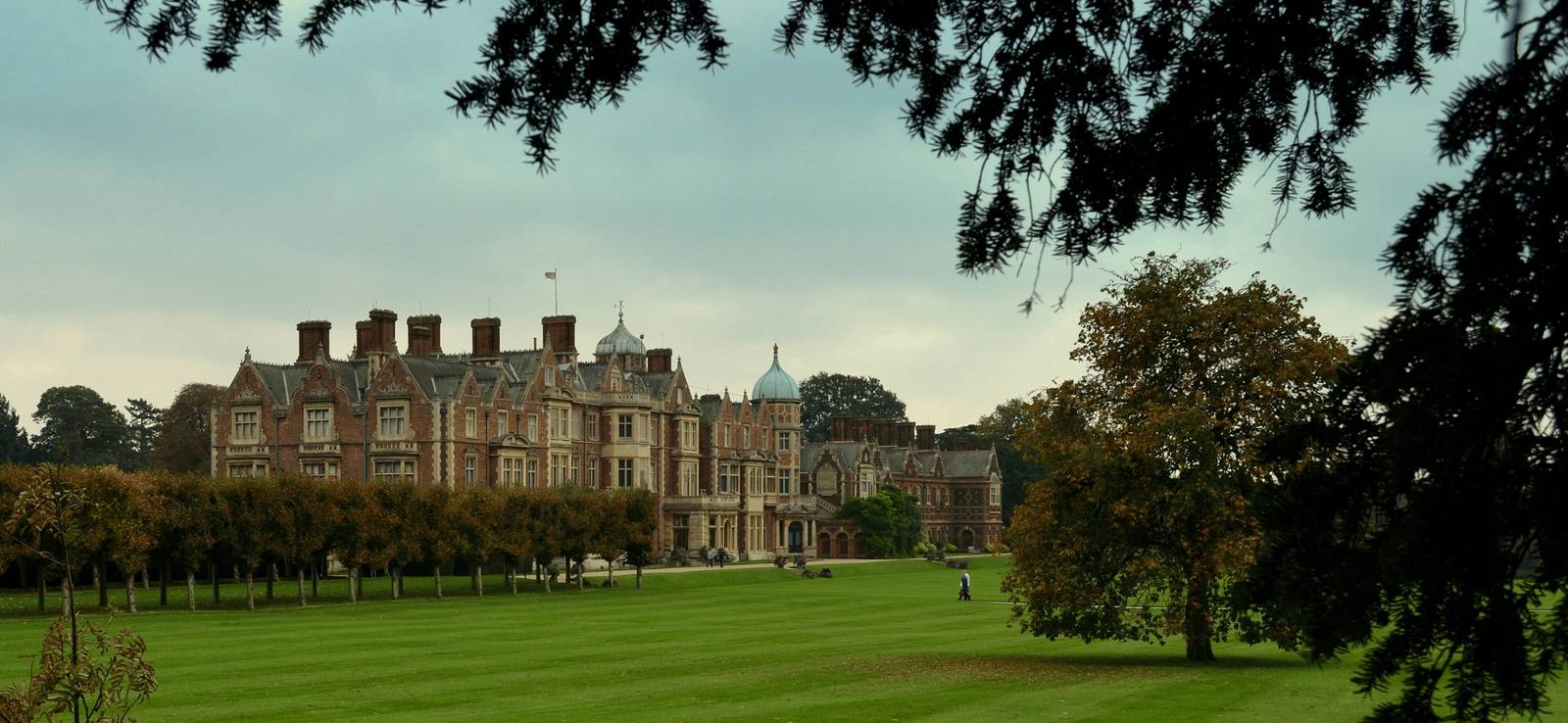
Explore the culture of the English country house from its architectural form, social manners and distinctions to the furnishings and artistic manifestations of taste, as an expression of power and influence in a changing society.
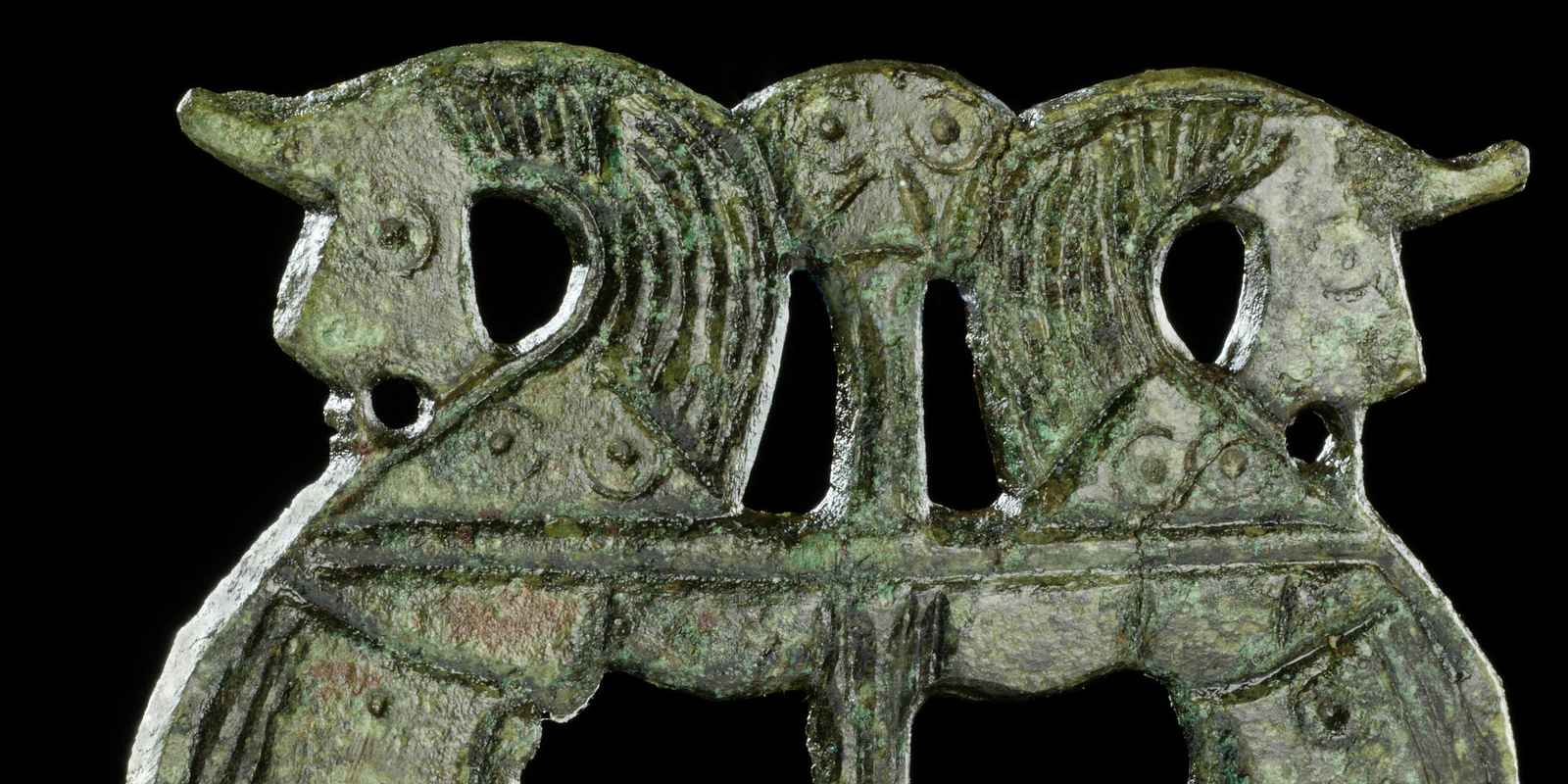
Ravagers, despoilers, pagans, the Vikings are often regarded as bloodthirsty pirates. Yet they were also traders, settlers and farmers with a thriving artistic culture and legal systems. Using archaeology we examine the varied aspects of the Viking world.

Is there a true story that only you can tell? This course is designed to provide you with the skills you need to turn experiences, recollections and real-life phenomena into literary works that are enjoyable and accessible to a wider audience.
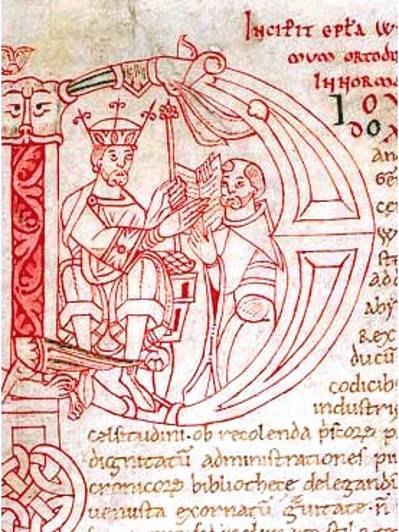
Next year (2027) marks the Millennium of the birth of William the Conqueror. Perhaps the most important, and enigmatic King in English History. This course will trace his achievements, his failures and most importantly his legacy as King of England.
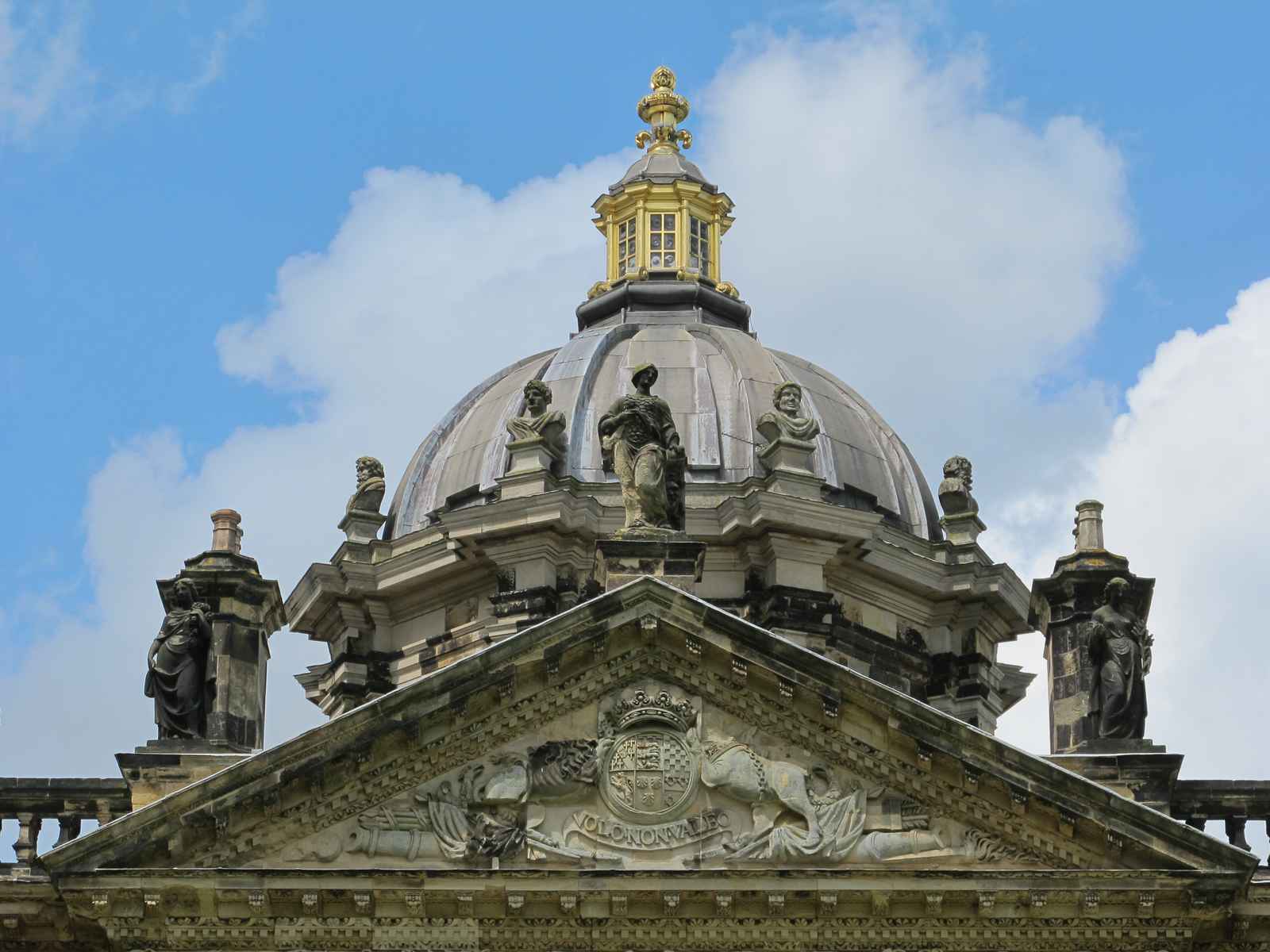
2026 marks 300 years since the death of John Vanbrugh. His extraordinary career as soldier, playwright, and in heraldry was punctuated by a turn to architecture. We will examine his works, including Blenheim Palace and the role of Nicholas Hawksmoor.
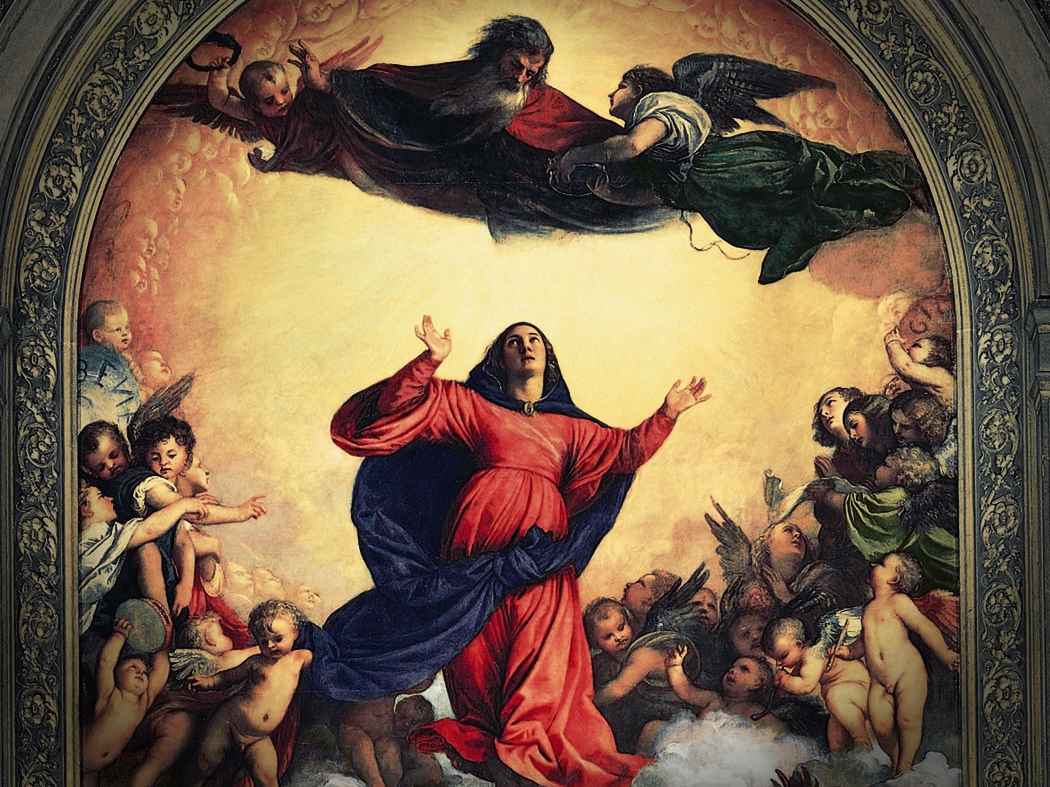
How can art give form to the invisible? This course explores the theological and philosophical idea of beauty in Renaissance art, examining how artists used various visual elements to make the divine visible.

Consolidate your ability to communicate confidently and clearly in French in a range of everyday situations with this 10-week intermediate-level course. A progression course for students who have completed French: Lower Intermediate - Part 2.

Improve your language skills and understanding of the culture, society and daily life in the French-speaking countries. We will be practising the four language skills in everyday situations at lower intermediate level.

Join this interactive course to learn Italian language and explore its culture. For complete beginners as well as those who have learnt some Italian expressions and phrases through travel or socialising.