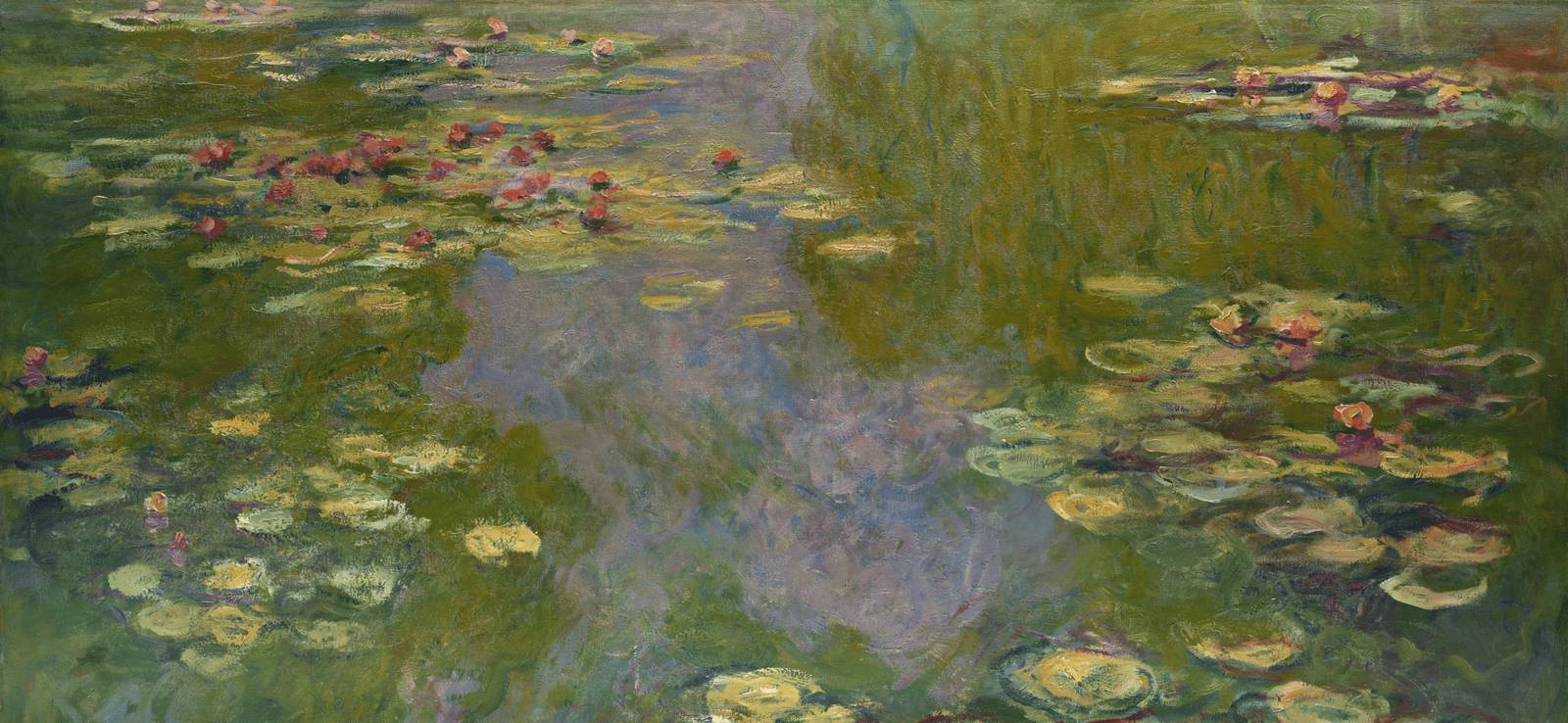
Explore Impressionism and modern life in nineteenth-century France through the work of Monet, Manet, Degas and their contemporaries. This course examines Impressionist techniques, women Impressionists, critical responses to the exhibitions, and the moveme
Course and event search results
Filter by:
Filters
Start month
Day of the week
Time of day
In this course we shall study five key novels of the twentieth century - by Fitzgerald, Faulkner, Silko, Morrison and Roth.
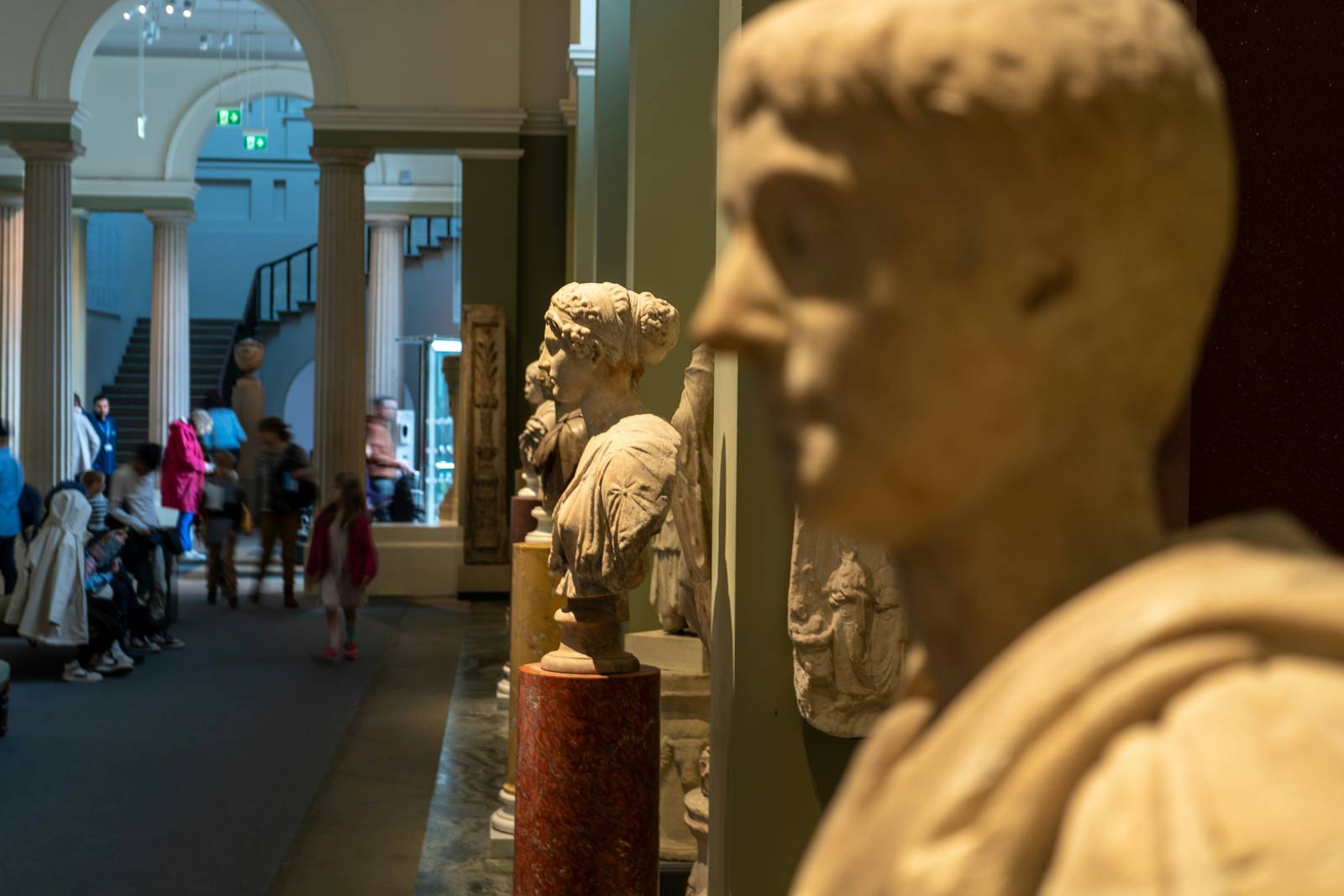
This guided viewing in the Ashmolean Museum will centre on seven of Leonardo da Vinci’s original drawings, from which we will also consider relationships with his paintings and writings, as well as to copies by contemporary and later artists.
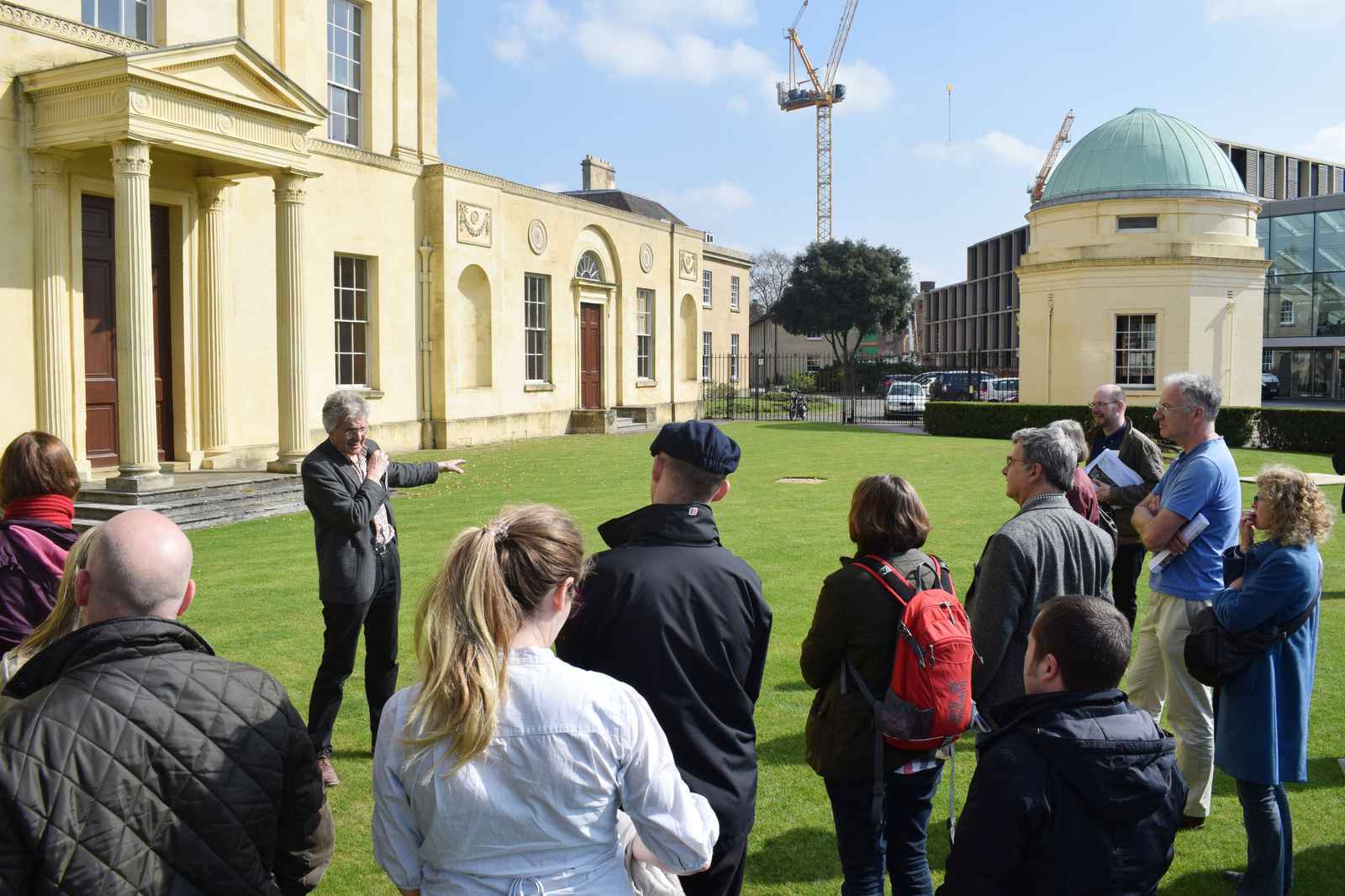
The degree of harm caused to heritage assets has become a key issue in guiding development decisions. Join our expert workshop to explore the meaning of 'harm' and how it is being interpreted in practice today.
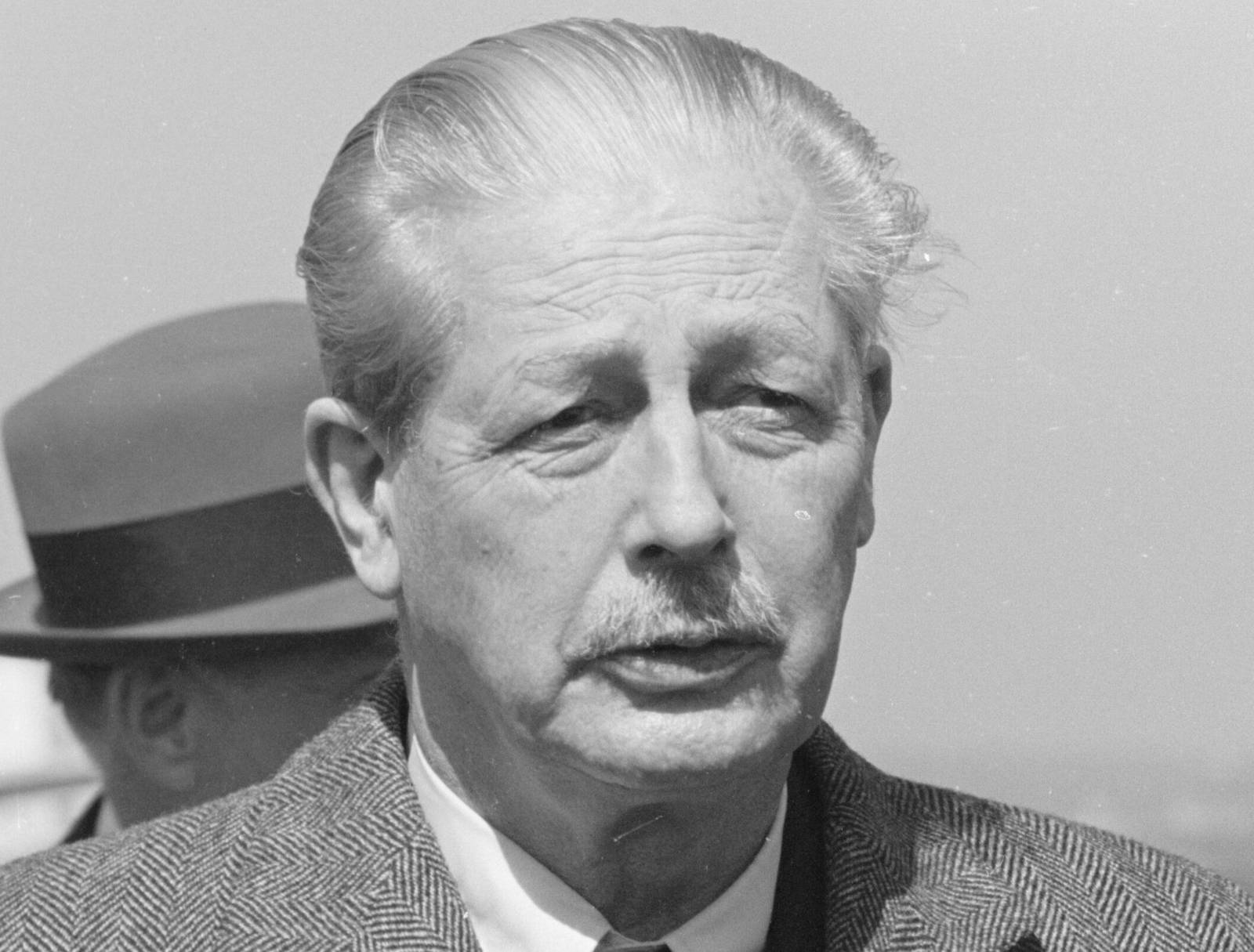
Examine Macmillan's push to join the EEC, and how, although unsuccessful, it contributed to the campaign's ultimate success down the line.
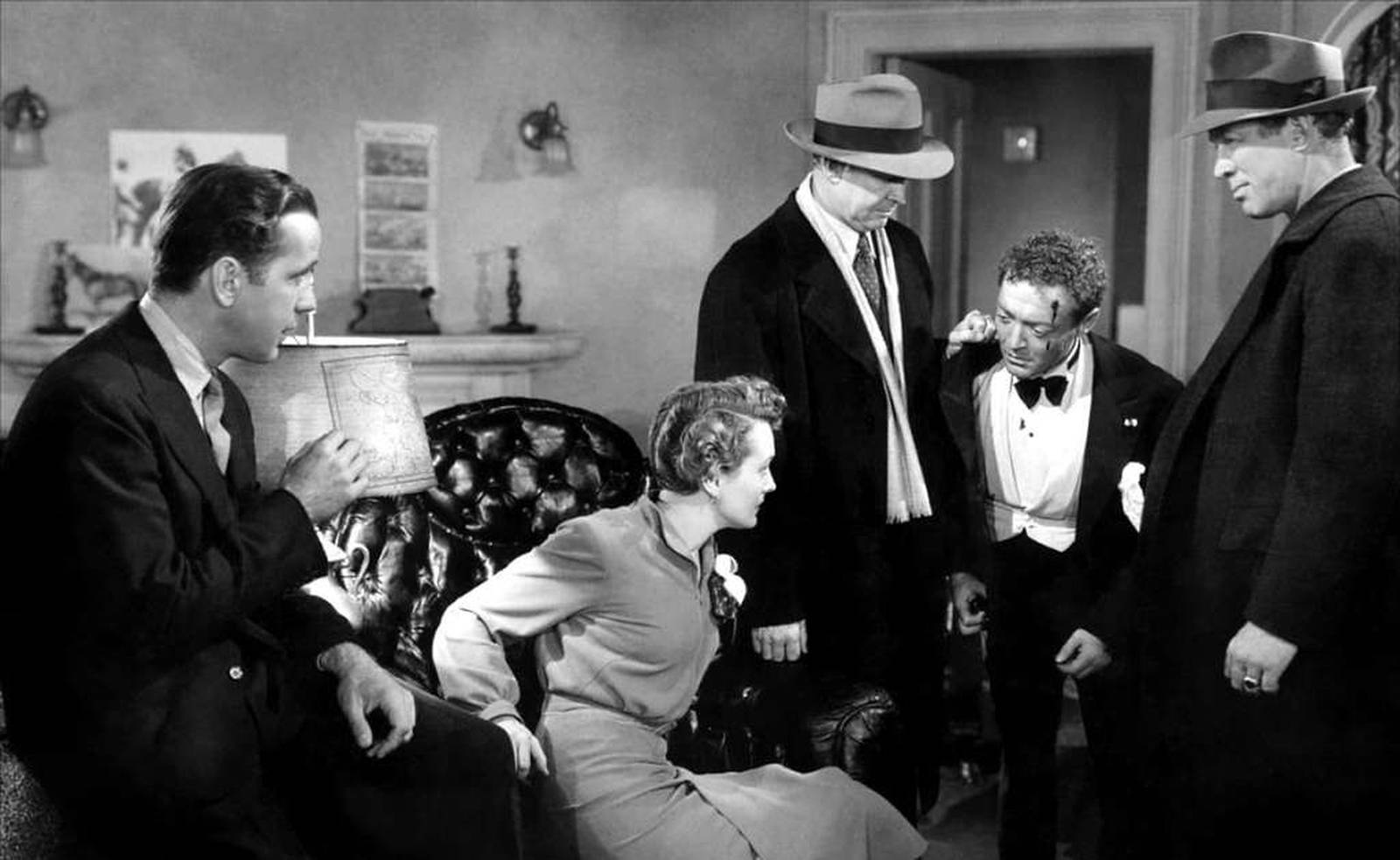
This day event explores 1940s film noir, which will be read through the contexts of the genre including their relationship to German expressionism, the legacy of fascism, and the pulp noir fiction of Raymond Chandler, Dashiell Hammett and James M. Cain.
In a world of endless multitasking, our brains struggle to allocate attention. This event explores the neuroscience of attention and distraction, the impact of digital technology, and how we can use science to reclaim our focus and flow states.
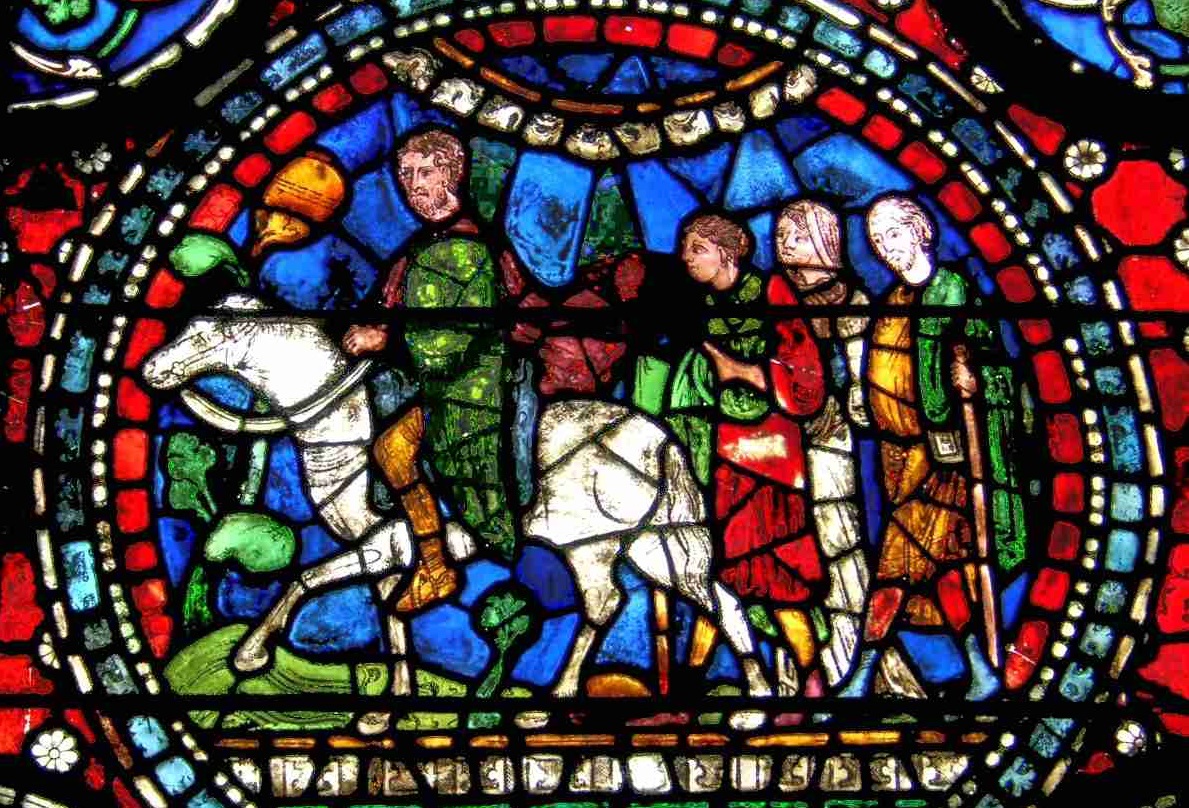
This course offers a new approach to the study of pilgrimage, combining history and anthropology to examine western pilgrimage practices from the Middle Ages to the modern day. Includes a trip to Christ Church Cathedral and St Margaret's Well.
How did artists respond when protest, war, empire, and industrialisation transformed France? This course explores how painters from Boucher to Manet reimagined art in relation to modern life.
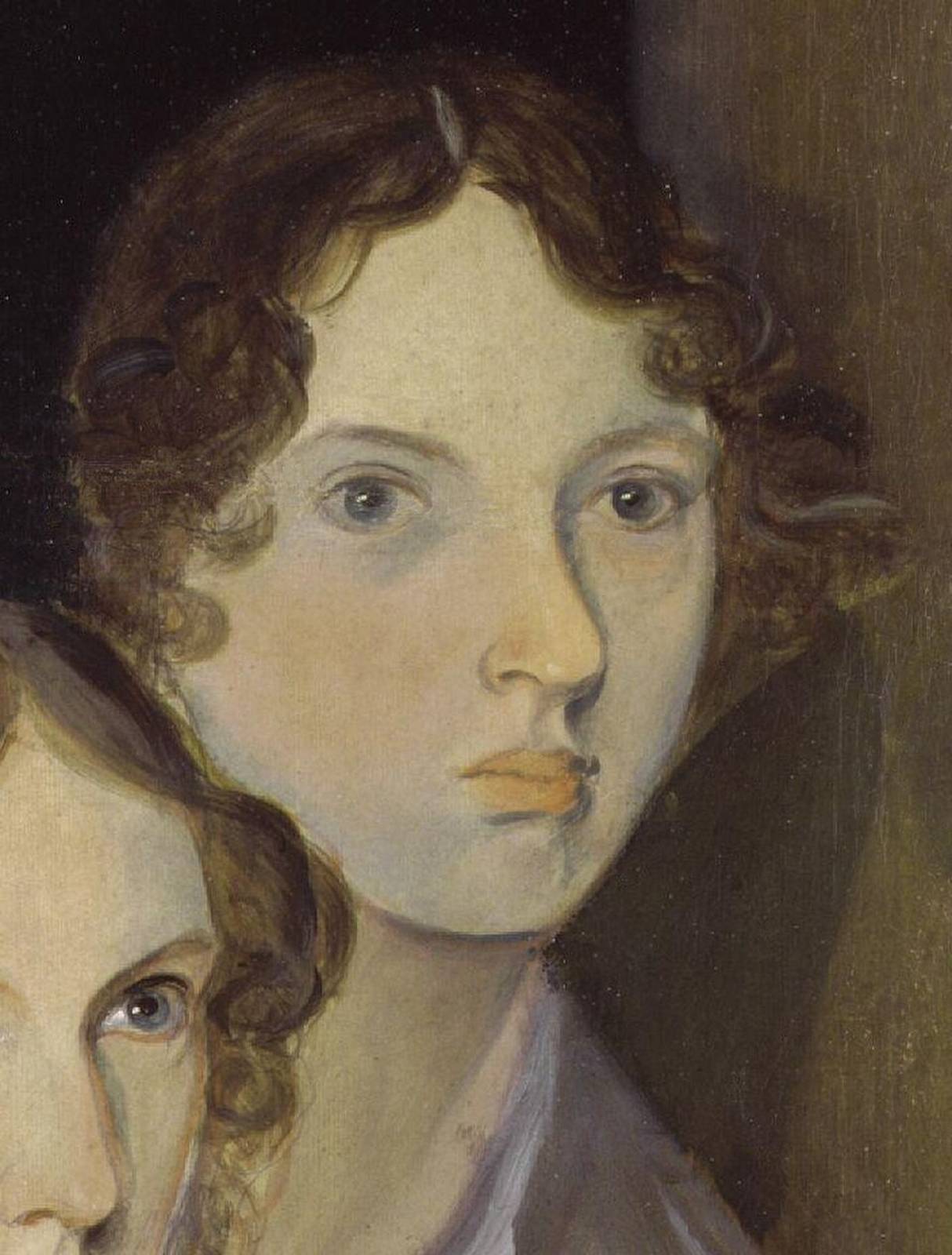
Huge changes occurred in 19th-century fiction – new subjects, new literary techniques. Here we shall explain and explore them. Authors include Jane Austen, Charles Dickens, Emily Brontë, Herman Melville, Gustave Flaubert and Charlotte Perkins Gilman.
This five-day short course from the Experimental and Translational Therapeutics Programme is taught through face-to-face tutorials. It discusses the basic principles of designing and identifying new drug molecules and monitoring their effect.