
This 10-week consolidation course is based on the syllabus of the previous two terms and is primarily tailored to meet the needs of students who completed the weekly class, but new students who are at the appropriate level of proficiency are also welcome.
Course and event search results
Filter by:
Filters
Start month
Day of the week
Time of day
What made our planet habitable? This course uses physics, astronomy, chemistry, geology, and biology, to narrate Earth's story, from the synthesis of chemical elements in the stars to today’s global environmental challenges and human activities in space.
Learn about R programming with this online course. At an introductory level, this course provides you with a solid foundation of the R programming language. Here you will learn the basics of R and gradually move to data processing and manipulation.
This course will introduce statistics to at a beginner-level, covering measures of central tendency, dispersion, probability theory and inferential statistics.
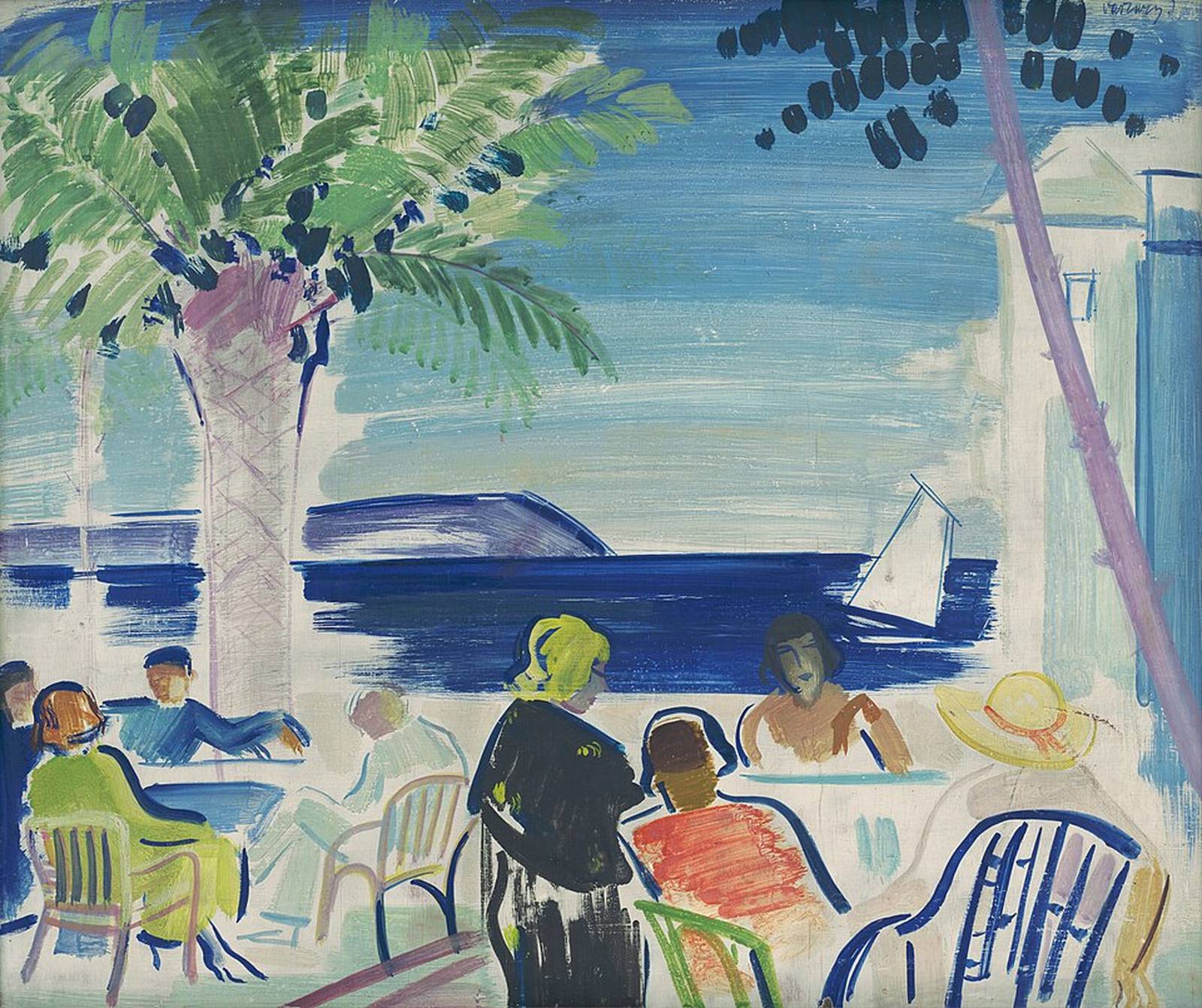
This lecture will will explore the pioneering artists of the 1920s and '30s French Riviera.
Every day we meet people with interesting life stories. Our lives are made up of tragic, uplifting and humorous experiences which shape us as individuals. We love, fight, apologise, account for and endure through whatever comes our way.
Why do animals behave the way they do? In this course we will look at the full range of behaviours found in the animal kingdom, from simple escape behaviours to complex tool use and their evolution.
Aimed at a general audience, including professionals and those with no prior knowledge, this course provides an essential introduction to the key topics underpinning Artificial Intelligence.
This course is for anyone who would like to learn to read beneath the surface, pay attention to language and form, and become a critical reader.
This course introduces the key characteristics of creative writing. You will be supported with stage-by-stage guidance as you assimilate and employ a range of critical and creative methods. The course includes tutor feedback and participant discussion.
What are Greek myths? Who told them and why? How can we interpret them? Why are they still so powerful? How much history do they contain? This course will explore these fascinating tales from the past and attempt to make sense of them.
Are we just who we think we are, or are we also who others think we are? Are we born prejudiced? Can we talk of 'national characteristics'? How can we best live together on this planet?