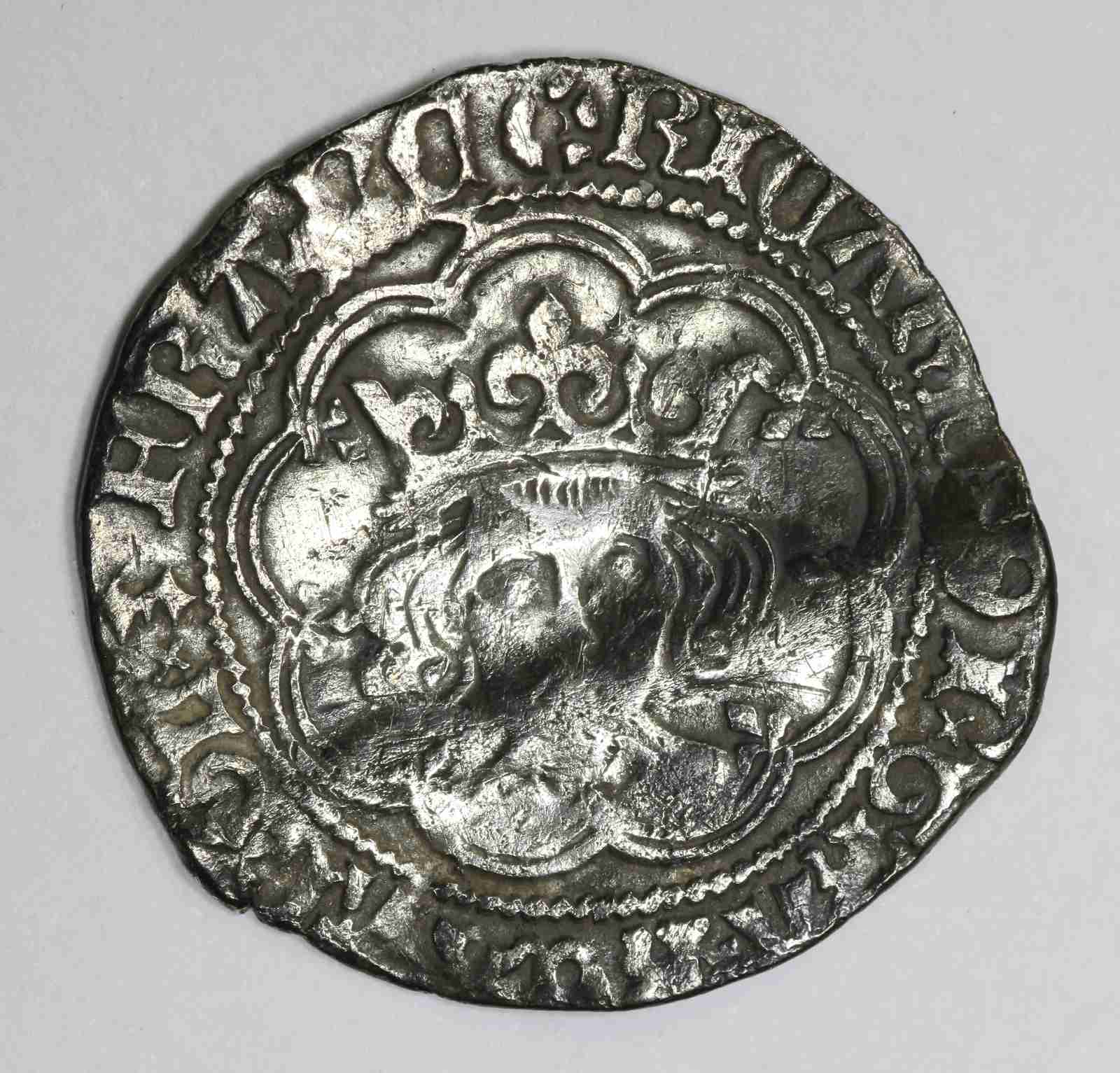
The recent discovery of Richard III's remains in Leicester highlights the dynamic new research being conducted into the period known as the Wars of the Roses. This course asks students to engage with the latest work on this exciting and tumultuous period.
Course search results
Filter by:
Filters
Start month
Day of the week
Time of day
This course will focus on works by four of the era's major figures - Anthony Trollope, George Eliot, Charles Dickens and Thomas Hardy - identifying how the century's main preoccupations find substance in the work of its greatest writers.
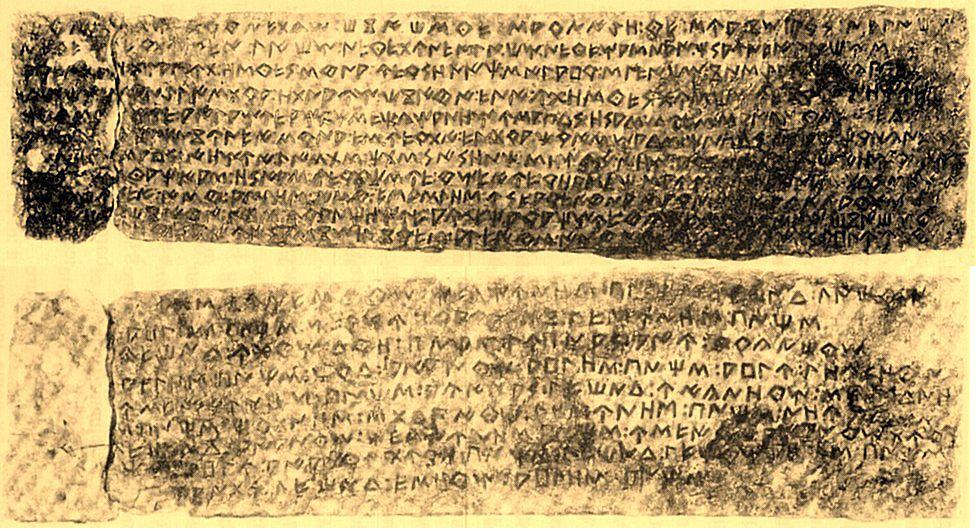
What do we really know about the Celtic world? These ancient communities left us captivating artefacts and imposing earthworks, but also with more subtle clues from which we can tease out the origins of the peoples who have come to be known as the Celts.
Is there a true story that only you can tell? This course is designed to provide you with the skills you need to turn experiences, recollections and real-life phenomena into literary works that are enjoyable and accessible to a wider audience.
If you are new to higher education, or have not studied for some time, you may find it useful to brush up your reading, note-making and essay-writing skills, and to revisit the basic rules of punctuation and grammar.
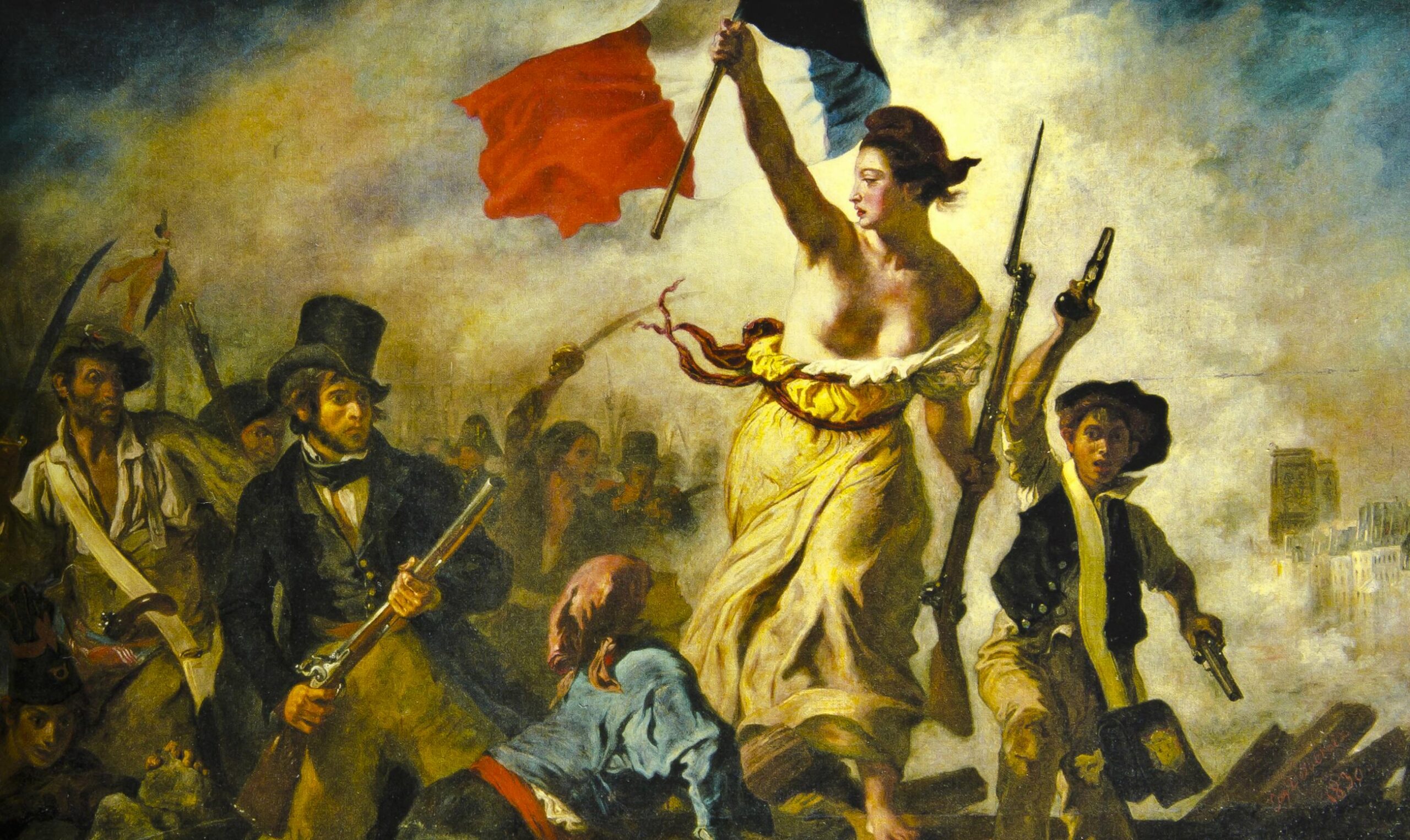
Revolution was a powerful dynamic in European politics and society from 1789 to 1848. This course will examine this tremendous era of change.
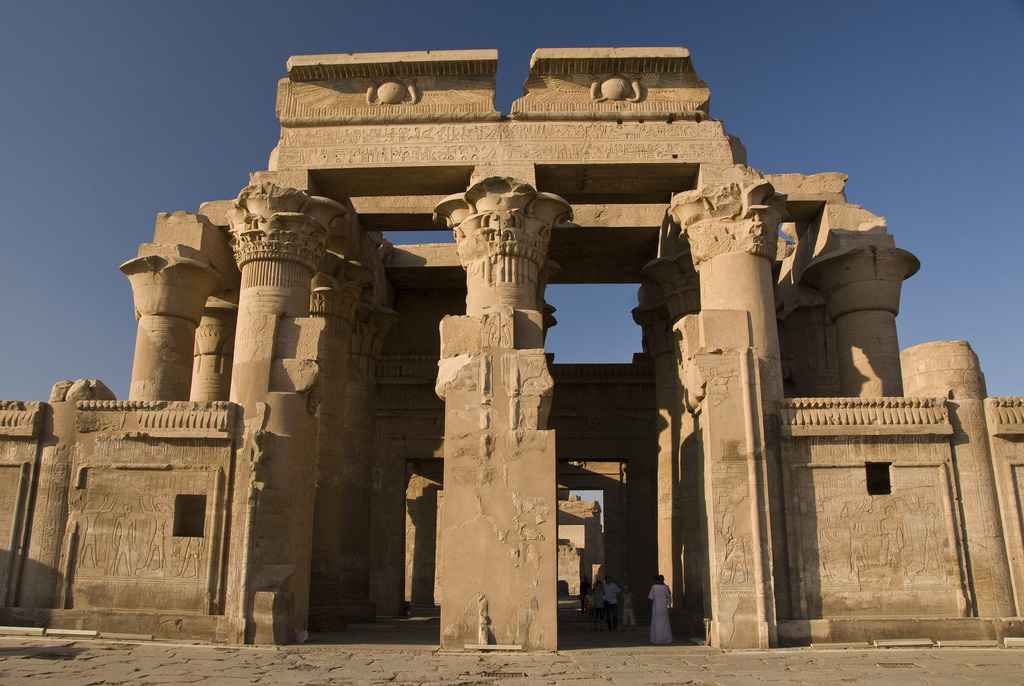
From royal pyramids, court artisans and powerful pharaohs, to grandiose temples, mysterious gods and foreign invasions, participants will experience the world of ancient Egypt, its highs and lows, and the rich tapestry of its culture.
If you have ever been daunted by terms such as 'modernism', 'magic realism' or 'postmodern', this is the course for you.
This course is for anyone who would like to learn to read beneath the surface, pay attention to language and form, and become a critical reader.
Reasoning enables us to acquire knowledge, to persuade others and to evaluate their arguments. But only if we reason well. We shall be learning how to recognise, evaluate, construct and analyse arguments, and how to recognise common fallacies.
Middle English literature is not all prayer and piety and men in armour. Find a rich cultural heritage in Middle English poems, plays and prose.
The course looks at what, if anything, it is that Jews, Christians and Muslims are agreeing about when they claim that there is a God; and we shall look at what, if any, prospects there are for rationally defending or attacking this claim.