
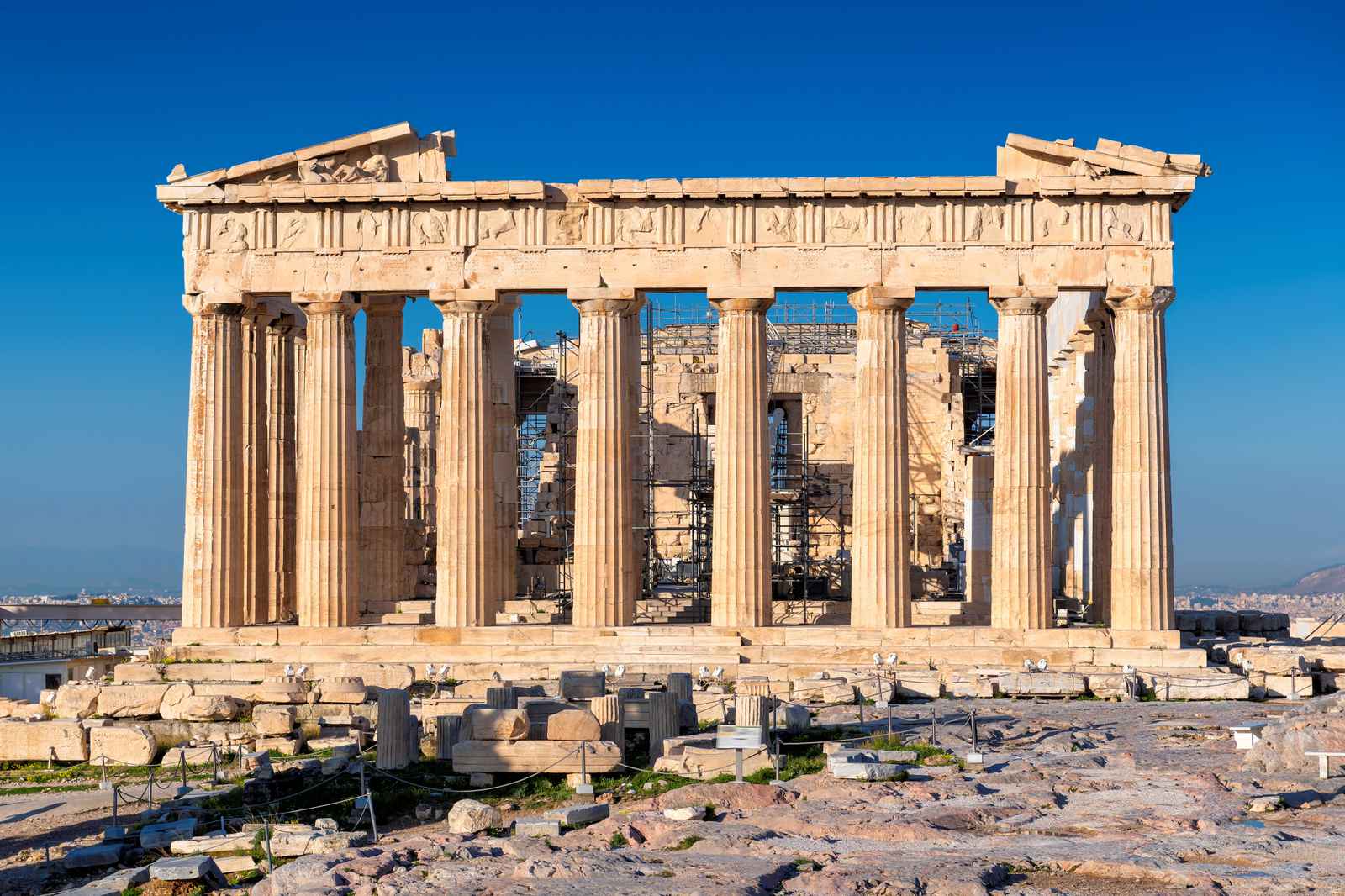
This course builds on Part 1, and allows you to extend and revise your grammatical knowledge so far while reading some engaging texts in Greek.
Filter by:
Filters
Start month
Day of the week
Time of day
This course builds on Part 1, and allows you to extend and revise your grammatical knowledge so far while reading some engaging texts in Greek.

The Minoans and Mycenaeans left us with the intriguing Greek Bronze Age sites of Knossos, Mycenae, Pylos and Akrotiri. The excavation of these sites turned archaeologists into superstars, as stunning architecture, sculpture and weaponry were revealed.

What are Greek myths? Who told them and why? How can we interpret them? Why are they still so powerful? How much history do they contain? This course will explore these fascinating tales from the past and attempt to make sense of them.
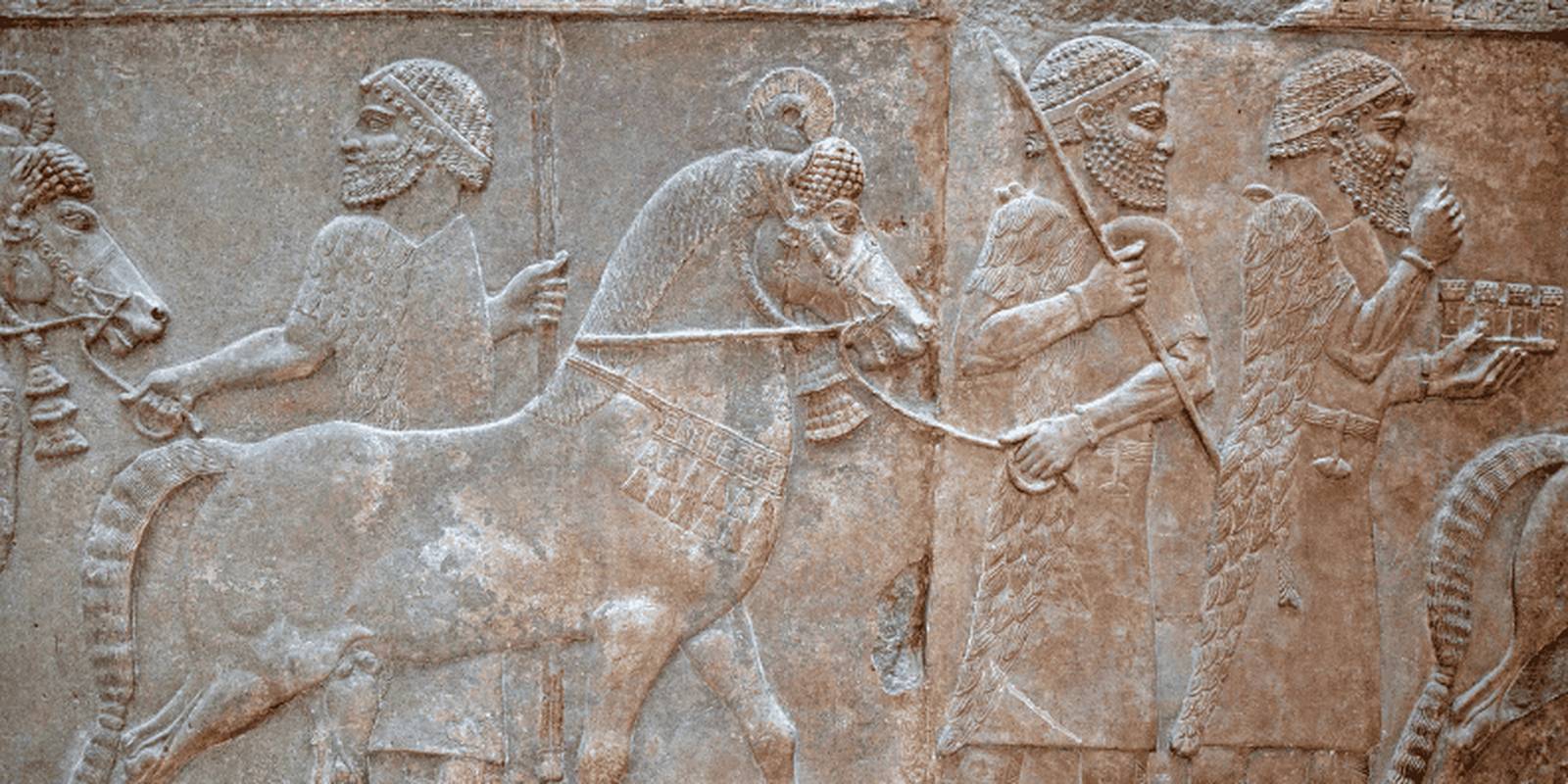
5,000 years ago on the plains of southern Mesopotamia, the Sumerians invented writing, built cities and forged the earliest empires. Using archaeology and textual sources, we will explore a unique civilisation, one that is at the root of our modern world.
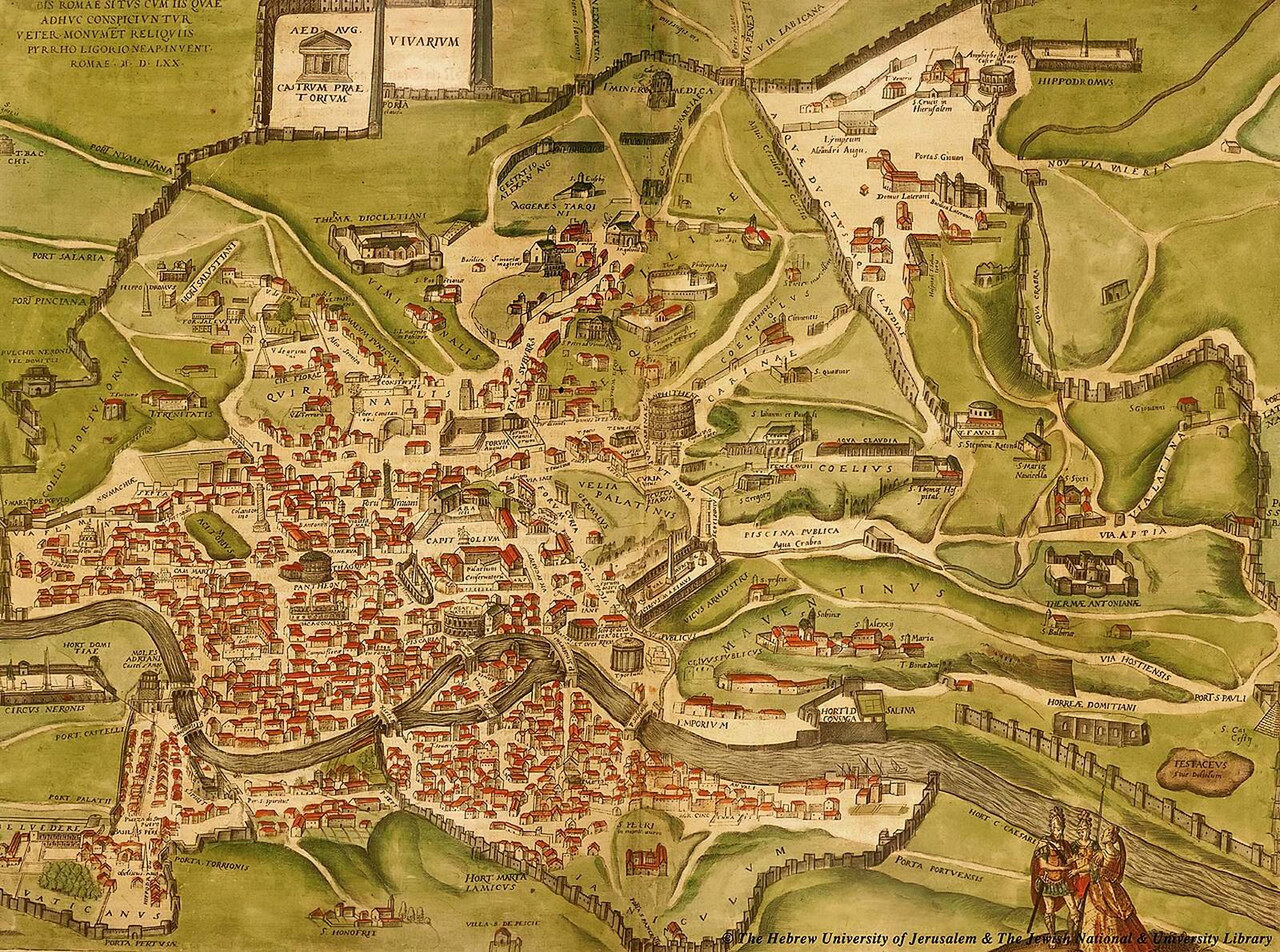
An introduction to various aspects of the intriguing history, vibrant culture and fascinating personalities of Ancient Rome and its enemies during its decline and fall (or transformation) in the last two centuries of the Empire in the West.

Ancient Greek is the language of Homer, Sophocles, Plato, the New Testament and many other texts. This class is for students who have either completed Ancient Greek 1 or have prior knowledge of Ancient Greek from elsewhere.

Complete the beginner’s level of Biblical Hebrew by review and consolidation of what has been learned in Parts 1 and 2, deepening knowledge of linguistic structures and increasing confidence.
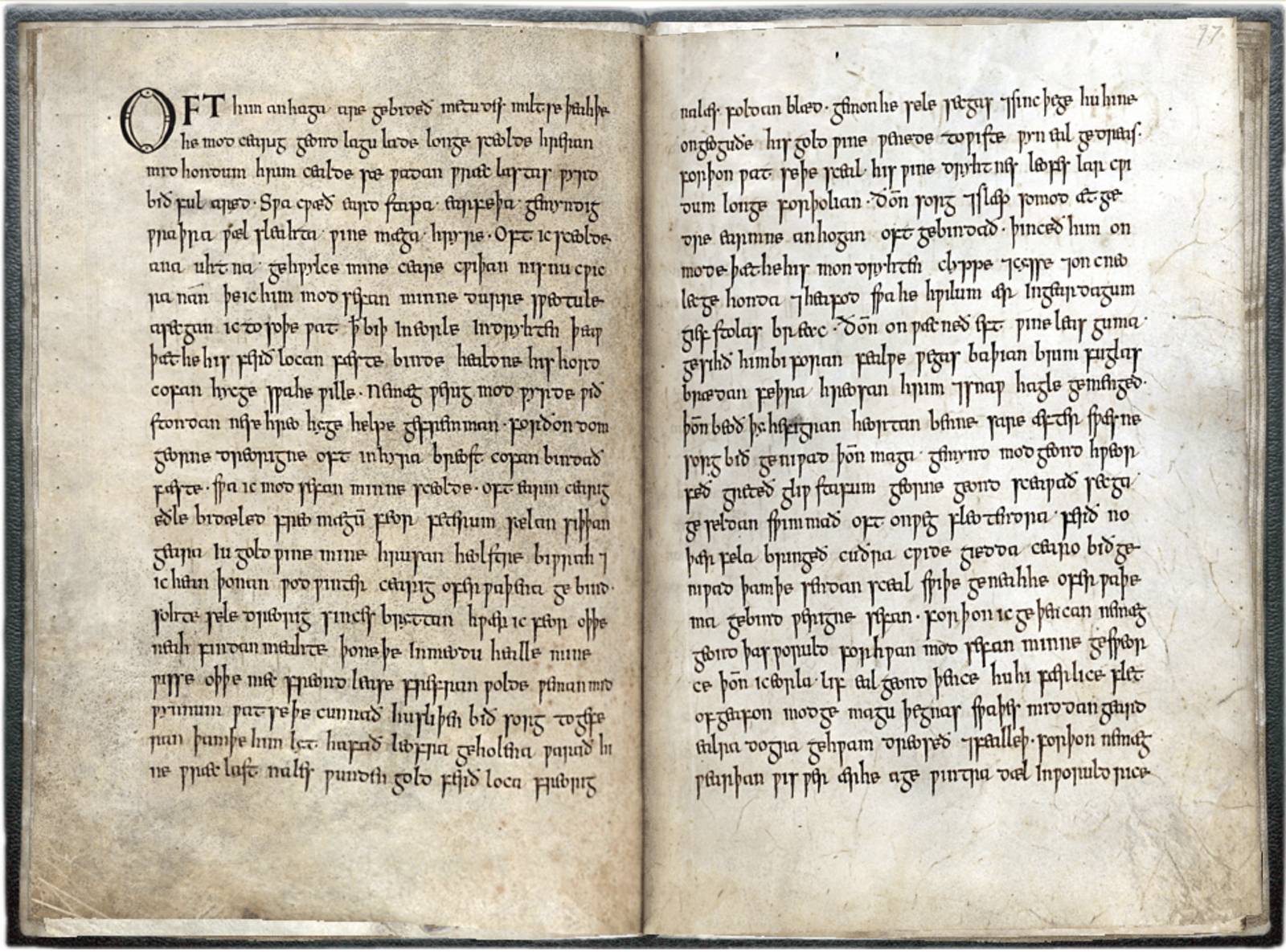
This course develops students’ knowledge of Old English, building on the grammar introduced in the Beginners module and extending their engagement with increasingly complex linguistic structures and textual features. Through a range of prose and verse tex
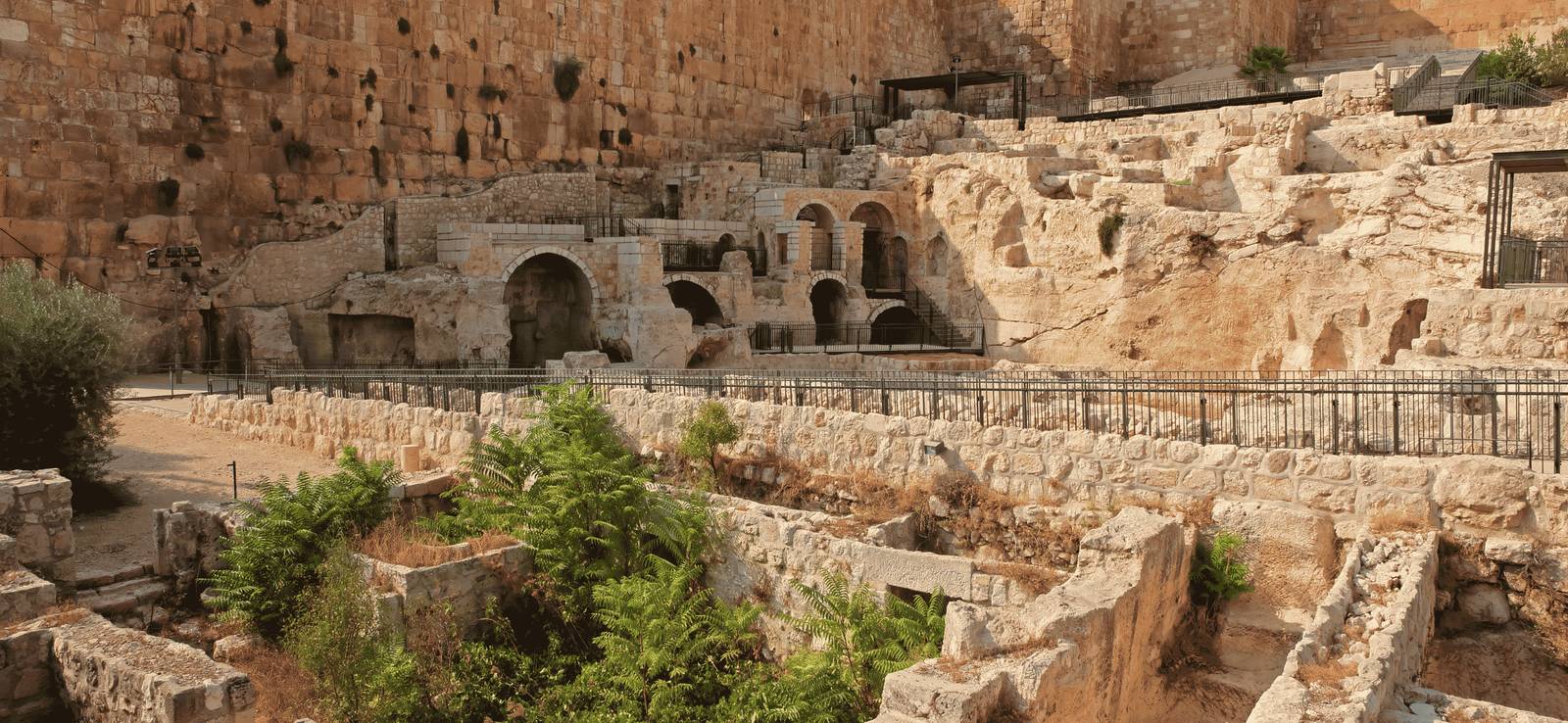
Step into the world of Biblical Archaeology and uncover the secrets of ancient Israel and Judah. Explore how discoveries and artifacts bring the Hebrew Bible to life, while debating the connections between history, interpretation, and faith.
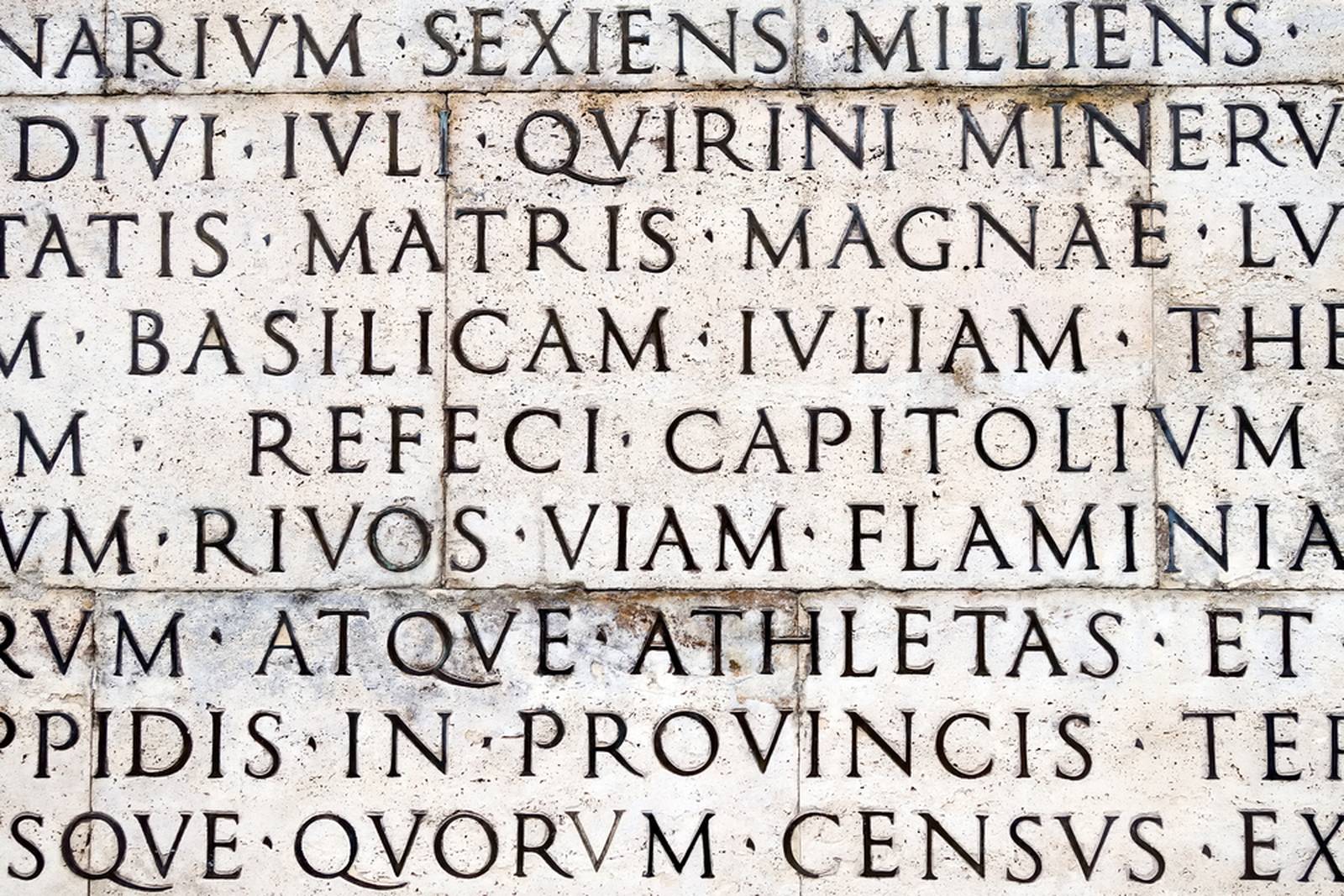
This course introduces you to the basic principles of Classical Latin. It provides a firm basis of grammar, sentence structure and vocabulary of the language, through which you will be able to read and translate into English Roman drama in adaptation.
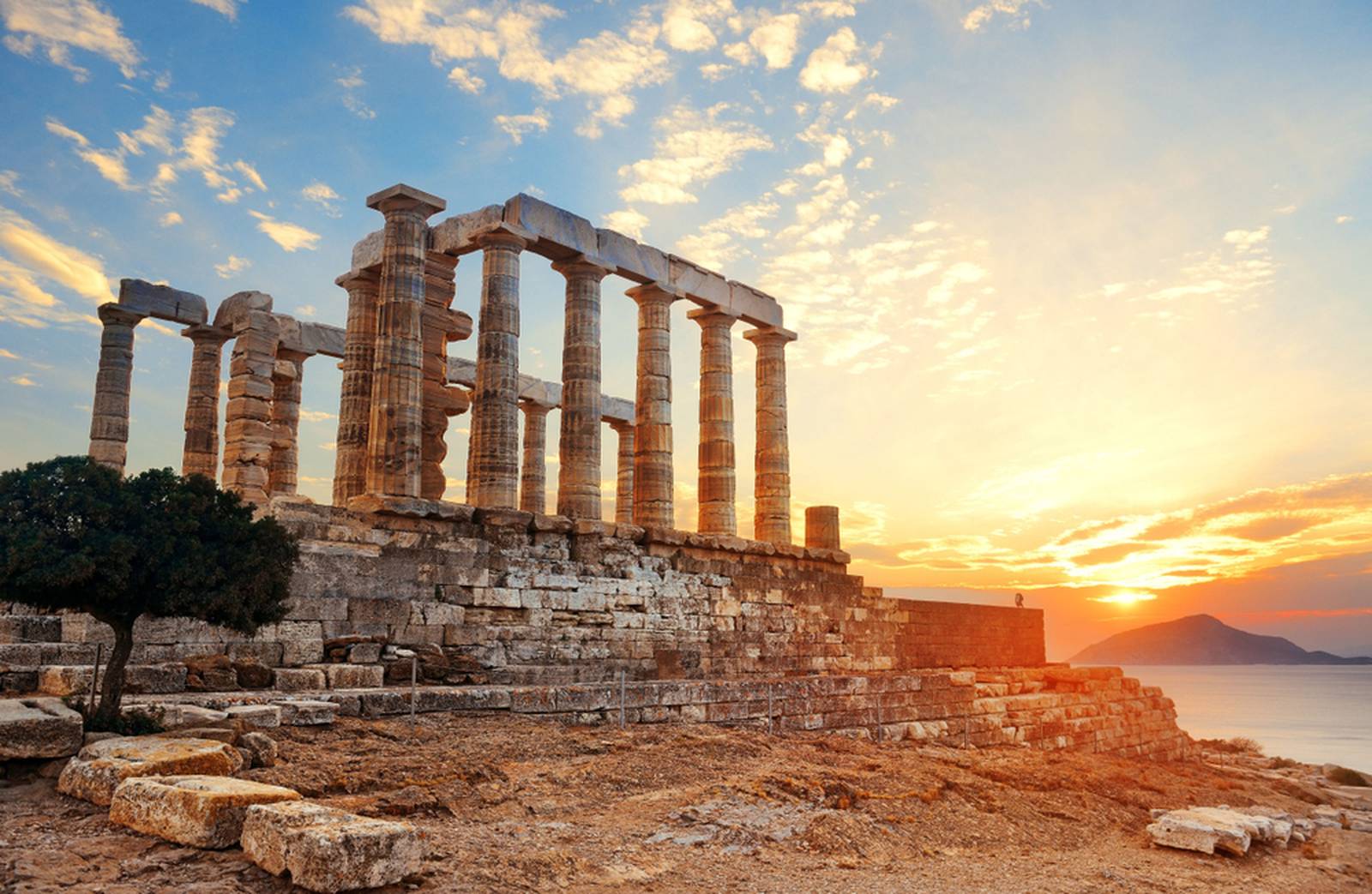
This 10-week consolidation course is based on the syllabus of the previous two terms and is primarily tailored to meet the needs of students who completed the weekly class, but new students who are at the appropriate level of proficiency are also welcome.

What are Greek myths? Who told them and why? How can we interpret them? Why are they still so powerful? How much history do they contain? This course will explore these fascinating tales from the past and attempt to make sense of them.