
This course will look at masterpieces of railway architecture such stations grand and small, viaducts, bridges, tunnel portals, hotels and other kinds of structures which are to be found over and beside the railway track.
Course search results
Filter by:
Filters
Start month
Day of the week
Time of day
Accredited courses include undergraduate and postgraduate level courses.
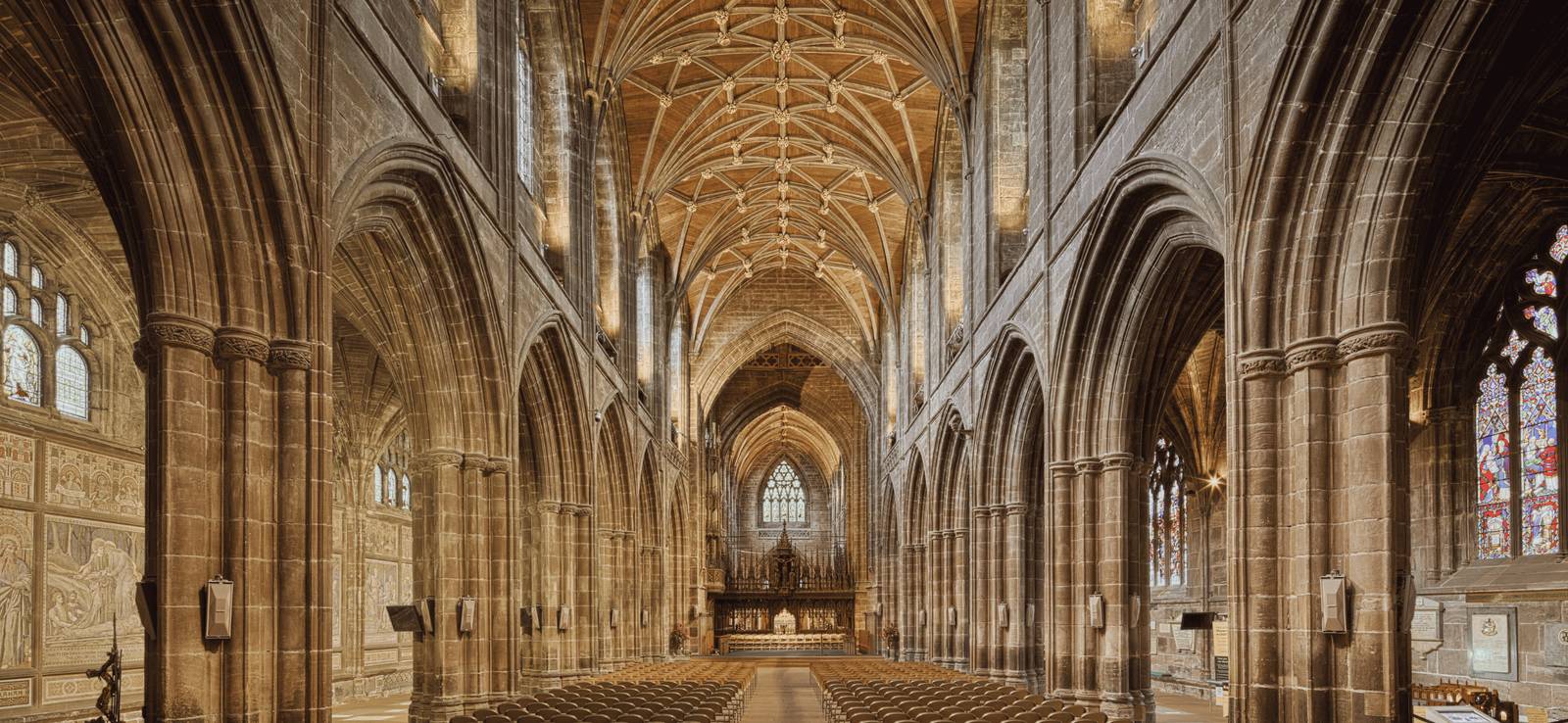
This course will explore the English medieval cathedral as a developing institution which survived over a thousand years of religious upheaval and historical change, focusing on the multifaceted architecture of a range of truly great churches.
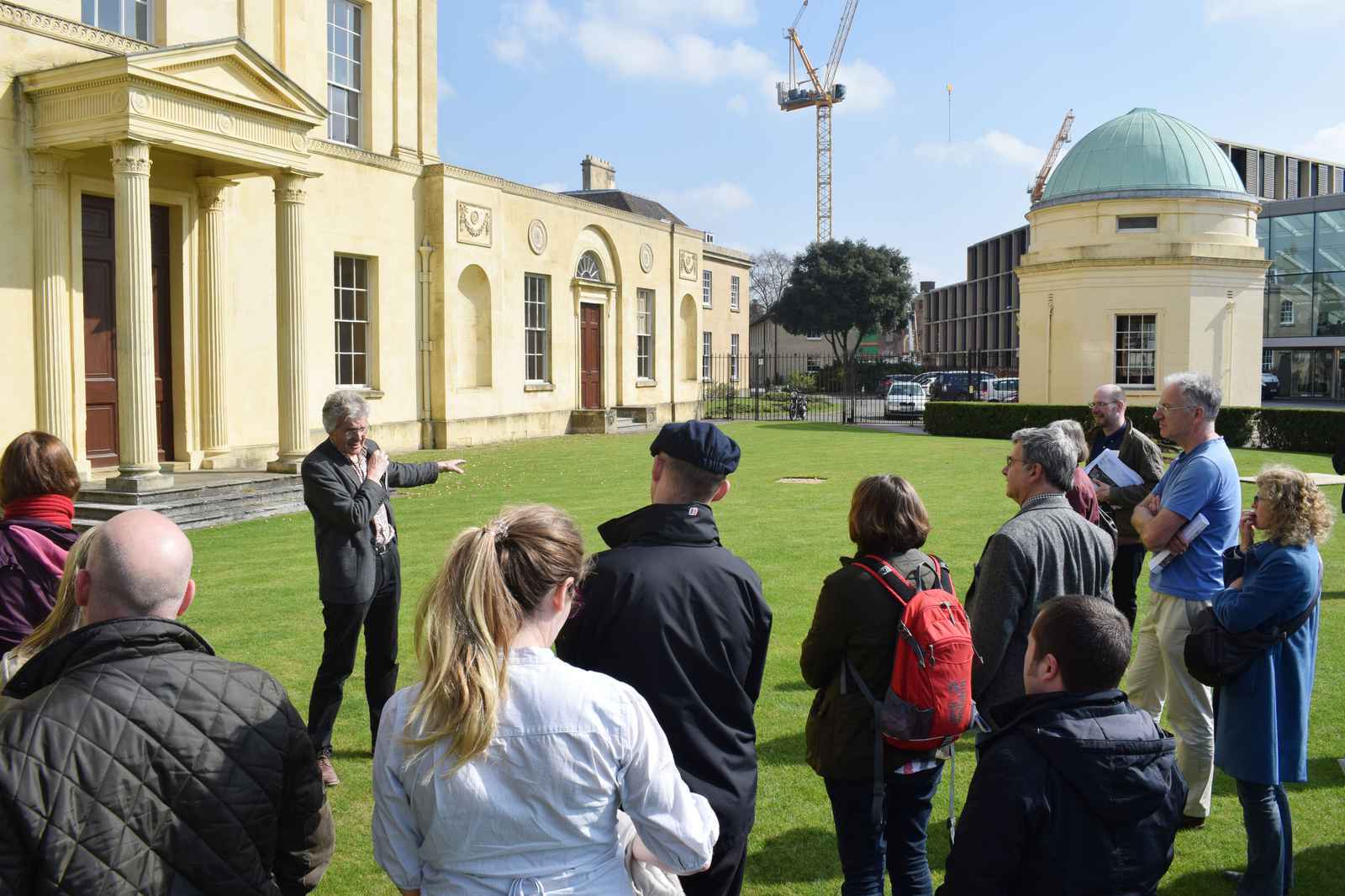
The degree of harm caused to heritage assets has become a key issue in guiding development decisions. Join our expert workshop to explore the meaning of 'harm' and how it is being interpreted in practice today.

This lecture will explore tradition and Modernism in the 1920s.
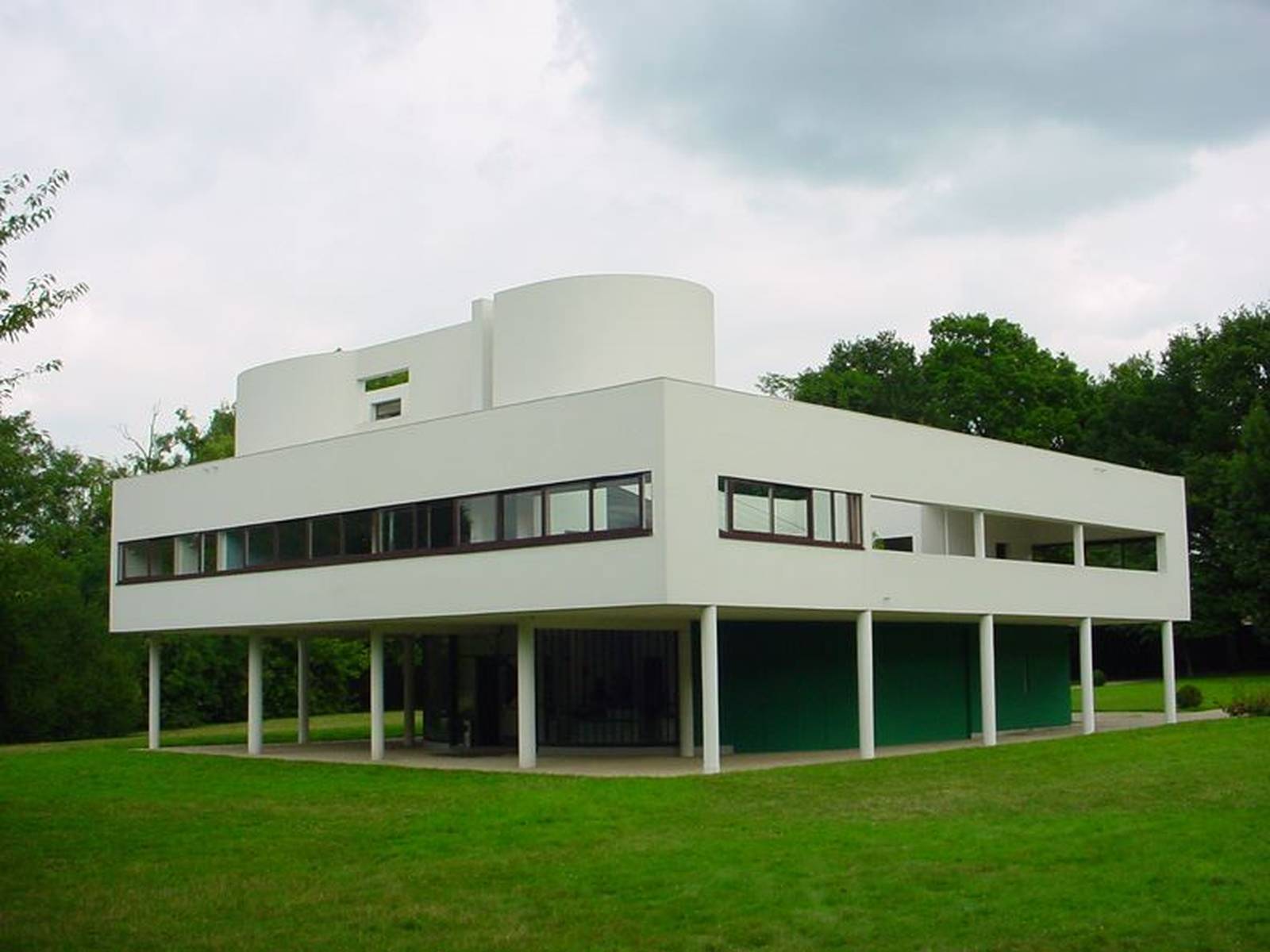
This lecture series will explore the art and architecture of the 1920s: the ‘Jazz Age’, which witnessed the earliest flowerings of Modernism. The ‘old’ was swept abruptly aside in favour of the ‘new’ - and the foundations were laid for the world of today.
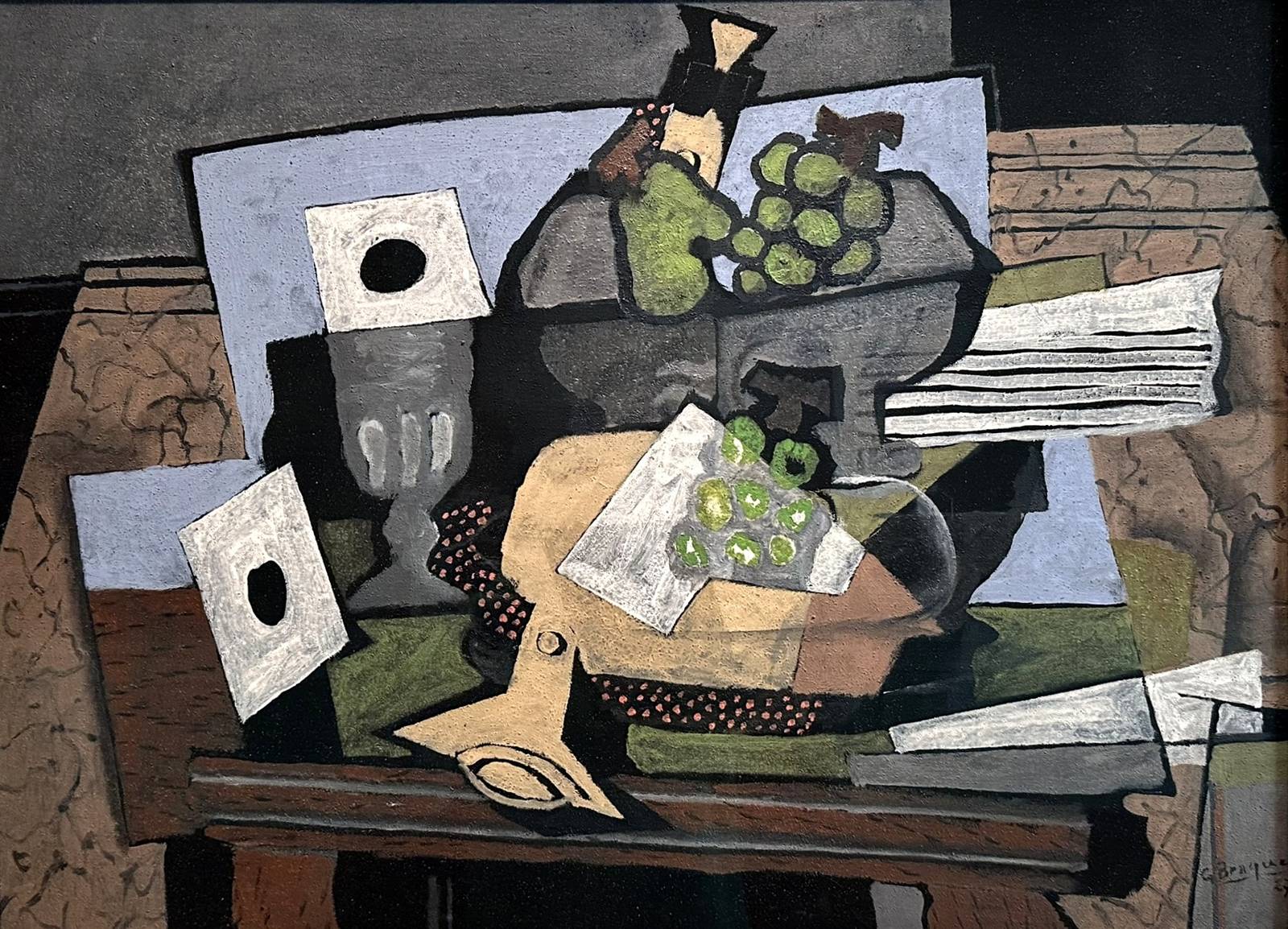
This lecture will will explore how Modernism came to dominate painting, sculpture, and architecture, and its pioneering artists..
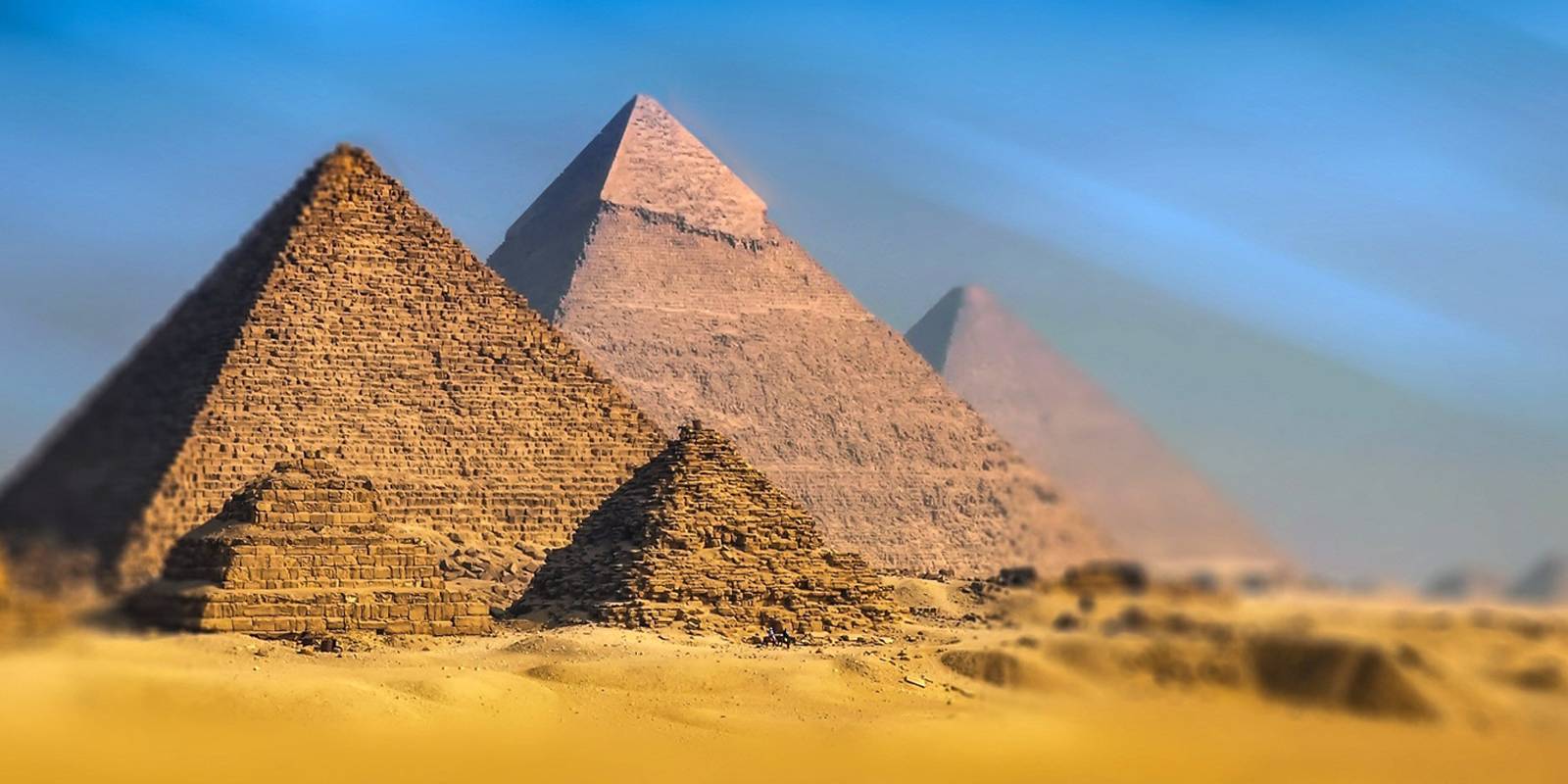
Investigate the emergence of architecture, from the earliest towns of the Neolithic to the Roman Empire. Explore urban form, construction materials and techniques, and discover how these how ancient building cultures influenced each other.

This lecture will will explore the art deco Exposition that took place in Paris in 1925.

An introduction to classical design in architecture, its ancient origins, its impact on Oxford architecture and modern examples. To include demonstrations by well-known modern practitioners and the chance for students to create their own designs.
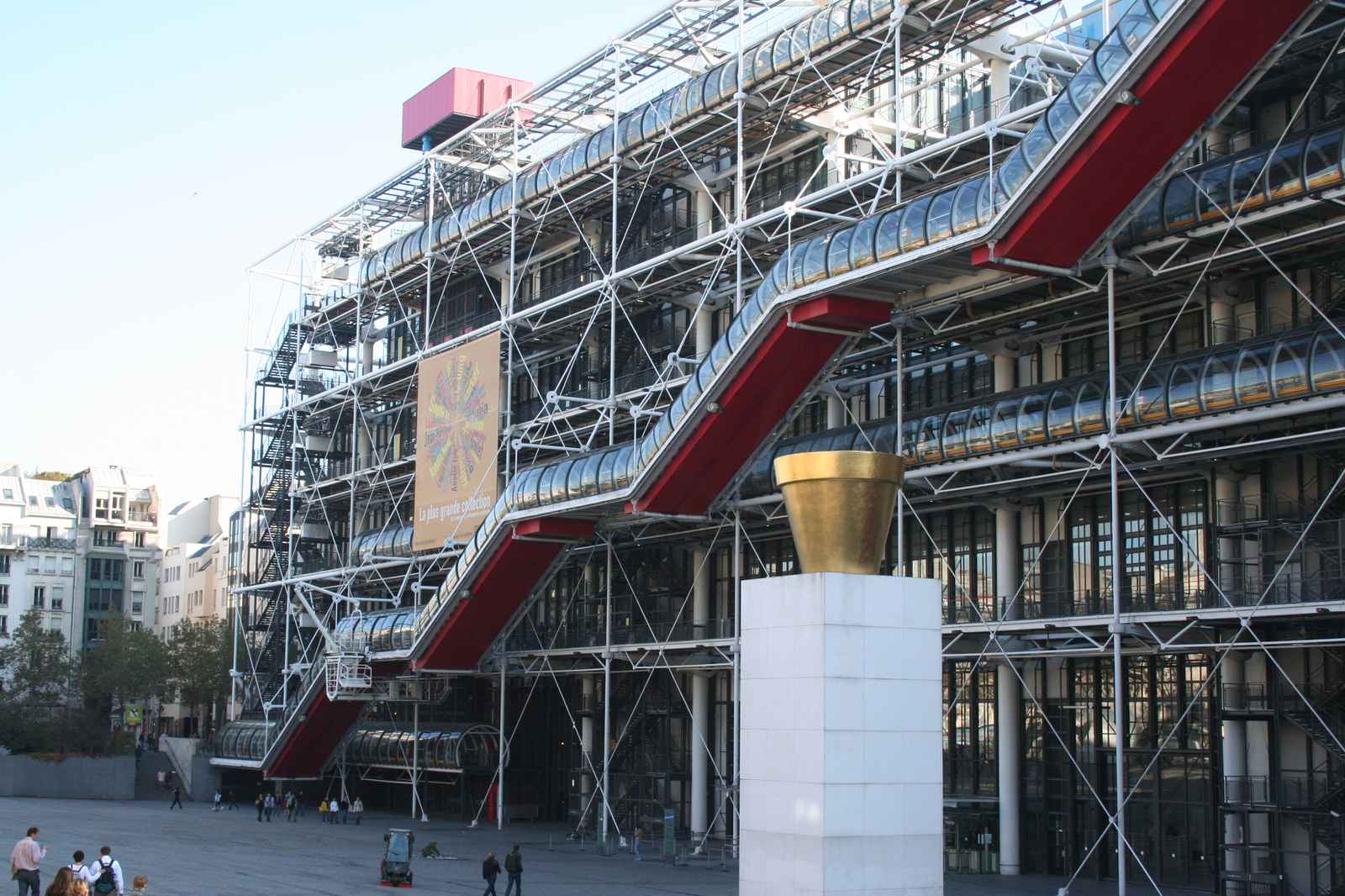
From the 1970s onwards Norman Foster and Richard Rogers have shown the international impact that British architecture has made. Followed up by UK based practices such as Zaha Hadid's they have together pioneered styles from HiTech to Complex Curves.

This course will examine five Oxfordshire market towns, all of which were developed as new towns in the Middle Ages - Thame, Chipping Norton, Witney, Woodstock, and Burford. There will be alternating class sessions and field trips to the study towns.
This course will look in particular at the Great Fire in 1666, its rebuilding by Wren, and the Blitz between 1940 and 1944, resulting in the making of the Modern London. The course will be illustrated with paintings, engravings, maps and photographs.