
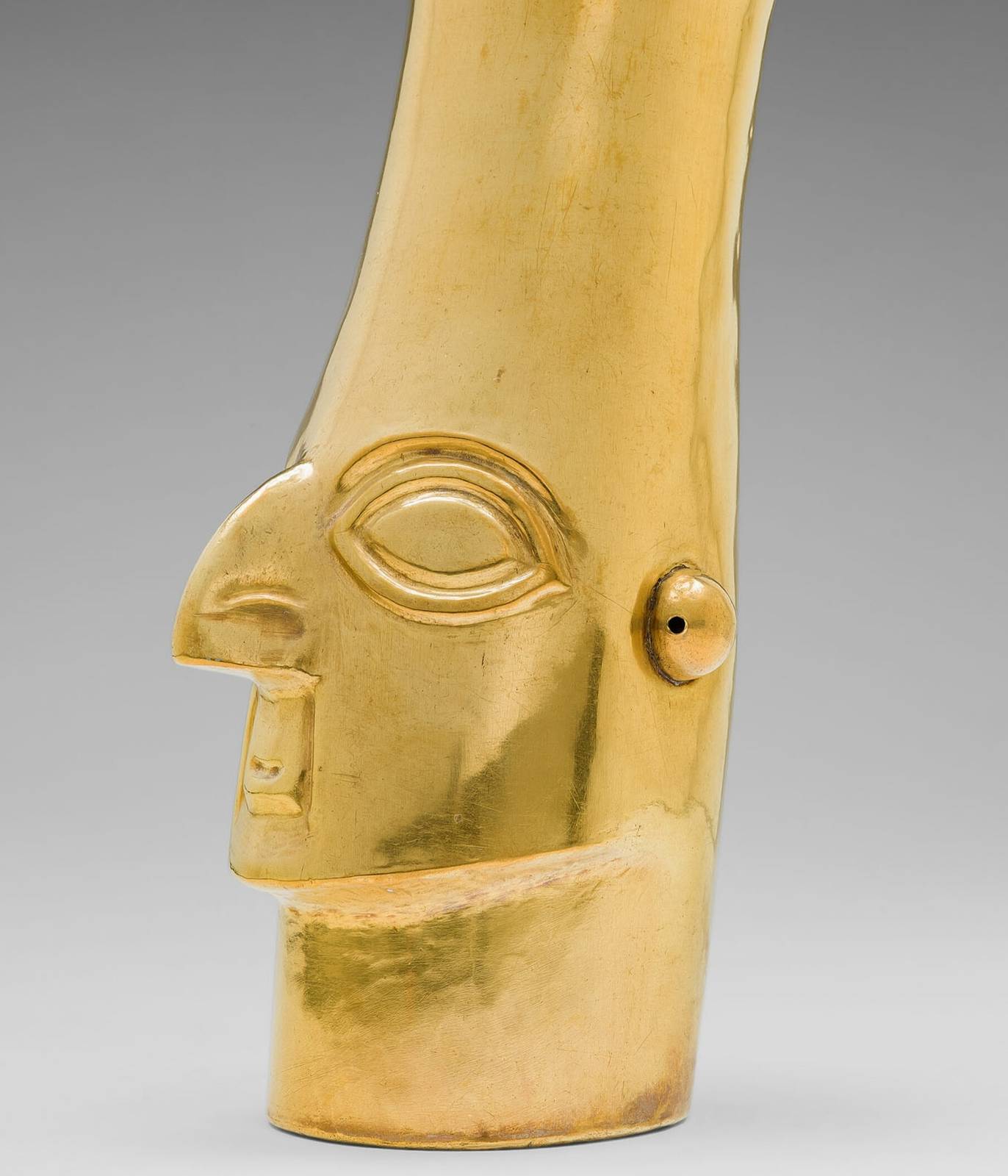
What makes gold sacred? Discover how artists in the Americas used this radiant material to create dazzling works of art, blending Indigenous traditions and Christian imagery in the Renaissance and Baroque.
Filter by:
Filters
Start month
Day of the week
Time of day
What makes gold sacred? Discover how artists in the Americas used this radiant material to create dazzling works of art, blending Indigenous traditions and Christian imagery in the Renaissance and Baroque.
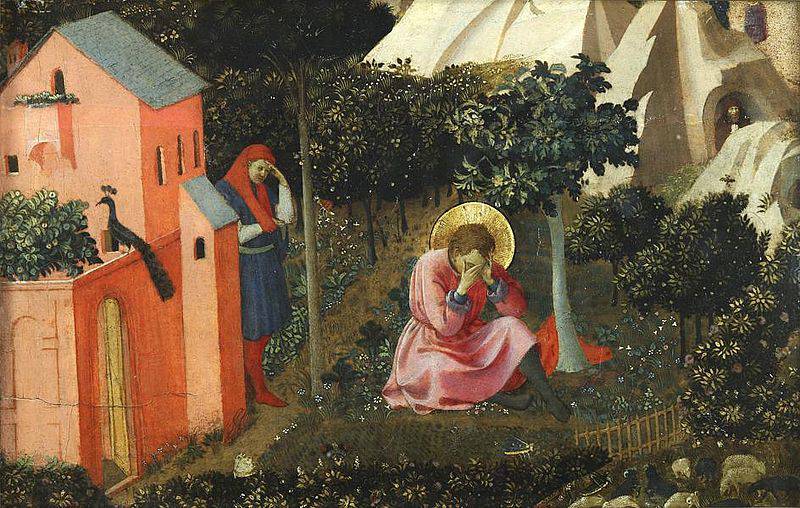
Come immerse yourself in Augustine's Confessions, a profound reflection on the inner life and motivations of one of history's greatest thinkers and writers. The course combines historical, literary, religious, philosophical and psychological approaches.

Introduction to the content of the Old Testament/Hebrew Bible and the New Testament, together with their religious and socio-political backgrounds, languages and main theological themes and interpretations.

This introductory course will explore the main stylistic and iconographic themes in Islamic art and highlight the diversity of its expressions.

How can we begin to understand the spiritual lives of prehistoric people? When do religious ideologies first appear on the human evolutionary timescale? Using both anthropology and archaeological evidence these and many other questions are examined.
Explore the second half of Exodus, the Israelites journey through the Wilderness to Sinai, where Moses receives the Law. Examine its narratives, law codes and instructions for worship, considering each chapter’s content, meaning and application.
Buddhist Mind Science provides insights into the process of dying, helping us prepare for it and support others. Additionally, it offers tools to enhance emotional intelligence, deepen meditation practices, and discover greater purpose in our daily lives.
Explore the origins of Christian mystical theology, examining how it developed from twin roots in Jewish apocalypticism and Platonic philosophy.
Issues of great moral concern have prevailed throughout human history. In this course, we will examine some of the key moral issues in contemporary society including animals, euthanasia, freedom of speech and capital punishment.
This course introduces the Bible, its text, canon, and theology. It provides a foundation for analysing the Old and New Testaments, exploring their content, context, and themes, and developing tools for interpretation and relevance to Christianity.

The Bachelor of Theology builds on the introductory knowledge and skills acquired in the Certificate. You will develop a broad knowledge and understanding of the beliefs, practices, texts and history of the Christian tradition.
The Certificate in Theological Studies will introduce you to the study of theology as a subject discipline, bringing together cognate strands of theology, especially biblical studies, historical and systematic theology, and practical theology.