
Life writing – whether memoir, biography, literary non-fiction, eye-witness accounts, blogs (the list goes on) – can be very powerful when told with brevity. Short-form writing is an end in itself; it also helps us focus on our writerly craft.
Filter by:
Filters
Start month
Day of the week
Time of day
Life writing – whether memoir, biography, literary non-fiction, eye-witness accounts, blogs (the list goes on) – can be very powerful when told with brevity. Short-form writing is an end in itself; it also helps us focus on our writerly craft.
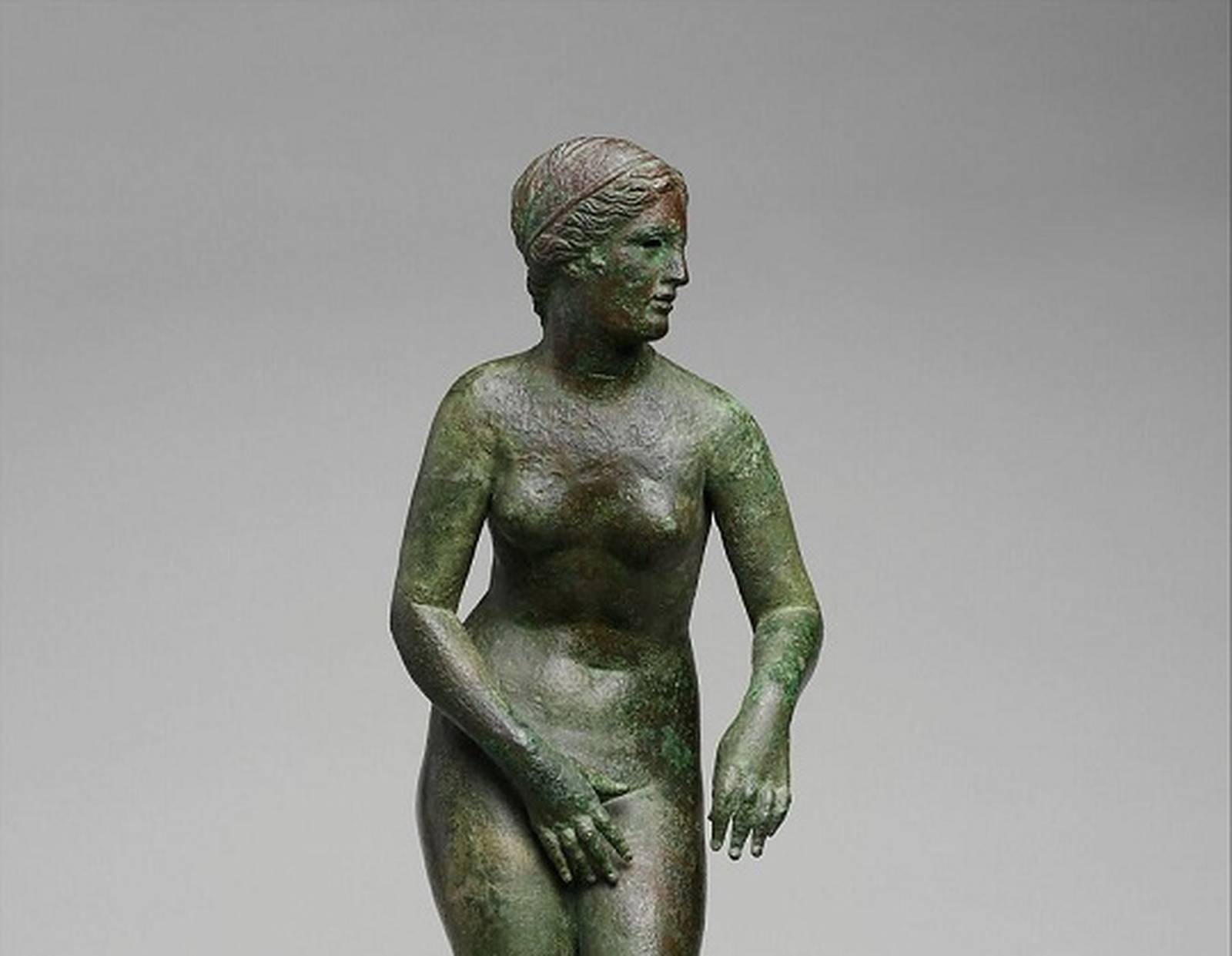
Discover Aphrodite beyond the familiar goddess of beauty: a powerful and complex deity of love, desire and persuasion, whose influence shaped Greek religion, myth and literature - and whose power could be creative, compelling and dangerous.
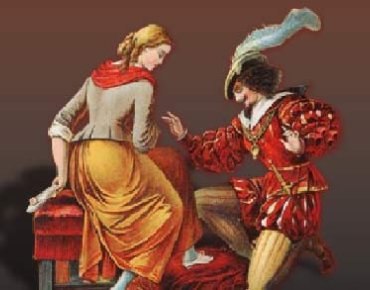
'Bel canto' means beautiful singing but has come to be associated with the operas of Rossini, Donizetti and Bellini in particular. This course will examine examples of this repertoire and the technique of 'Bel canto' singing required to perform it.
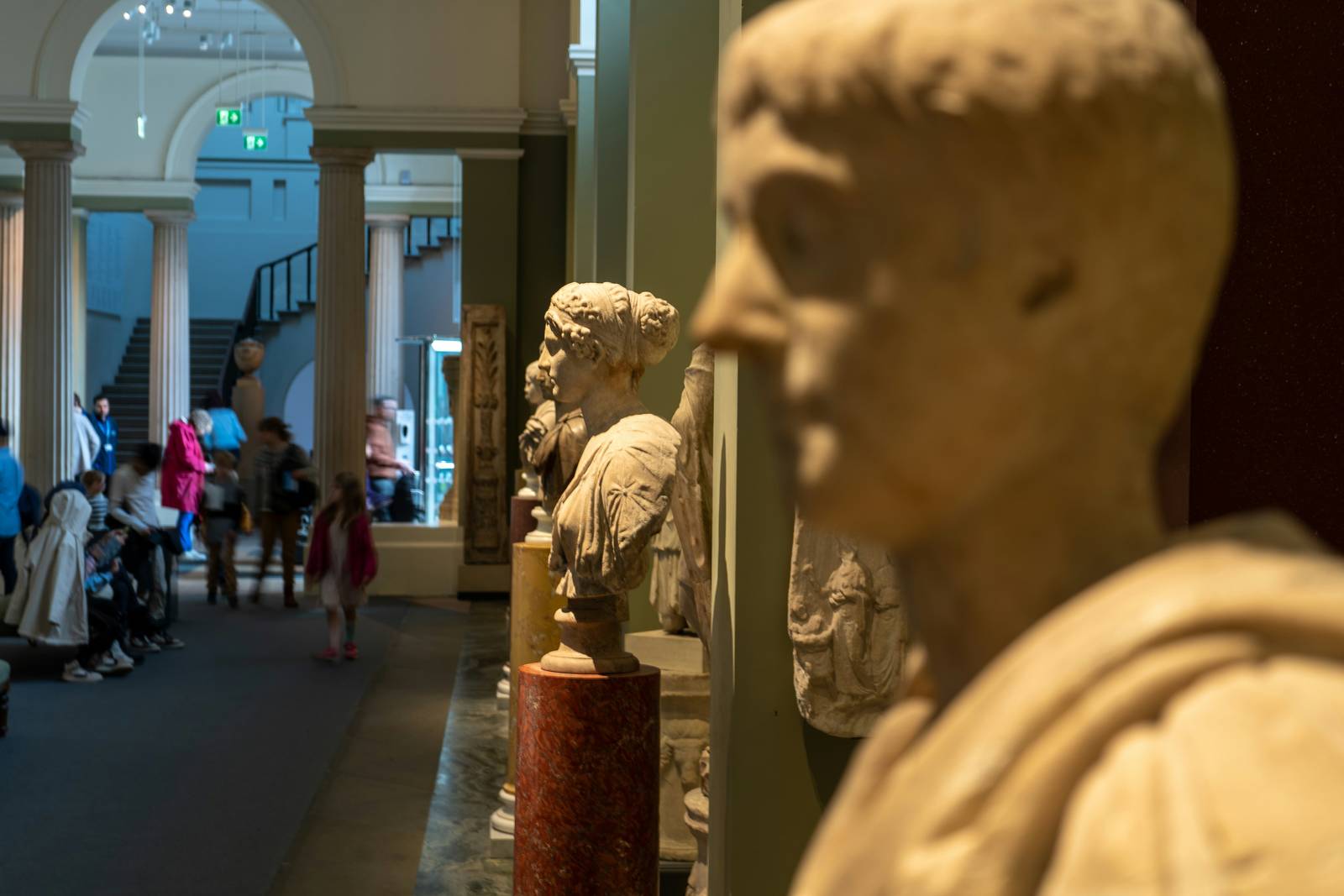
This guided viewing in the Ashmolean Museum will centre on seven of Leonardo da Vinci’s original drawings, from which we will also consider relationships with his paintings and writings, as well as to copies by contemporary and later artists.
Explore the dazzling richness and exuberance of Baroque art and architecture - from the earliest experiments of Michelangelo, to the voluptuous sensuality of Bernini, and beyond. Artists studied will include Borromini, Titian, Caravaggio, and Rubens.

This weekend explores the building blocks of storytelling: inspiration; character; plot; setting; structure; description and editing. Join us in Oxford for a fun, interactive course and develop your unique writer's voice. No previous experience necessary.

Short enough to write in a single day, flash fiction is an agile, innovative form that brings character, mood and language to the forefront. This online workshop is suitable for beginners and experienced writers.
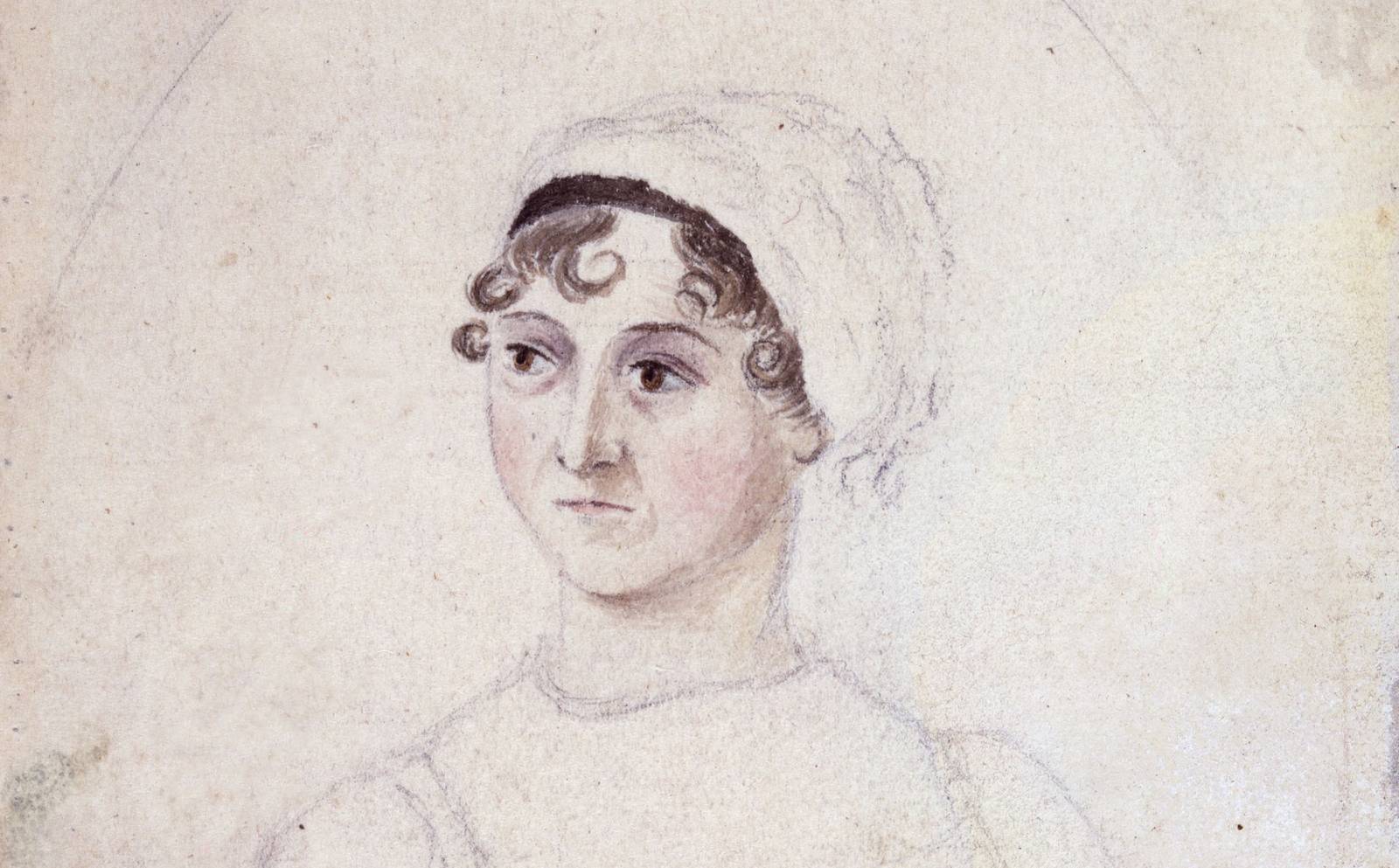
Assessing the disparate, fascinating protagonists of Jane Austen’s Northanger Abbey, Pride and Prejudice, and Mansfield Park to explore her wit, satire, and complex treatment of contemporary ideals of femininity.

This course provides an introduction to the legal and ethical issues arising in the art and cultural heritage sectors today. Aimed at all those engaged in the art world, it will outline principles and practices, exploring cases from the UK and beyond.

Discover Alexander the Great, unparalleled in his capacity to captivate the collective imagination, serving not only as an exemplar for world rulers, but also as a popular figure in various works of art and literature with this in-person day event.
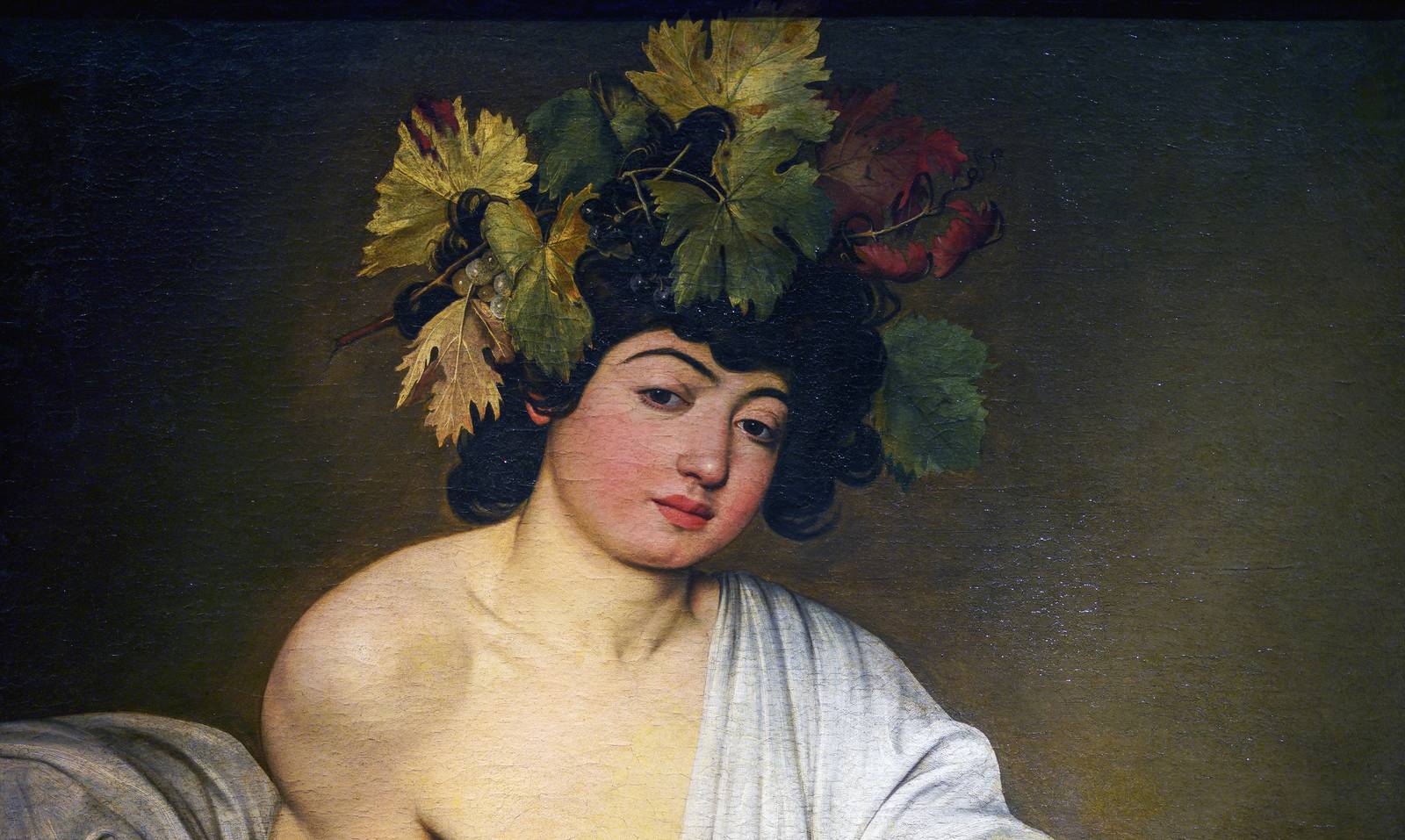
From feasting gods to sacred liturgy, discover how wine became a powerful symbol in Renaissance and Baroque art, revealing stories of celebration, excess, faith, and everyday life.
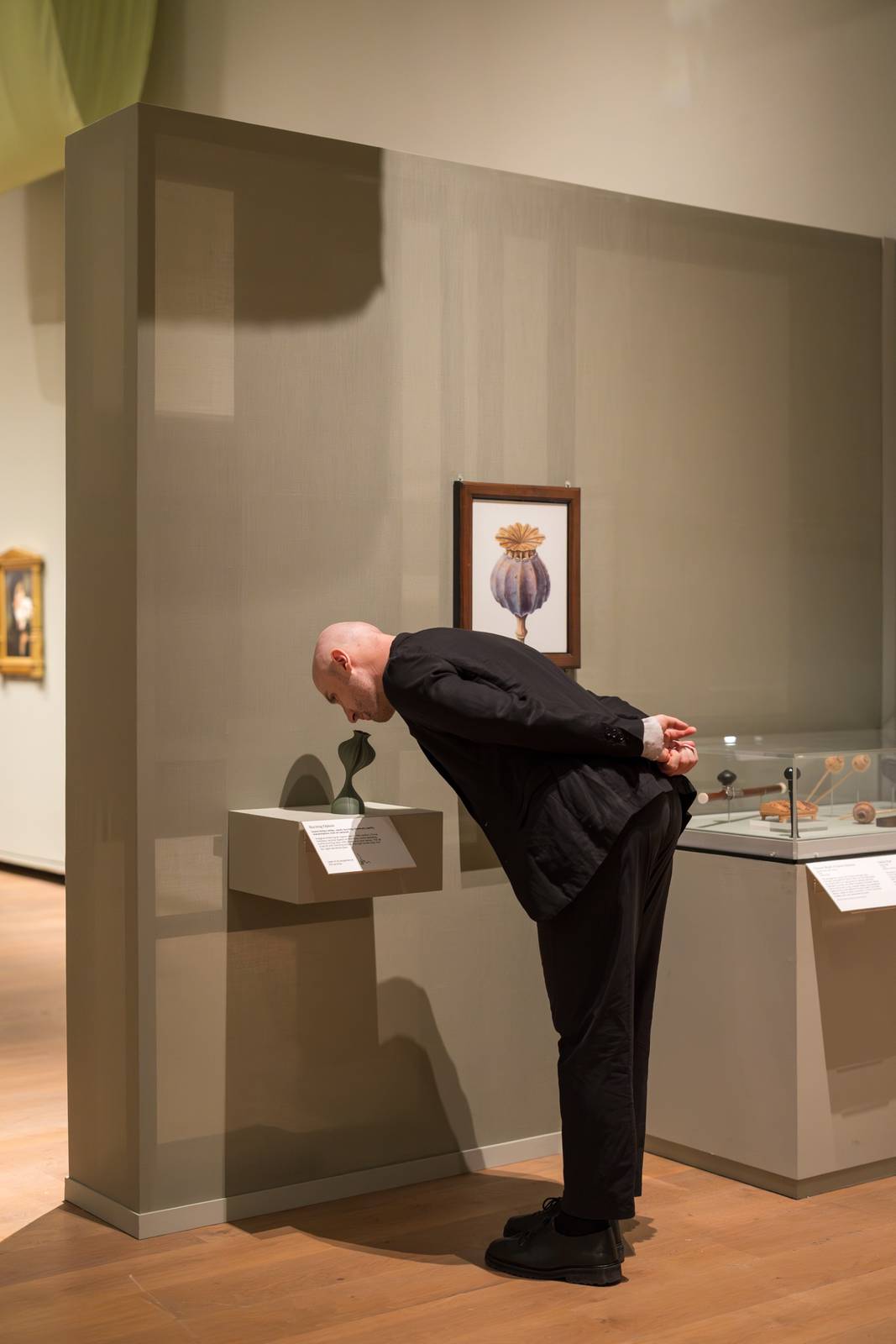
Do your exhibitions stink? Scent is becoming a popular feature in museums, but what makes olfactory visitor experiences effective? We will explore the theory, practice, benefits and pitfalls, with useful tips to help harness scent as an interpretive tool.