
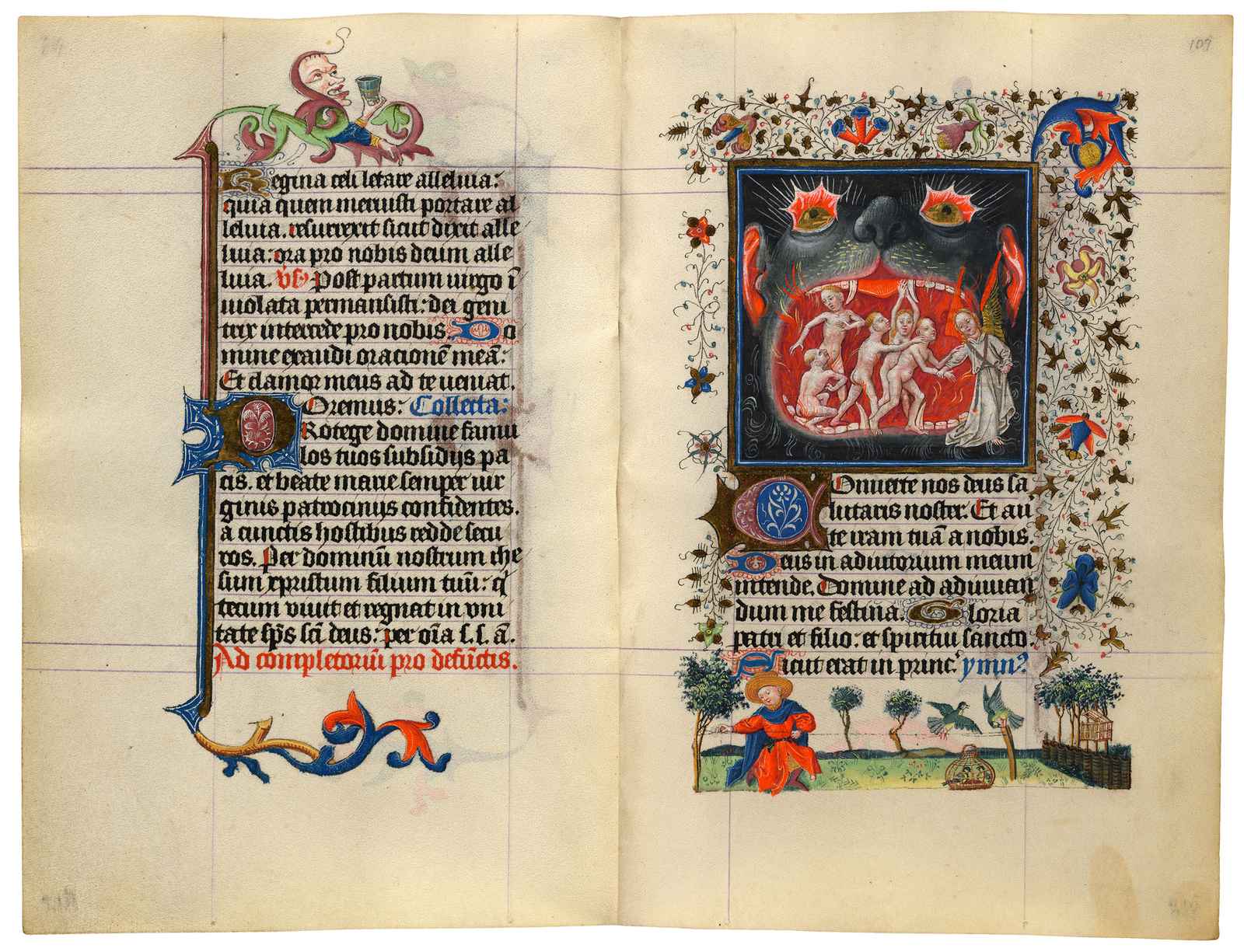
Uncover the mysteries of the medieval afterlife through its art and architecture. Examine a range of objects from across Western Europe and the Mediterranean.
Filter by:
Filters
Start month
Day of the week
Time of day
Uncover the mysteries of the medieval afterlife through its art and architecture. Examine a range of objects from across Western Europe and the Mediterranean.
Are Kant’s ethics a powerful assertion of the values of humanity and autonomy or a rigid and crypto-theological slave morality? This short online course will examine these questions by means of a close reading of Groundwork for the Metaphysics of Morals.
This course continues to introduce the basic principles of Classical Latin. It provides a firm basis of grammar, sentence structure and vocabulary of the language, through which you will be able to read and translate Roman drama in adaptation.

The art of prehistoric Europe is rich with imagery such as cave paintings, carvings, body ornamentation and frescoes. This course considers a range of sites and artefacts in our exploration of the unique and creative ways people visualised their world.

Economists and politicians have assumed that growth is good. In recent decades this has been challenged. Is it right that society should no longer aim for economic growth? What are the alternatives?

A sense of place, community, and urban design are core to anyone’s experience of living in a city. This course explores how community engagement can be key to building more sustainable cities.

This course builds on Part 1, and allows you to extend and revise your grammatical knowledge so far while reading some engaging texts in Greek.

This course will teach you the basics of quantum physics. From the quantisation of energy, we will explore the idea of a wavefunction, learn about entanglement, the uncertainty principle and how they are used for teleportation and quantum computers.

Linear algebra and its matrices appear throughout the sciences and in the mathematical parts of the social sciences. This basic course is a prerequisite to understanding advanced mathematics and myriad closely and distantly related quantitative fields.

Introduction to the content of the Old Testament/Hebrew Bible and the New Testament, together with their religious and socio-political backgrounds, languages and main theological themes and interpretations.

Discover Rogers’ Person-Centred Approach and its influence on counselling, psychology, medicine, education, diplomacy, and (even) sales. A fascinating course for both personal interest or professional growth.

Join this interactive course to further develop your basic Spanish language skills and enjoy exploring the culture. For those who have completed Beginners - Part 1 and new students who have studied the language formally for one term.