
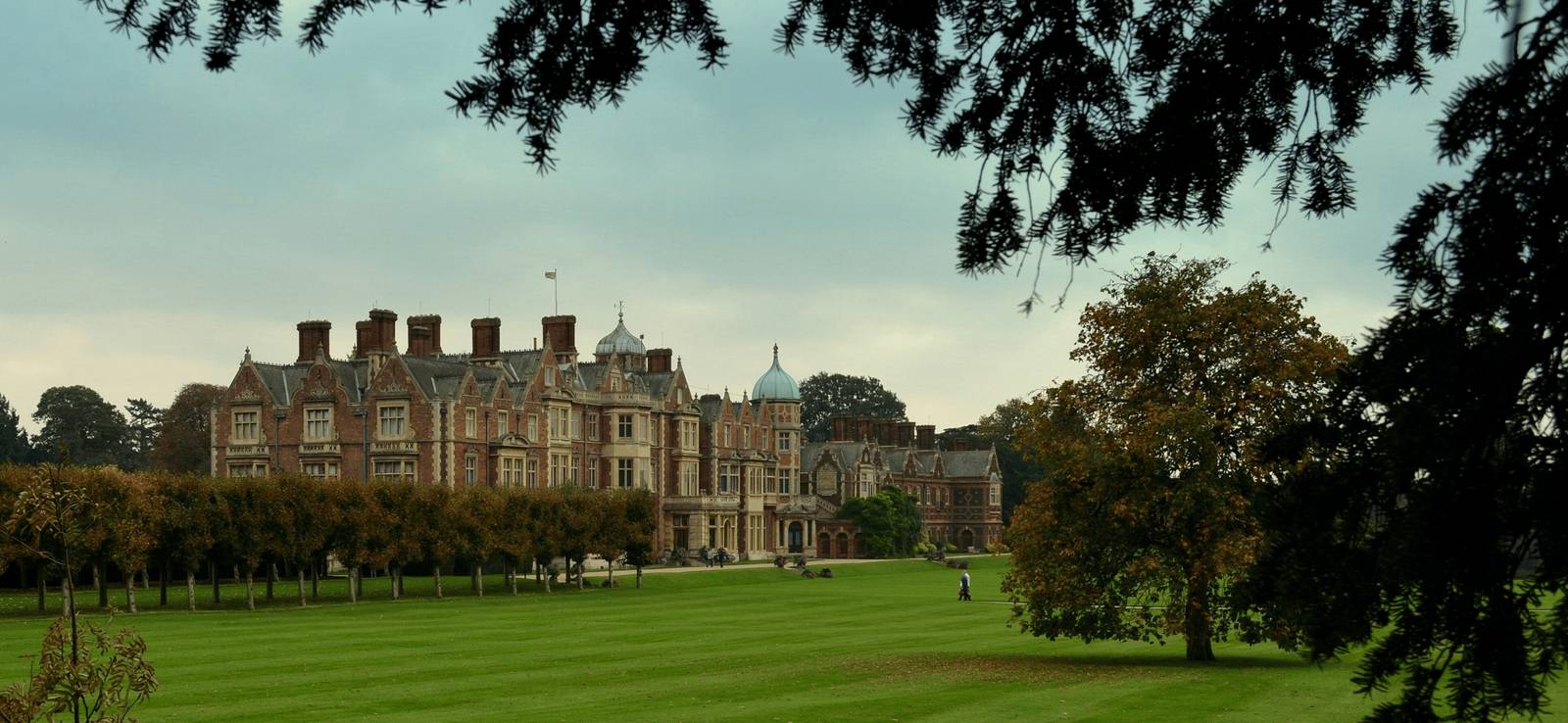
Explore the culture of the English country house from its architectural form, social manners and distinctions to the furnishings and artistic manifestations of taste, as an expression of power and influence in a changing society.
Filter by:
Filters
Start month
Day of the week
Time of day
Explore the culture of the English country house from its architectural form, social manners and distinctions to the furnishings and artistic manifestations of taste, as an expression of power and influence in a changing society.

Explore how ideas about trade, value and society took shape in ancient Greece, China, India and Europe, before tracing how these traditions influenced the economic thinking that shaped the 20th century.

Explore Impressionism and modern life in nineteenth-century France through the work of Monet, Manet, Degas and their contemporaries. This course examines Impressionist techniques, women Impressionists, critical responses to the exhibitions, and the moveme

A modern, democratic, multicultural Britain developed throughout the twentieth century. This course will examine the key social, economic and political influences that have shaped modern Britain.

This course will focus on works by four of the era's major figures - Anthony Trollope, George Eliot, Charles Dickens and Thomas Hardy - identifying how the century's main preoccupations find substance in the work of its greatest writers.

Beginning with the vital structural innovations of the late Victorian era, this online course traces the rise and spread of modernism in European and American architecture, and concludes by examining contemporary architecture and future possibilities.

This course is for those who would like to write but don't know how; who tried once and gave up; or who already write but would like to improve; and for readers who have no desire to write but want a different perspective on how fiction works.
This lecture will examine how digital technologies and hacking affect agent running, counter-intelligence, and cyber espionage, including the use of supply chain attacks to support intelligence operations and large-scale data breaches.
This lecture will explore the growth of the commercial cyber espionage market, examining demand for private hacking services, how surveillance contracts are structured, and efforts to limit the global proliferation of cyber capabilities.

For those who have some research experience and an understanding of basic statistical principles, and who wish to develop their statistical expertise.
This lecture will examine the history and practice of cyber warfare, exploring how influence, espionage, and sabotage operations are used before and during conflict to support military strategy and conventional warfare.
This lecture will examine how states counter cyber threats, exploring measures from criminal prosecutions to offensive cyber operations, while analysing the risks, escalation challenges, and effectiveness of different response options.