
Become a more attentive, appreciative and critical reader of literary texts on this weekly class in Oxford, with an emphasis on close critical analysis.
Filter by:
Filters
Start month
Day of the week
Time of day
Become a more attentive, appreciative and critical reader of literary texts on this weekly class in Oxford, with an emphasis on close critical analysis.

During this course, we shall spend time getting to know a range of Shakespeare's plays in detail, supplementing this knowledge with information about their historical background, their theatrical history, and current critical debates.

Join this course to develop your Spanish language skills and engage more confidently in sustained conversations, expressing ideas, opinions, and experiences on a range of topics. A progression course for learners who have completed Intermediate - Part 1.
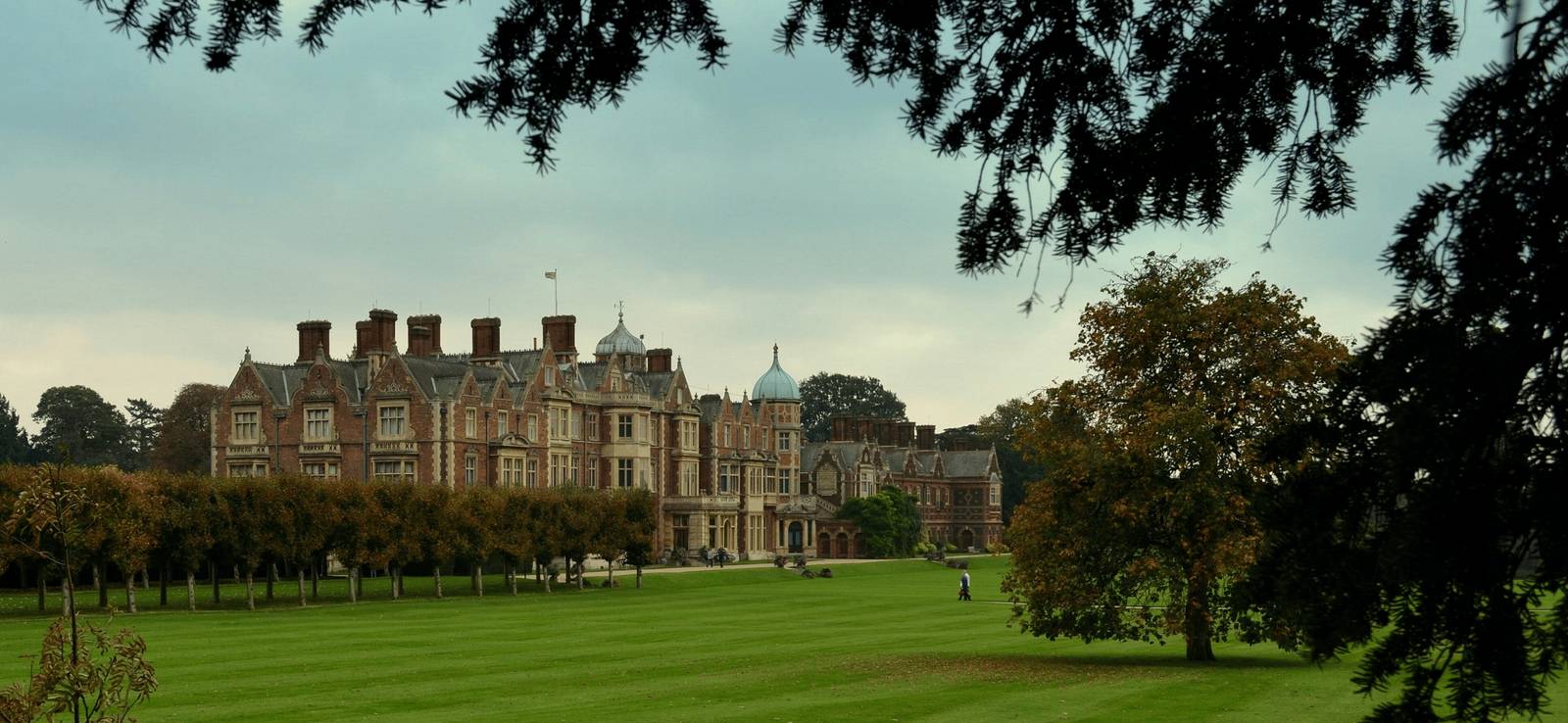
Explore the culture of the English country house from its architectural form, social manners and distinctions to the furnishings and artistic manifestations of taste, as an expression of power and influence in a changing society.
How do we perceive the world, reason, make decisions, and experience emotion? Drawing on cognitive psychology and neuroscience, this course explores the mental processes and brain mechanisms that shape human thought, feeling and behaviour.
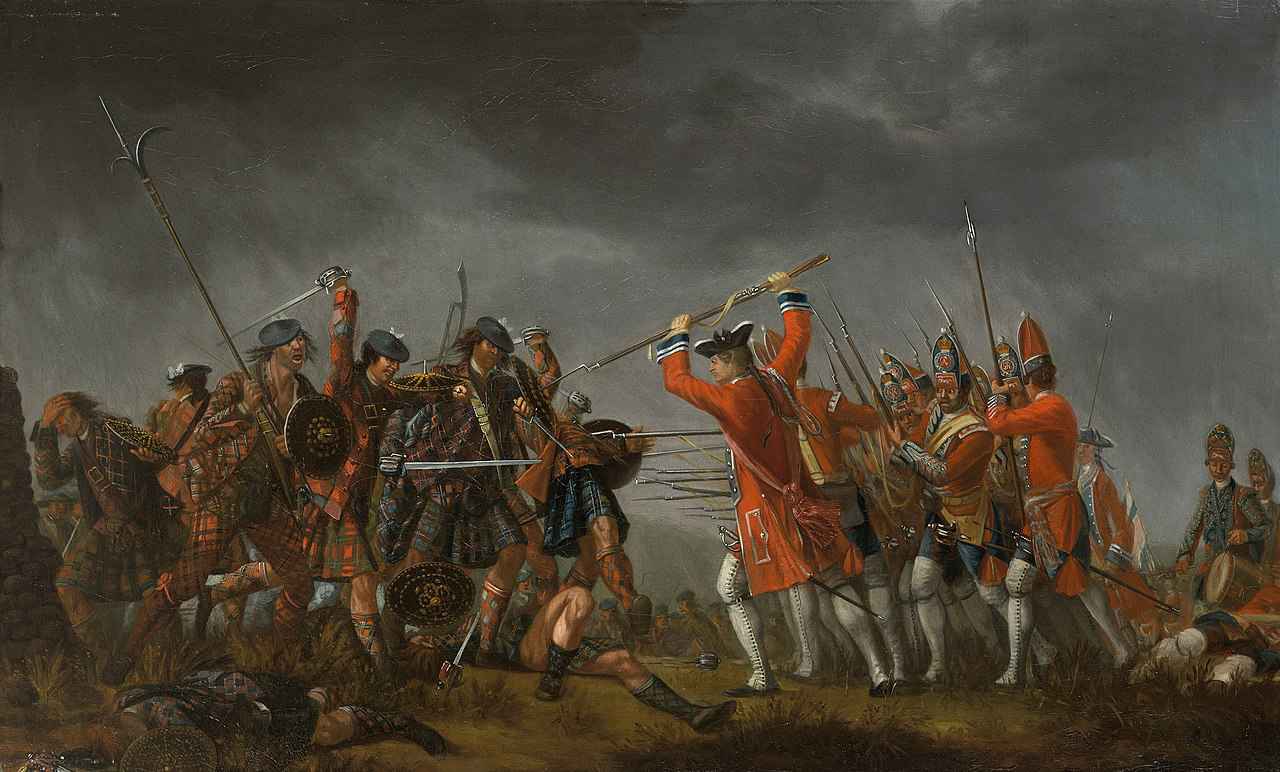
Investigate a crucial period in the formation of the British national identity, which featured political union and a growing range of social divisions in the British Isles as well as intense rivalry with France and dramatic imperial expansion.
In a lively mixture of talks and workshops, this term surveys the vast range of piano repertoire but technique and interpretation will also be discussed in the workshops. Students will have regular opportunities to play. Open to players of all levels.
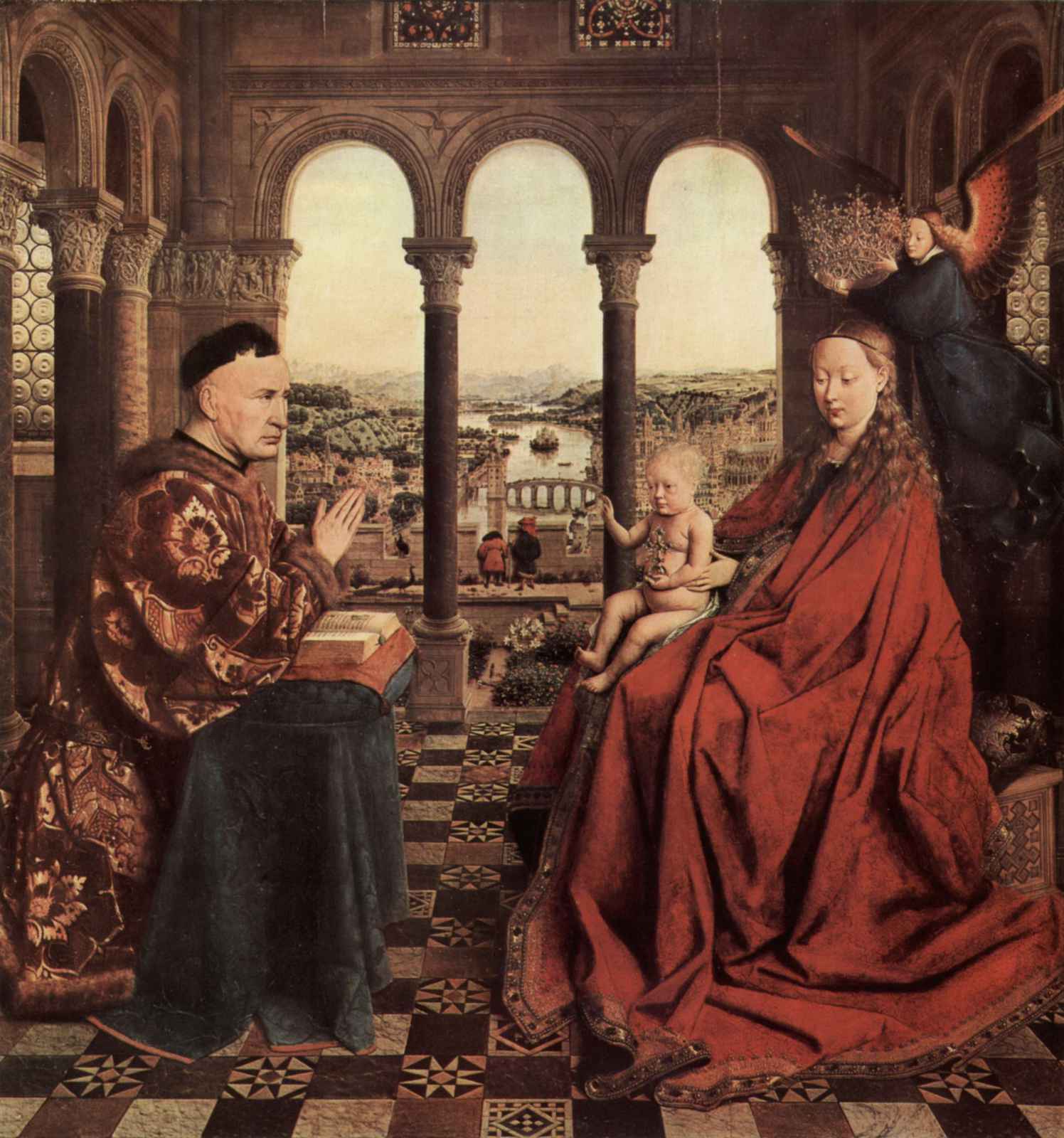
Discover the rich symbolism, striking realism and artistic innovation of Northern Renaissance painters like Jan van Eyck and Rogier van der Weyden, and explore how their work shaped the course of European art.

How can poetic form help you to turn the passion and intensity of life into memorable expressions? This course is for anyone who would like to start to write, or to write better, poetry.
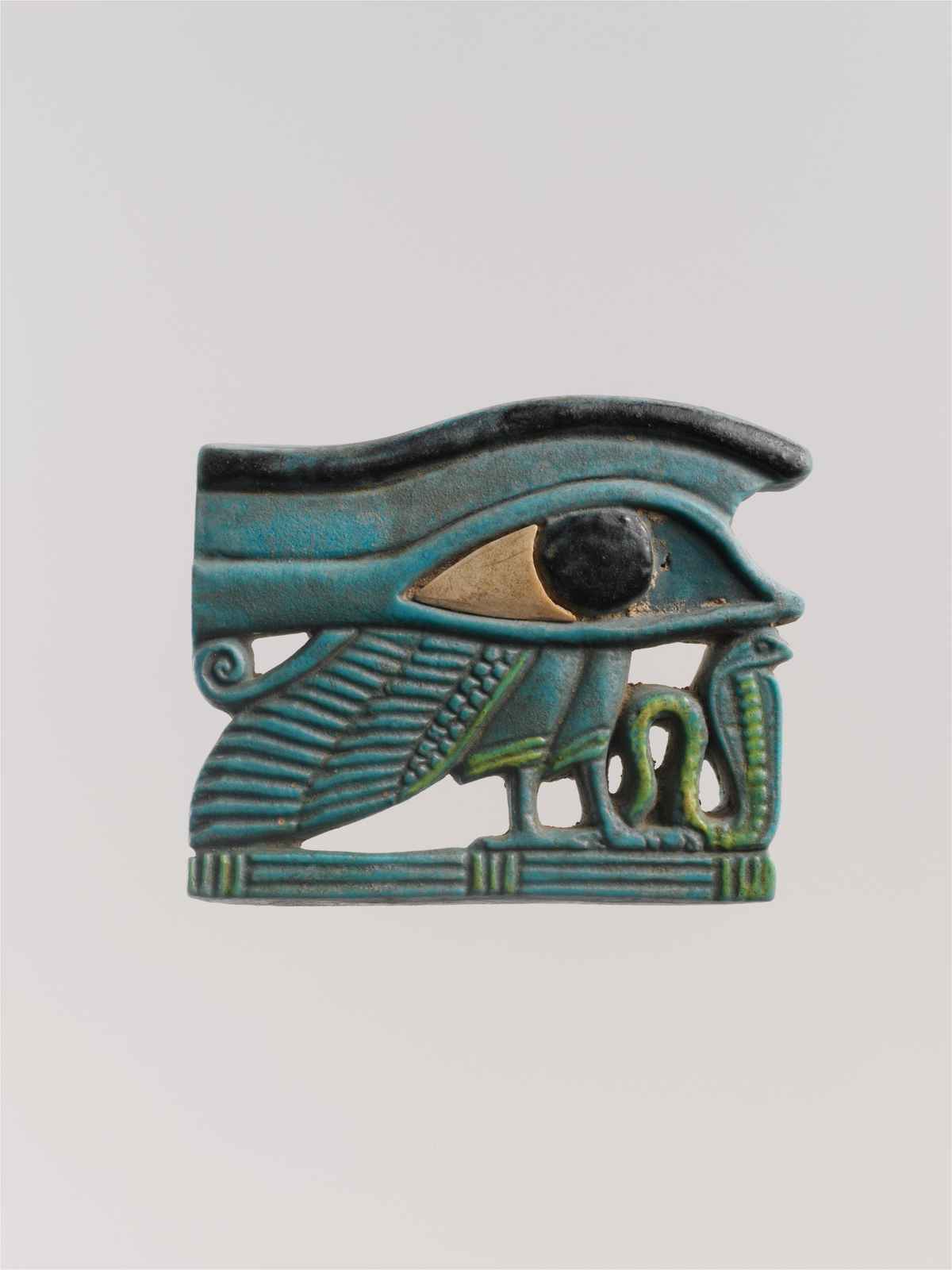
Explore the world of Ancient Egypt through the objects left behind in tombs. From iconic pieces to lesser-known finds, uncover the stories behind them, then visit the Ashmolean Museum to discover the challenges faced by today’s curators and conservators.
This course will look at masterpieces of railway architecture such stations grand and small, viaducts, bridges, tunnel portals, hotels and other kinds of structures which are to be found over and beside the railway track.
By common consent, Wolfgang Amadeus Mozart (1756 – 1791) is one of the greatest composers who ever lived. This course will trace his development through key musical genres to which he contributed. No specialist knowledge is needed for full participation.