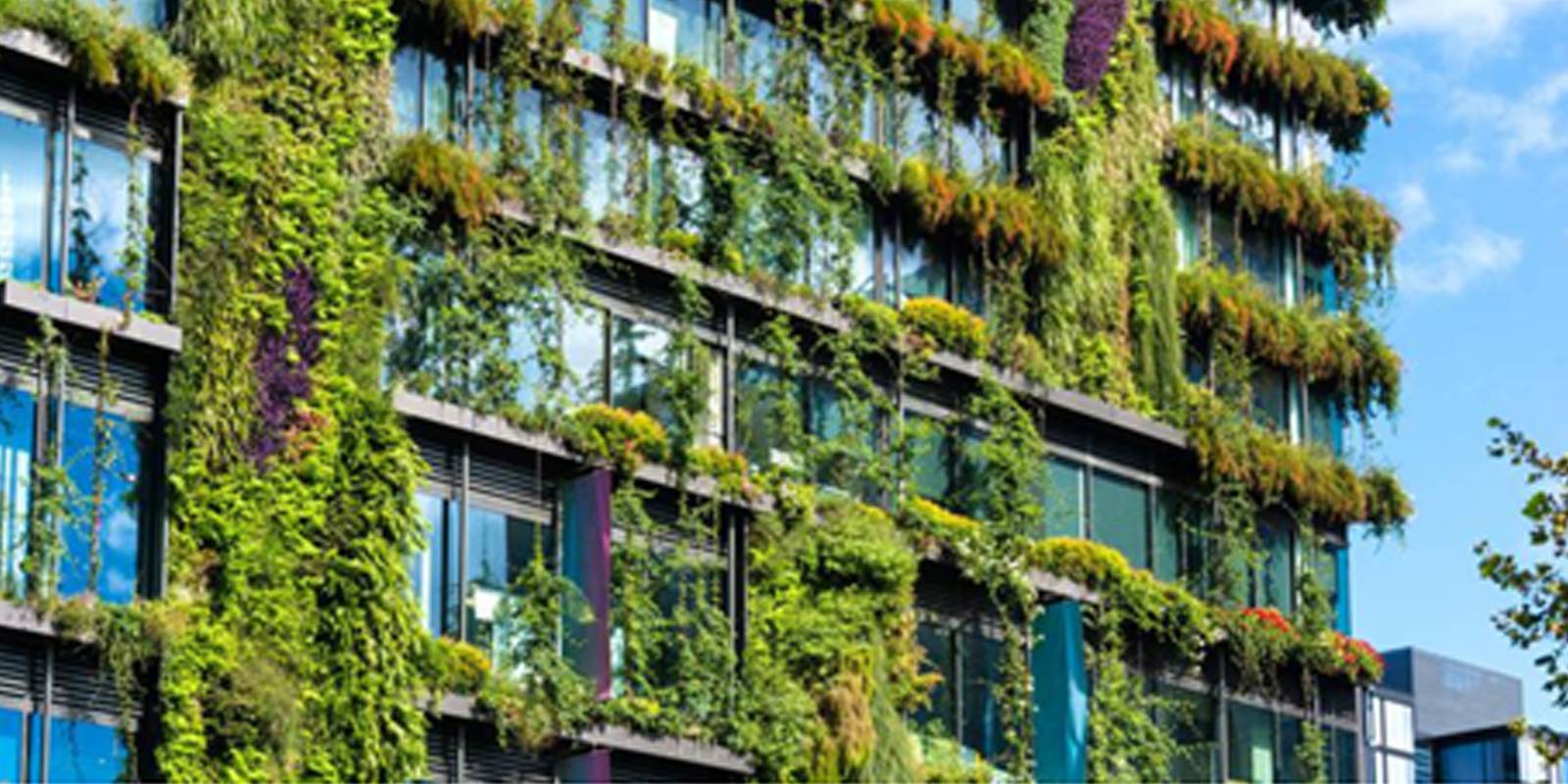
This course provides a grounding in urban studies and sustainable development, bringing together current knowledge and best practices to explore how cities and everyday urban living might be readied for future challenges and opportunities
Filter by:
Filters
Start month
Day of the week
Time of day
This course provides a grounding in urban studies and sustainable development, bringing together current knowledge and best practices to explore how cities and everyday urban living might be readied for future challenges and opportunities
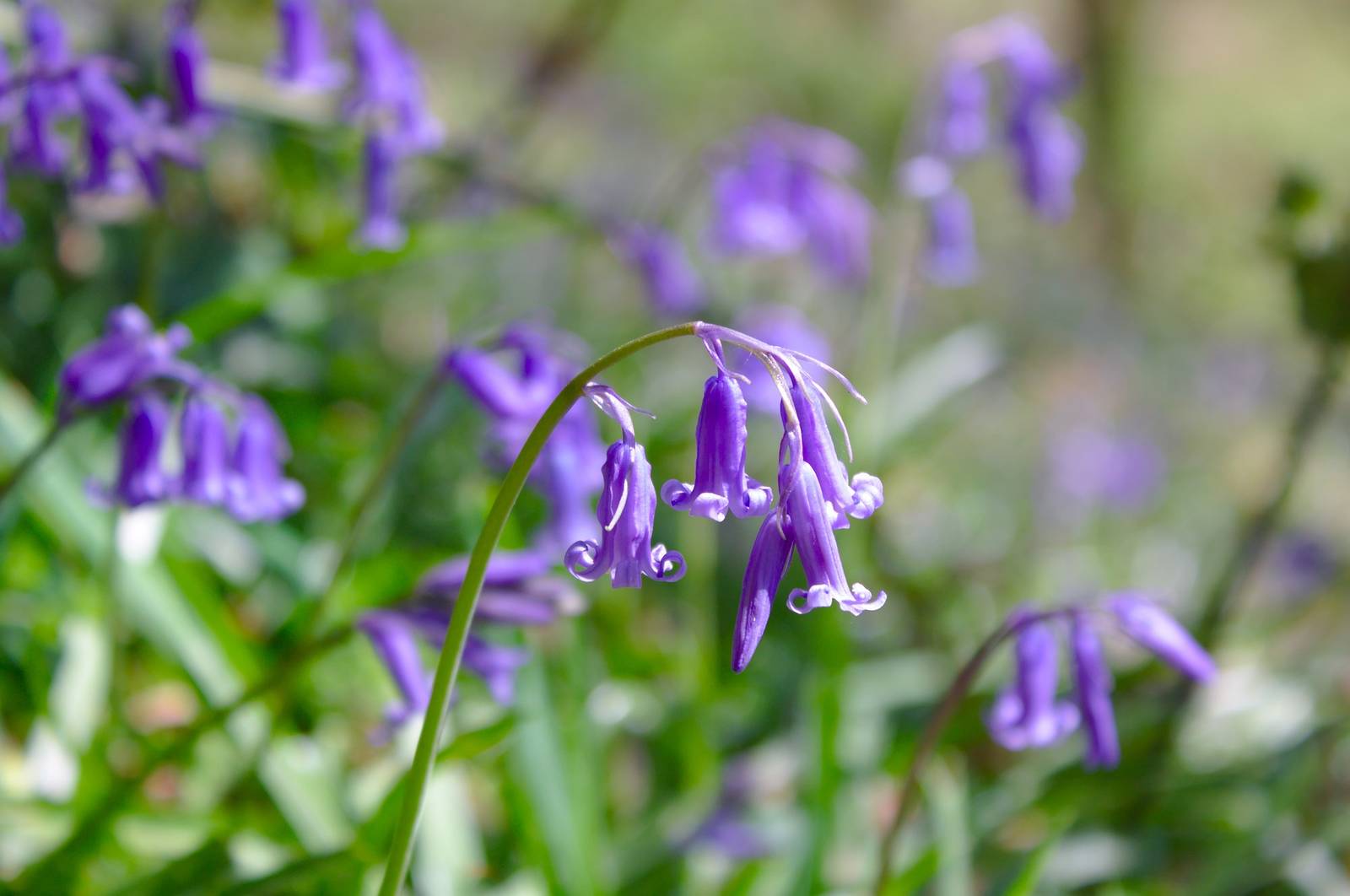
Biodiversity loss is evident no matter where we live. To reverse the current decline, we need to understand how individual species interact with their environment, while also appreciating the practical strategies to monitor and conserve species.

'Magic' was a wide-ranging concept that affected many aspects of medieval society. This course will consider the actual and perceived practices of magic in the medieval period and their consequences.
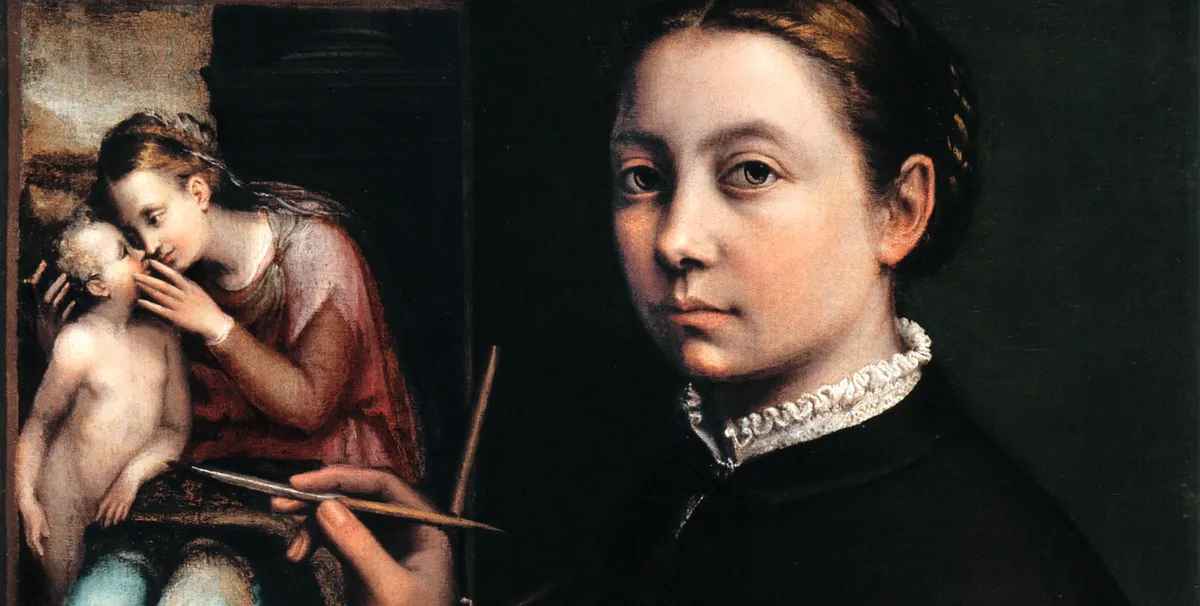
This course examines the social, economic, religious, and political contexts under which women have always made art, but have largely been marginalised in its formal histories and markets.
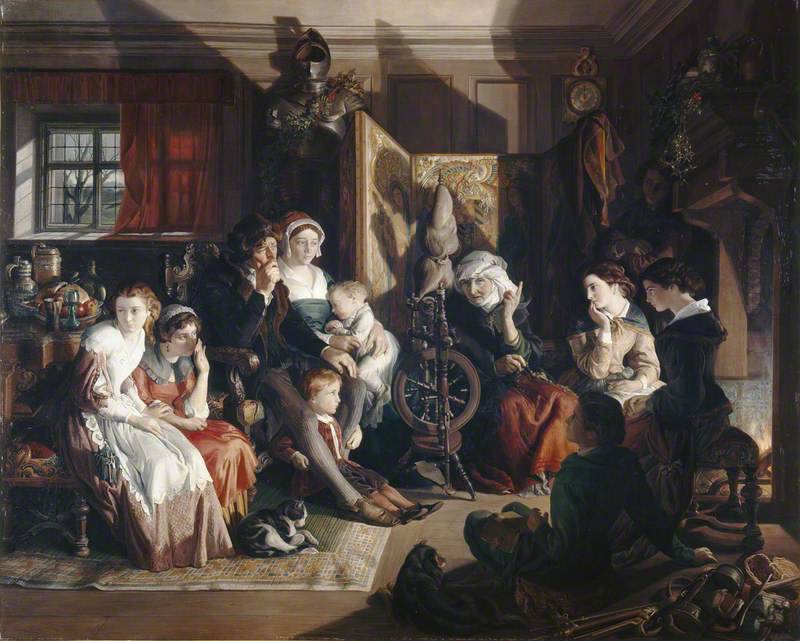
This course provides an historical introduction to the development of folklore studies in Britain. It will review historical conceptions and approaches to folklore from the seventeenth-century antiquarians to the present.
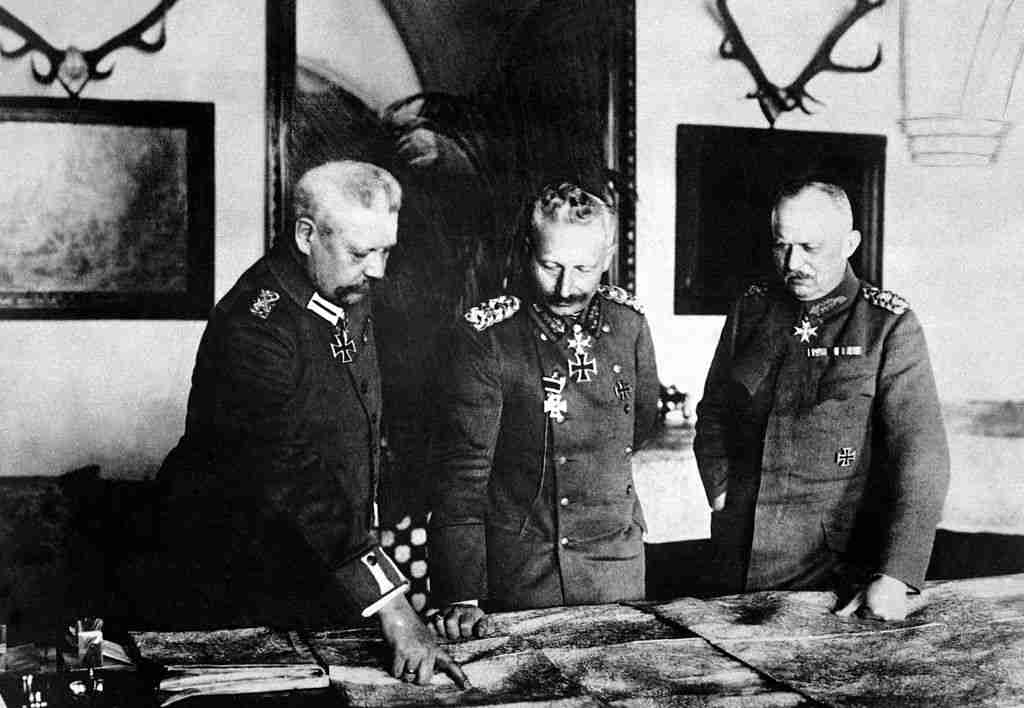
The First World War was a cataclysmic event. This course examines international relations before 1914, the countries which fought the war, how it started, the expectations of the participants, and assesses the war's historical significance.

We gradually move from reading simplified texts to analysing original passages from some of the greatest ancient Greek authors, tackling challenging grammatical and syntactical structures whilst learning about ancient Greek thought and culture.
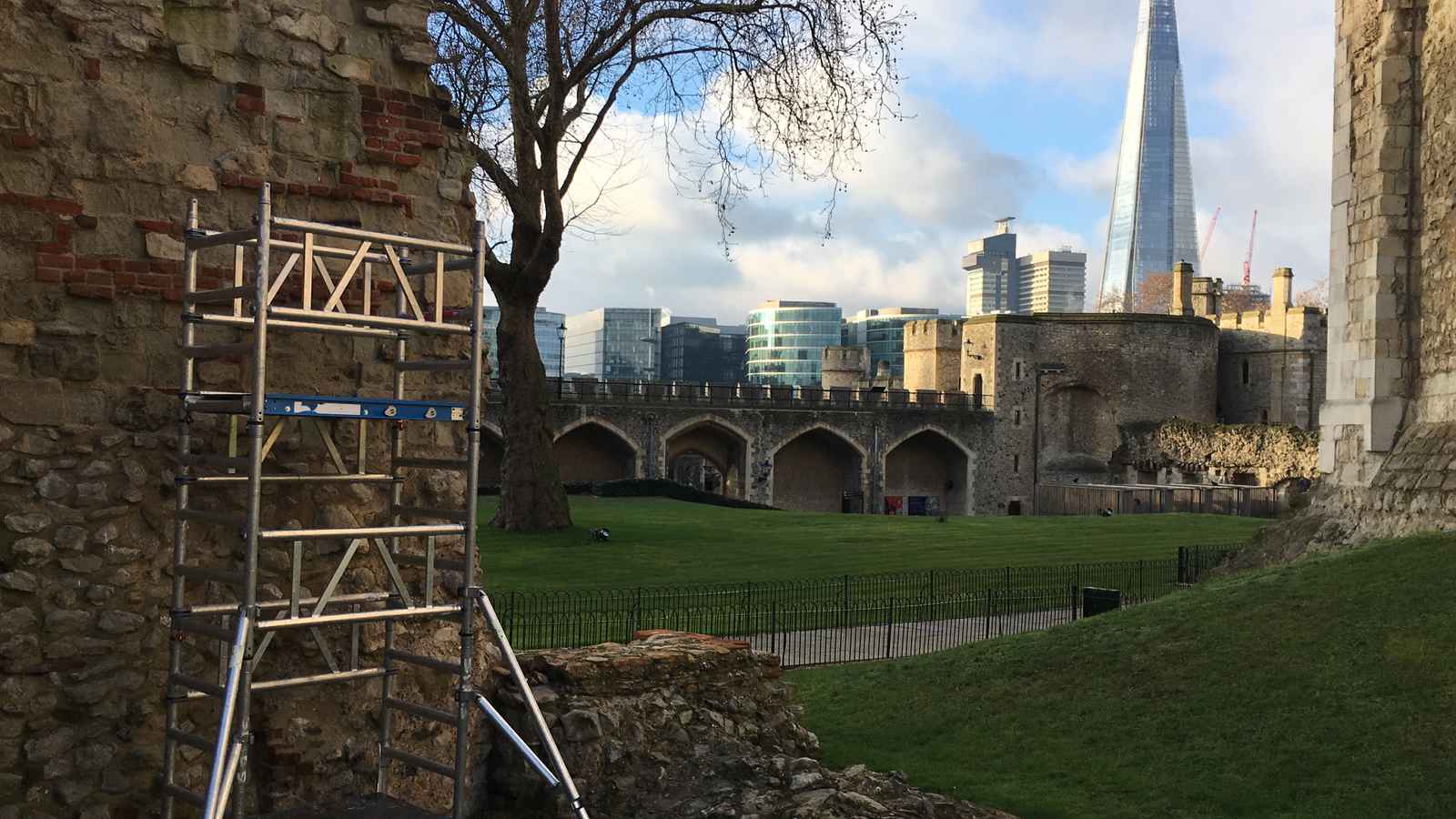
Approaches to managing old buildings change across time and between cultures. This course will give historical and global context to architectural conservation practice, and help students broaden their perspective on change in the historic environment.

This course introduces the archaeology of ancient South Asia. From the mighty Himalayas in the north to the waters of the Indian Ocean in the south, we will explore the archaeology and very early history of the region from 3000 to 500 BCE.

Calculus is a 'sine qua non' for studying more advanced mathematics, physics, statistics, machine learning and data science. This course will introduce you to the vocabulary and techniques that open the panorama of science and engineering.

What made our planet habitable? This course uses physics, astronomy, chemistry, geology, and biology, to narrate Earth's story, from the synthesis of chemical elements in the stars to today’s global environmental challenges and human activities in space.
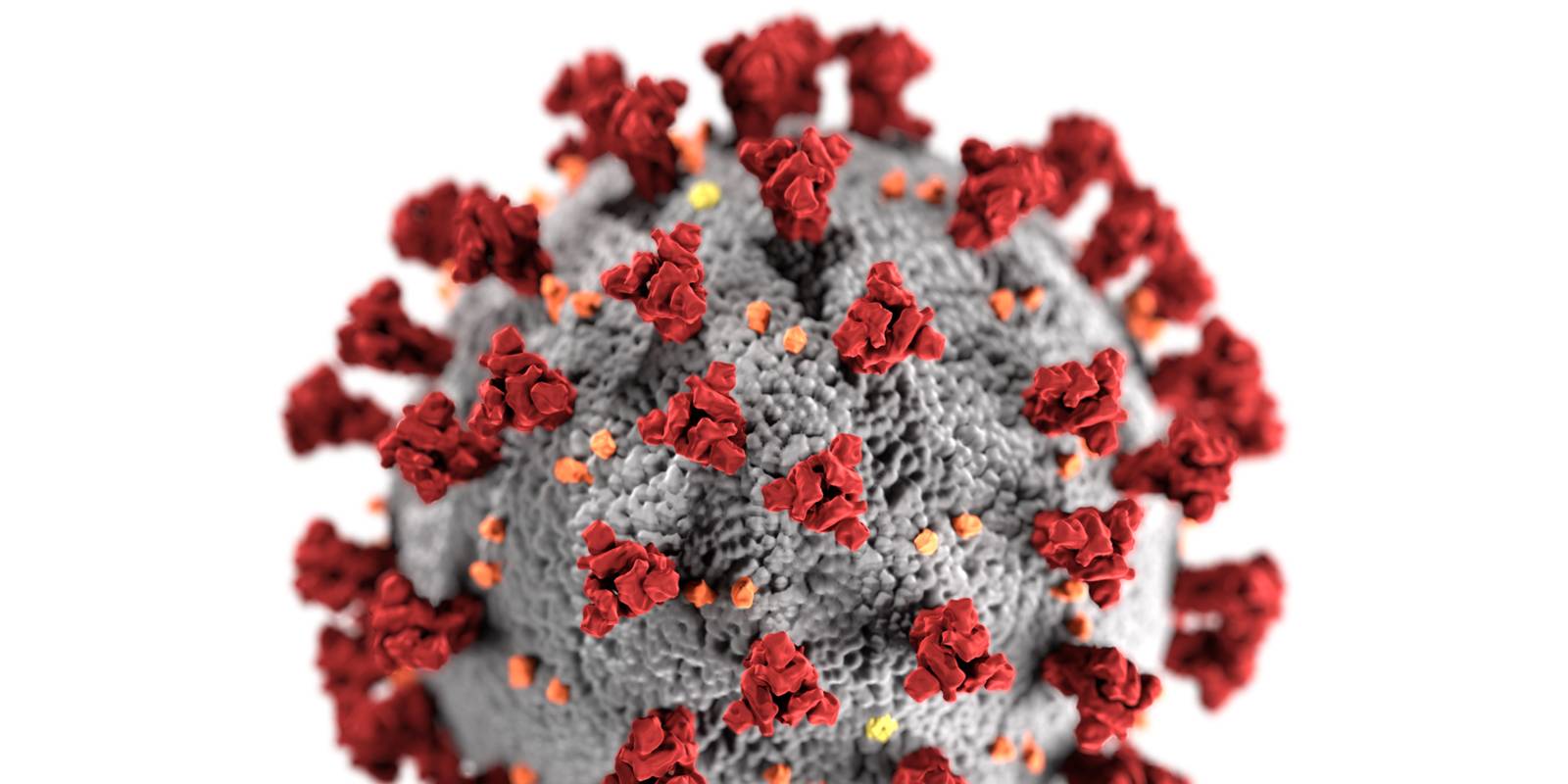
What happens when a virus enters the human body? This course explains all, focusing particularly on how viral diseases develop at a molecular level, exploring cellular biology, genetics, the body’s defences and anti-viral therapeutics.