
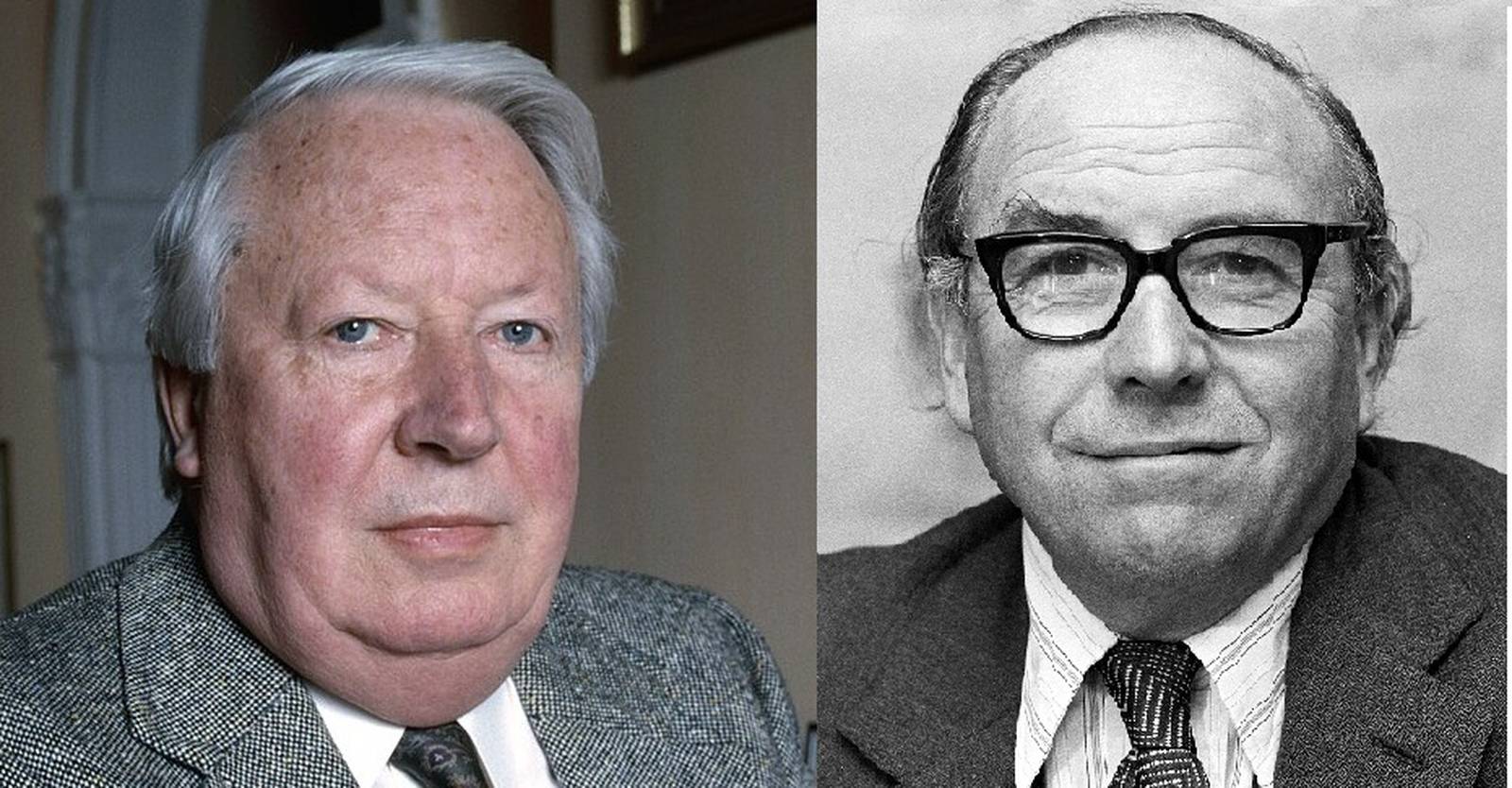
Explore how Heath, with help from Roy Jenkins, managed to mobilise Labour supporters of joining the EEC.
Filter by:
Filters
Start month
Day of the week
Time of day
Explore how Heath, with help from Roy Jenkins, managed to mobilise Labour supporters of joining the EEC.
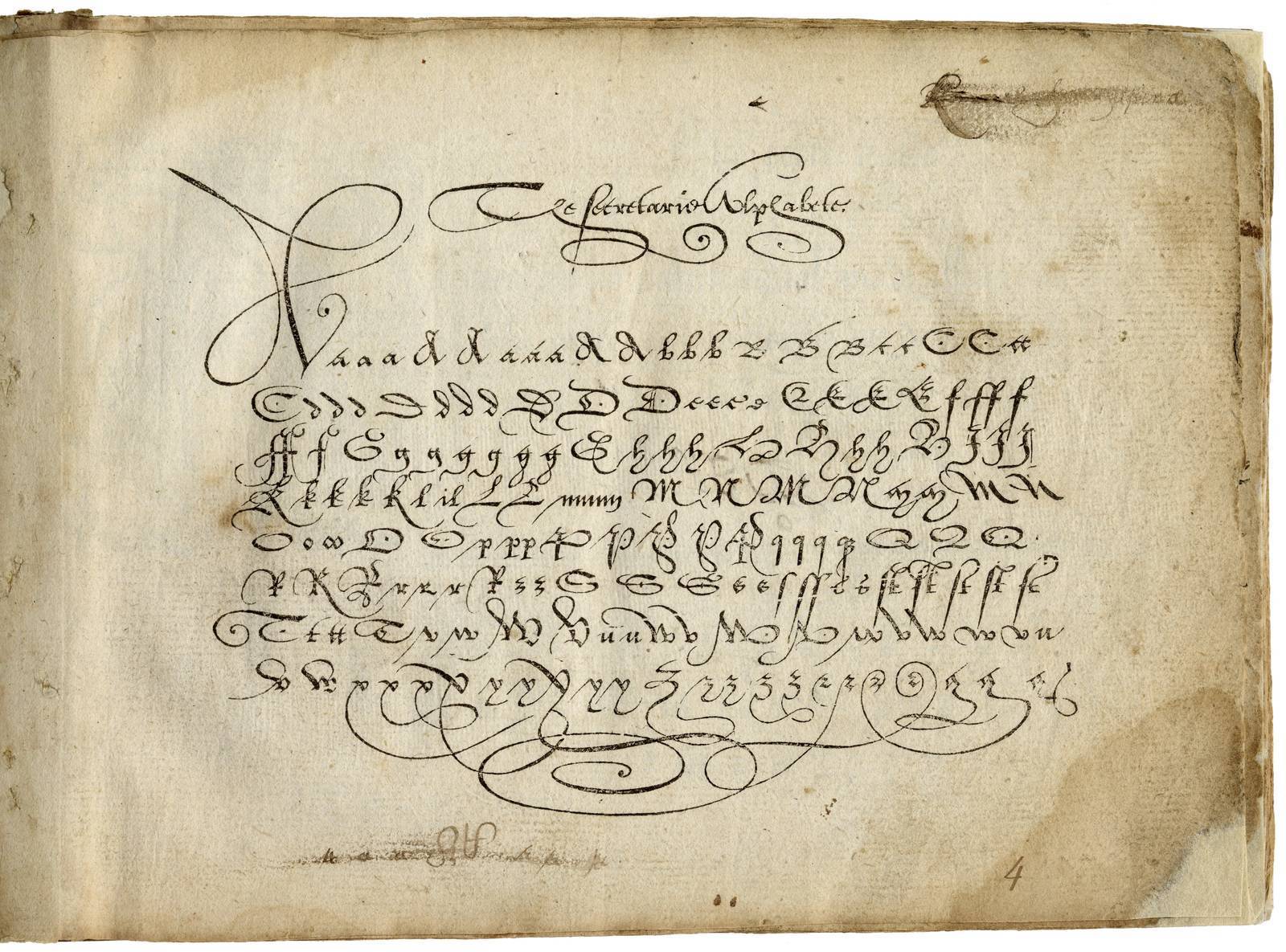
A weekend event in Oxford for those keen to undertake research using original historical documents to begin reading the scripts used in England post 1550. We will cover original sources such as property records, wills, accounts and correspondence.

Recent large-scale development around Banbury has resulted in major archaeological discoveries, in an area not previously well-known for its archaeology. New prehistoric, Roman and Anglo-Saxon sites have all been explored. This day will highlight key site

This lecture examines Elizabeth I and how she navigated and manipulated gendered expectations.

Can terrorists damage property or harm people, exclusively using cyber? Find out in this lecture.

Examine how Harold Wilson and Jim Callaghan set the stage for the 1975 referendum on staying in the EEC.

What does the human body reveal about the soul? Explore Michelangelo’s masterpieces and discover how art, faith, and Renaissance thought come together in his powerful vision of the human form.

Why did people volunteer their time to campaign for causes in the first half of the twentieth century? This course looks at initiatives which aimed to relieve suffering during conflicts, alongside activities connected to social causes and community life.

Aiming to provide an understanding of realist reviews and evaluation and the ability to apply new knowledge and skills to a realist research project.

Covering the process of doing a systematic review, focusing on practicalities and emphasising how and why this qualifies as scientific research.

This lecture examines Anna of Denmark, and her impact on politics and the arts.
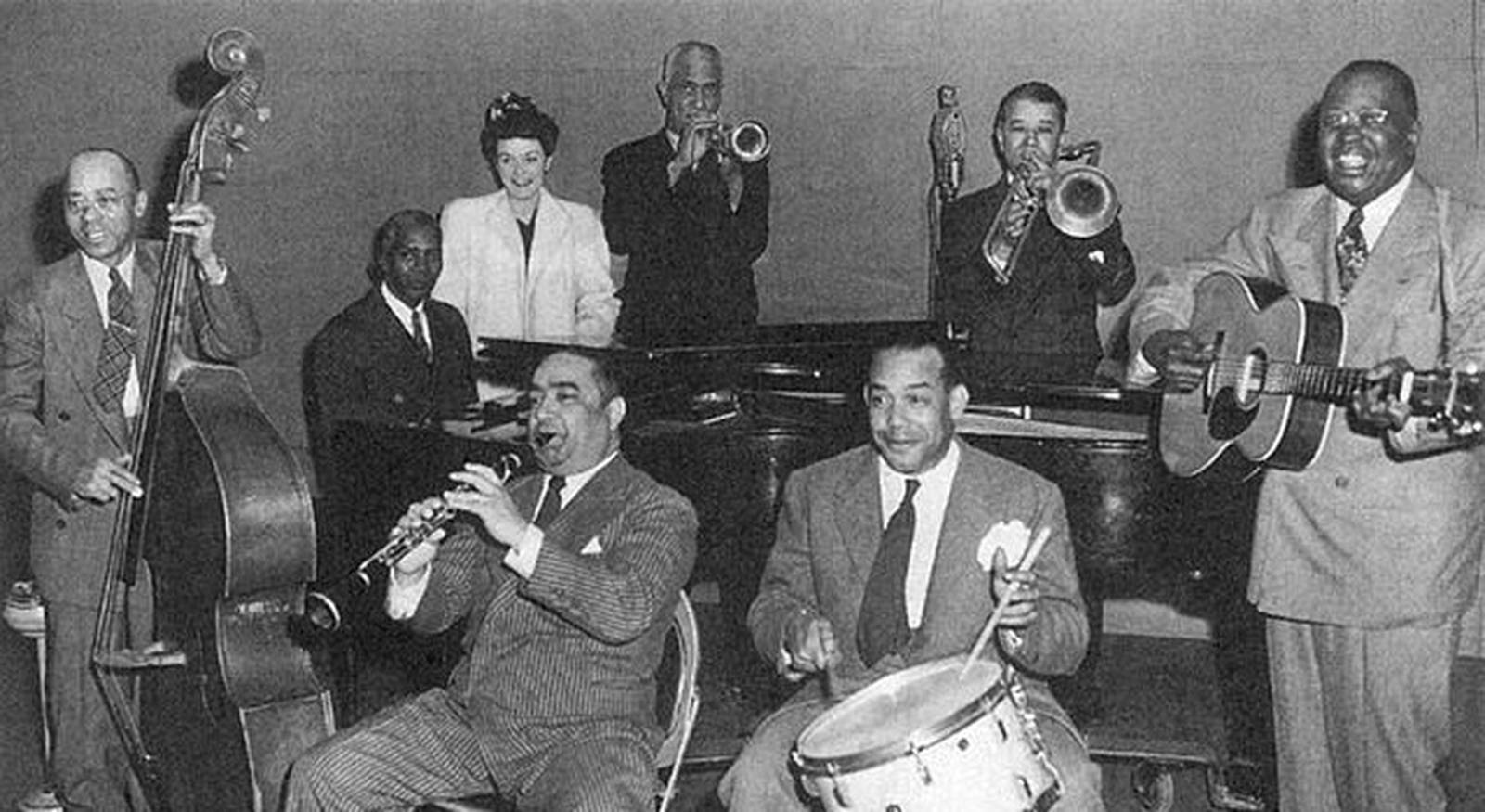
'What is Jazz? Dude, if you have to ask, you'll never know.' – Louis Armstrong. After exploring and analysing jazz music on this course, looking at its origins and development, and acquiring some strategies for listening to it, you will never have to ask.