

This event examines core ethical challenges in mental health theory and practice through an intersectional lens, exploring how gender, race, class, and sexuality shape experiences of mental distress, access to care, and mental health systems.
Filter by:
Filters
Start month
Day of the week
Time of day
This event examines core ethical challenges in mental health theory and practice through an intersectional lens, exploring how gender, race, class, and sexuality shape experiences of mental distress, access to care, and mental health systems.
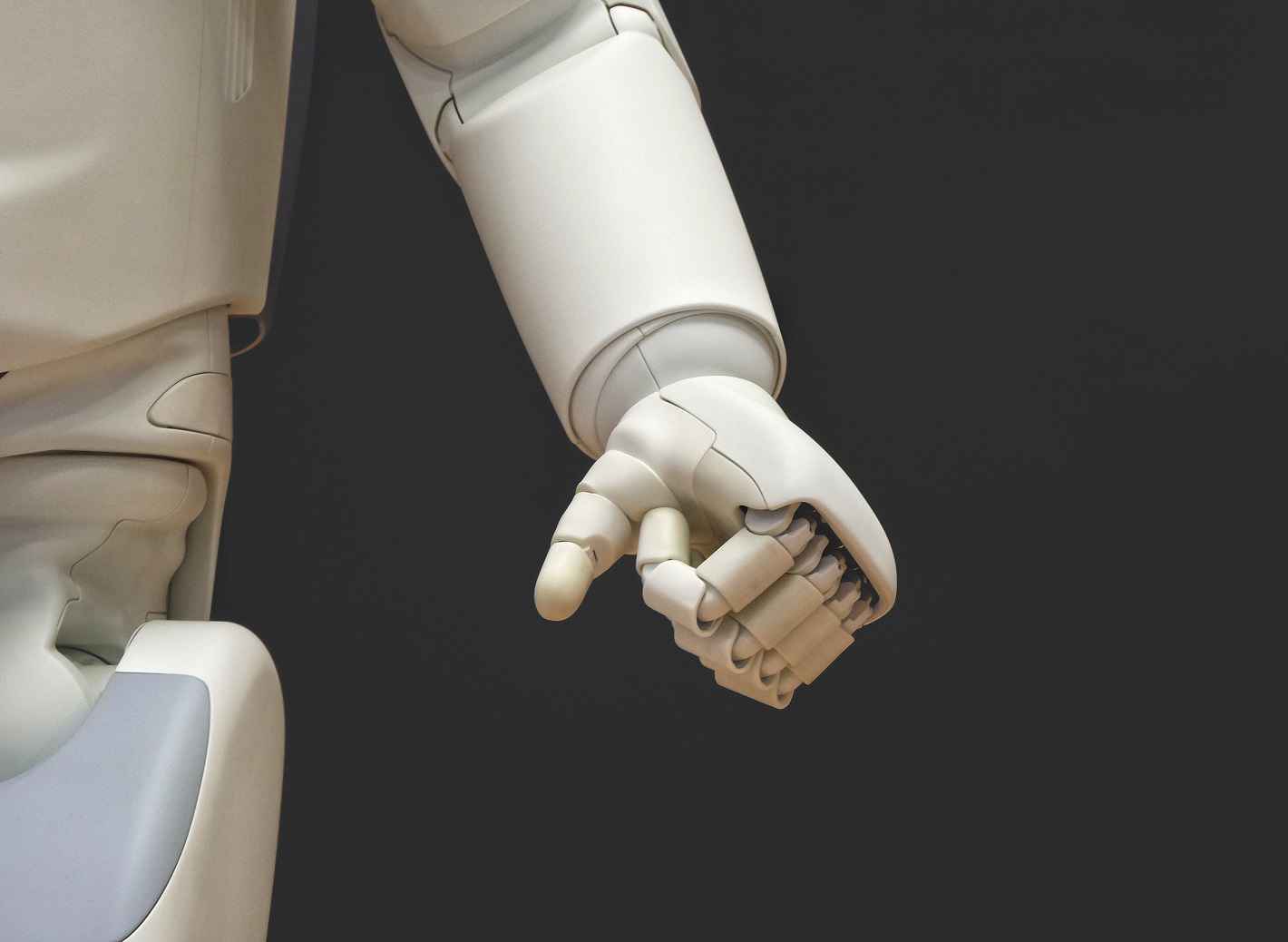
This module will introduce basic questions and concepts in artificial intelligence ethics (i.e. AI Ethics), as well as more general philosophical questions about the ethical issues raised by the adoption of AI in our everyday life.

This course considers the range of ethical issues associated with the conduct of research on humans and animals, and empirical methods in ethics.

Epicurus's philosophy is famous and notorious for its hedonism: pleasure is the highest good and essential to well-being, freedom, and tranquillity. But it’s only one aspect of Epicureanism, which includes views about nature, knowledge, and society too.

Why do champions choke and fans weep? Explore anxiety, freedom, loneliness, guilt, care, time and meaning through great moments in sport, with psychology, psychotherapy and existential philosophy.

An introduction to key issues in the Philosophy of Religion, with a focus on God, evil, and religious experience. The supposed clash between science and religion and Wittgensteinian defences of religious belief will be examined.

Examine the role that the art of persuasion has played in classical and contemporary politics and how philosophy has participated in both challenging and supporting it.

What are virtues, and how can we live a virtuous life? Explore the cardinal virtues, ancient approaches to virtues, and how we ourselves can cultivate them.

Artificial Intelligence is everywhere now, reshaping how we live, think, and decide. Study the philosophy, possibilities and risks of AI, whilst asking a fundamental question: what does it mean to be human in an increasingly artificial world?

Examine the relationship between mind and body, considering theories such as Descartes' dualism, panpsychism and behaviourism.

Karl Marx may have done more to shape the modern world and our ideas about it than any other thinker. We’ll look at key ideas: communism, class conflict, commodification, and suspicion, whilst studying his predictions.

Phenomenology explores first-person experience—mineness, subjectivity, embodiment, and being-in-the-world—and examines how experience is structured, how selfhood emerges, and how self and world are intertwined.