

Discover how online methods have enabled extremists to commit terrorism at new scales.
Filter by:
Filters
Start month
Day of the week
Time of day
Discover how online methods have enabled extremists to commit terrorism at new scales.
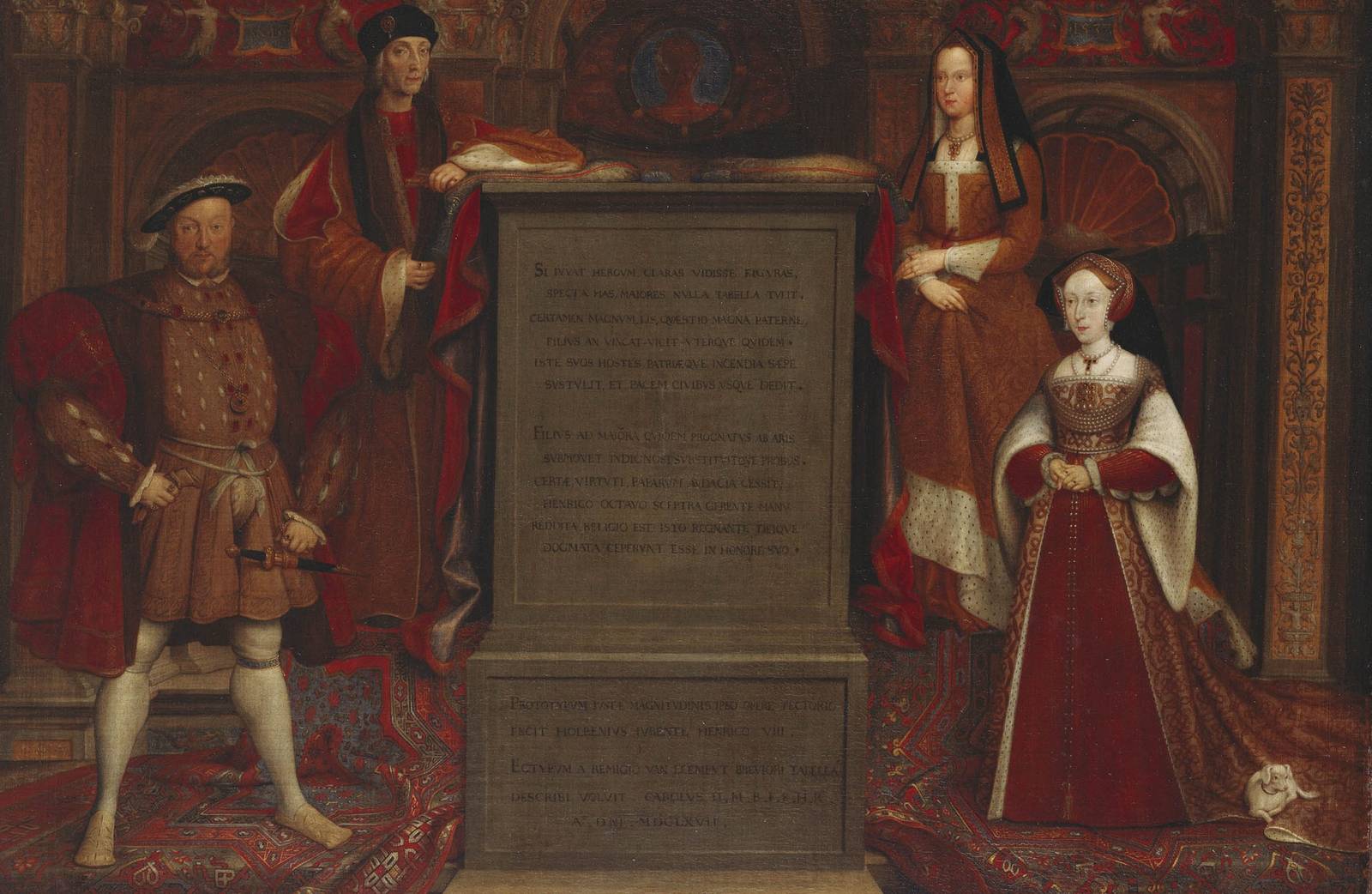
This lecture examines the wives of Henry VIII, with a focus on gender roles and expectations.

Examine Wilson's policy regarding the EEC, and his change of heart on economic grounds.
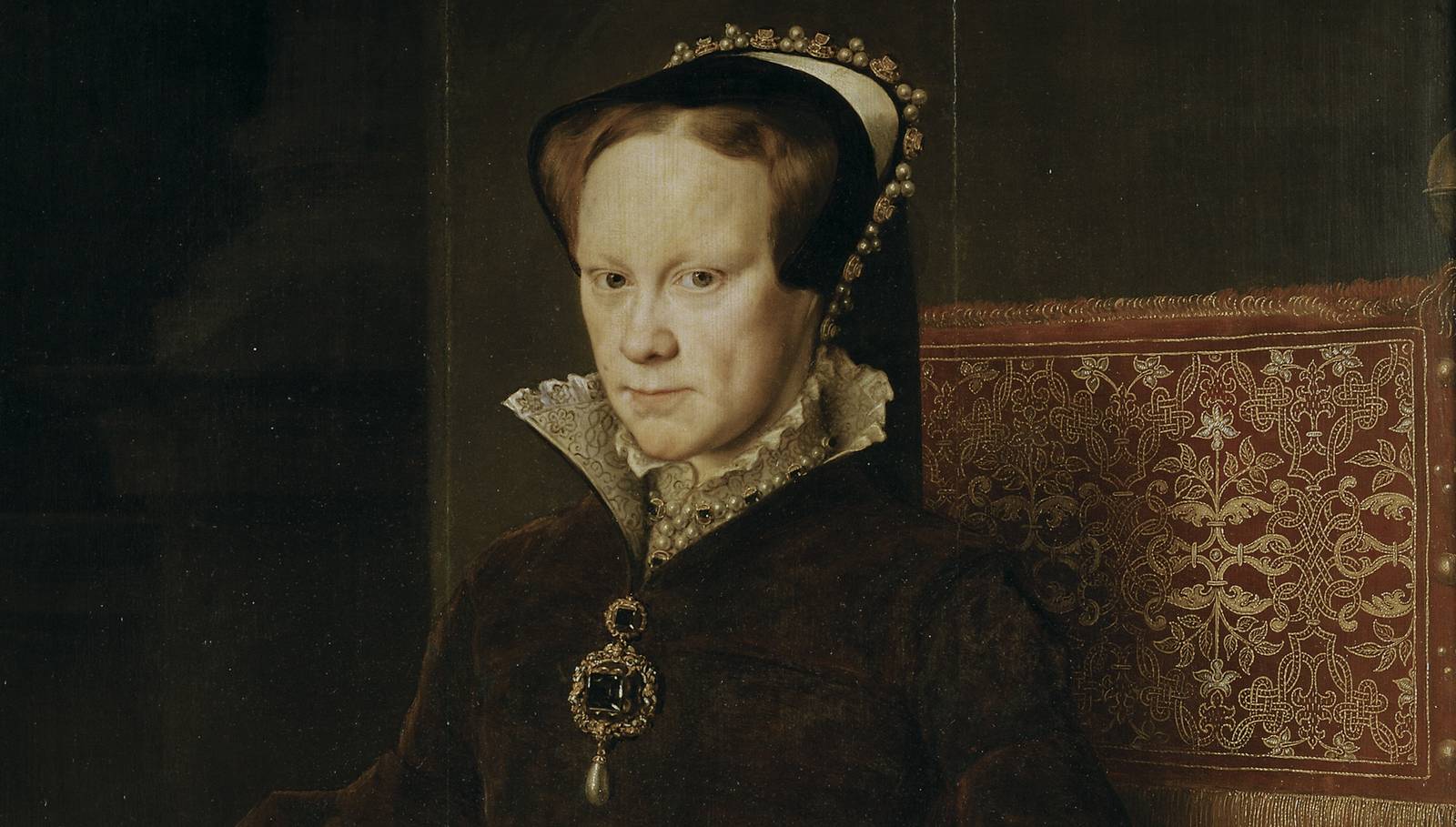
This lecture examines Mary I, including the challenges faced in her reign and her presentation in older historiography.
Explore how extremists use social engineering to trick targets into downloading malware.

Explore how Heath, with help from Roy Jenkins, managed to mobilise Labour supporters of joining the EEC.
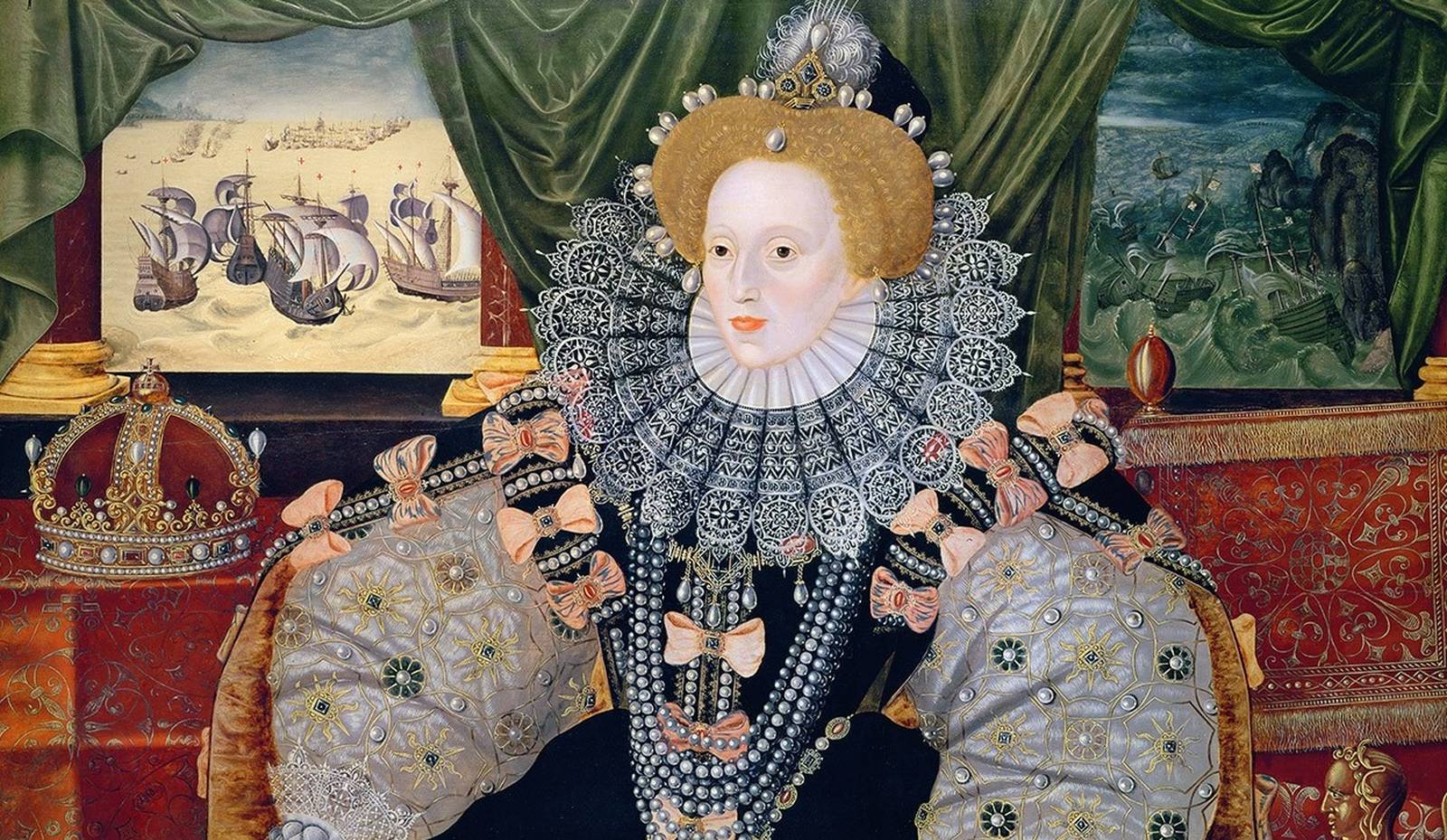
This lecture examines Elizabeth I and how she navigated and manipulated gendered expectations.
Can terrorists damage property or harm people, exclusively using cyber? Find out in this lecture.

Examine how Harold Wilson and Jim Callaghan set the stage for the 1975 referendum on staying in the EEC.
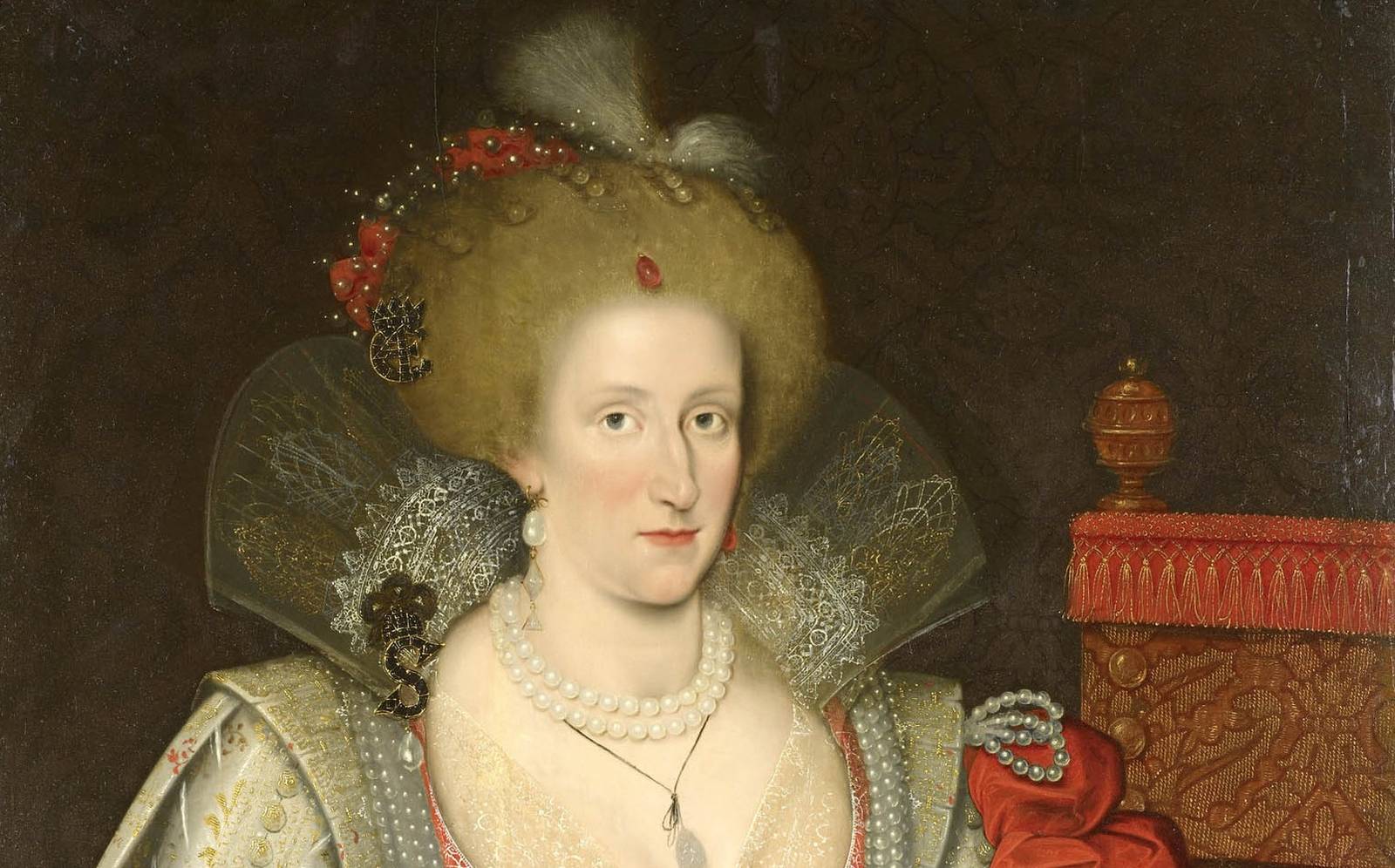
This lecture examines Anna of Denmark, and her impact on politics and the arts.

Examine the decisive vote to remain in the EEC, and the success of the 'yes' campaign.

This lecture examines Henrietta Maria, wife of Charles I, and her political role and patronage of the arts.