

This global course analyses one of the most controversial public policy issues of the 21st century: how to regulate international labour migration and the rights of migrant workers.
Filter by:
Filters
Start month
Day of the week
Time of day
This global course analyses one of the most controversial public policy issues of the 21st century: how to regulate international labour migration and the rights of migrant workers.

In addition to tracing the evolution of the modern state and political ideas and ideologies, this course focuses on issues that confront people from all parts of the world on a day-to-day basis.

Explore the criminal underworld of cyberspace. Discover how the dark web facilitates illegal hacking and how ransomware is disrupting our societies, and learn how governments are fighting back.

In recent years economists have started to appreciate the value of nature, rather than taking it as a free resource to plunder. This course explains how economists determine the value of nature and how this can be applied.

Political philosophy contains some of the greatest writings in the Western intellectual tradition. This online course introduces you to the central questions concerning the state, by means of classical and contemporary texts.
For a century, various sorts of liberals have claimed to know how to produce prosperity, justice and lasting peace. But beleaguered liberals now look at a world that's ever more prone to war. In this class, we'll try to understand what's really going on.
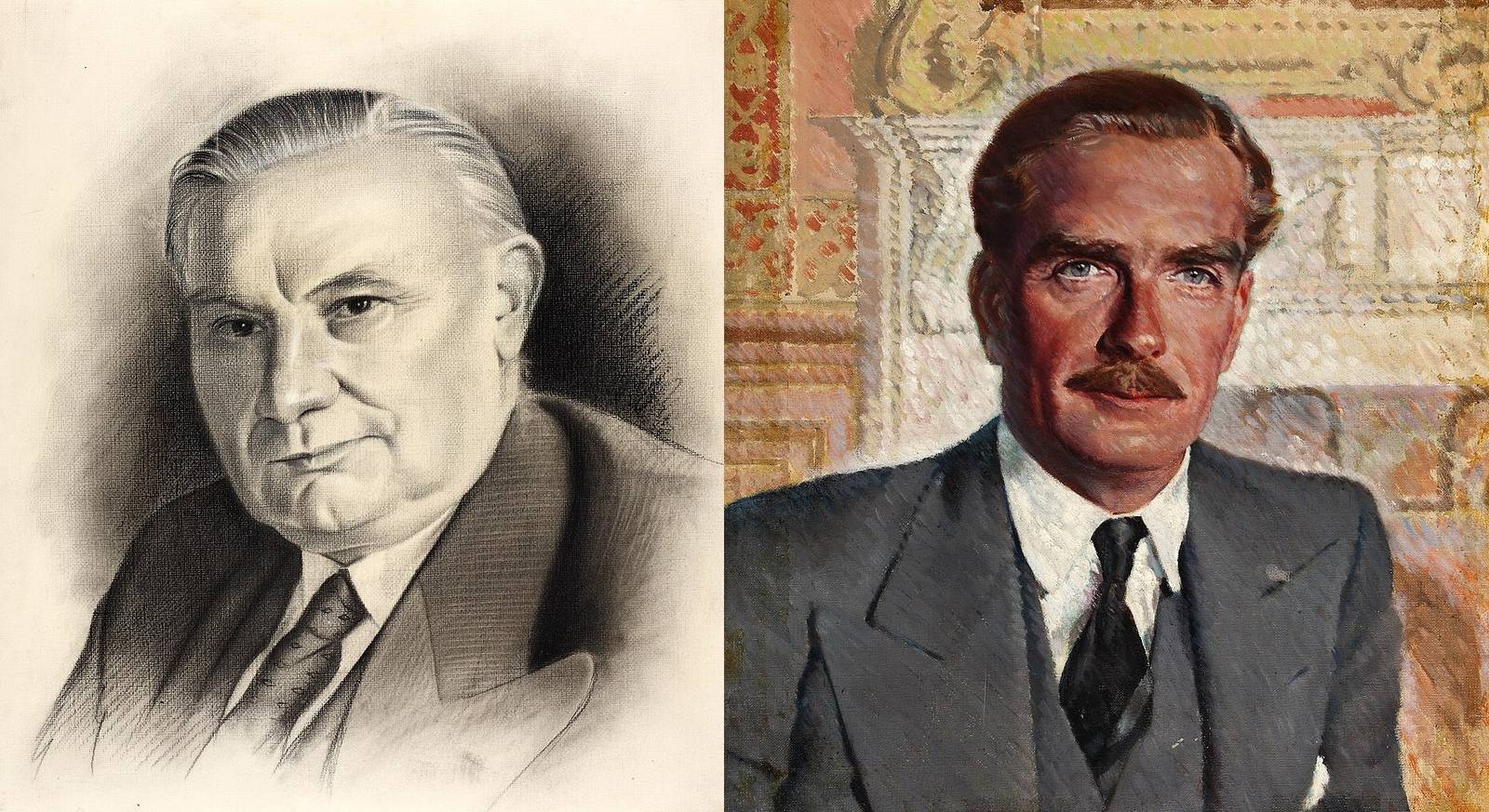
Examine Bevin and Eden's policy of staying out of the EEC in this hybrid lecture.

From ancient Persia to the modern CIA, espionage has shaped history. Explore two millennia of spying, tradecraft, and covert action in this six-part lecture series taught by a former intelligence officer and bestselling author Andrew Badger.

This lecture series evaluates one of the most controversial decisions in 20th century UK politics: the applications to join the EEC.

All of us are affected by government policies, and governments place particular emphasis on economic policies. This course will equip you to evaluate the economic arguments made about public policy choices.

Explore how ideas about trade, value and society took shape in ancient Greece, China, India and Europe, before tracing how these traditions influenced the economic thinking that shaped the 20th century.
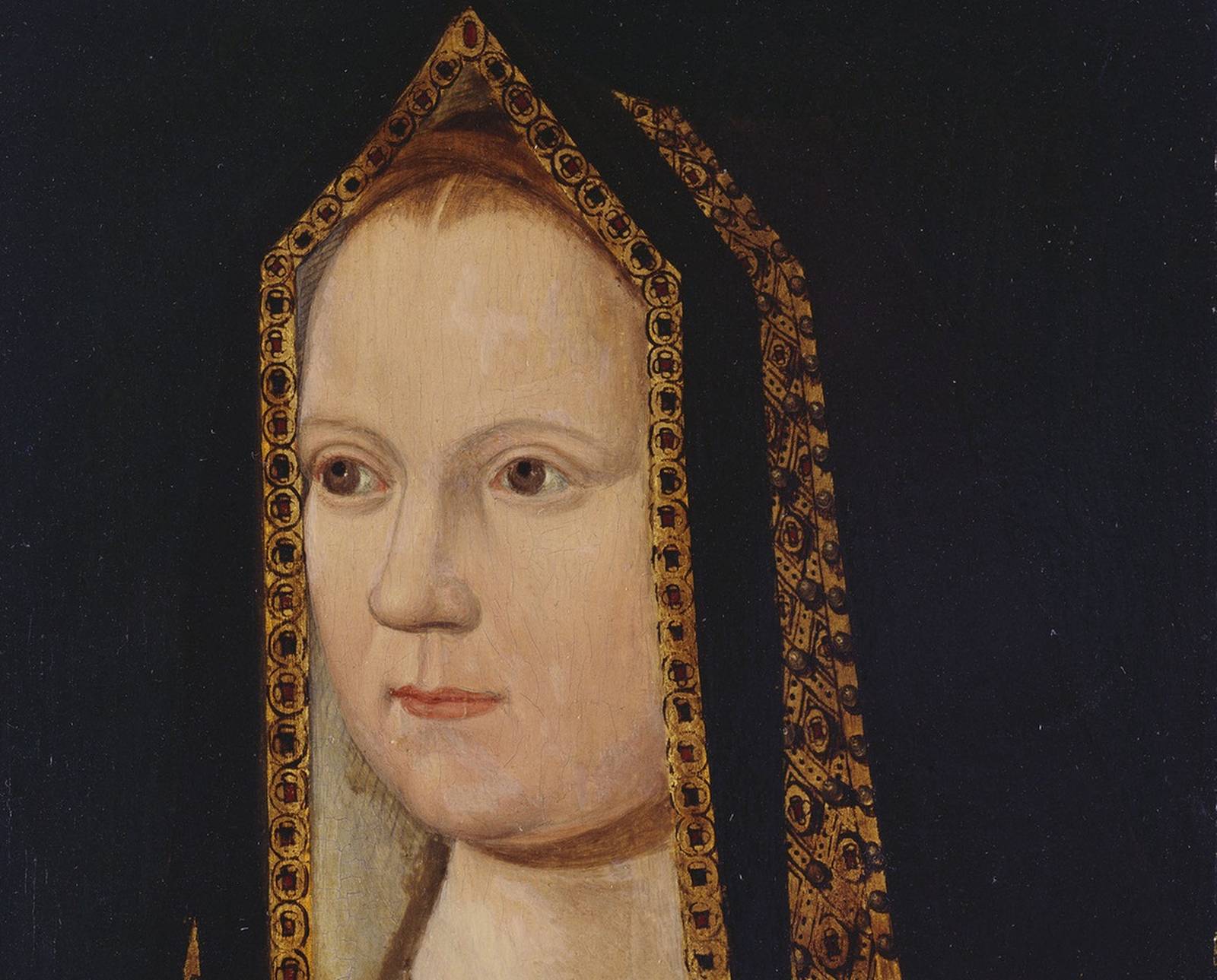
This lecture examines Elizabeth of York in her role as queen consort to Henry VII.