
Part-time over five weeks, this tutor-led training course can be taken from anywhere in the world. It will appeal to students and practitioners who want to improve their ability to conduct fish and amphibian surveys.
Filter by:
Filters
Start month
Day of the week
Time of day
Part-time over five weeks, this tutor-led training course can be taken from anywhere in the world. It will appeal to students and practitioners who want to improve their ability to conduct fish and amphibian surveys.
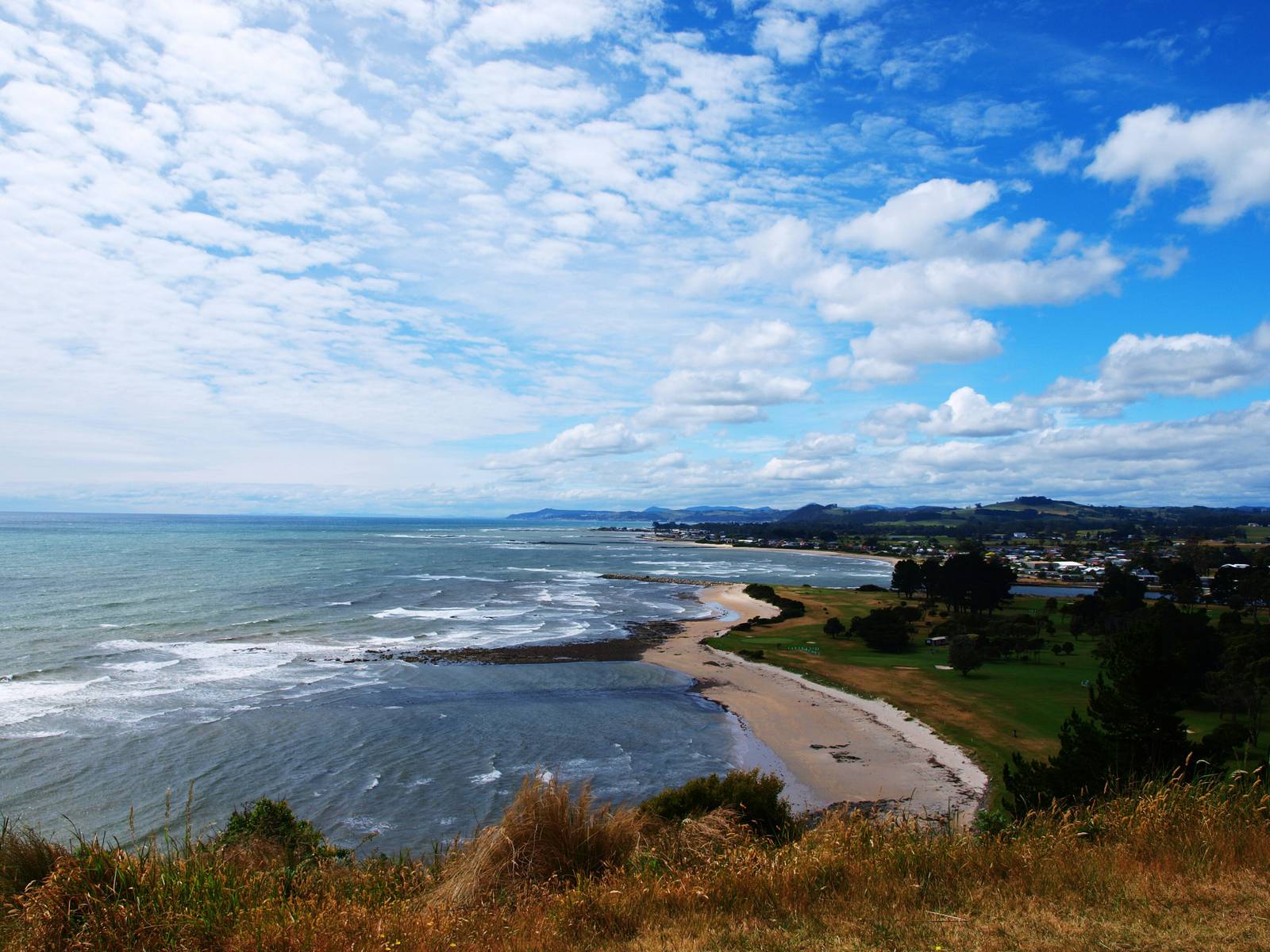
A wide-ranging introduction to geology, including plate tectonics, volcanoes, earthquakes and mountains; rocks, minerals and fossils; and the geological history of Britain. The event includes hands-on study of geological specimens in the teaching room.
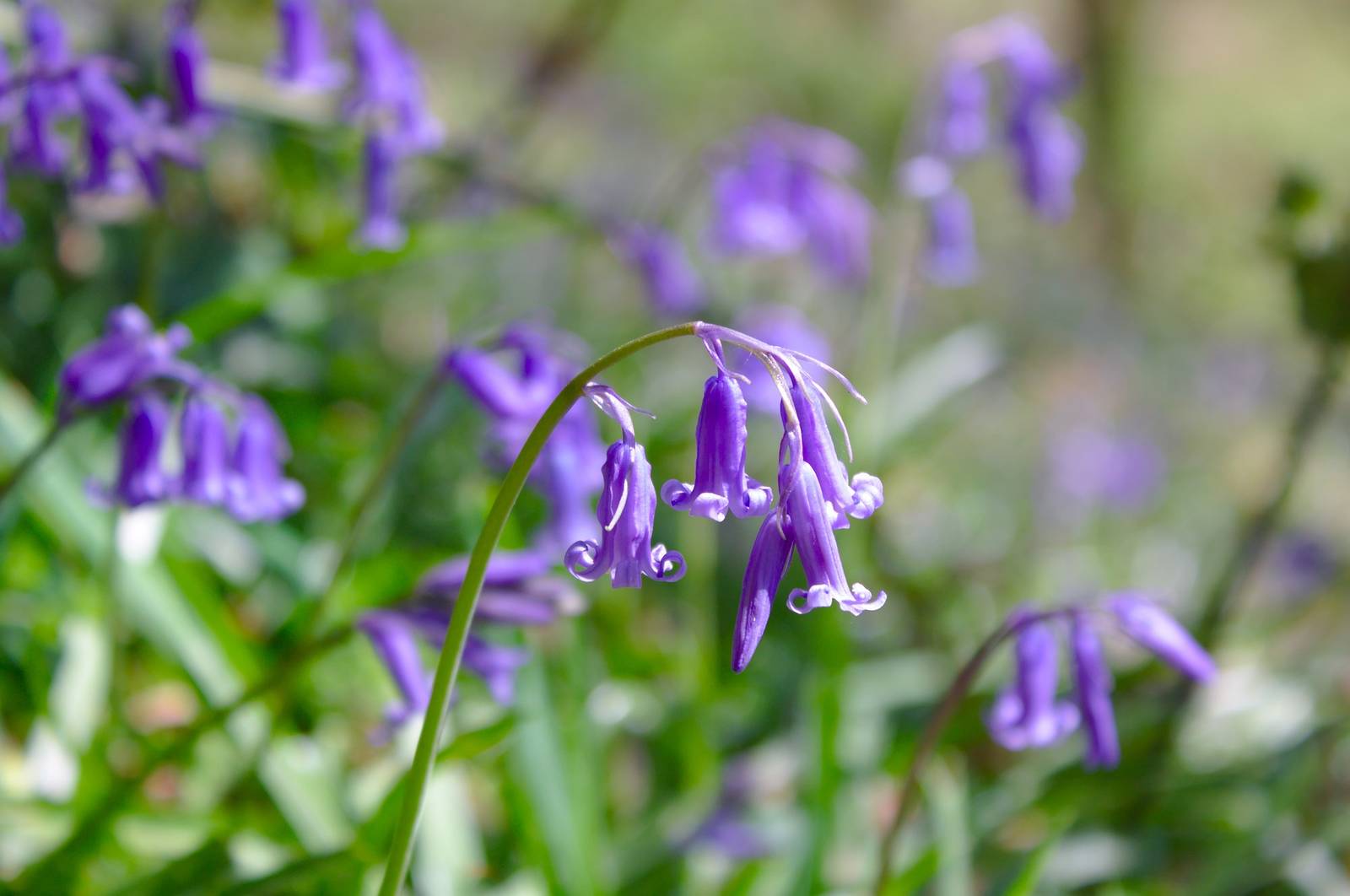
Biodiversity loss is evident no matter where we live. To reverse the current decline, we need to understand how individual species interact with their environment, while also appreciating the practical strategies to monitor and conserve species.
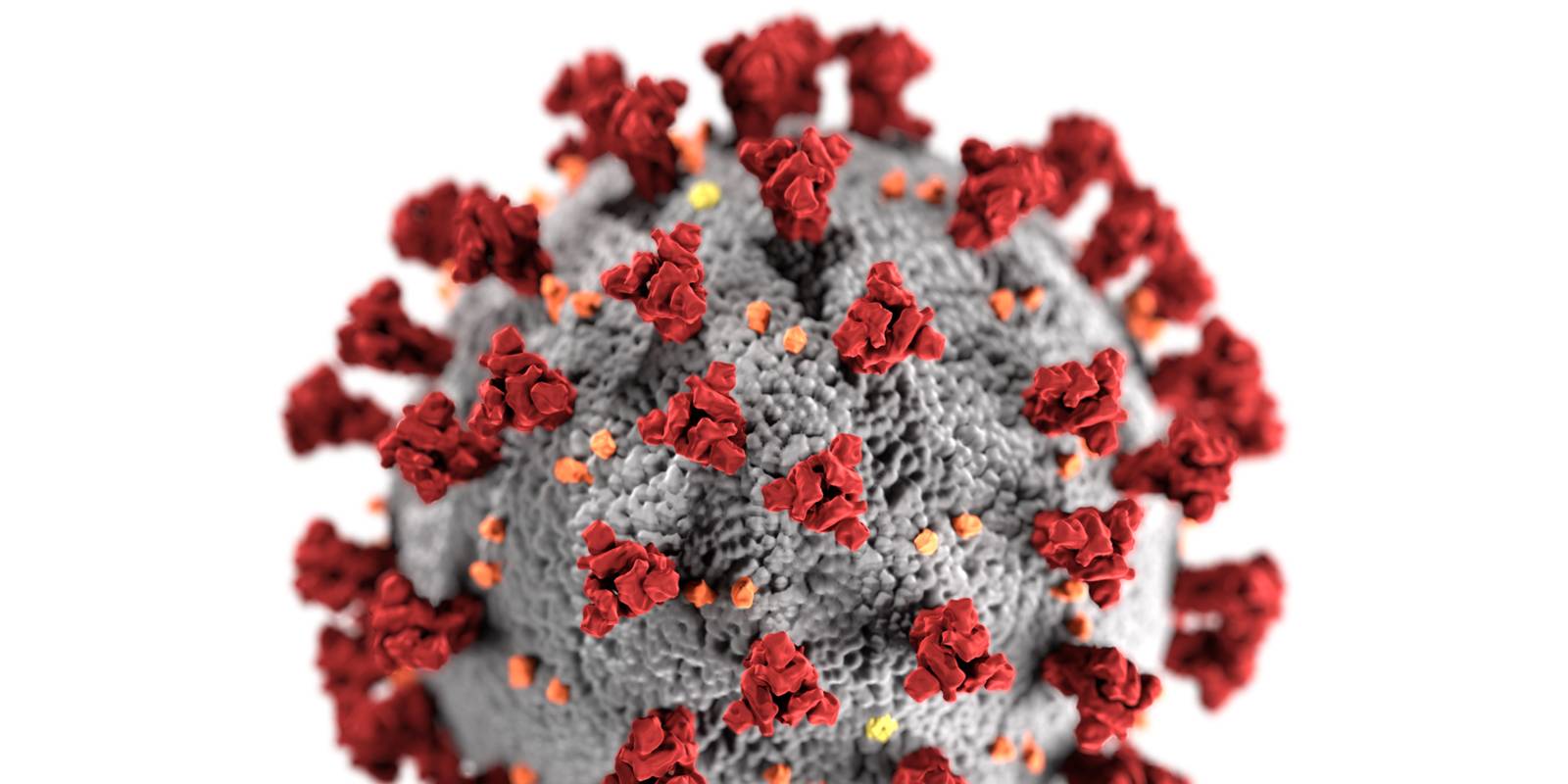
What happens when a virus enters the human body? This course explains all, focusing particularly on how viral diseases develop at a molecular level, exploring cellular biology, genetics, the body’s defences and anti-viral therapeutics.

The majority of the world’s population lives in the cities of low- and middle-income countries, often referred to as the Global South. The course explores the rapid growth of such cities, and their place in a sustainable urban future.
Plants have existed on this planet longer than humans. As the climate on Earth has changed dramatically since its origins, how have plants survived? This course will explore how plants adapt to thrive across the world in different environments.

A non-mathematical overview of the current scientific understanding of space and time. Including an introduction to Einstein's theory of relativity, its consequences, and applications.

What made our planet habitable? This course uses physics, astronomy, chemistry, geology, and biology, to narrate Earth's story, from the synthesis of chemical elements in the stars to today’s global environmental challenges and human activities in space.

Why do animals behave the way they do? In this course we will look at the full range of behaviours found in the animal kingdom, from simple escape behaviours to complex tool use and their evolution.

Part-time over five weeks, this tutor-led training course can be taken from anywhere in the world. It will appeal to students and practitioners in conservation management wanting to improve their invertebrate survey skills.

This ten-week online course will survey the range of techniques and methodologies used to determine the nature and composition of nanoparticles, thin films and nanostructures. It includes a hands-on visit to Begbroke Science Park over two days.

How old is the universe? How unusual is the Solar System? How will it all end? Oxford astronomers Chris Lintott and Robert Simpson provide an overview of the last 13.7 billion years of cosmic evolution, answering these questions and more.