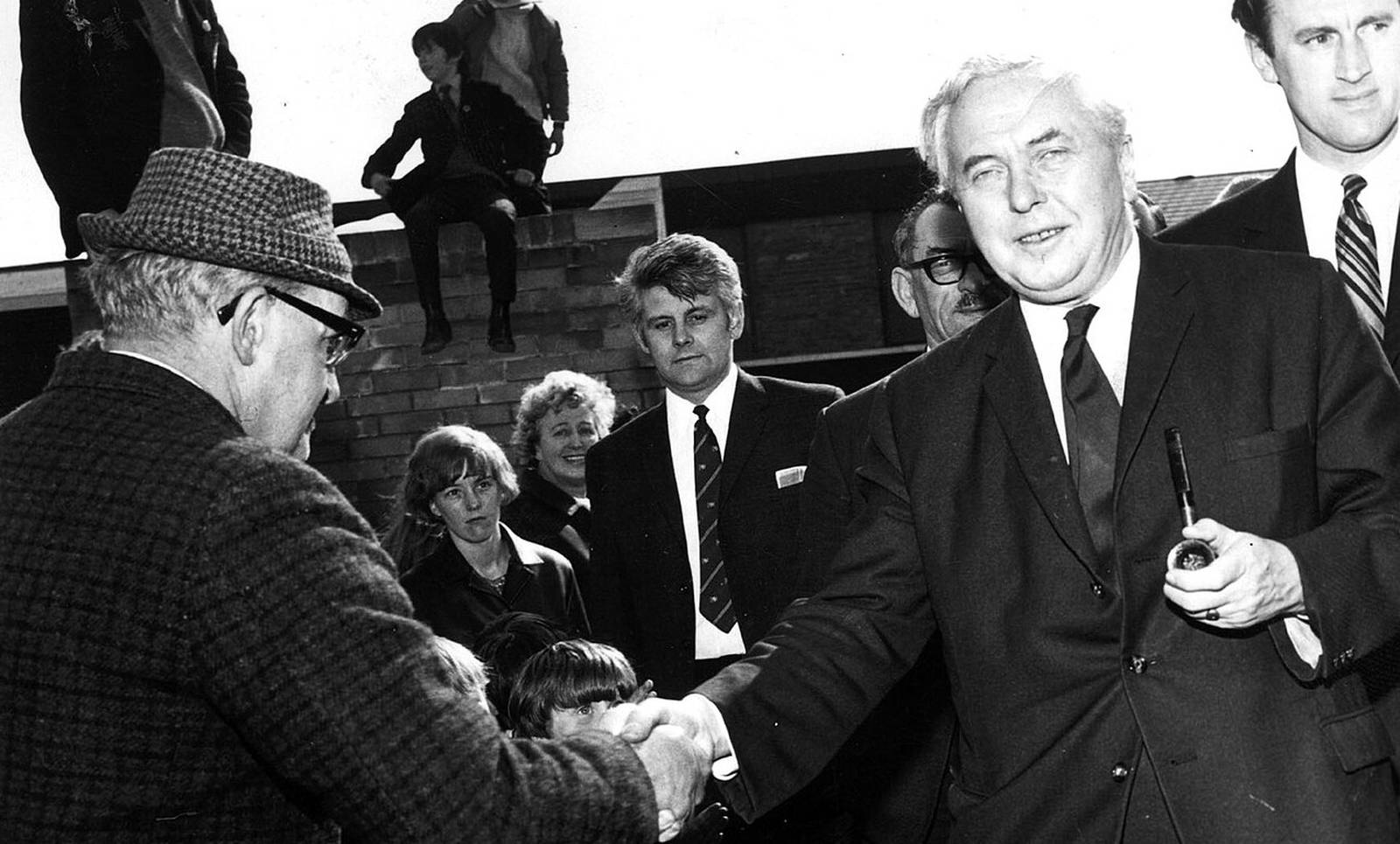
Examine how Harold Wilson and Jim Callaghan set the stage for the 1975 referendum on staying in the EEC.
Filter by:
Filters
Start month
Day of the week
Time of day
Examine how Harold Wilson and Jim Callaghan set the stage for the 1975 referendum on staying in the EEC.
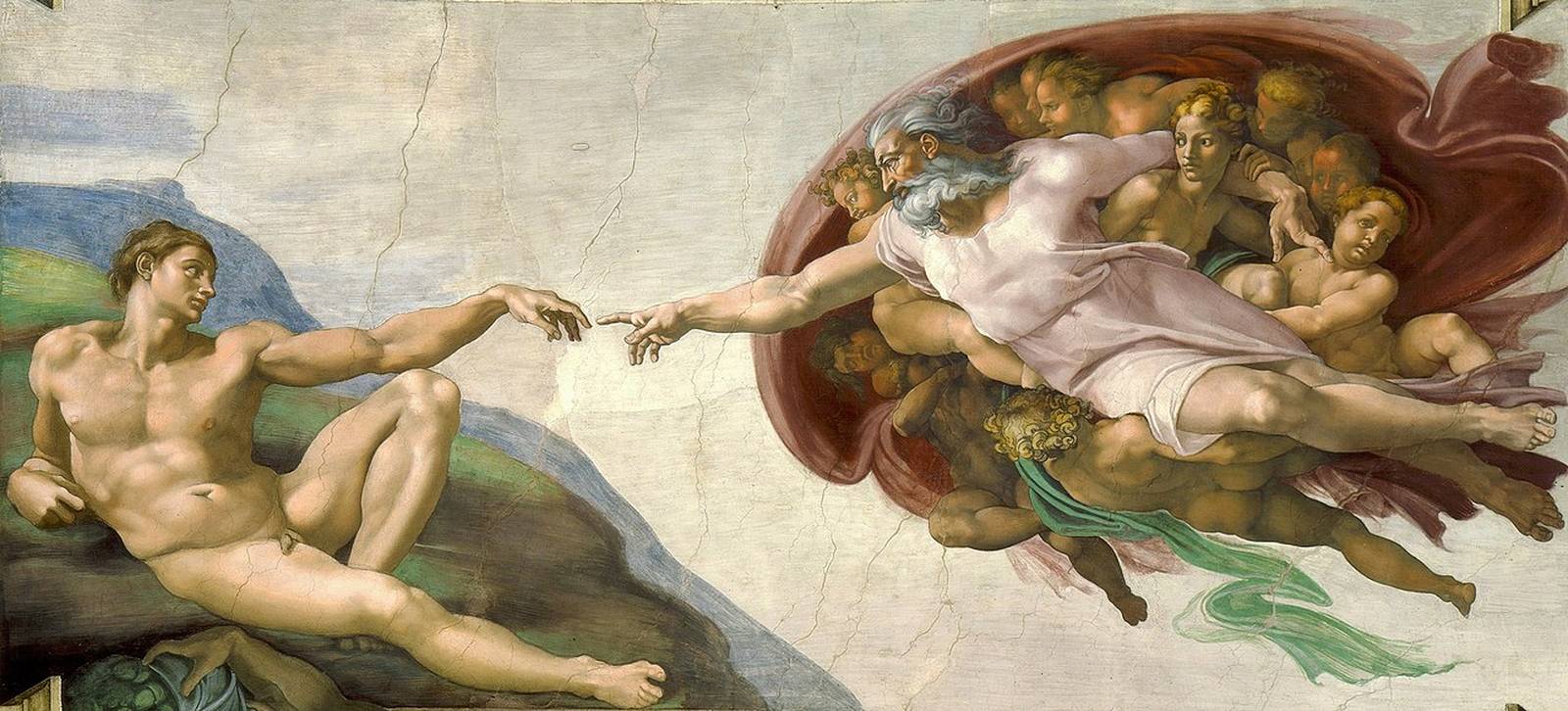
What does the human body reveal about the soul? Explore Michelangelo’s masterpieces and discover how art, faith, and Renaissance thought come together in his powerful vision of the human form.
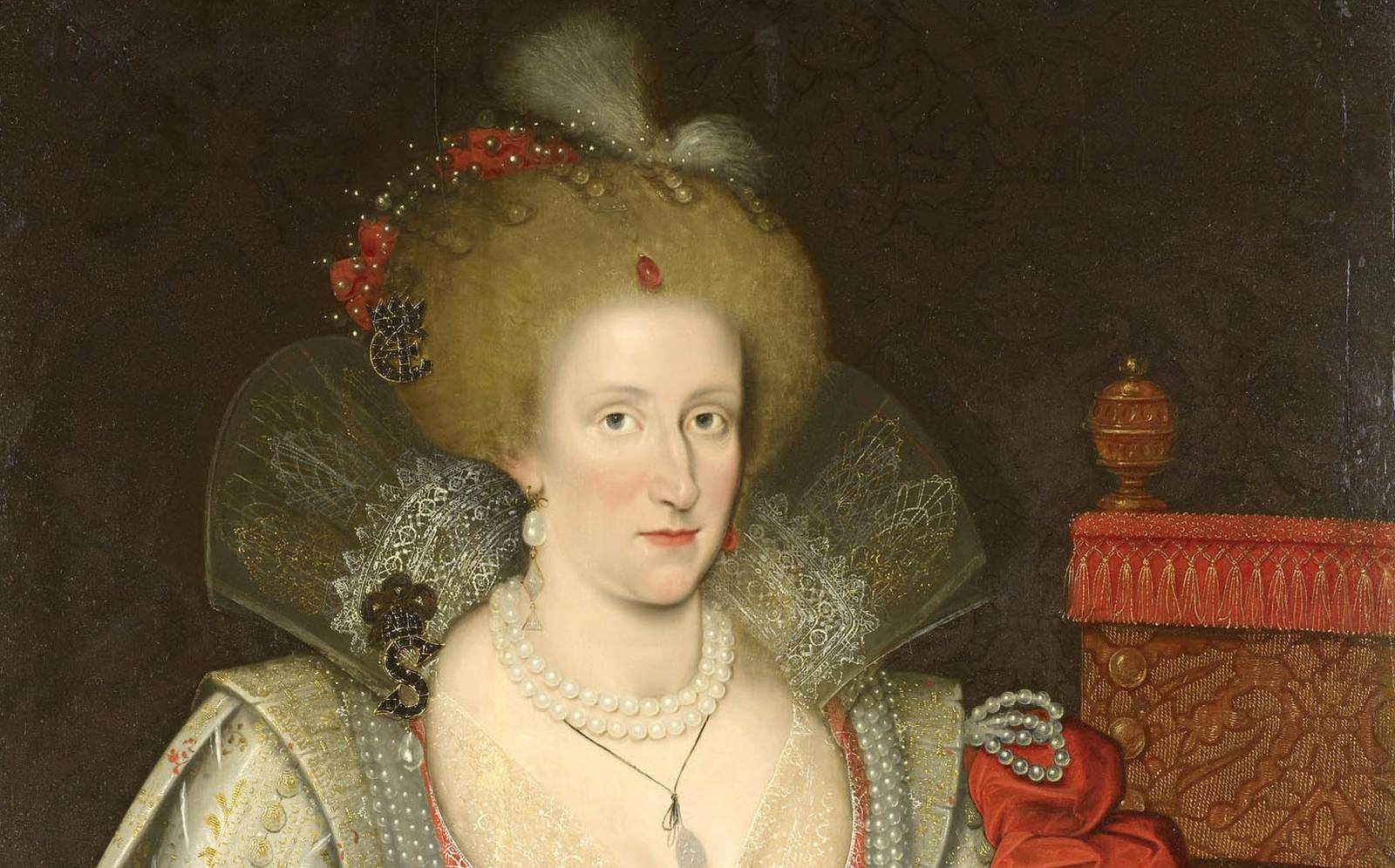
This lecture examines Anna of Denmark, and her impact on politics and the arts.
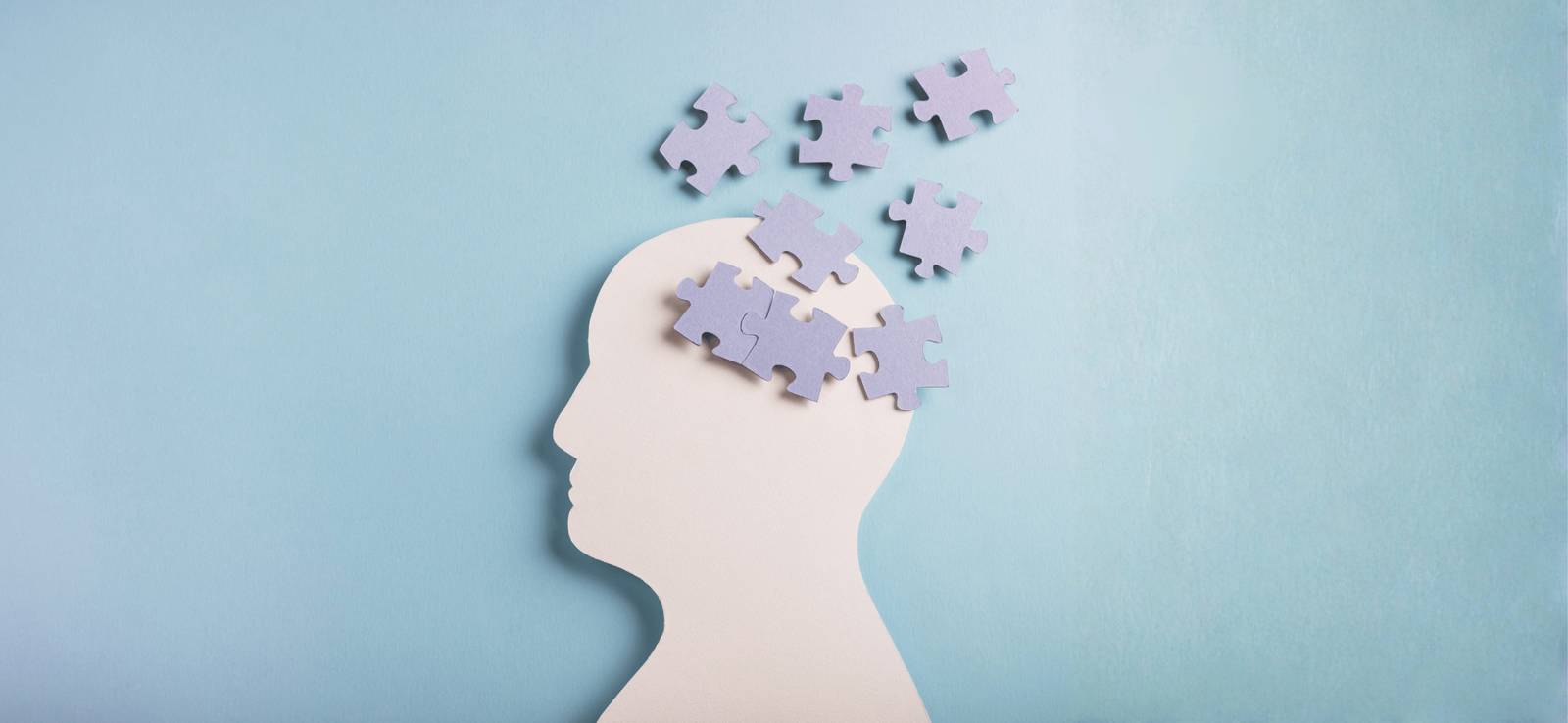
We will take a brief look at the workings of the brain, and how psychologists describe the functions of attention, perception and memory. Explore how these processes can work to fool us, and what we have learned from dysfunction.
Examine the decisive vote to remain in the EEC, and the success of the 'yes' campaign.
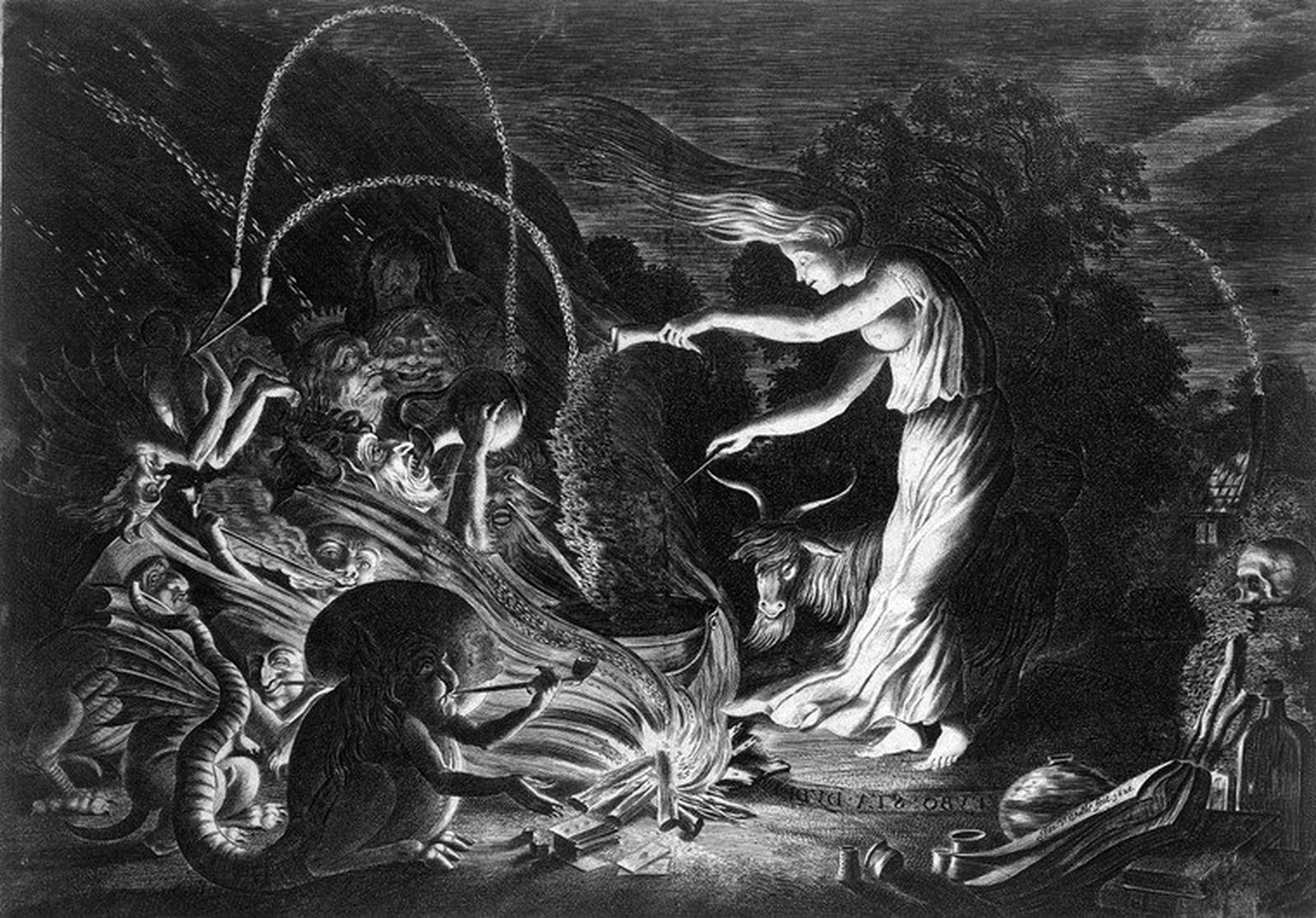
Explore the history of witchcraft belief and persecution during the early modern period in this special study day.
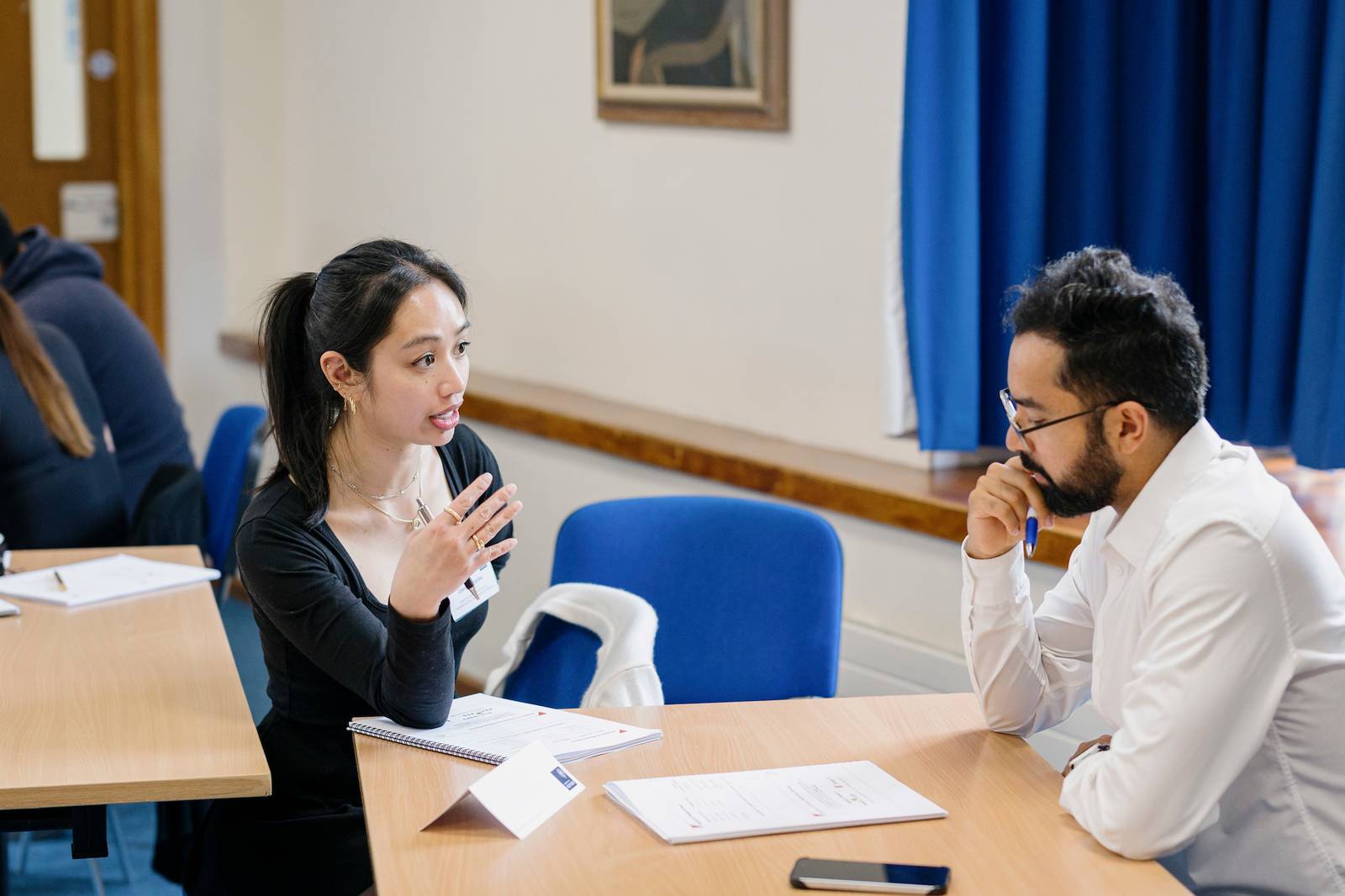
Drawing on psychology, sociology, anthropology and education, this day aims to help coaches of all backgrounds, and levels of experience, explore recent developments that affect their practice, highlight sources and pinpoint themes to watch in the future.

Life is a struggle, for any organism. Plants, animals, and microbes share the same planet and have to battle or befriend others to survive. Participate in this day event to explore relationships that enable survival of organisms.
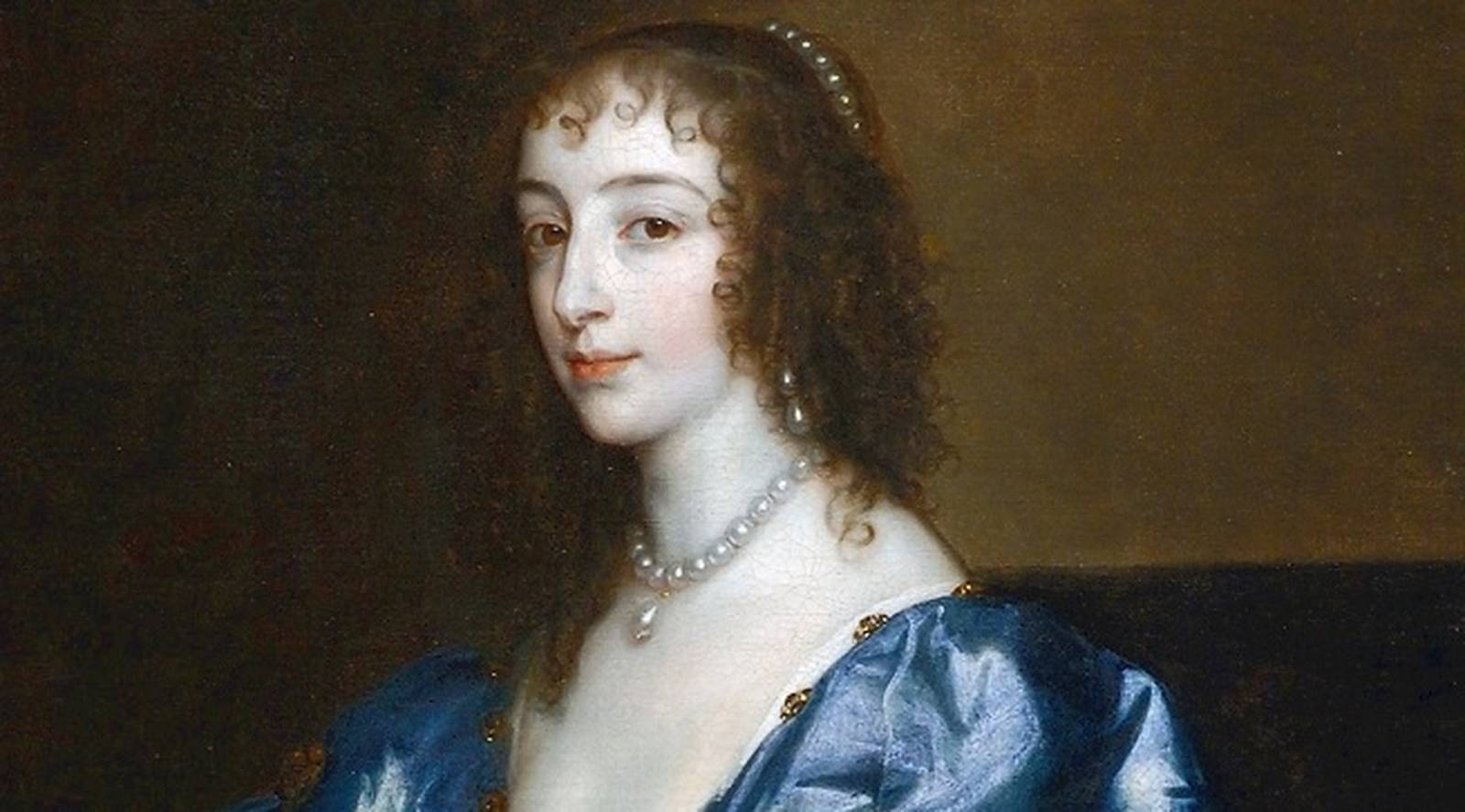
This lecture examines Henrietta Maria, wife of Charles I, and her political role and patronage of the arts.
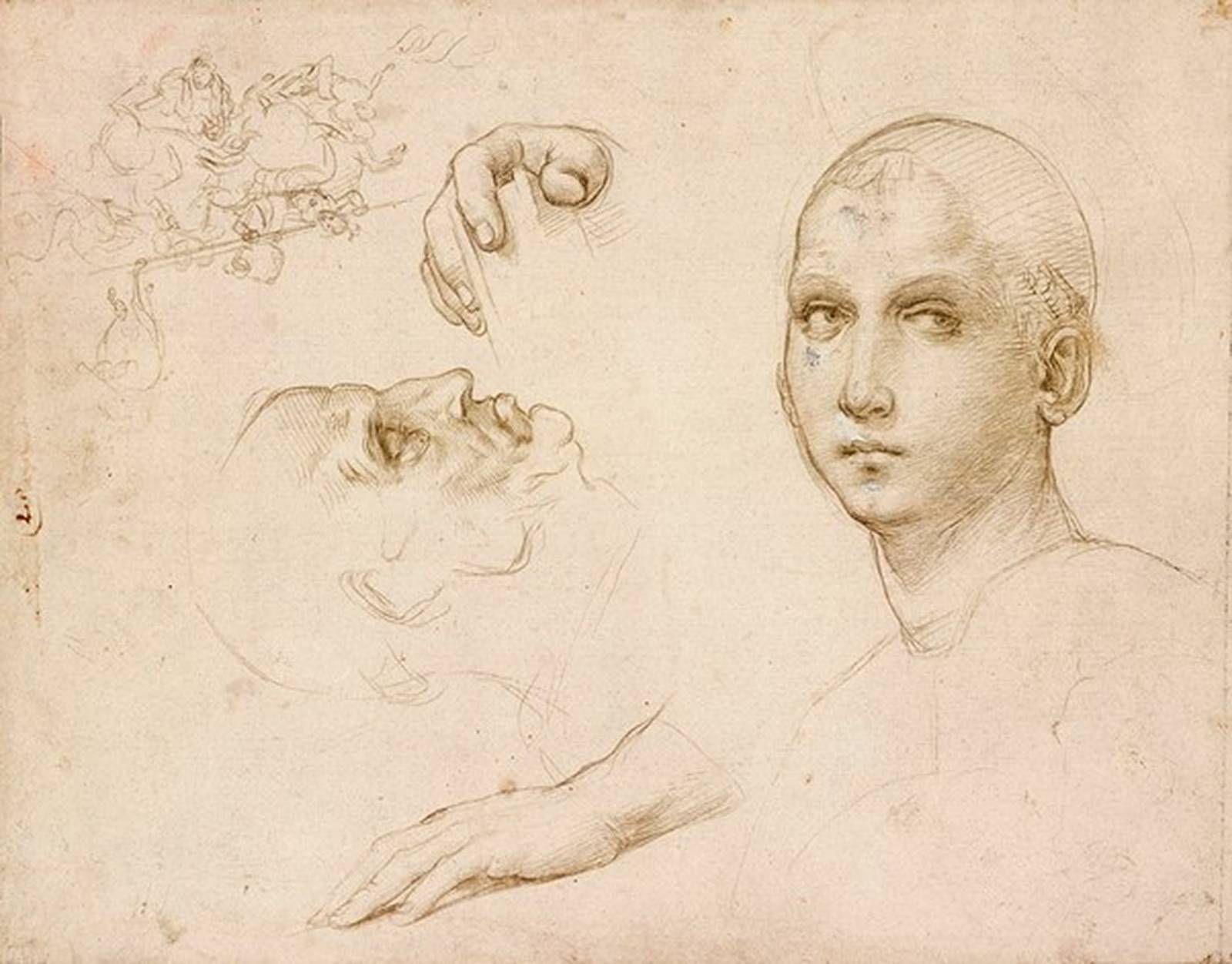
This guided viewing in the Ashmolean Museum will discuss key drawings by Leonardo, Raphael and Michelangelo individually and comparatively. Focusing on style and techniques, we will also consider relationships with their paintings, sculptures and writings
The oldest known stone tools date back 3.3 million years and pre-date the first appearance of the genus 'Homo'. Join us to explore tool making among our early hominin ancestors from the earliest probable origins to the comparatively advanced Oldowan.
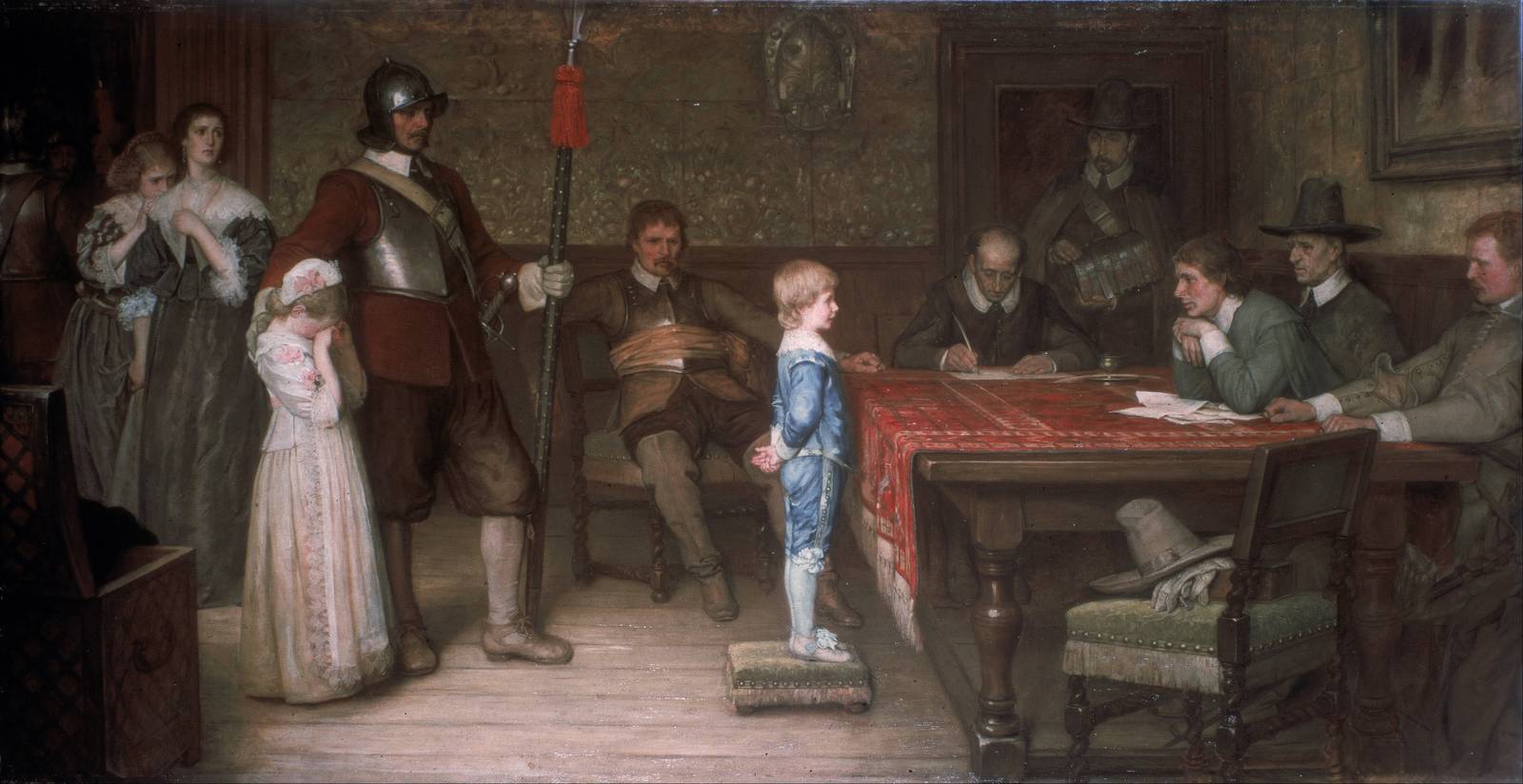
This day school will uncover the neglected roles of women and children during the British Civil Wars (1638–1660). Speakers will address how such people participated in these revolutionary events, and in what ways they looked back on them afterwards.