This course provides an introduction to the legal and ethical issues arising in the art and cultural heritage sectors today. Aimed at all those engaged in the art world, it will outline principles and practices, exploring cases from the UK and beyond.

Course and event search results
Filter by:
Filters
Start month
Day of the week
Time of day
This lecture will examine the transformation of Russian power under Putin, exploring how military rebuilding, strategic alliances, and conflicts in Crimea and Ukraine reshaped Russia’s global influence after the Cold War.
Many Change programmes fail to achieve their promised benefits, because they fail to take into account true Complexity. This course shows how to first assess Change projects in terms of their complexity and then to apply tools and methods appropriately.
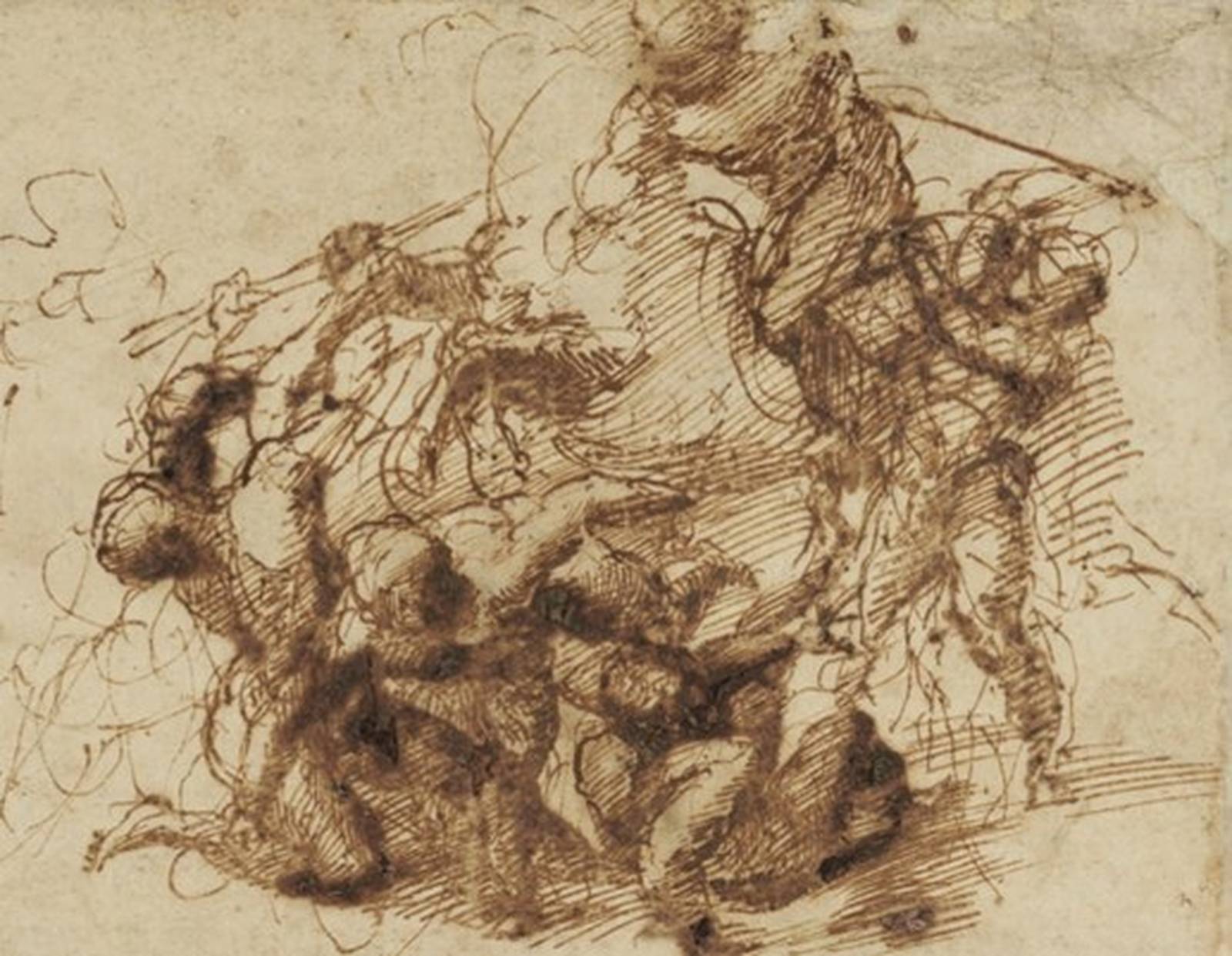
This guided viewing in the Ashmolean Museum will discuss key drawings by Leonardo and Michelangelo individually and comparatively. Focusing on style and techniques, we will also consider relationships with their paintings, sculptures and writings.
Covering the process of doing a systematic review, focusing on practicalities and emphasising how and why this qualifies as scientific research.
Develop your knowledge in the leading Agile method (Scrum) so that you can complete projects quickly and efficiently on this two-day course and practical workshop.
How did artists respond when protest, war, empire, and industrialisation transformed France? This course explores how painters from Boucher to Manet reimagined art in relation to modern life.
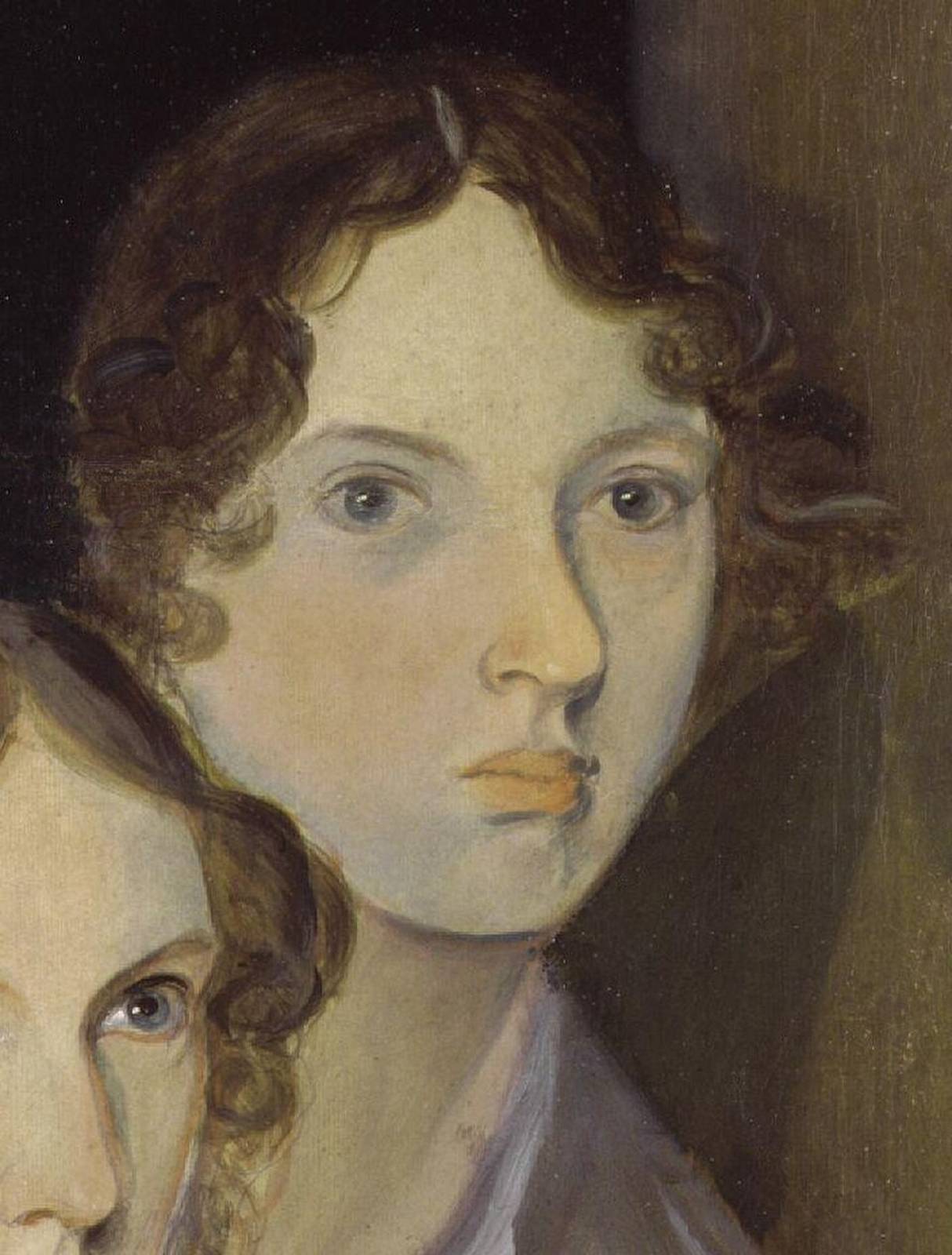
Huge changes occurred in 19th-century fiction – new subjects, new literary techniques. Here we shall explain and explore them. Authors include Jane Austen, Charles Dickens, Emily Brontë, Herman Melville, Gustave Flaubert and Charlotte Perkins Gilman.
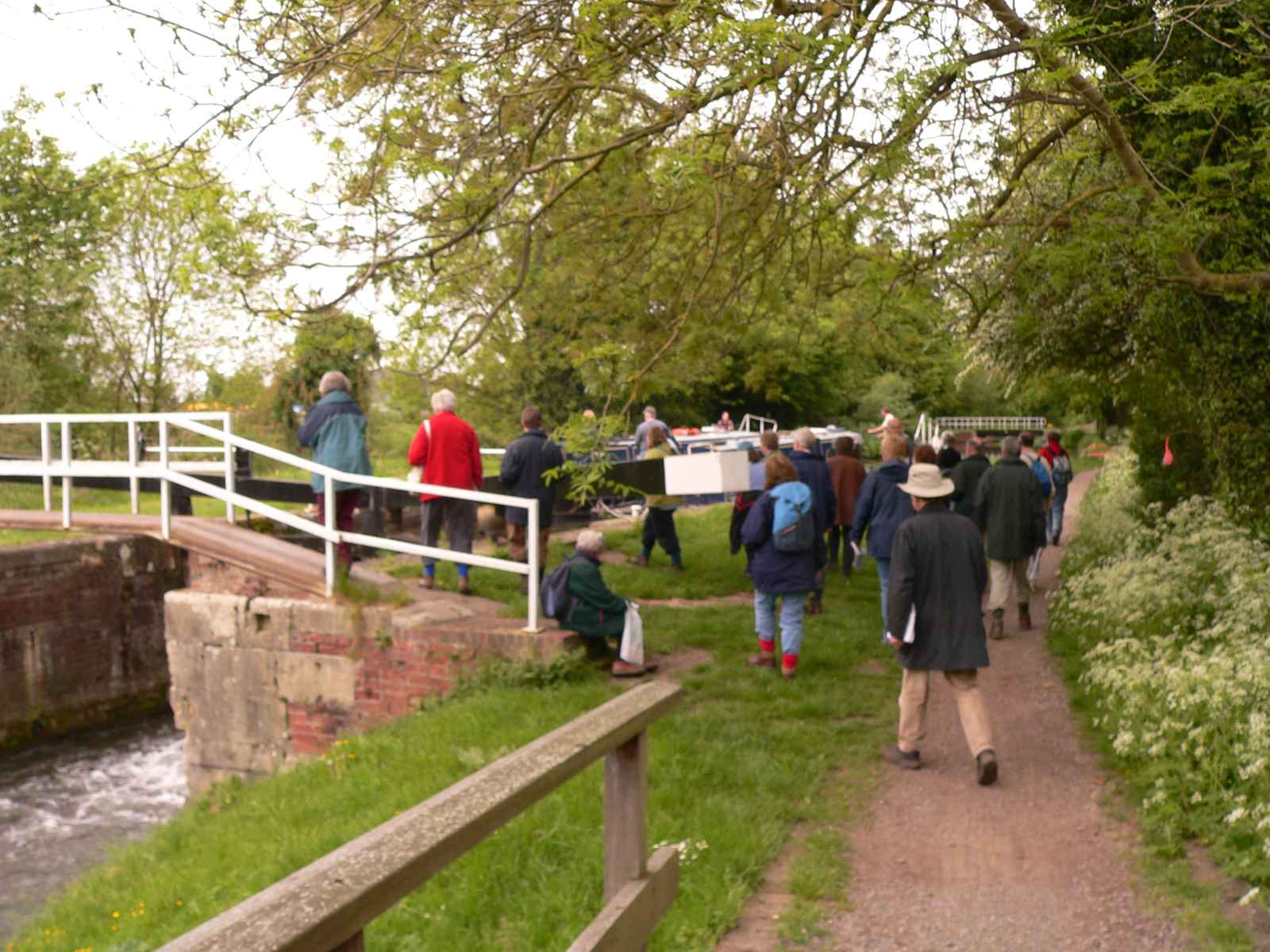
There are archaeological sites all around us: hillforts and stone circles, Roman towns, ancient fields and roads. During this course, we will venture out and look at the archaeological landscape.
This course dives deep into Jane Austen's most dark and complex novel, 'Mansfield Park' (1814), analysing and contextualising key elements. Includes trips to Hampshire (key sites in Austen’s life) and the Bodleian Library archives.
Explore Middlemarch by George Eliot, one of the greatest novels ever written. A humane, passionate novel, packed with psychological complexity, intellectual debates, families, beliefs and the huge implications of human choice.
One of the most turbulent periods in our history, the Regency saw violent social disorder and political confusion, yet also witnessed artistic and cultural triumphs and unprecedented technological and industrial innovation.