
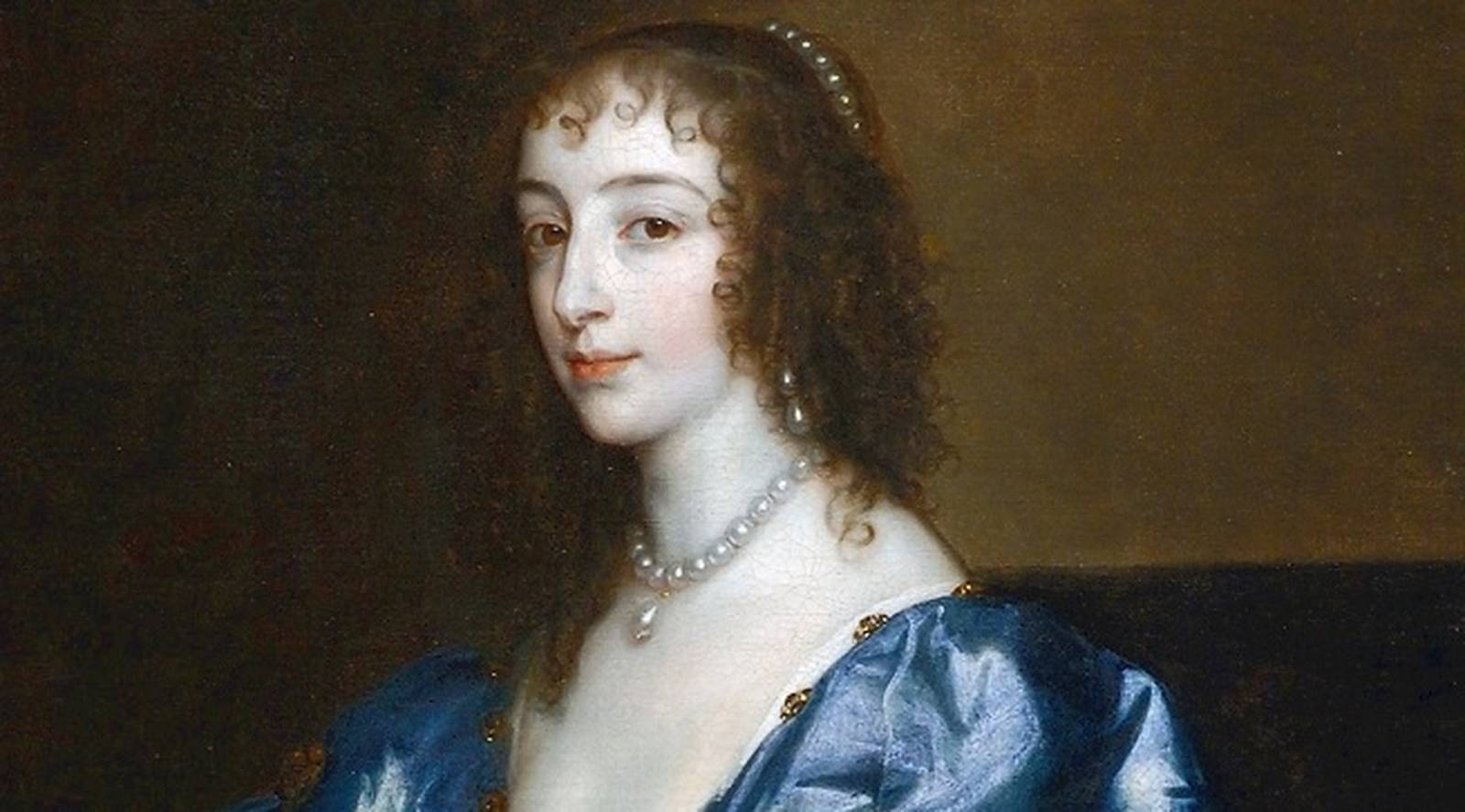
This lecture examines Henrietta Maria, wife of Charles I, and her political role and patronage of the arts.
Filter by:
Filters
Start month
Day of the week
Time of day
This lecture examines Henrietta Maria, wife of Charles I, and her political role and patronage of the arts.

Fast-track your journey from technical expert to leader. Gain practical skills to manage teams, balance leadership with process, and drive high performance. Learn how to motivate, prioritise, and transition into management with confidence.
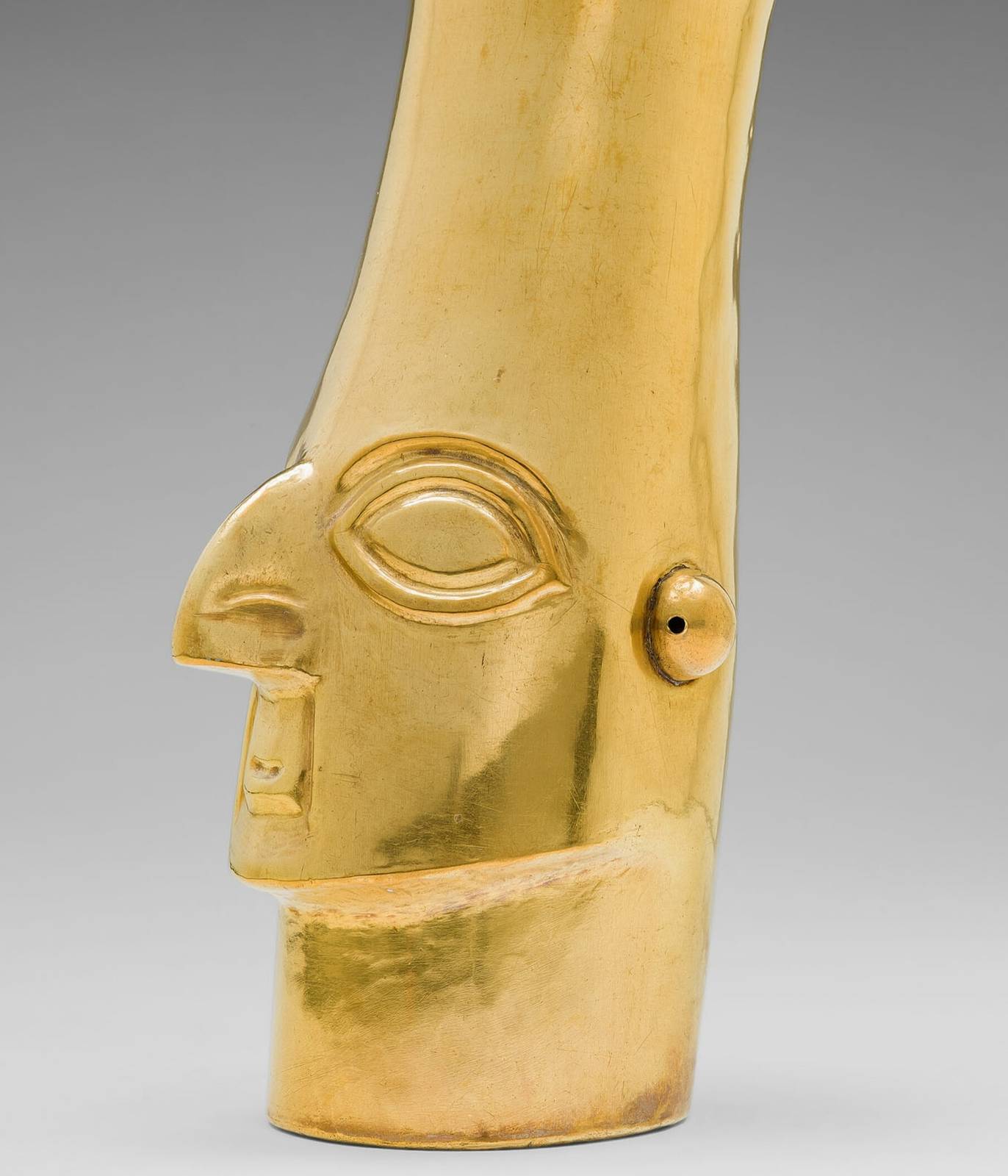
What makes gold sacred? Discover how artists in the Americas used this radiant material to create dazzling works of art, blending Indigenous traditions and Christian imagery in the Renaissance and Baroque.
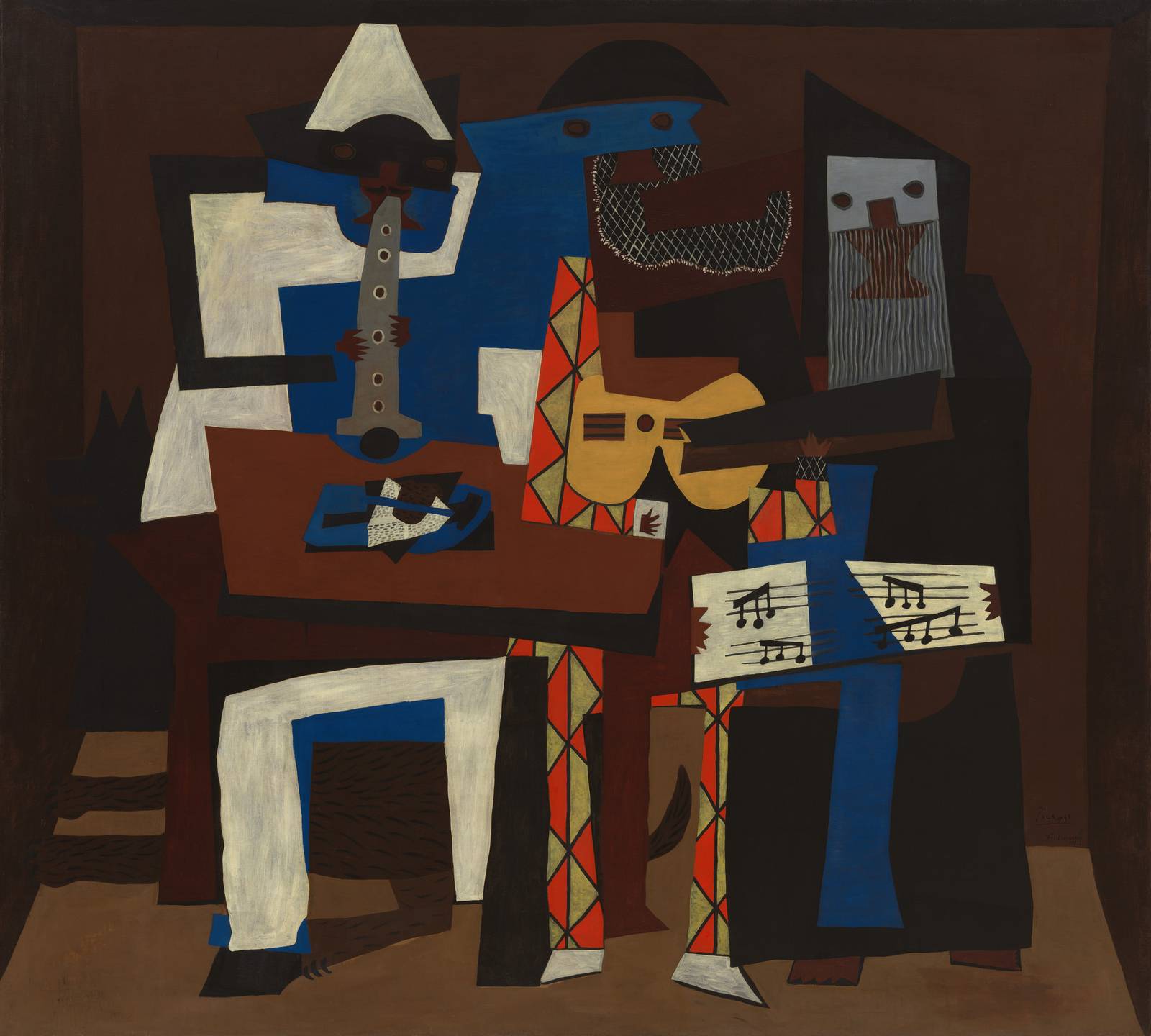
This lecture will explore tradition and Modernism in the 1920s.
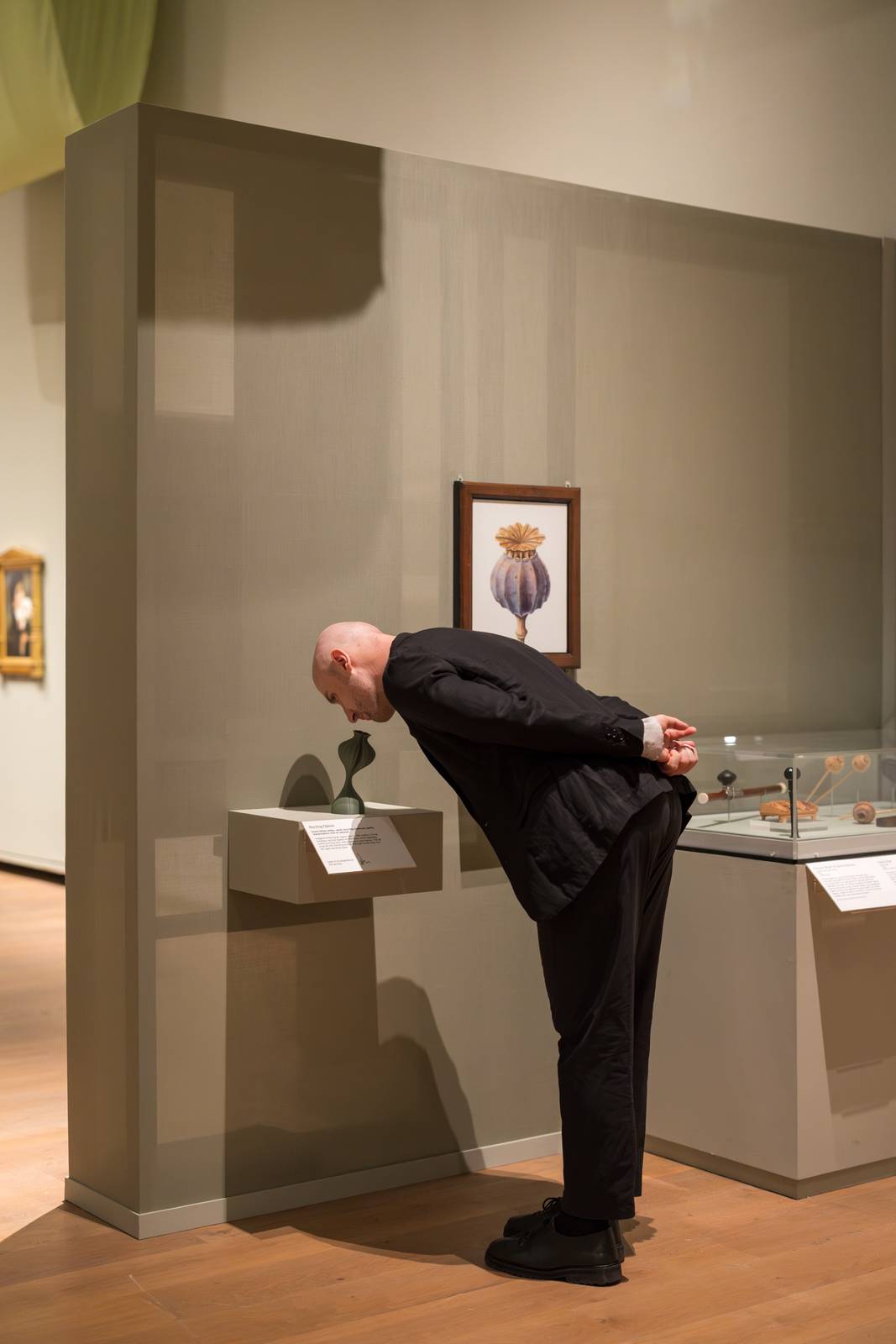
Do your exhibitions stink? Scent is becoming a popular feature in museums, but what makes olfactory visitor experiences effective? We will explore the theory, practice, benefits and pitfalls, with useful tips to help harness scent as an interpretive tool.
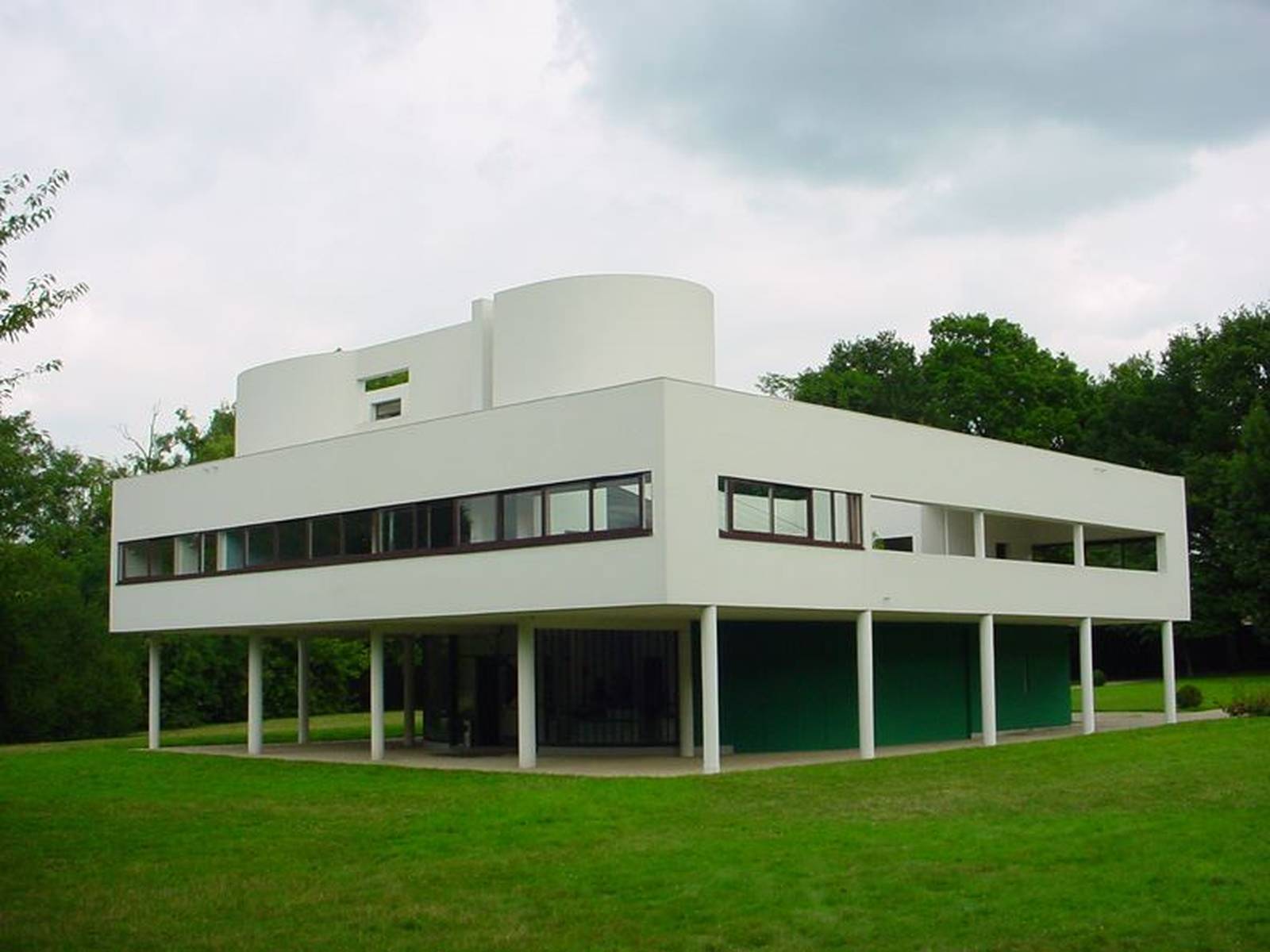
This lecture series will explore the art and architecture of the 1920s: the ‘Jazz Age’, which witnessed the earliest flowerings of Modernism. The ‘old’ was swept abruptly aside in favour of the ‘new’ - and the foundations were laid for the world of today.
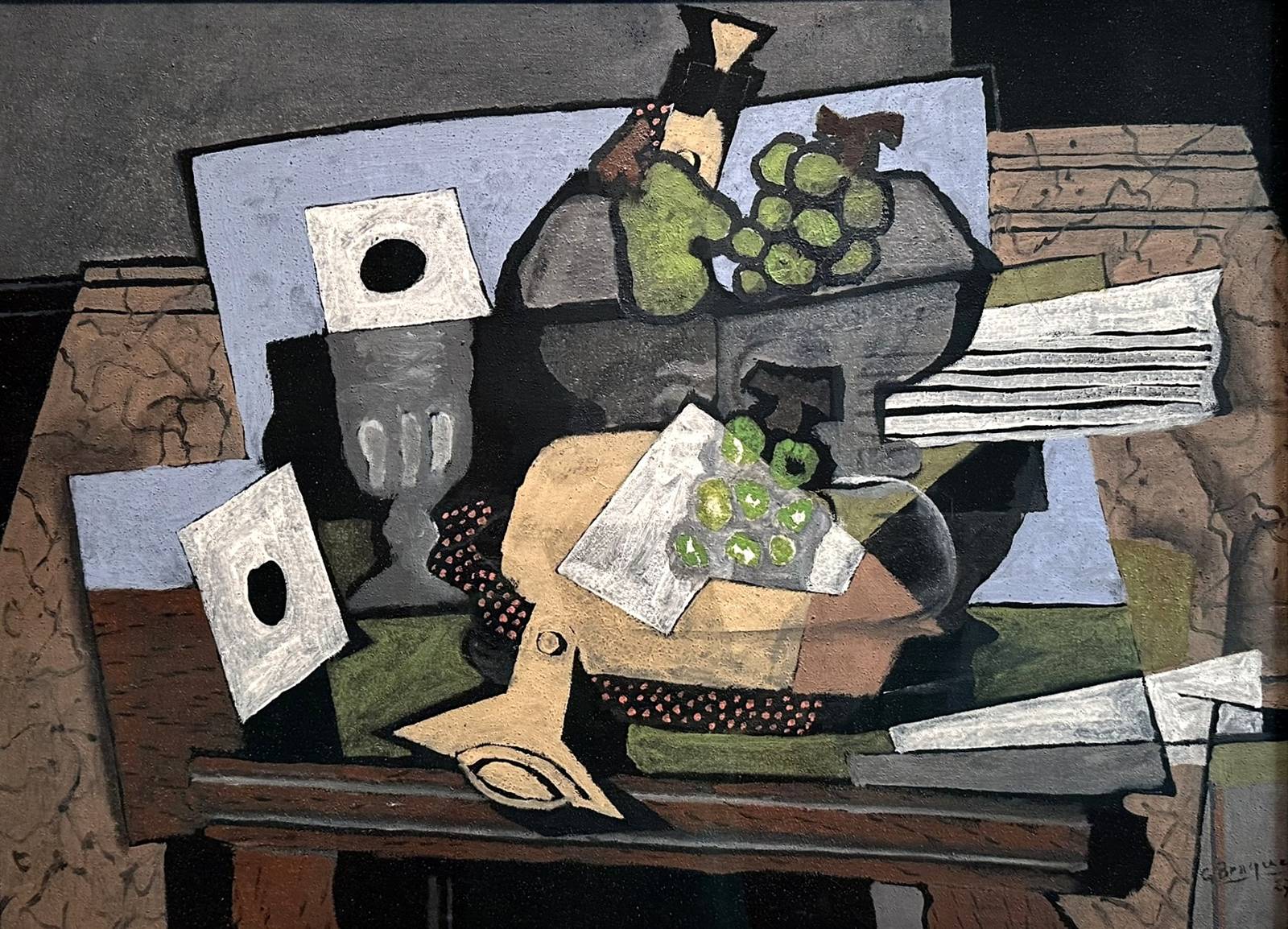
This lecture will will explore how Modernism came to dominate painting, sculpture, and architecture, and its pioneering artists..
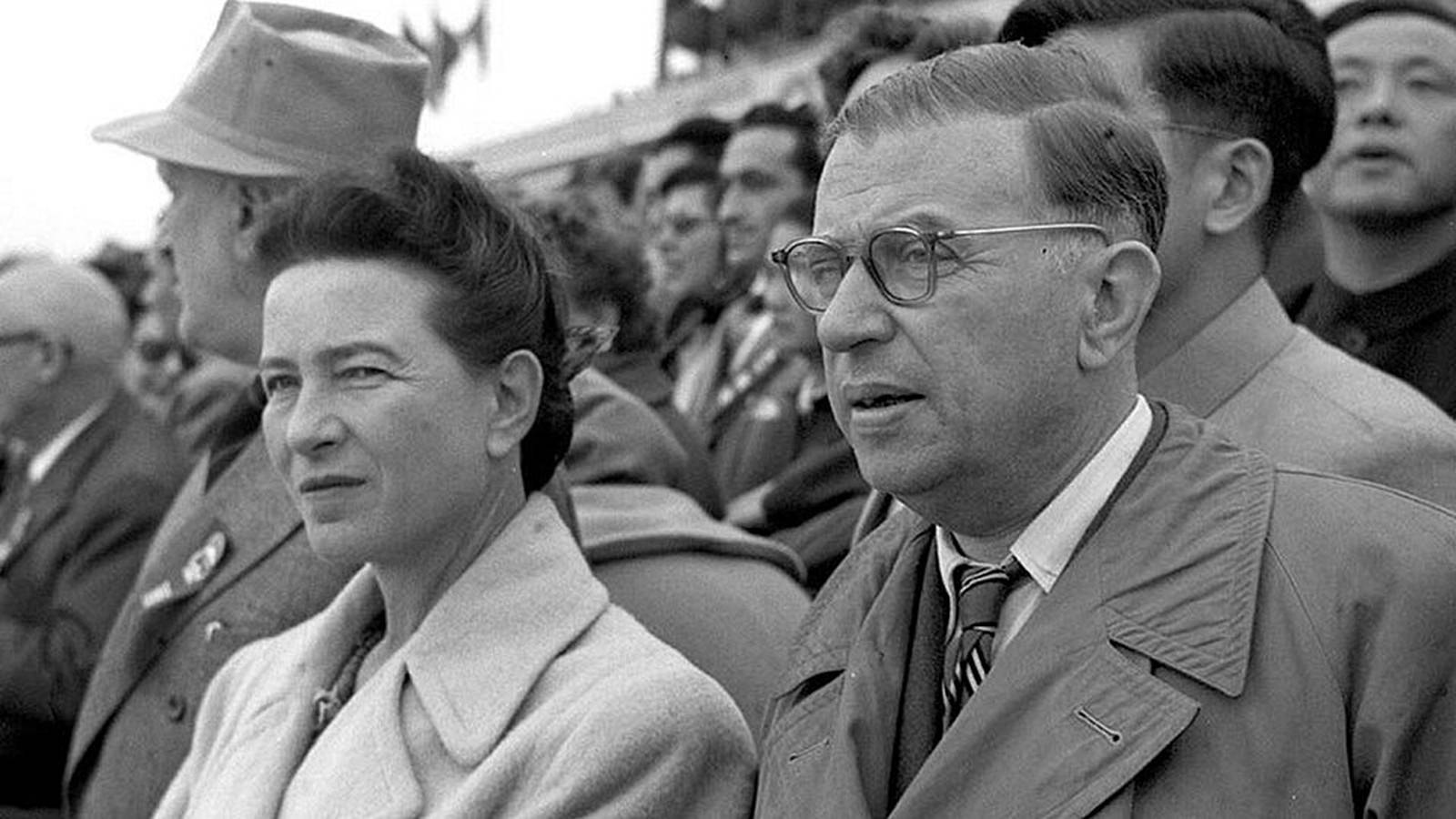
Twentieth Century French Philosophy is both rich and varied. With a concern for our understanding of the self, wedded to the significance of our being with others, these philosophers examined how we attempt to make sense of ourselves and our world.

This course helps any coach deepen their practice in various ways: enhancing intervention skills, better understanding clients' needs, drawing on evidence, exploring attitudes to work/clients, and expanding client bases and professional standing.
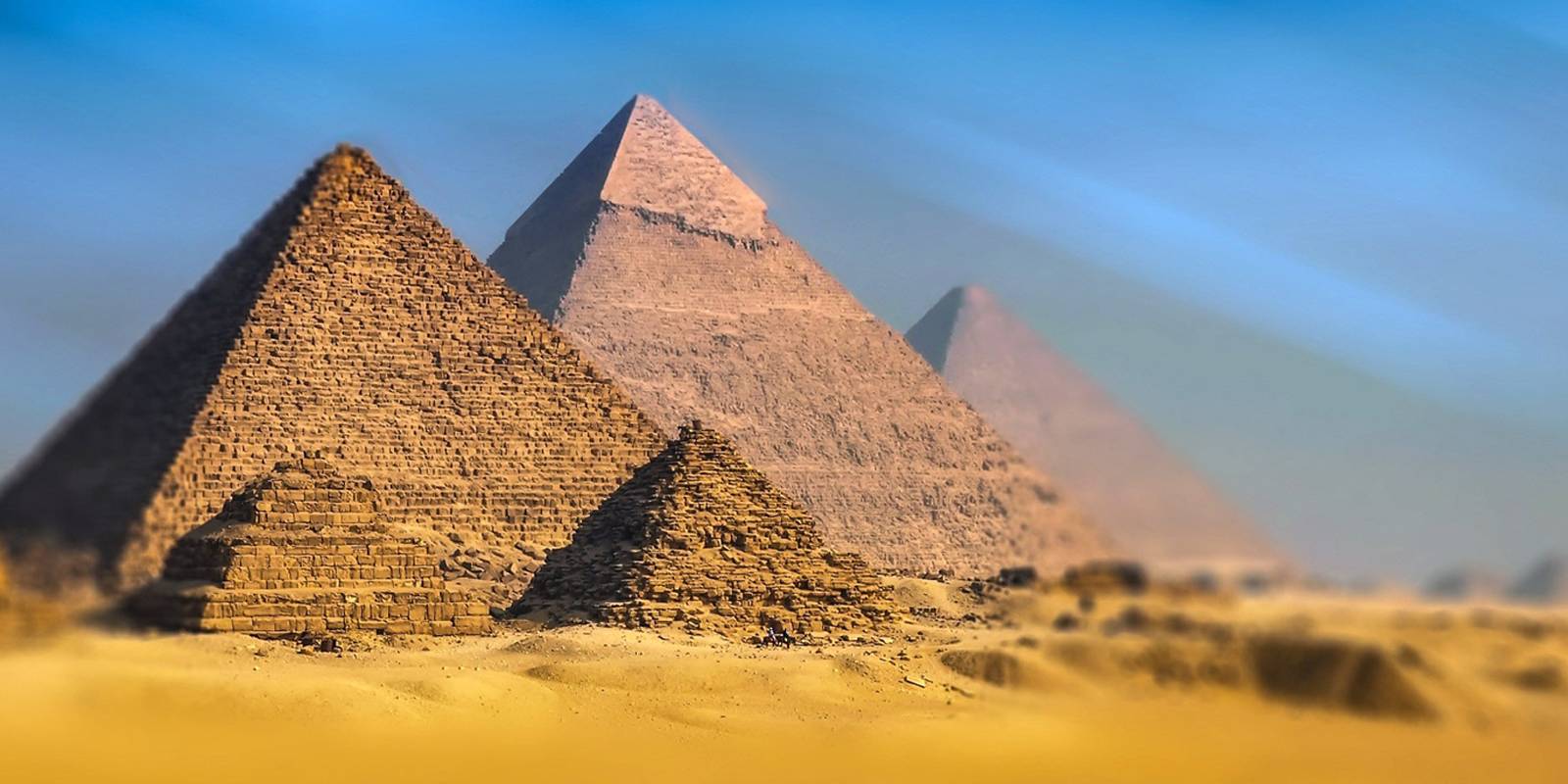
Investigate the emergence of architecture, from the earliest towns of the Neolithic to the Roman Empire. Explore urban form, construction materials and techniques, and discover how these how ancient building cultures influenced each other.

Ancient Greek is the language of Homer, Sophocles, Plato, the New Testament and many other texts. This class is for students who have either completed Ancient Greek 1 or have prior knowledge of Ancient Greek from elsewhere.
How do we understand workplace dynamics? This course introduces elementary psychotherapeutic theory to illuminate the hidden life of the office and those working in it. Using real-life examples, lectures, experiential learning and working in small groups,