
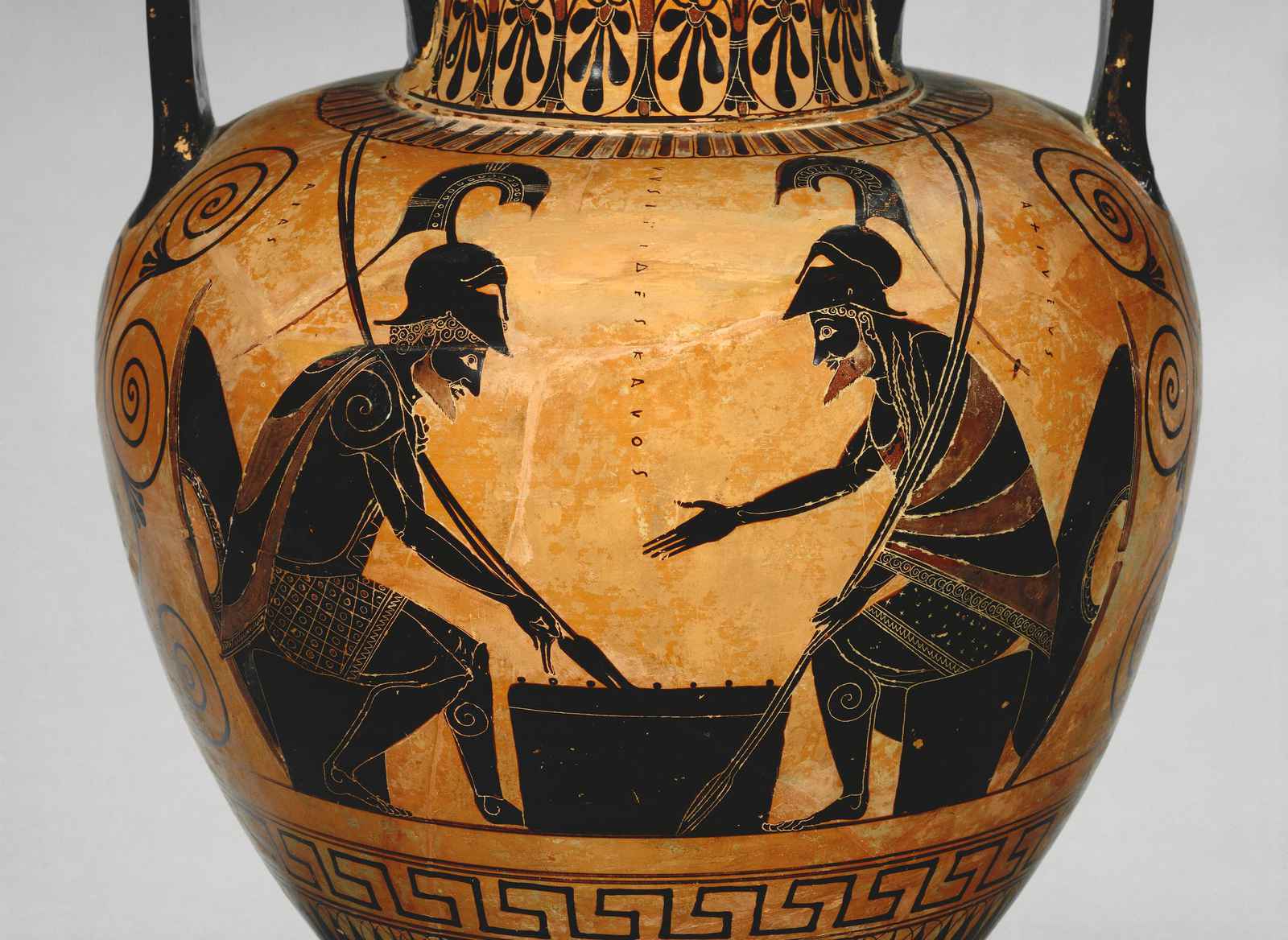
Why engage with an approach to ethics that is 2,300 years old? Because ethics without Aristotle is inconceivable, and his insights into what is good for humans remain invaluable. Join in to explore and discuss the 'Nicomachean Ethics'.
Filter by:
Filters
Start month
Day of the week
Time of day
Why engage with an approach to ethics that is 2,300 years old? Because ethics without Aristotle is inconceivable, and his insights into what is good for humans remain invaluable. Join in to explore and discuss the 'Nicomachean Ethics'.

This introduction to Existential Therapy will enable both experienced clinicians from other therapeutic traditions and those with a general interest in therapy to gain a foundation in key existential theory and skills.

This course equips leaders and students with tools from the UN's Faith For Rights framework to merge human rights with faith ideals, fostering cohesive communities. It will be delivered through lectures, sharing of case studies and peer-to-peer learning.

Gain an appreciation of different forms of nature writing and produce your own texts in a supportive environment with this short online course.

This course continues to introduce the basic principles of Classical Latin. It provides a firm basis of grammar, sentence structure and vocabulary of the language, through which you will be able to read and translate Roman drama in adaptation.

Gain insight into advanced data science programming tools, using the Python programming language, to extract features from data, assess the statistical significance of the results found, and scale up the computational capability for big data challenges.

Unveil the dark web’s role in cybercrime, from stolen data markets to ransomware. Explore how extremists exploit cyberspace for recruitment, intelligence, and sabotage. Investigate modern slavery’s digital ties to lethal cyber terrorism.

Gain insight into the most important programming tools using the Python programming language, for obtaining data, bringing it into a usable form, exploring and modelling it, and for presenting discoveries to a wider audience.

What links the ground beneath our feet to our cultural heritage? How do local building variations emerge and develop? Why is traditional building practice still important? Join this course to explore the material culture of historic buildings in Britain.

Explore the criminal underworld of cyberspace. Discover how the dark web facilitates illegal hacking and how ransomware is disrupting our societies, and learn how governments are fighting back.

'Magic' was a wide-ranging concept that affected many aspects of medieval society. This course will consider the actual and perceived practices of magic in the medieval period and their consequences.

This course builds on Part 1, and allows you to extend and revise your grammatical knowledge so far while reading some engaging texts in Greek.