Explore the art and power of poetry through close reading, study, and discussion of one classic poem per week. This introductory course helps students sharpen skills of critical thinking and analysis, and uncovers the timeless artistry behind great poems
Course search results
Filter by:
Filters
Start month
Day of the week
Time of day
During this course, we shall spend time getting to know a range of Shakespeare's plays in detail, supplementing this knowledge with information about their historical background, their theatrical history, and current critical debates.
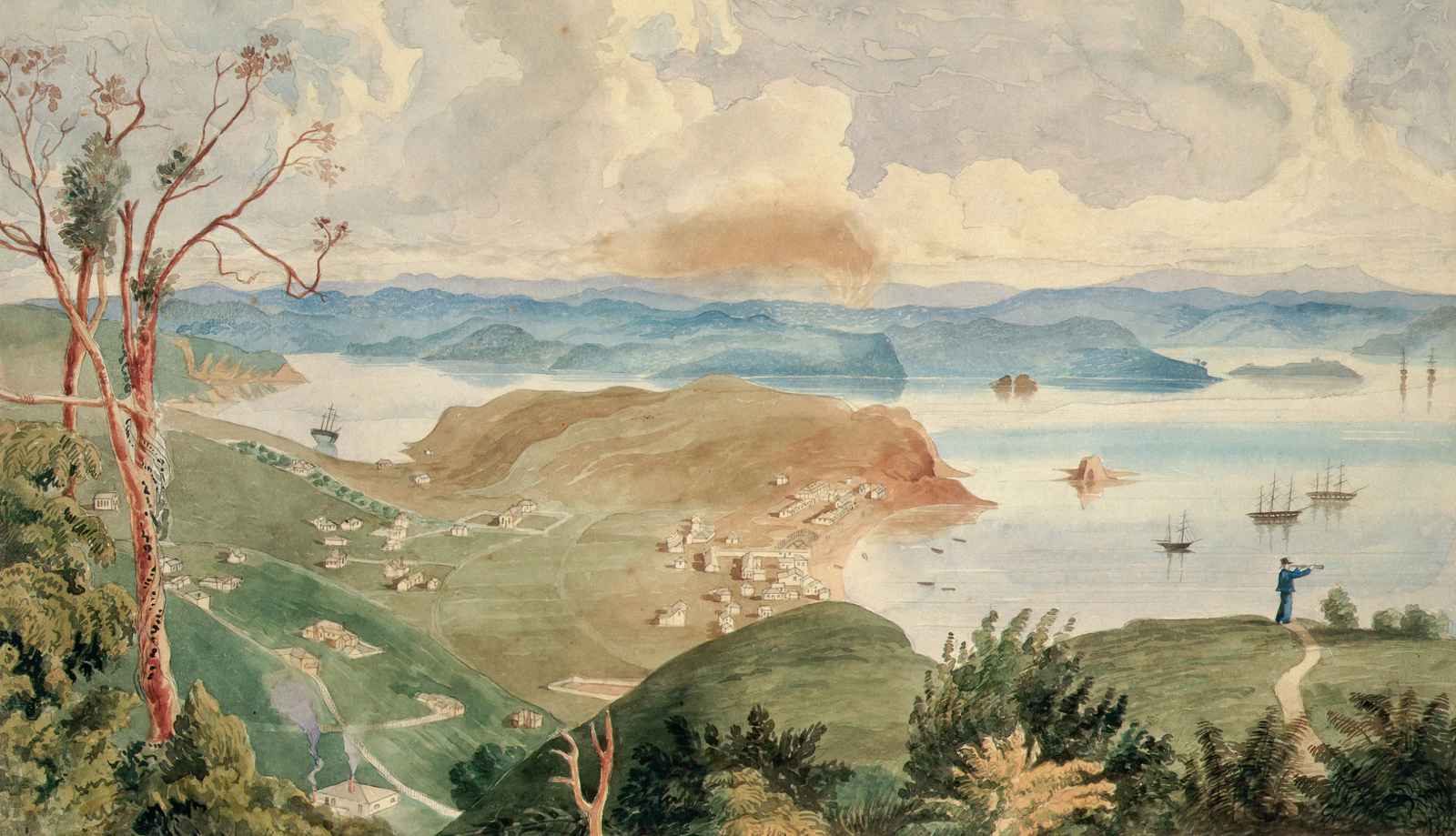
This course will give you a kaleidoscopic picture of colonialism as a dark and self-revealing experience, through the lenses of Joseph Conrad's Heart of Darkness, Virginia Woolf's The Voyage Out, and Katherine Mansfield's New Zealand stories.
Through Austen's six major works, examine the innovations and groundbreaking experimentalism that she brought to English literature and the development of the novel form. Explore her technical prowess and her astute engagement with key issues of her time.
Have you ever wondered why people study poetry? Have you ever read a poem and thought, 'Is there a way I should be reading this?' Have you ever been intimidated by poetry? If the answer is 'yes' to any of these questions, then this course is for you.
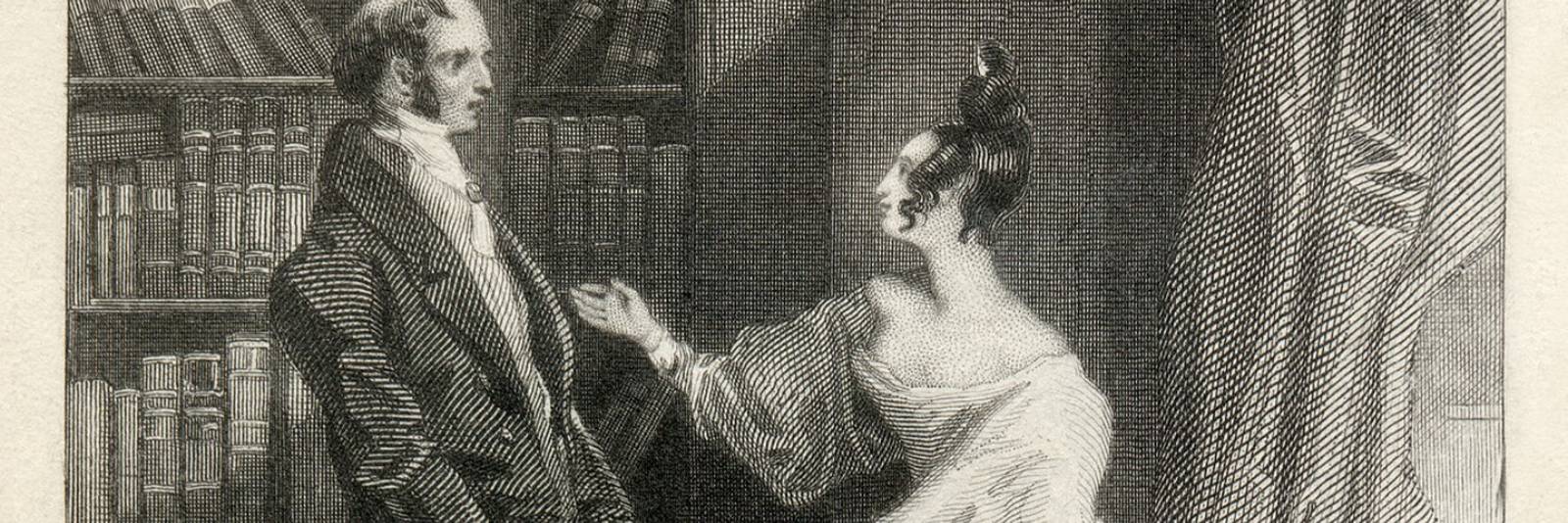
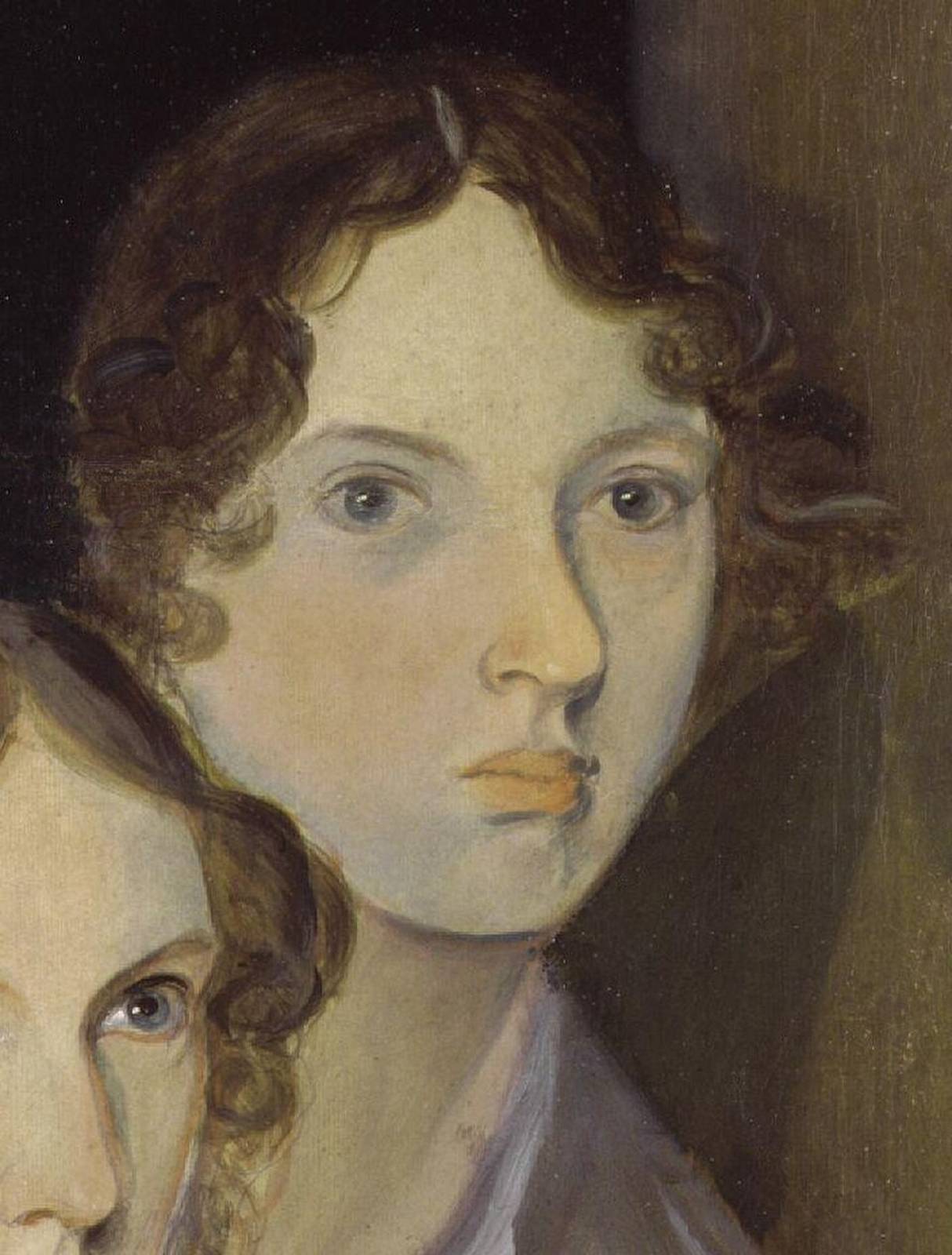
Huge changes occurred in 19th-century fiction – new subjects, new literary techniques. Here we shall explain and explore them. Authors include Jane Austen, Charles Dickens, Emily Brontë, Herman Melville, Gustave Flaubert and Charlotte Perkins Gilman.
This course dives deep into Jane Austen's most dark and complex novel, 'Mansfield Park' (1814), analysing and contextualising key elements. Includes trips to Hampshire (key sites in Austen’s life) and the Bodleian Library archives.
Explore Middlemarch by George Eliot, one of the greatest novels ever written. A humane, passionate novel, packed with psychological complexity, intellectual debates, families, beliefs and the huge implications of human choice.