

Educational strategies to develop a course and design assessment of learning and evaluation. Part of the Evidence-Based Health Care programme.
Filter by:
Filters
Start month
Day of the week
Time of day
Educational strategies to develop a course and design assessment of learning and evaluation. Part of the Evidence-Based Health Care programme.

Reasoning enables us to acquire knowledge, to persuade others and to evaluate their arguments. But only if we reason well. We shall be learning how to recognise, evaluate, construct and analyse arguments, and how to recognise common fallacies.

During this flexible online course, learn how to study and analyse paintings, drawings and prints, and learn the 'language of looking'.

Aiming to provide an understanding of realist reviews and evaluation and the ability to apply new knowledge and skills to a realist research project.

How can we begin to understand the spiritual lives of prehistoric people? When do religious ideologies first appear on the human evolutionary timescale? Using both anthropology and archaeological evidence these and many other questions are examined.
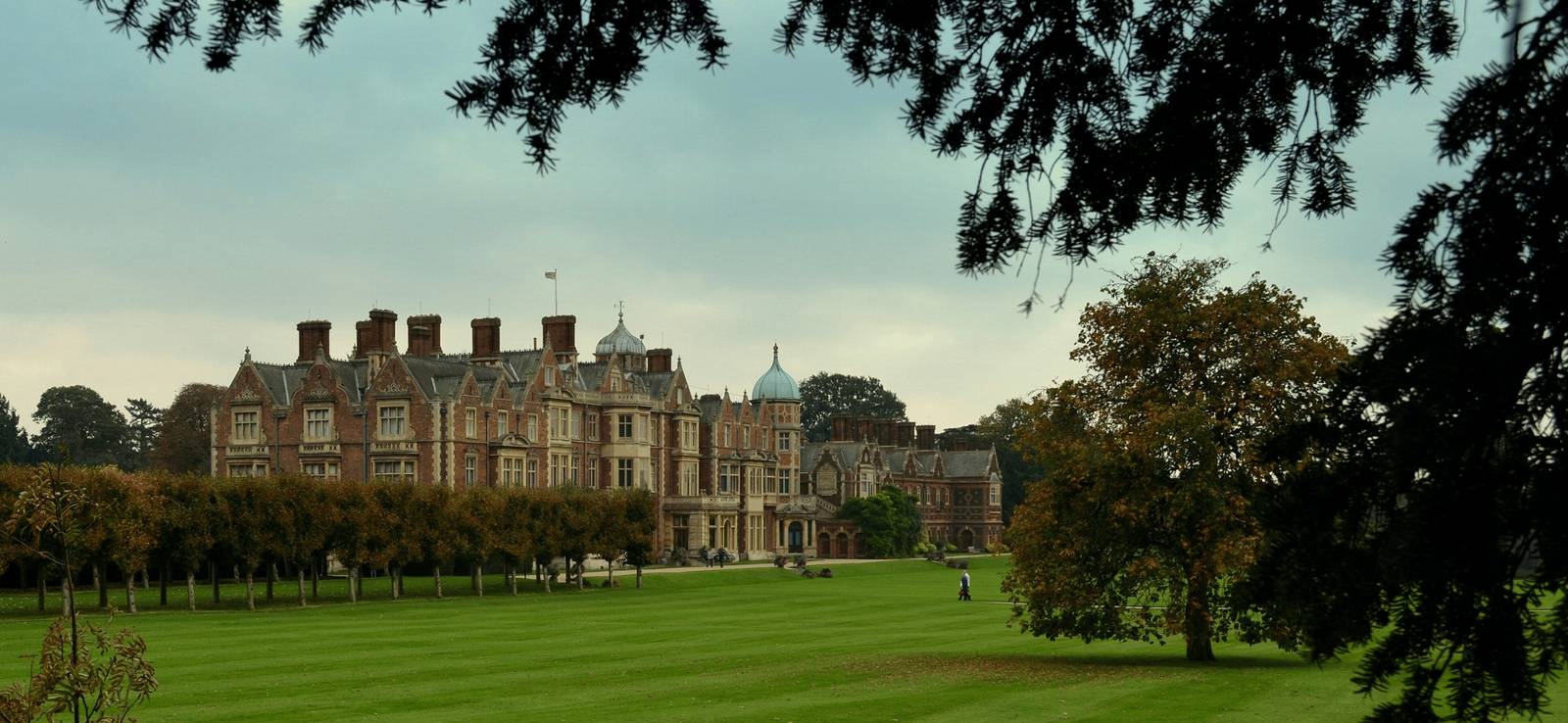
Explore the culture of the English country house from its architectural form, social manners and distinctions to the furnishings and artistic manifestations of taste, as an expression of power and influence in a changing society.

Explore how ideas about trade, value and society took shape in ancient Greece, China, India and Europe, before tracing how these traditions influenced the economic thinking that shaped the 20th century.
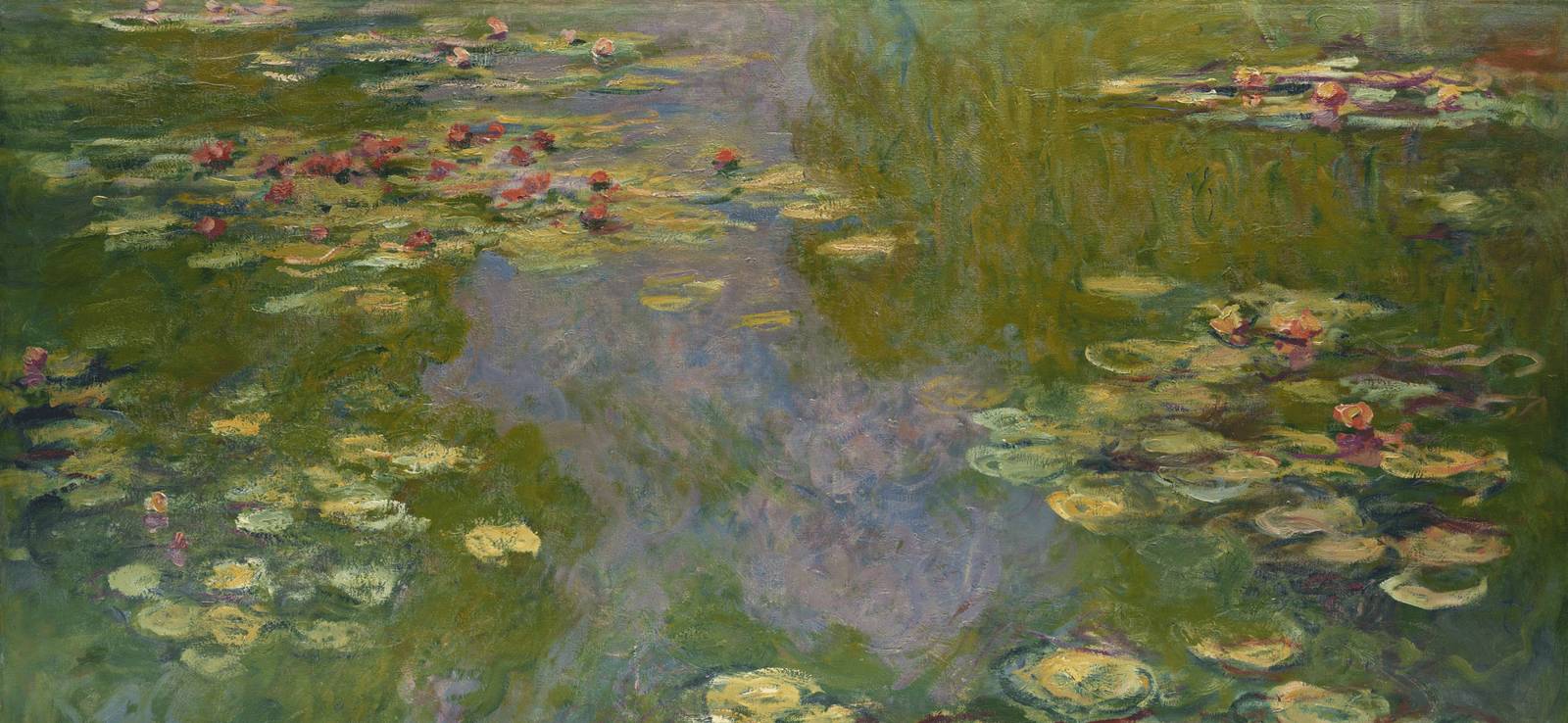
Explore Impressionism and modern life in nineteenth-century France through the work of Monet, Manet, Degas and their contemporaries. This course examines Impressionist techniques, women Impressionists, critical responses to the exhibitions, and the moveme

A modern, democratic, multicultural Britain developed throughout the twentieth century. This course will examine the key social, economic and political influences that have shaped modern Britain.

This course will focus on works by four of the era's major figures - Anthony Trollope, George Eliot, Charles Dickens and Thomas Hardy - identifying how the century's main preoccupations find substance in the work of its greatest writers.

Beginning with the vital structural innovations of the late Victorian era, this online course traces the rise and spread of modernism in European and American architecture, and concludes by examining contemporary architecture and future possibilities.

This course is for those who would like to write but don't know how; who tried once and gave up; or who already write but would like to improve; and for readers who have no desire to write but want a different perspective on how fiction works.