What does contemporary art mean in a global world? This course offers an accessible introduction to key themes and practices across cultures, including a field trip. We will also explore how artists respond to social and political change.
Filter by:
Filters
Start month
Day of the week
Time of day
What does contemporary art mean in a global world? This course offers an accessible introduction to key themes and practices across cultures, including a field trip. We will also explore how artists respond to social and political change.
This course will be a multidisciplinary journey through chaos and order. We will explore entropy in everyday life, physics, information, biology, cosmology, and philosophy.
This course examines Roman Britain as part of a united and cosmopolitan world under the rulership of Imperial Rome, including several key site field trips. How did life in Roman Britain compare with other provinces, and how was Roman power maintained?
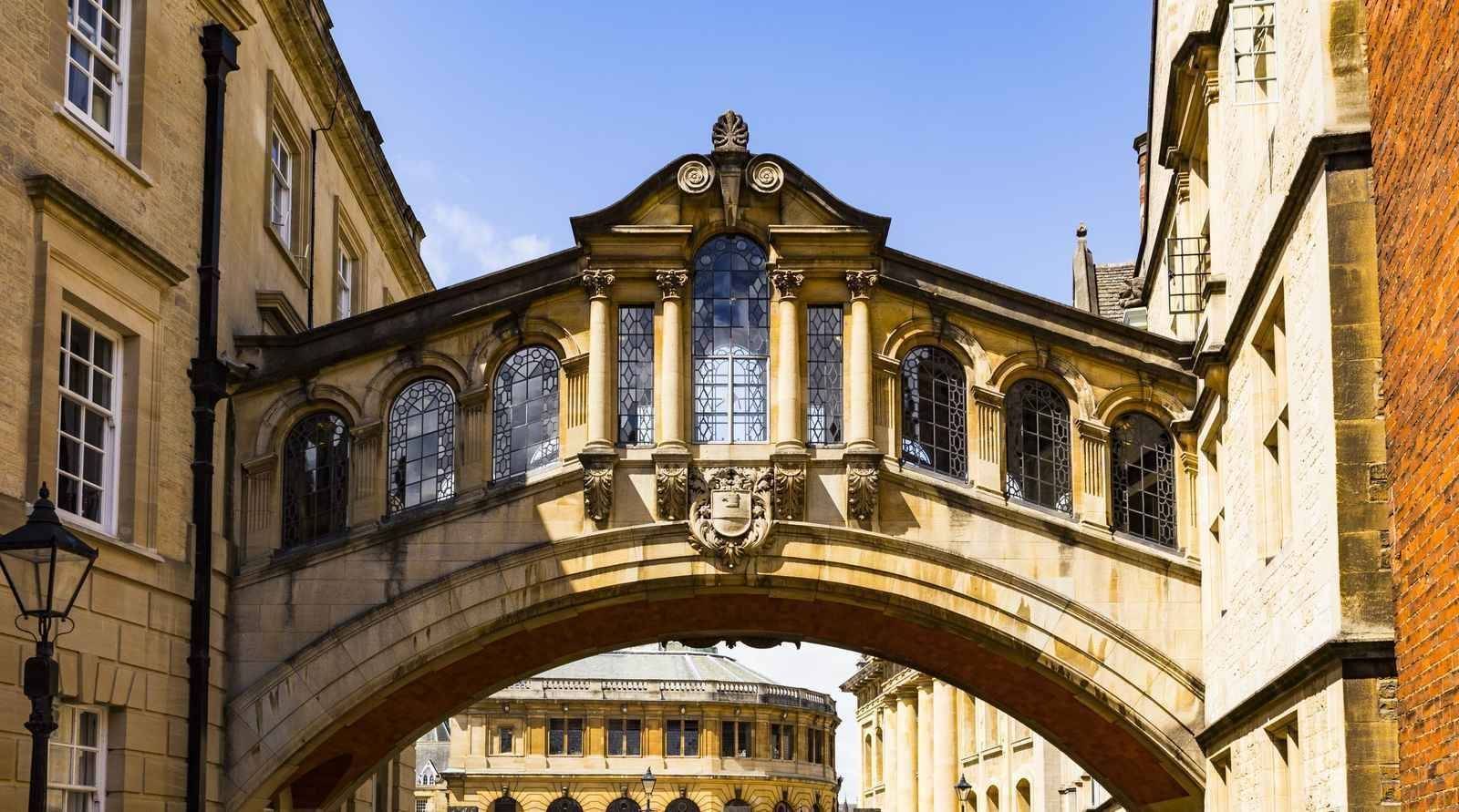
Study the rich and vibrant history of global art in the Oxford Collections, exploring Oxford's exceptional museums and colleges alongside a field trip to The British Museum.
Issues of great moral concern have prevailed throughout human history. In this course, we will examine some of the key moral issues in contemporary society including animals, euthanasia, freedom of speech and capital punishment.
This course will consider manuscripts as artefacts, exploring production, changing artistic styles, and use. We’ll look at devotional and secular manuscripts and examine the imperative to collect manuscripts long after they have ceased.
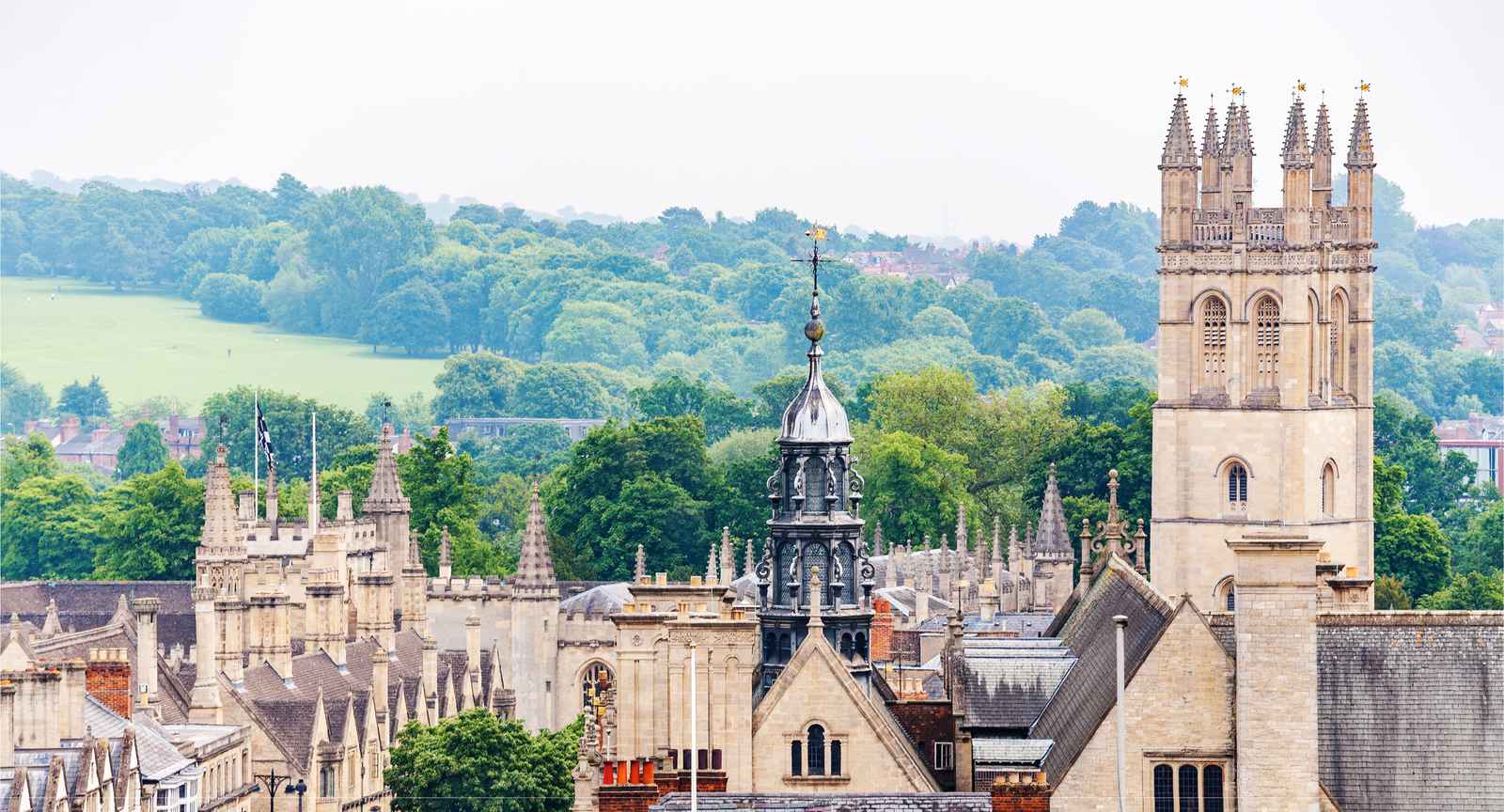
Explore courses taking place during week 5 (Saturday 31 July – Saturday 7 August 2027) of our Oxford University Summer School for Adults (OUSSA) programme. Held at Rewley House in central Oxford, OUSSA offers week-long accredited courses for adult learners covering a range of subjects.
Learn a characterological-developmental view of personality structure and function, along a continuum from adaptive traits or style to severe disorders. This provides clarity to ordinary interpersonal interactions and a compelling treatment approach.
Phenomenology explores first-person experience—mineness, subjectivity, embodiment, and being-in-the-world—and examines how experience is structured, how selfhood emerges, and how self and world are intertwined.
This course explores the real history of early modern witchcraft through the notorious witchcraft trials of Pendle (1612), Manningtree (1645) and Salem (1692–1693), including a field trip to the Bodleian Libraries.
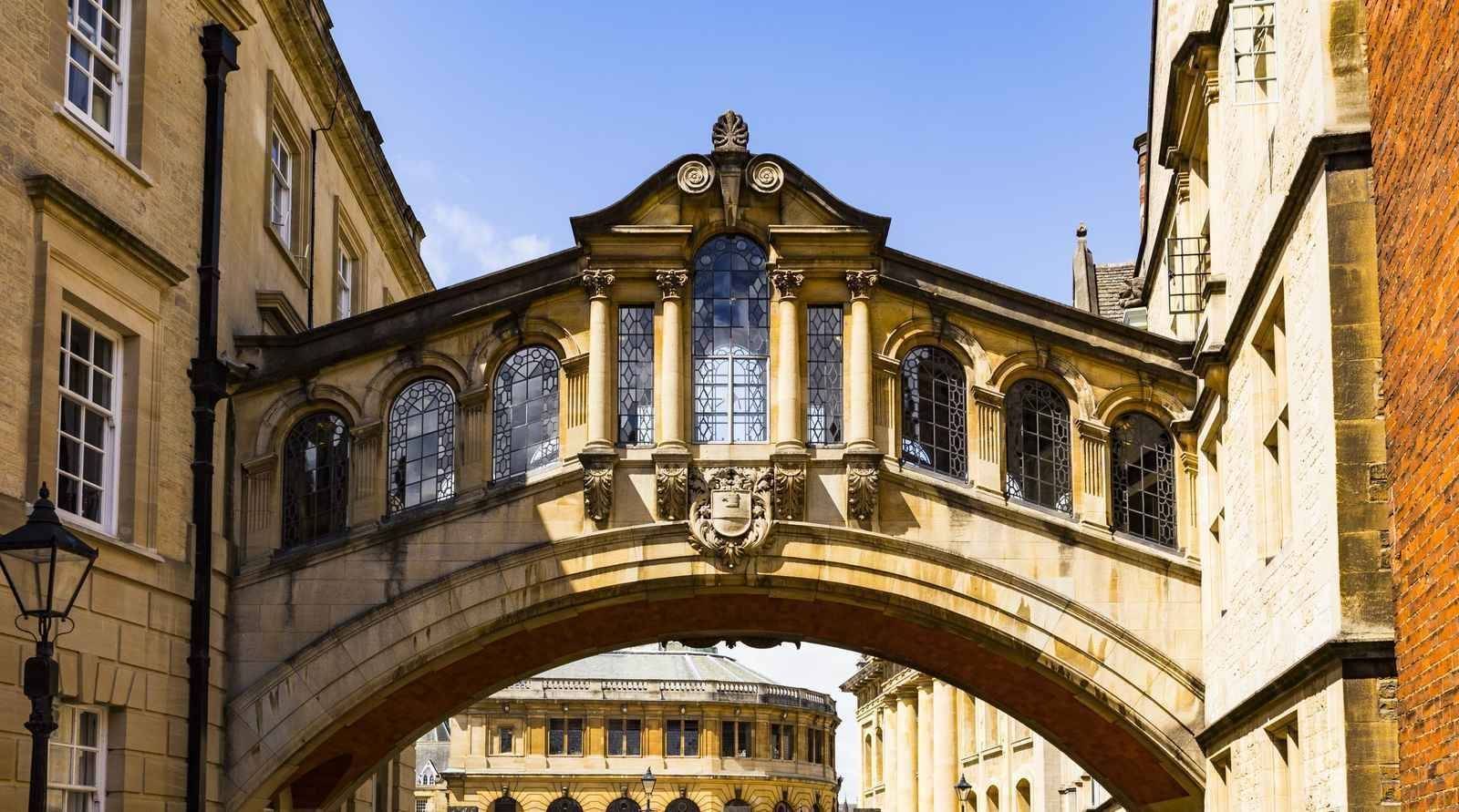
Learn how classical architecture can speak to us today through the way it was composed and the meanings behind it. We will study how buildings in Oxford offer unique and varied examples through a field trip, and use this knowledge in new design ideas.
Explore Margaret Thatcher’s rise to power, the defining conflicts and policies of her premiership, her changing relationship with Europe and the circumstances of her downfall, before considering the contested legacy of Thatcherism.