
Can terrorists damage property or harm people, exclusively using cyber? Find out in this lecture.
Filter by:
Filters
Start month
Day of the week
Time of day
Can terrorists damage property or harm people, exclusively using cyber? Find out in this lecture.
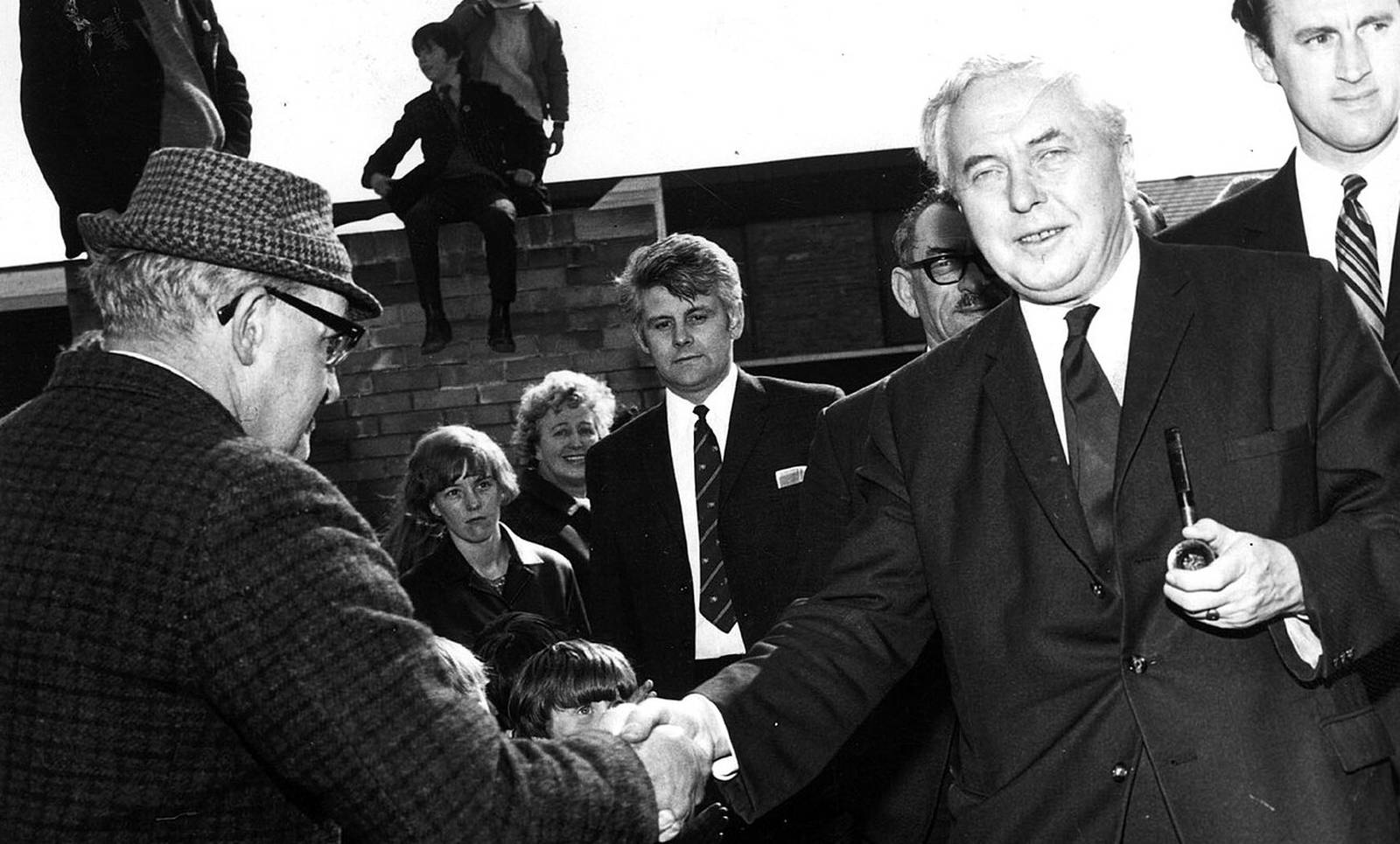
Examine how Harold Wilson and Jim Callaghan set the stage for the 1975 referendum on staying in the EEC.
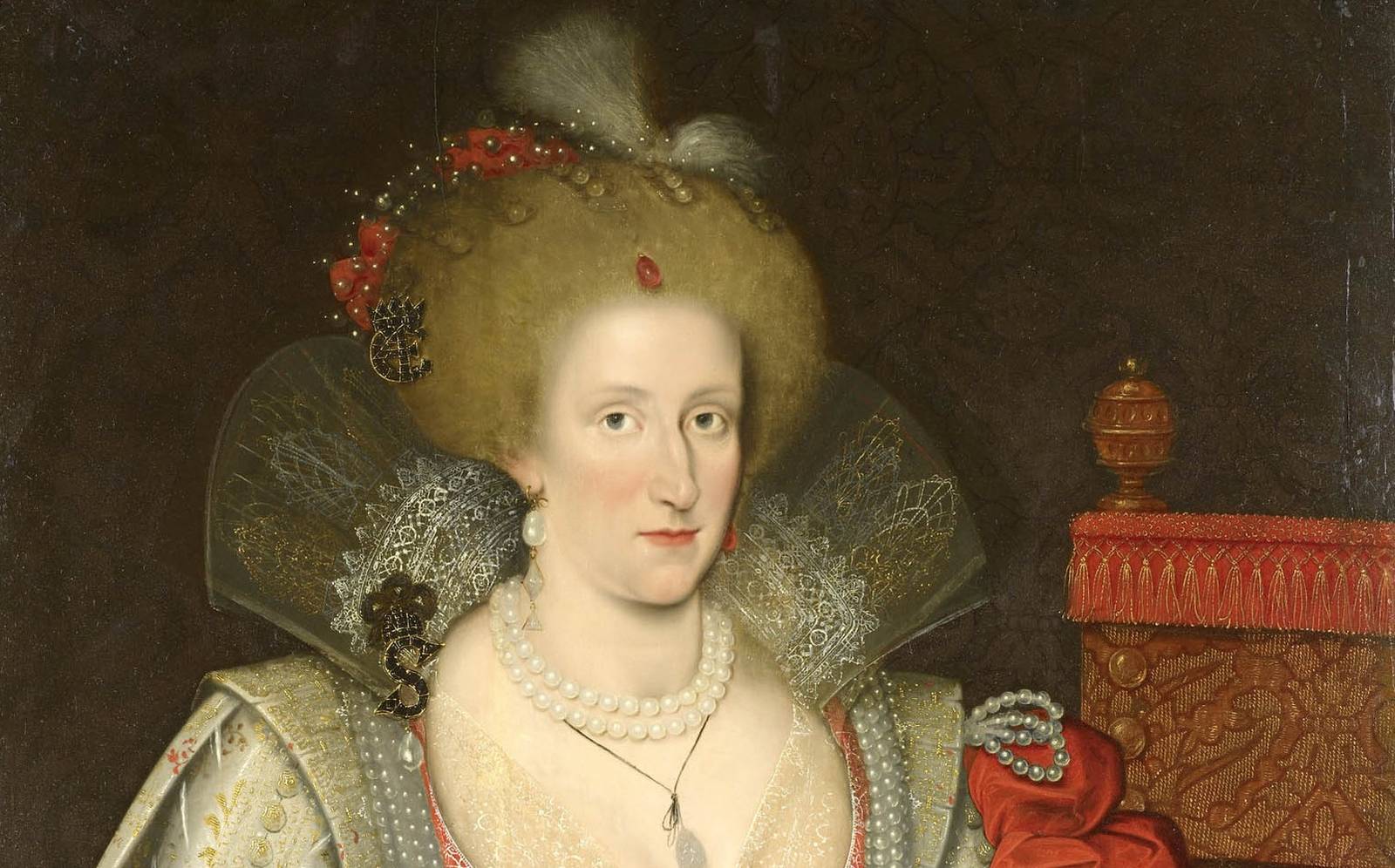
This lecture examines Anna of Denmark, and her impact on politics and the arts.
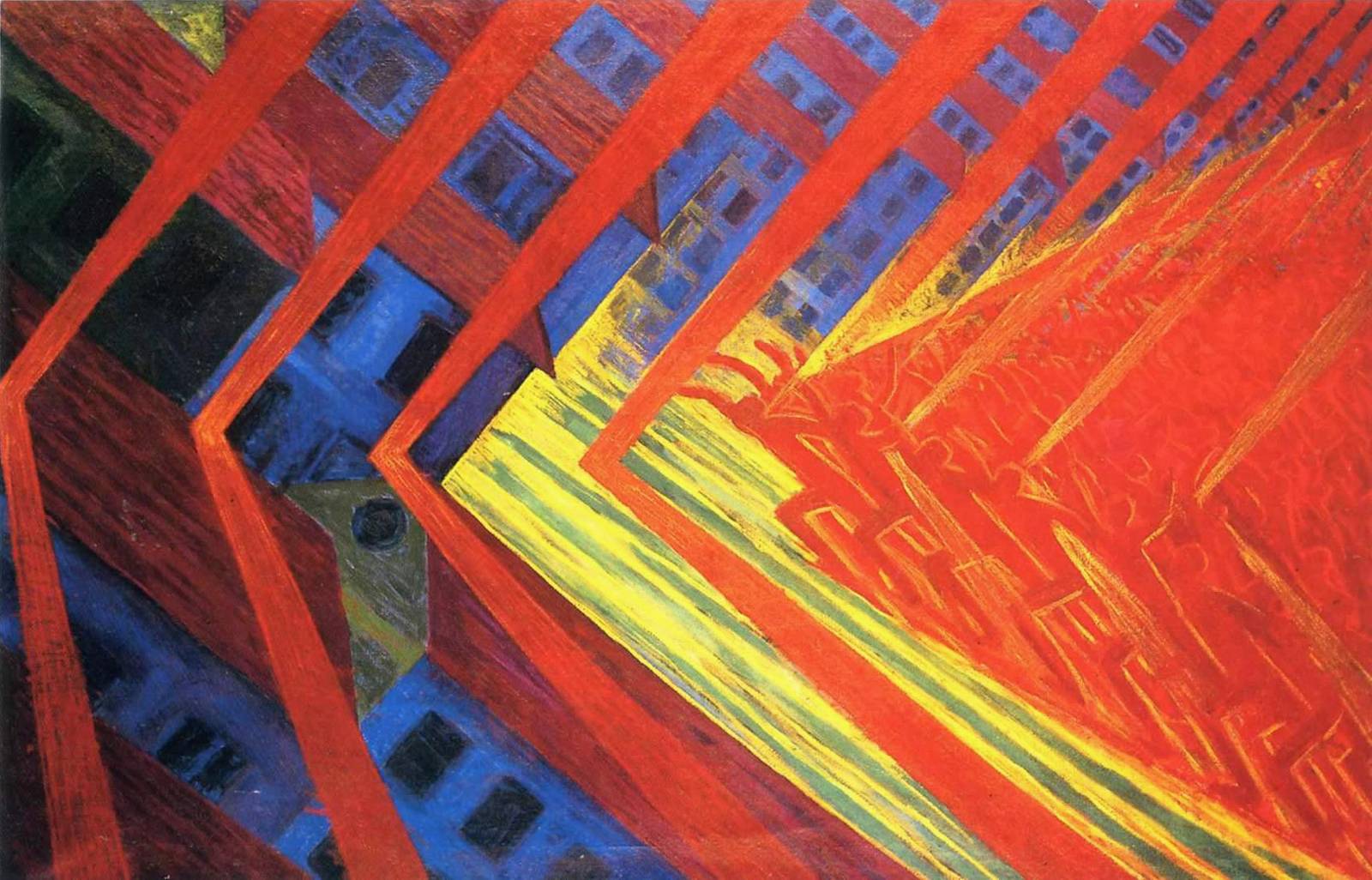
Modern life, we are told, is constantly speeding up. The accelerationist movement urges that we need to move even faster into the future. Others, by contrast, want us to slow down. This course will examine and assess the causes and kinds of acceleration.

Examine the decisive vote to remain in the EEC, and the success of the 'yes' campaign.
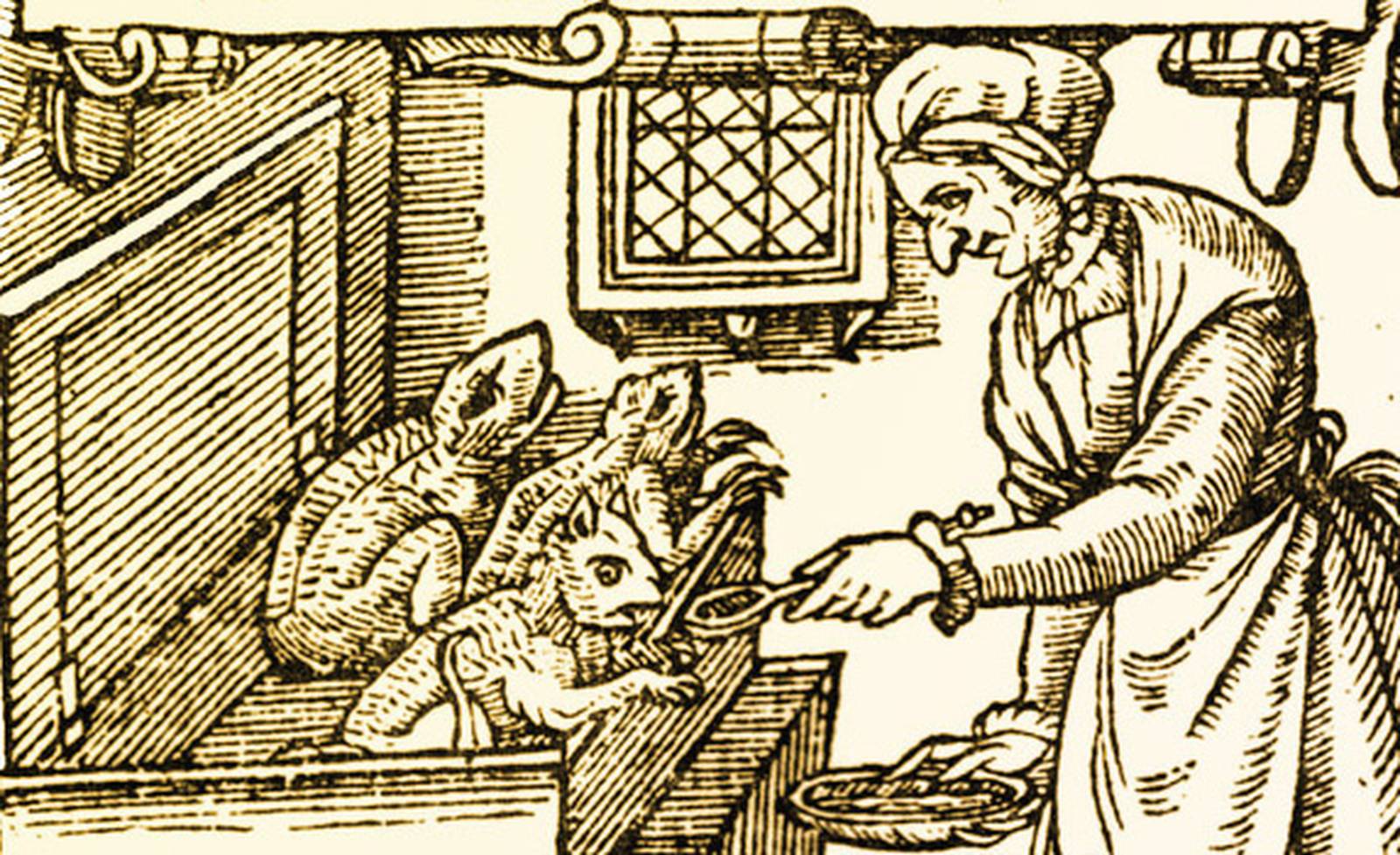
For thousands of years, humans have been fascinated by witches. Through four stimulating lectures, this hybrid day event examines how witches have been represented over time – from the classical world to modern times.
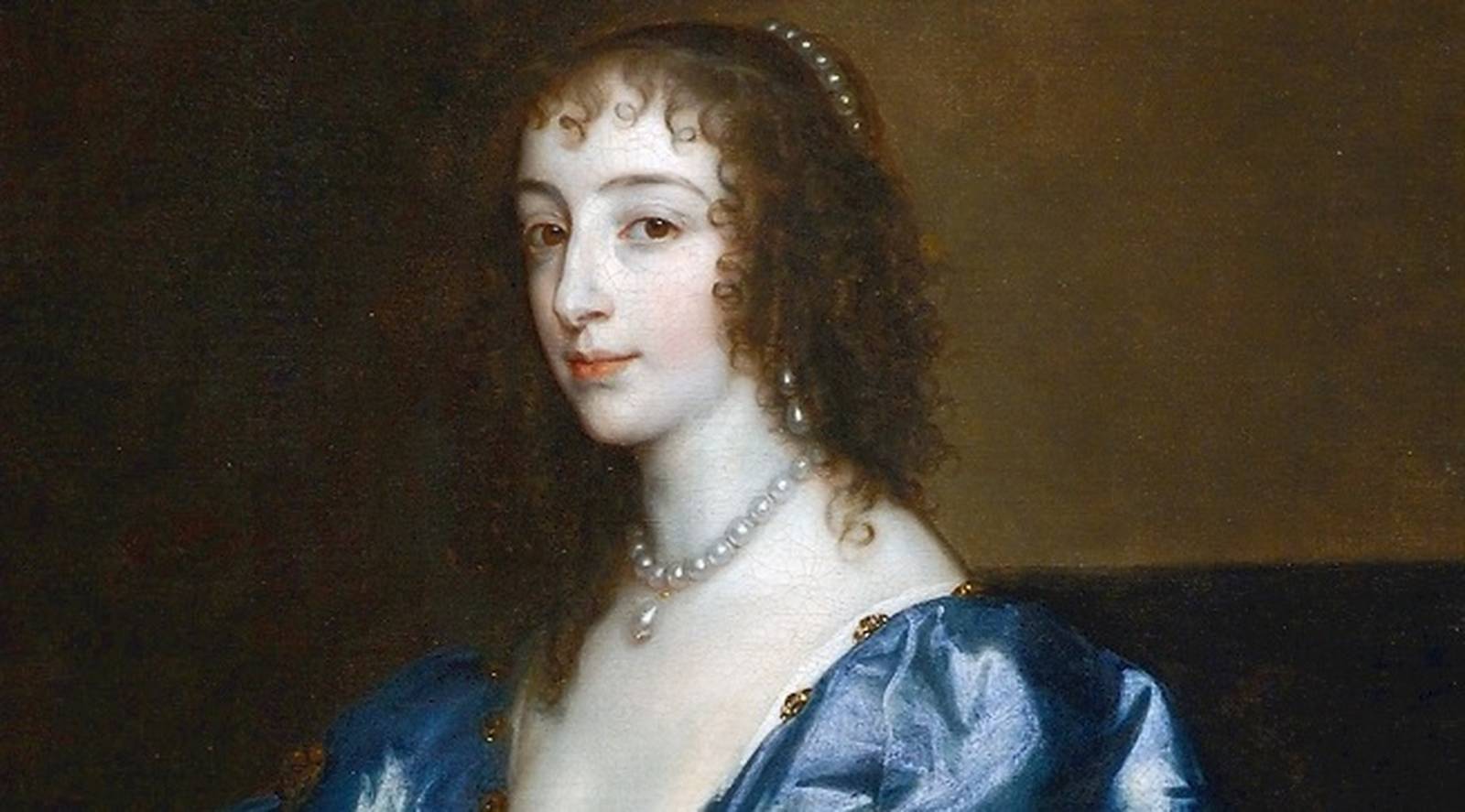
This lecture examines Henrietta Maria, wife of Charles I, and her political role and patronage of the arts.
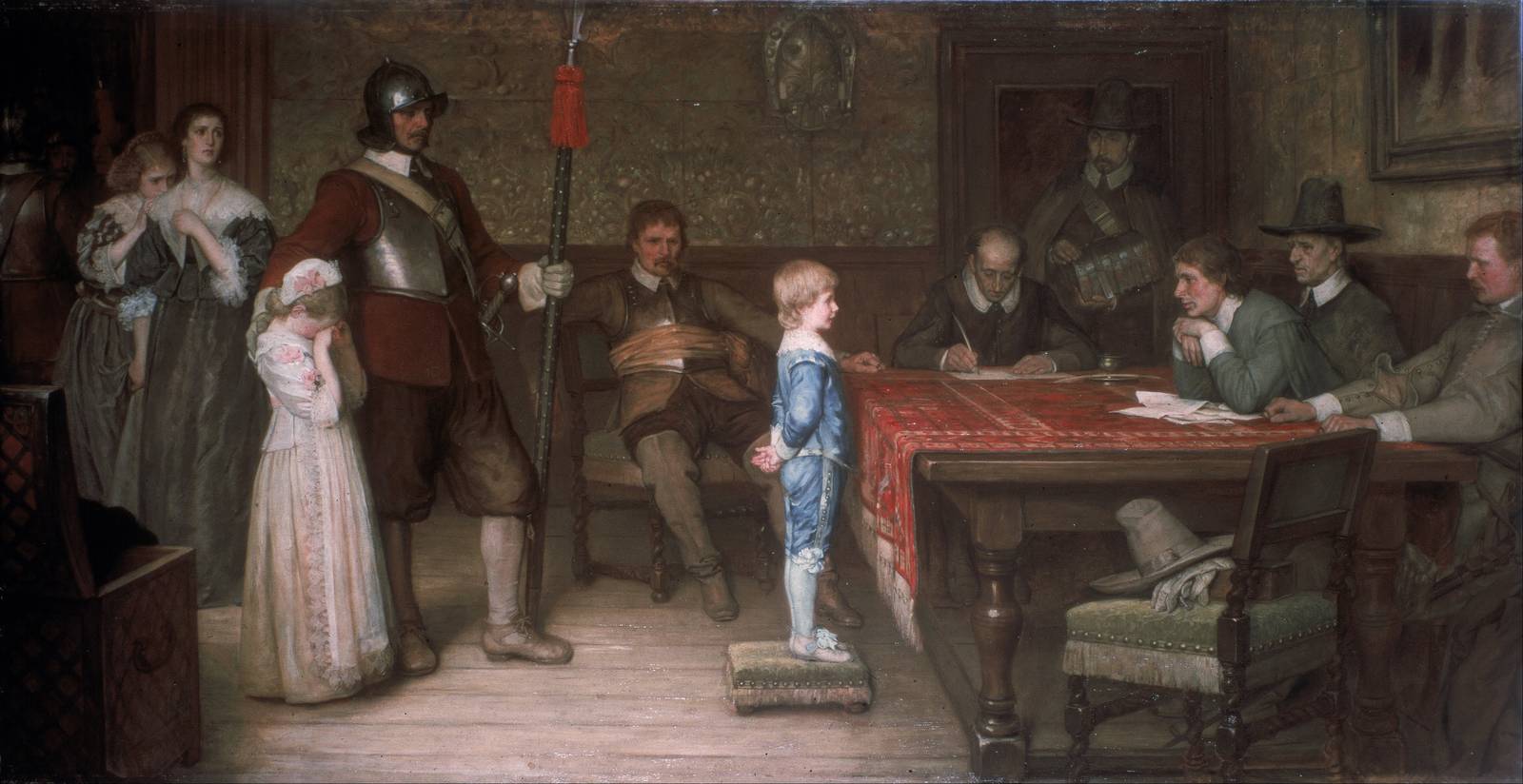
This day school will uncover the neglected roles of women and children during the British Civil Wars (1638–1660). Speakers will address how such people participated in these revolutionary events, and in what ways they looked back on them afterwards.
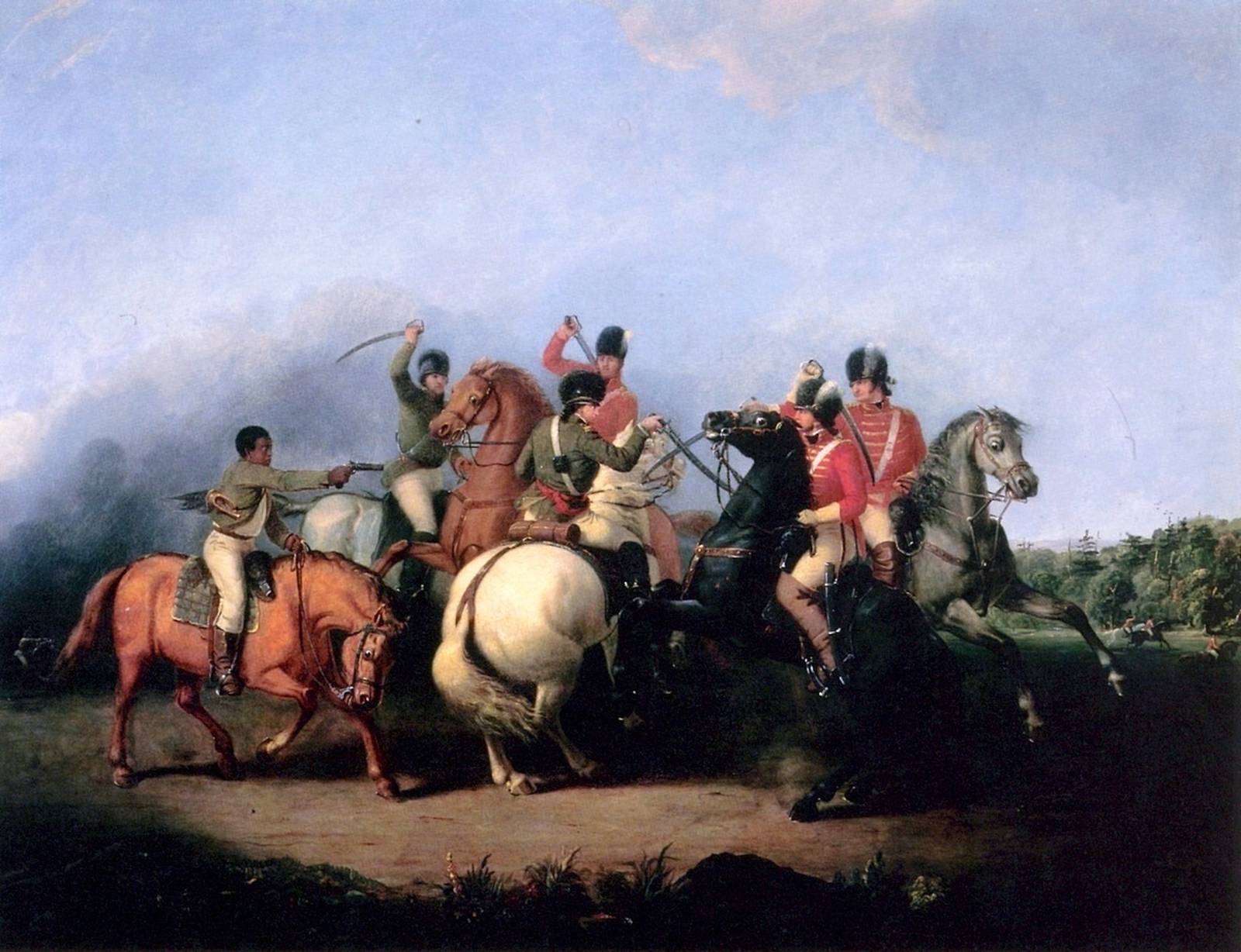
This series explores America’s War of Independence from 1775-1815, really its first Civil War. It pitched Americans against Americans: Patriots vs Loyalists. This examines perspectives from the victors and the vanquished.
This course explores how behavioural economics offers insights into decision-making, scarcity, and the psychology of poverty. We will examine how cognitive bias and heuristics shape economic outcomes and apply these concepts to real-world challenge.

This course offers an introduction to Economics through the lens of micro, macro, behavioural economics, and political economy for beginners. It covers the key thinkers, policies, and institutions that shape our world.
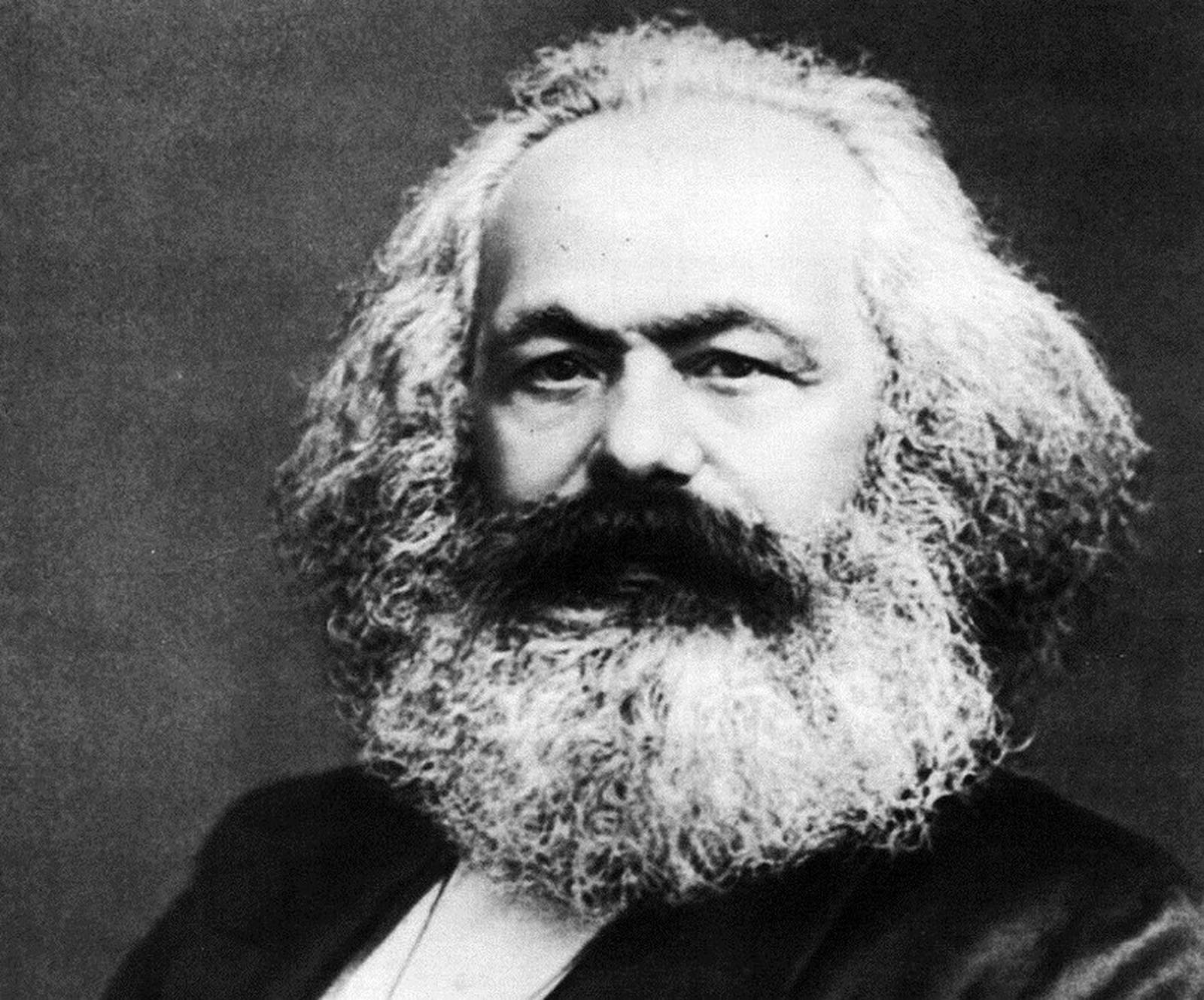
Marx's Capital is one of the most famous and consequential books of the last two hundred years. Melding philosophy, political economy, history and more, delivered in a pungent literary style, it remains one of the classic accounts of the modern condition.