
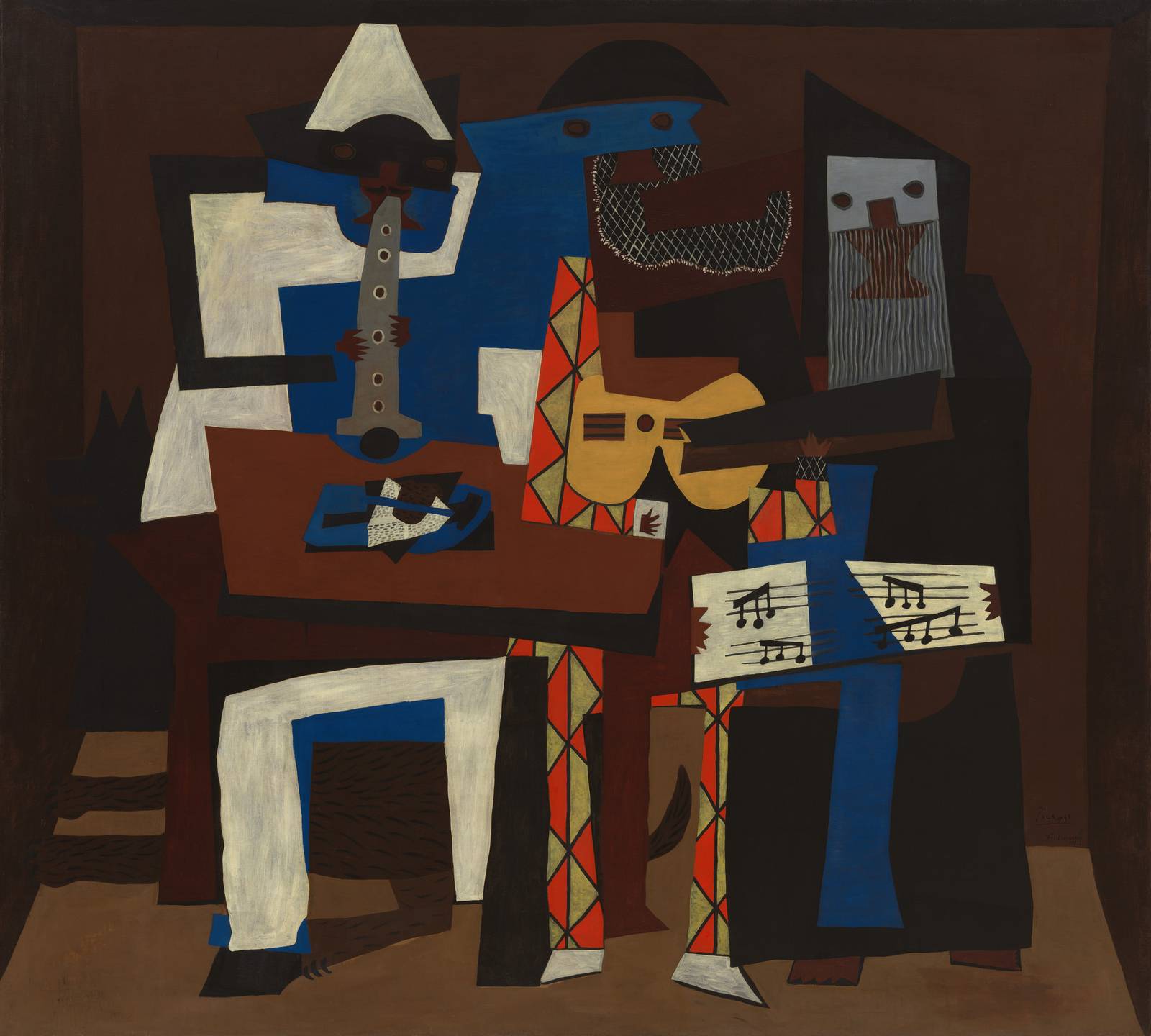
This lecture will explore tradition and Modernism in the 1920s.
Filter by:
Filters
Start month
Day of the week
Time of day
This lecture will explore tradition and Modernism in the 1920s.
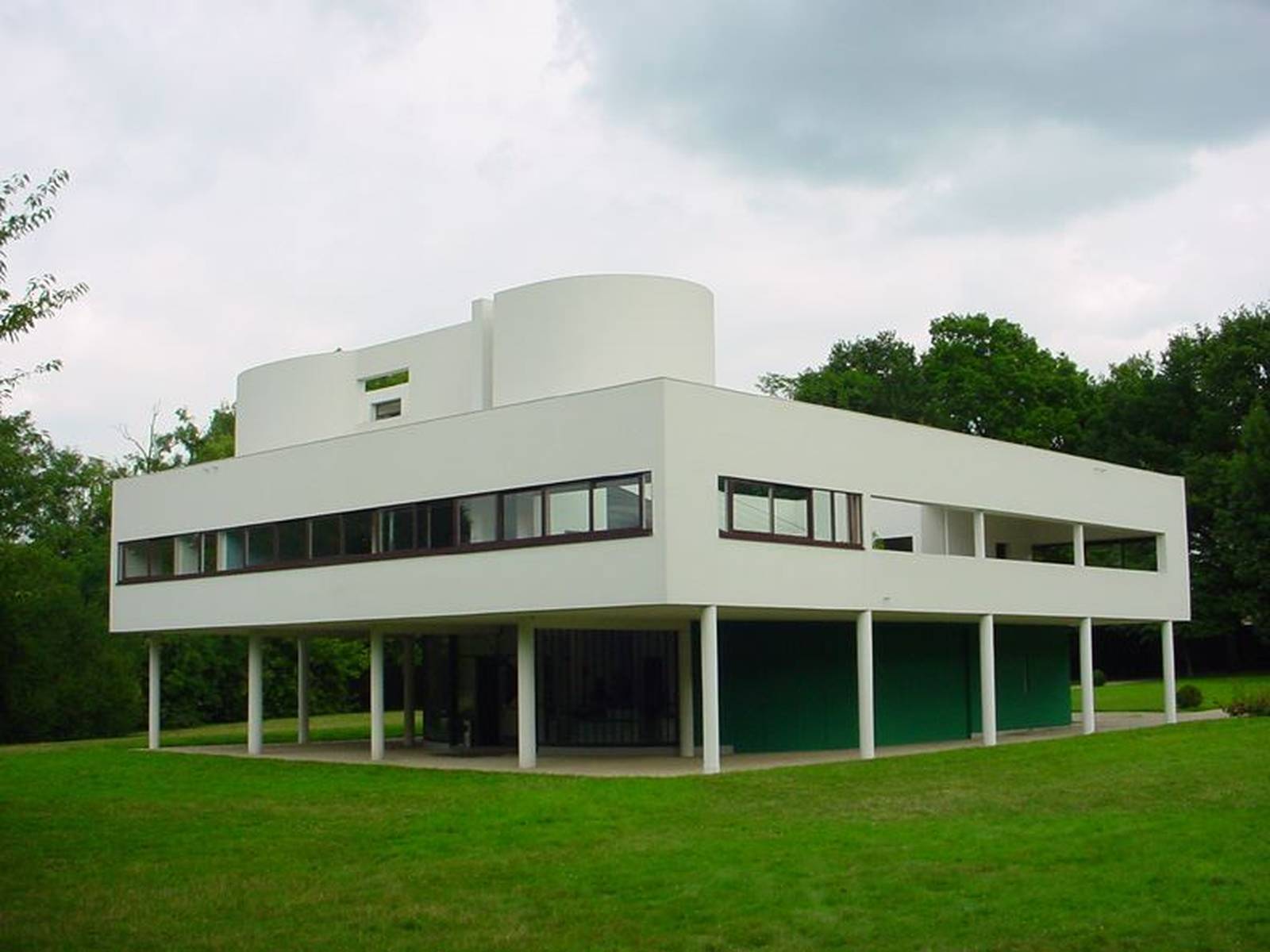
This lecture series will explore the art and architecture of the 1920s: the ‘Jazz Age’, which witnessed the earliest flowerings of Modernism. The ‘old’ was swept abruptly aside in favour of the ‘new’ - and the foundations were laid for the world of today.
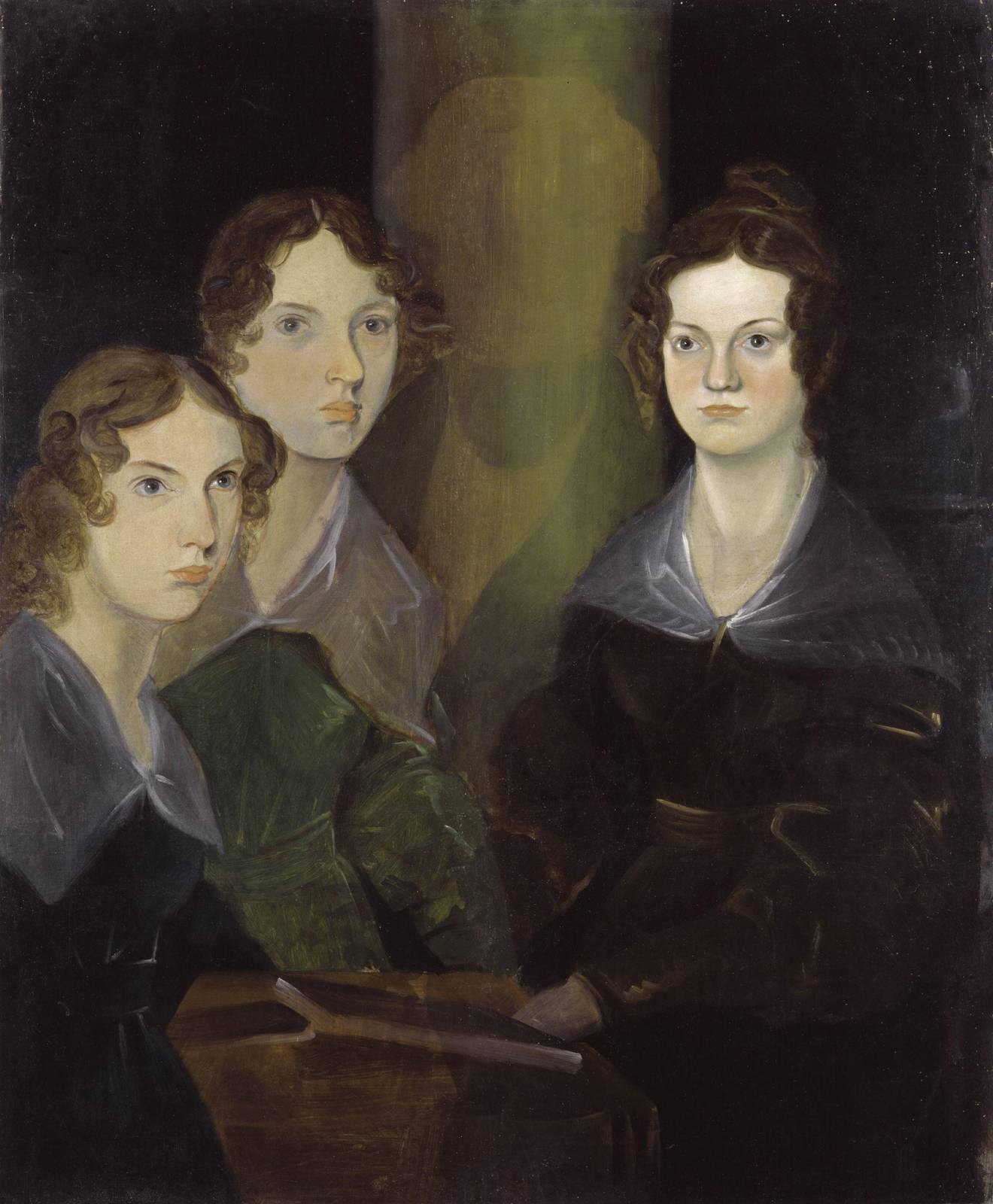
This lecture will explore Anne Brontë’s Agnes Grey, examining its place among Victorian governess novels, its portrayal of women’s economic vulnerability, and the distinctive style that has led critics to reassess Anne Brontë’s literary reputation.
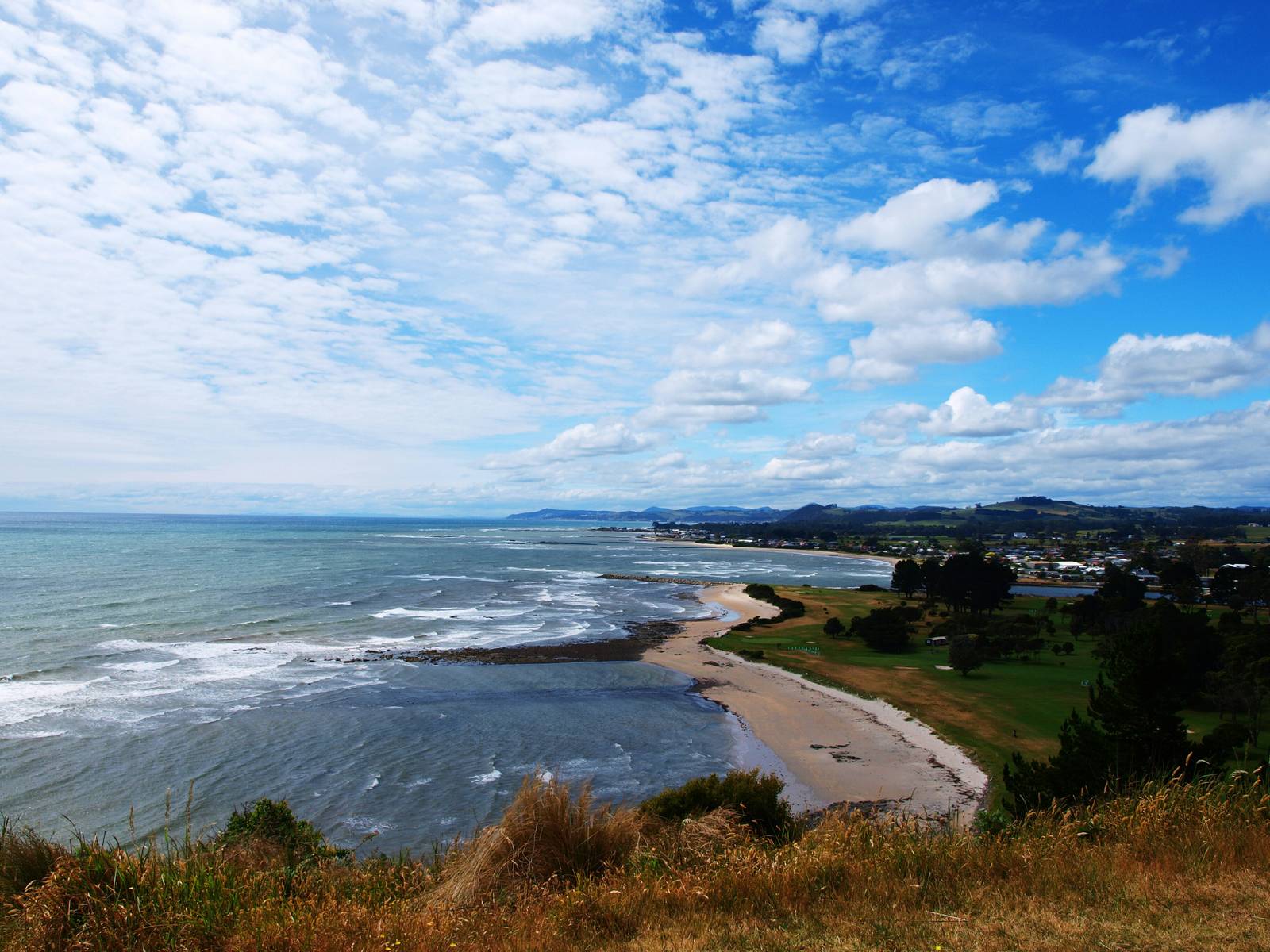
A wide-ranging introduction to geology, including plate tectonics, volcanoes, earthquakes and mountains; rocks, minerals and fossils; and the geological history of Britain. The event includes hands-on study of geological specimens in the teaching room.

As AI systems increasingly shape decisions in healthcare, education, law, employment and everyday life, this event examines how ethical theories can address real‑world issues such as fairness, autonomy, moral agency and the societal impacts of automation
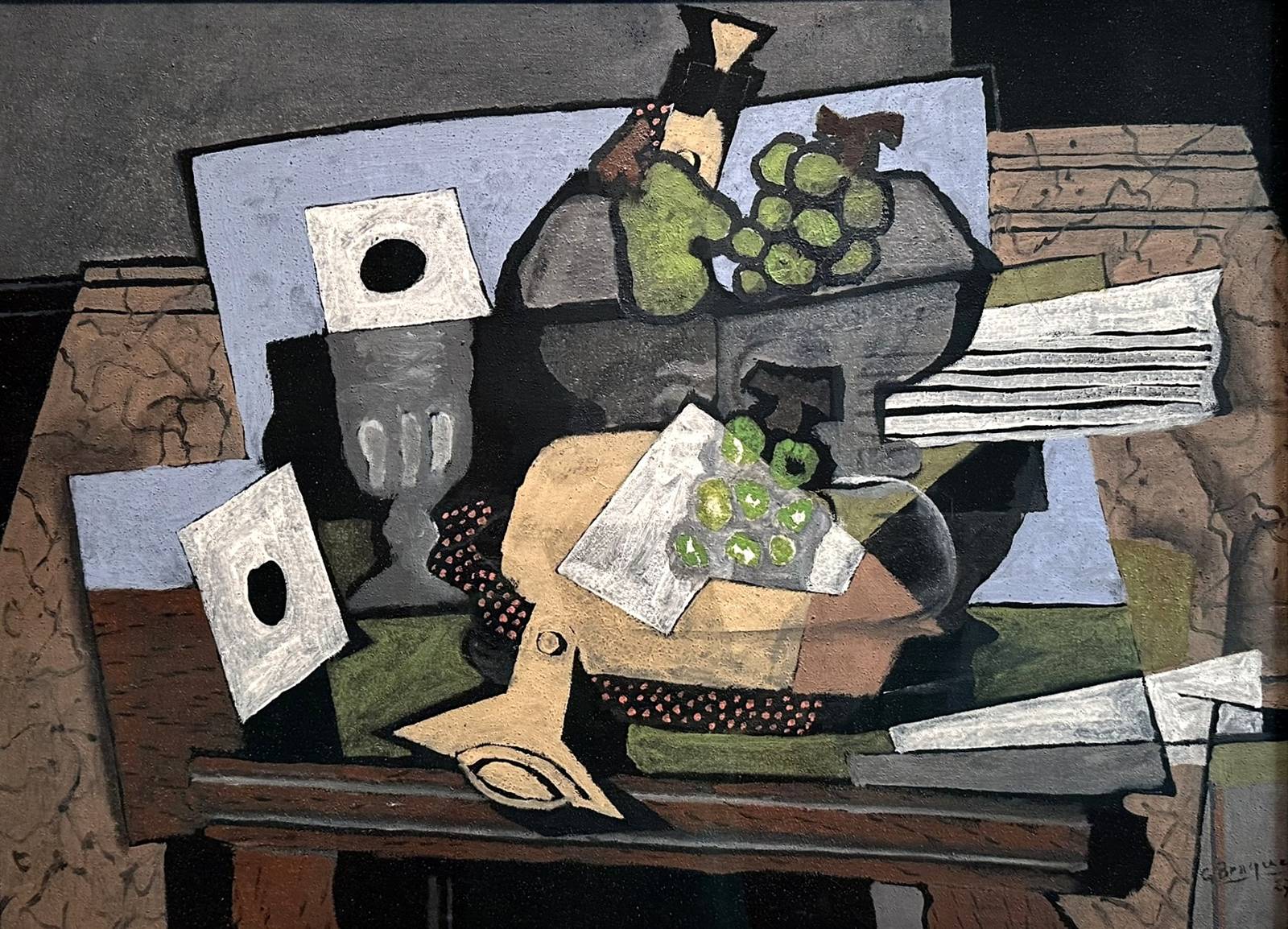
This lecture will will explore how Modernism came to dominate painting, sculpture, and architecture, and its pioneering artists..
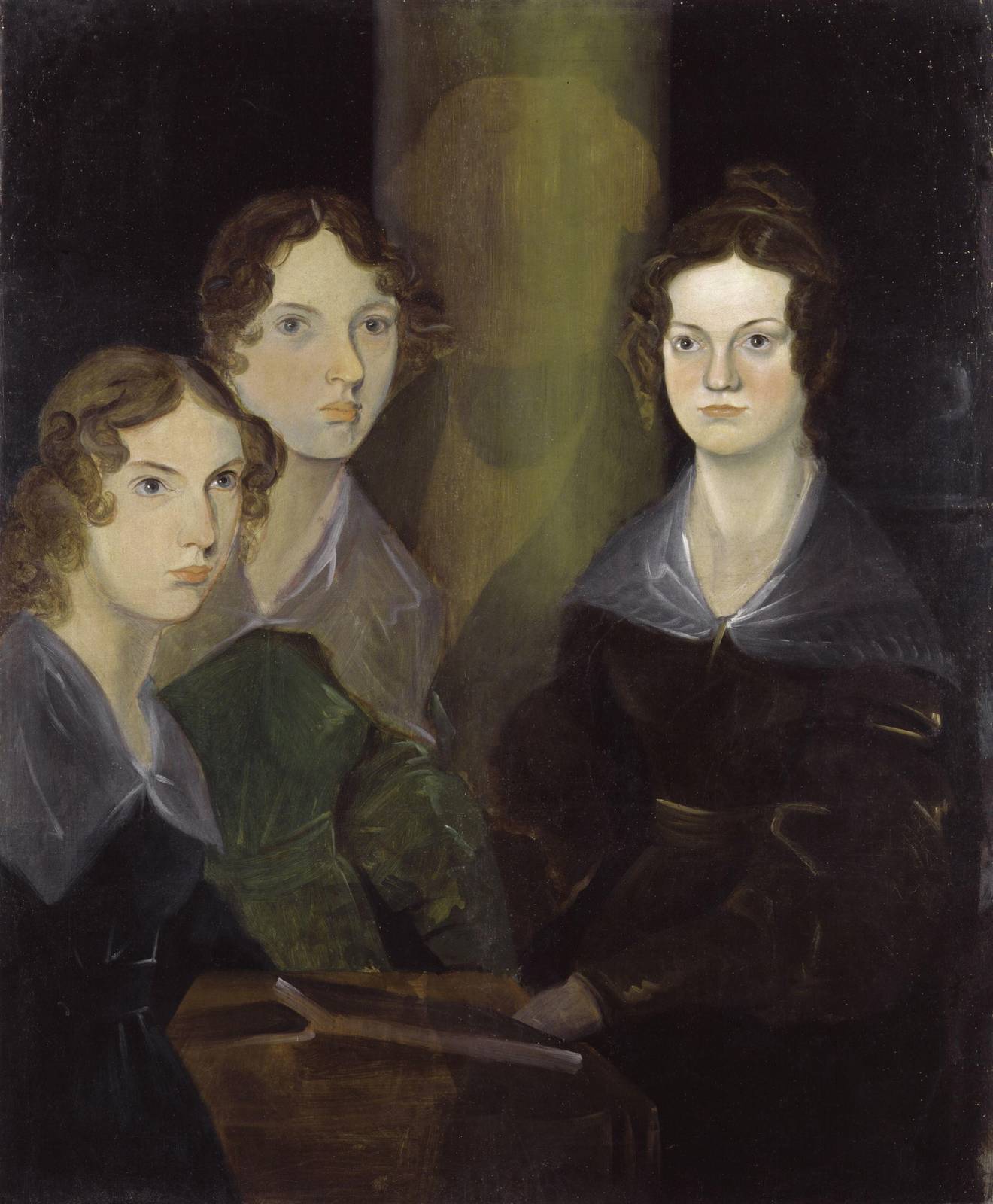
This lecture will explore The Tenant of Wildfell Hall, examining Anne Brontë’s experimental narrative structure, its portrayal of abuse and female independence, Gilbert as hero, and the novel’s possible response to Wuthering Heights.

Short enough to write in a single day, flash fiction is an agile, innovative form that brings character, mood and language to the forefront. This online workshop is suitable for beginners and experienced writers.

This lecture will will explore the art deco Exposition that took place in Paris in 1925.
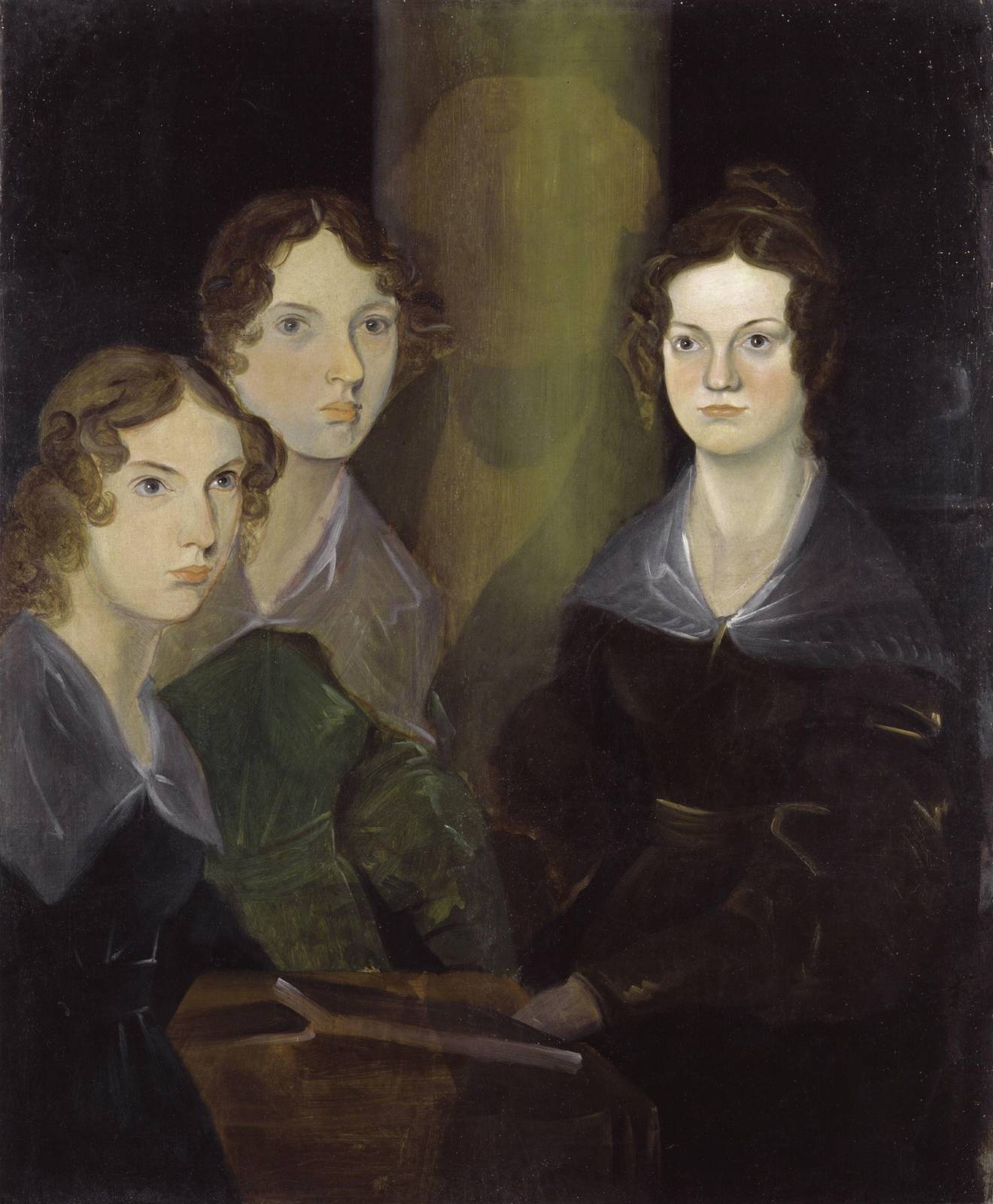
This lecture will explore Wuthering Heights, examining Heathcliff’s origins and moral ambiguity, the novel’s complex structure and doublings, its ambiguous ending, and the enduring legacy of the Brontës nearly 180 years on.

Positive Psychology offers a direct approach to help people create strategies towards wellbeing. Changing our interpretation of the world can help us feel happier, healthier, more positive, and become more resilient. Join us in Oxford to learn more.
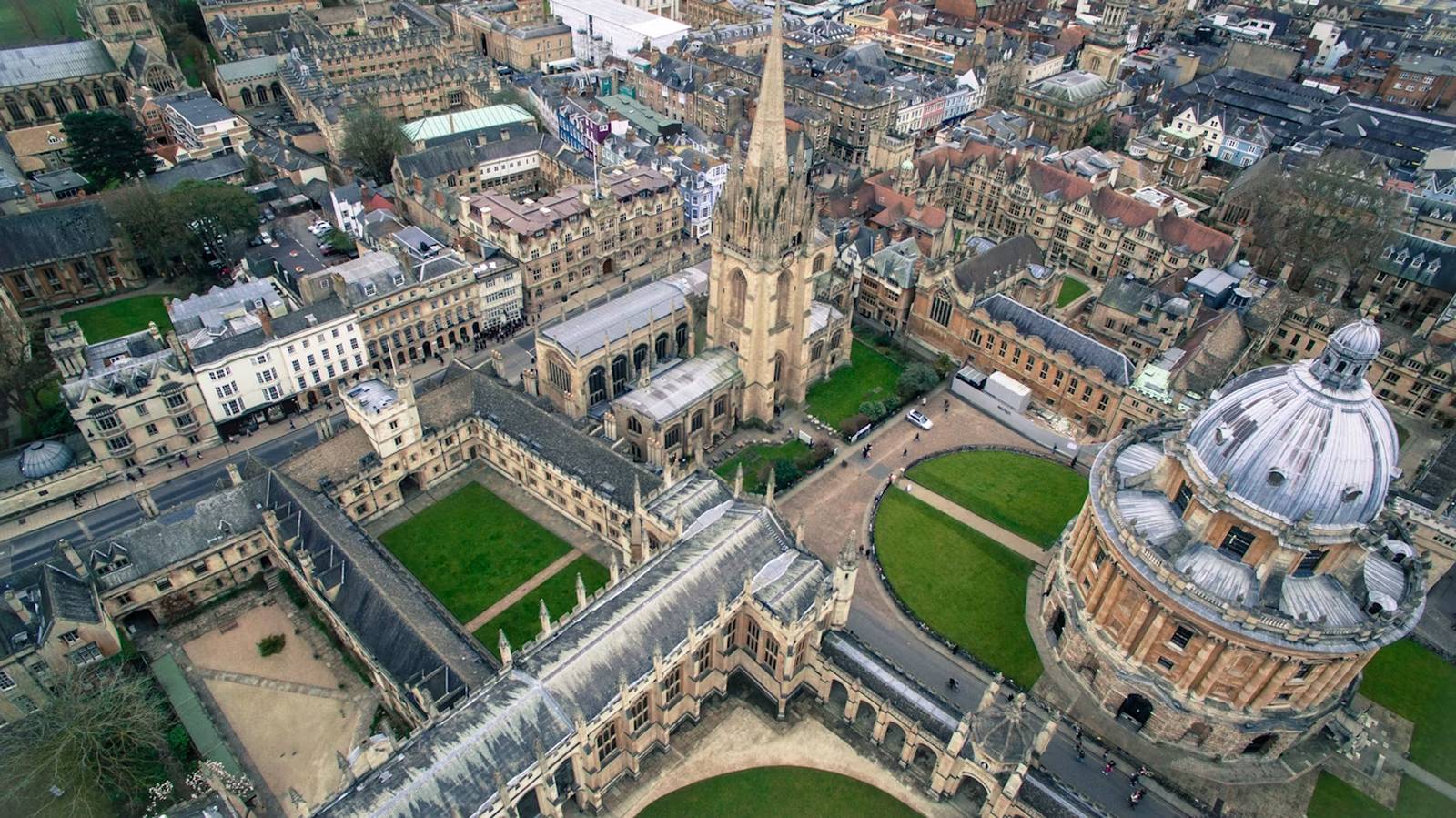
This study day will investigate Oxford’s experience during and after the Civil Wars. Andrew Hopper will chair proceedings and lead a walkabout tour of sites connected to civil-war Oxford, including a visit to the Ashmolean Museum.