Artificial Intelligence is part of every aspect of our lives today. Join us to explore the philosophy of artificial intelligence and the philosophical issues that emerge out of the development of current and future AI systems.
Filter by:
Filters
Start month
Day of the week
Time of day
Artificial Intelligence is part of every aspect of our lives today. Join us to explore the philosophy of artificial intelligence and the philosophical issues that emerge out of the development of current and future AI systems.
This course explores a series of philosophical issues relating to criminal law. Can legal punishment be justified by its deterrence to would-be criminals, its capacity to reform the criminals, retributive justice for victims, or some combination thereof?

Journey through the cosmos: from Earth and the Solar System to distant galaxies and black holes. This visually rich course explores the universe’s origins, evolution, and the ongoing search for life beyond our planet.
Explore the drama of the Wars of the Roses: a time of ambition, betrayal, and shifting power. This course uncovers the real stories behind Henry VI, Richard III, and the rise of the Tudors, separating historical fact from enduring myth.
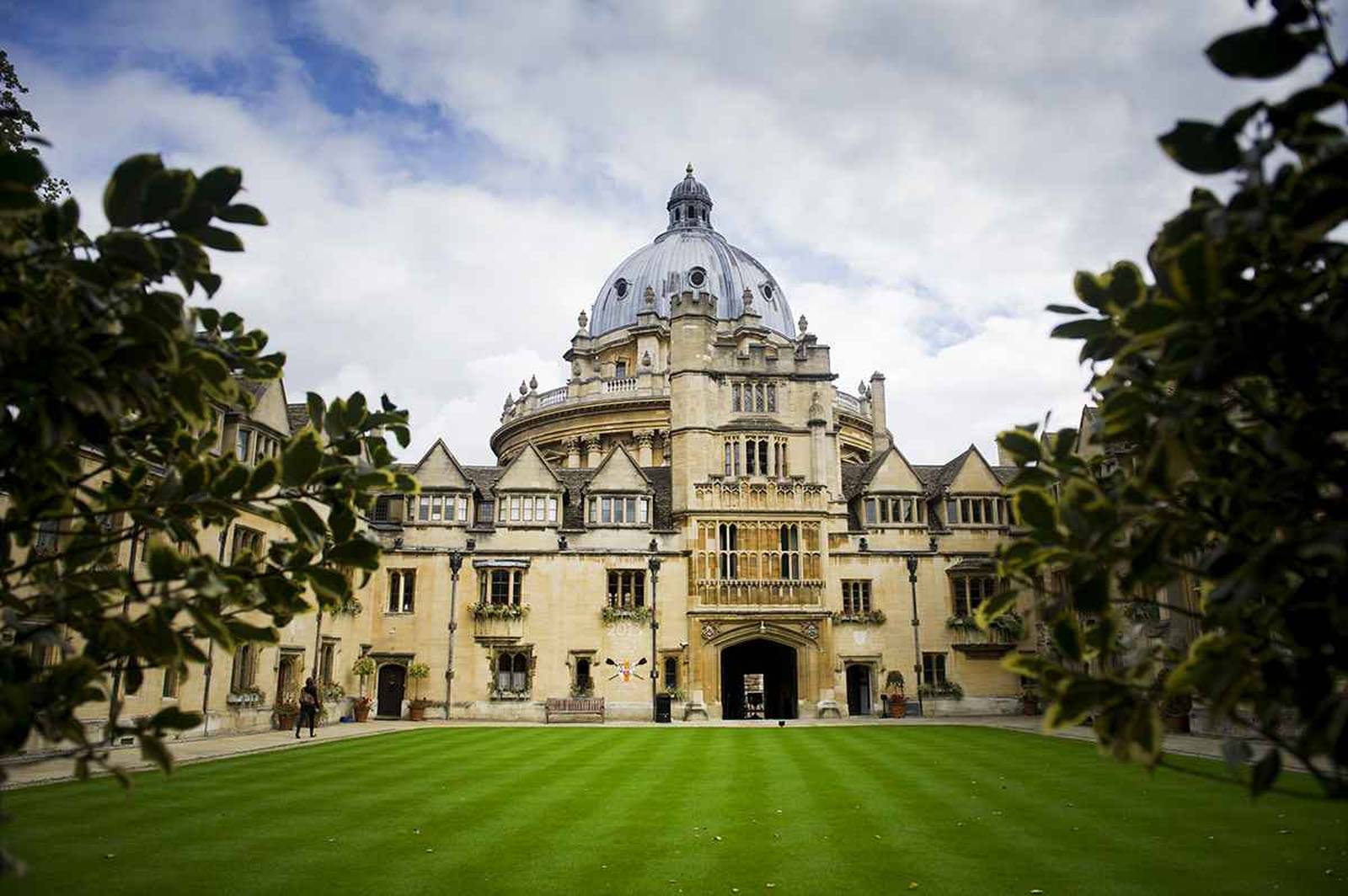
Taking twenty maps that span both time and distance, subject and form, this course will use cartography (the study of maps) to interrogate a range of themes from exploration to religion and social change to digital transformations.
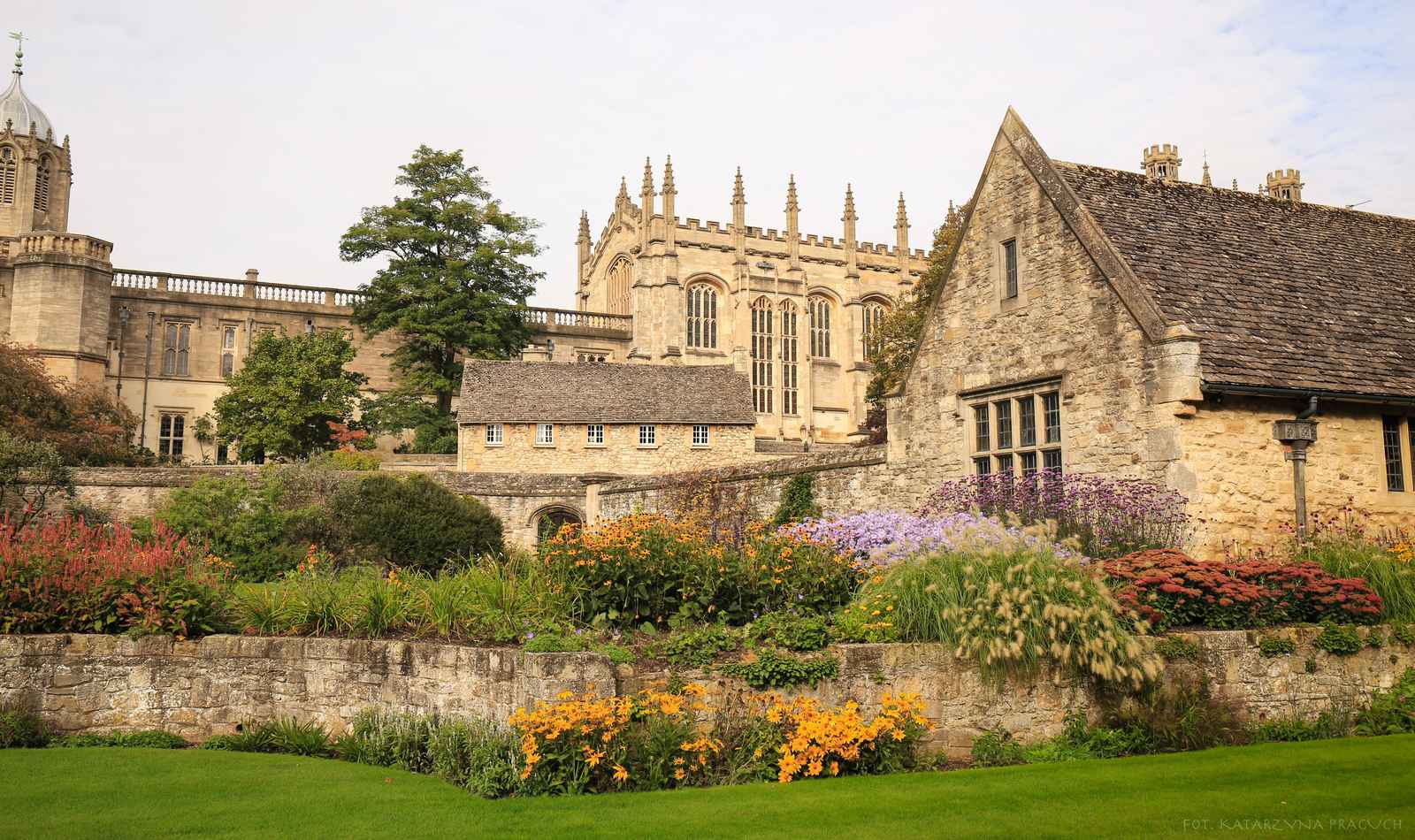
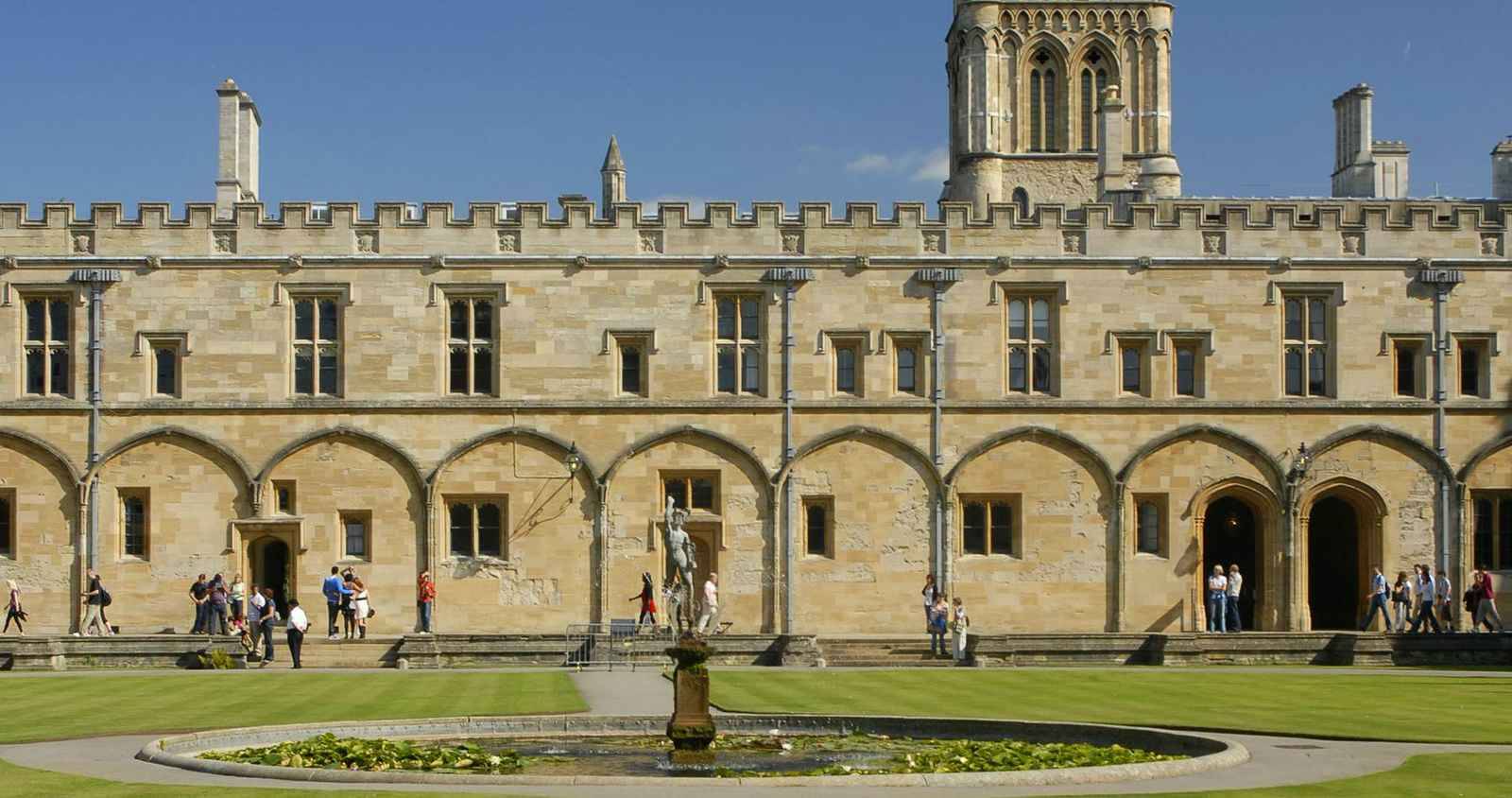
A two-week residential summer school for members of the clergy, theologians and teachers of religious education. Held at Christ Church.

This interactive and practical session will consider how to write a clear and effective abstract in various different academic contexts.
Our hands-on workshop will explore short-form writing – long valued by readers, writers and publishers. 'Writing short' provides writers (beginning and experienced) with an ideal vehicle for creativity, with a focus on style, experimentation and editing.
AI technologies are now an integral part of our everyday experiences. But what does the future hold? How intelligent, self-aware, autonomous, can machines become? What is their impact on society, and will they pose an existential threat?
‘A human being is by nature a political animal.’ Aristotle’s 'Politics' remains one of the most influential works in the history of political theory. Discover how his enduring insights about how we could flourish in a state remain invaluable.
Examine notions of 'self', 'psyche' and 'soul' in mystical, medieval and contemporary psychoanalytical settings. As well as giving a historical framework to these terms, we will also explore pastoral and practical applications in a contemporary context.
An introduction to the process of recording archaeological sites prior to excavation. Through lectures and site visits, we class will go through the fundamentals of site recording emphasising simple measurement techniques.