
Advance your negotiation skills and strengthen your diplomatic impact. Build the tools, mindset and strategic awareness to navigate high-stakes negotiations while fostering trust and long-term international relationships.
Filter by:
Filters
Start month
Day of the week
Time of day
Advance your negotiation skills and strengthen your diplomatic impact. Build the tools, mindset and strategic awareness to navigate high-stakes negotiations while fostering trust and long-term international relationships.

Discover theories of attachment, stress, personality and grief from a neuropsychological perspective. This online day school presents experimental and theoretical information for clinical and experimental psychologists, therapists and other clinicians.

The Foundations of Diplomacy is a rigorous six-month programme that combines the study of contemporary diplomatic theory and practice with intensive English language development.

Join this interactive course to learn Spanish language and explore its culture. For complete Beginners as well as those who have learnt some Spanish expressions and phrases through travel or socialising.
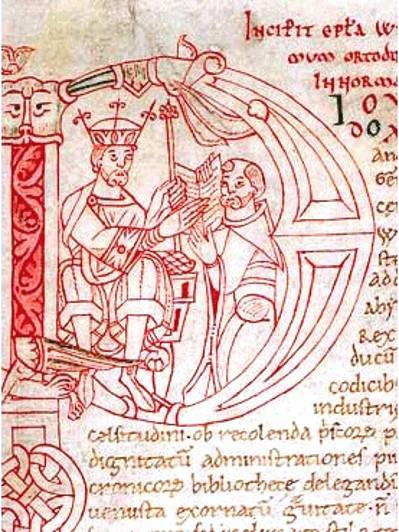
Next year (2027) marks the Millennium of the birth of William the Conqueror. Perhaps the most important, and enigmatic King in English History. This course will trace his achievements, his failures and most importantly his legacy as King of England.

Join this interactive course to learn Italian language and explore its culture. For complete beginners as well as those who have learnt some Italian expressions and phrases through travel or socialising.

Artificial intelligence is everywhere we look. But what do we mean by 'intelligent'? Do machines 'think'? Does AI have the potential of becoming self-aware or conscious? Do we need to fear the singularity? Can we align AI with our human values and ethics?
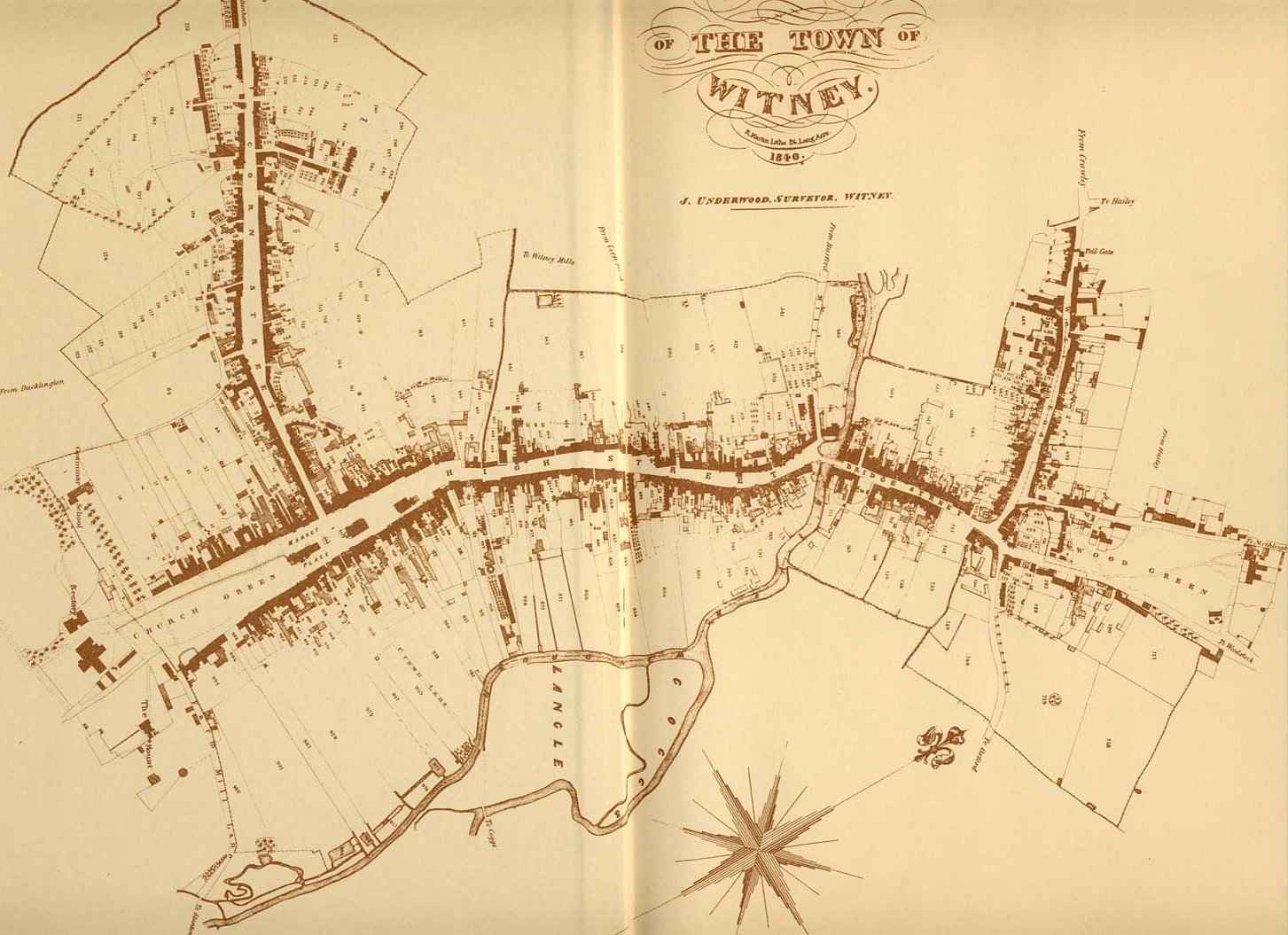
Exploring the role of desk-based assessments (DBA) in managing cultural heritage resource, providing a practical guide to their production, and guidance on their use to fulfil the requirements of the National Planning Policy Framework (NPPF).

Explore Roman Britain through the archaeology of Roman Oxfordshire. Over 10 weeks, examine conquest, identity, religion, landscapes, and daily life through lectures, seminars, museum visits, and field trips to major Roman sites.

Join this interactive course to learn Japanese language and explore its culture. For complete Beginners as well as those who have learnt some Japanese expressions and phrases through travel or socialising.

Train to teach mindfulness with Oxford’s part-time MSt in Mindfulness-Based Cognitive Therapy. Develop MBCT skills, personal practice and professional integrity through evidence-based training in a supportive learning environment.

Explore archaeology in Oxford on this flexible part-time course, designed for adults new to archaeology. Learn key ideas, approaches, sites and methods through seminars, workshops and field trips, gaining hands-on experience of ancient artefacts and historic landscapes.