An overview of all aspects of good power distribution design practices, where good and bad solutions are illustrated and put into context of layout constraints, cost and performance so you can apply the trade-offs and design solutions in your work.
Filter by:
Filters
Start month
Day of the week
Time of day
An overview of all aspects of good power distribution design practices, where good and bad solutions are illustrated and put into context of layout constraints, cost and performance so you can apply the trade-offs and design solutions in your work.

Providing a comprehensive and intensive five-day introduction to RF and microwave design theory, techniques and measurements. We will cover the necessary theoretical aspects and practicalities of RF engineering.

A course for engineers and designers who work with radar and radio communications. It covers an understanding of antenna theory and techniques; skills to analyse, design and measure various antennas; and the theory of antenna measurements.
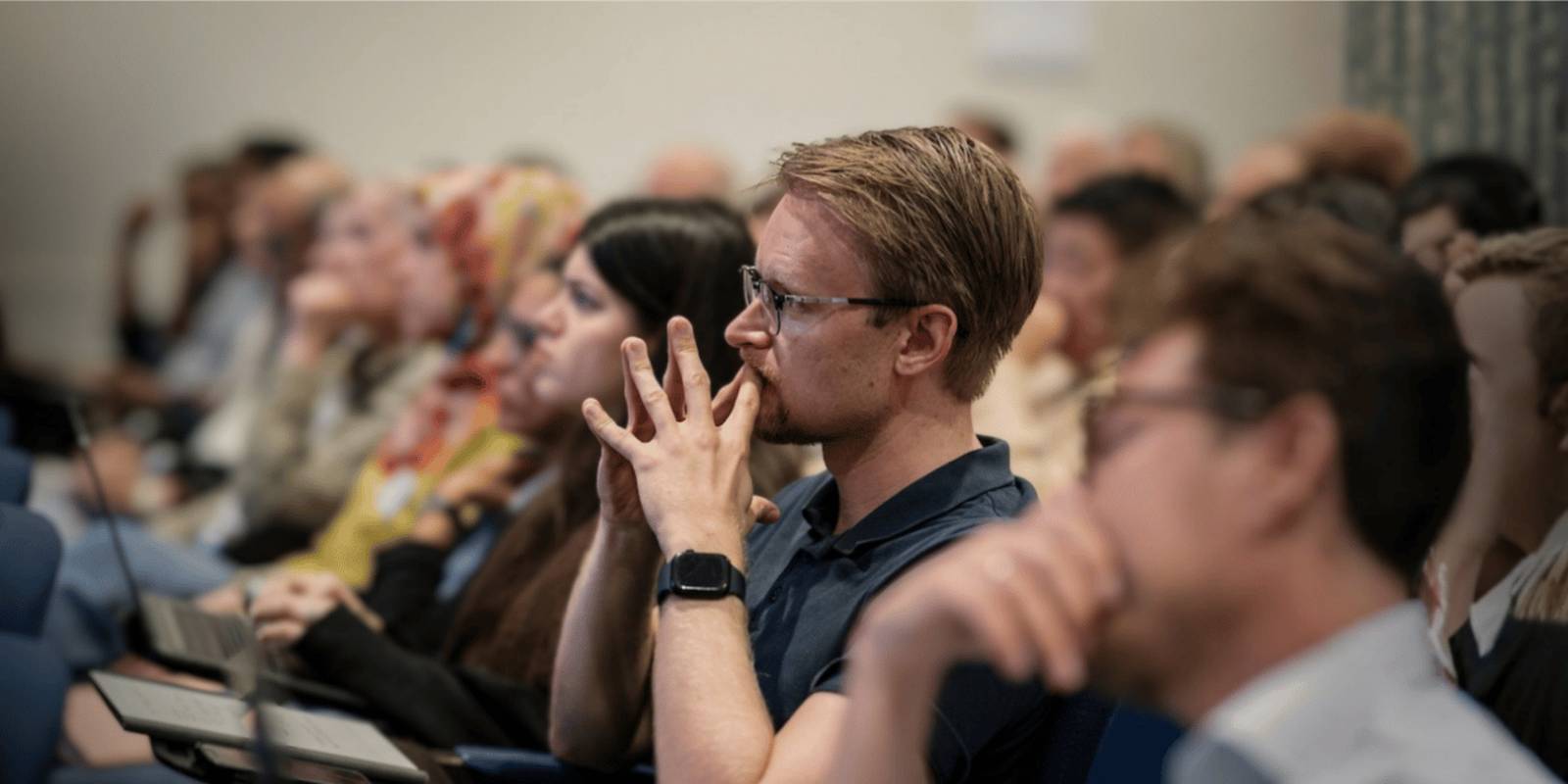
Are you a non-developer or domain expert looking to learn more about AI and build practical AI-powered systems? Join us in Oxford for the return of the AI Summit, and empower yourself to design and prototype applications with the assistance of AI!
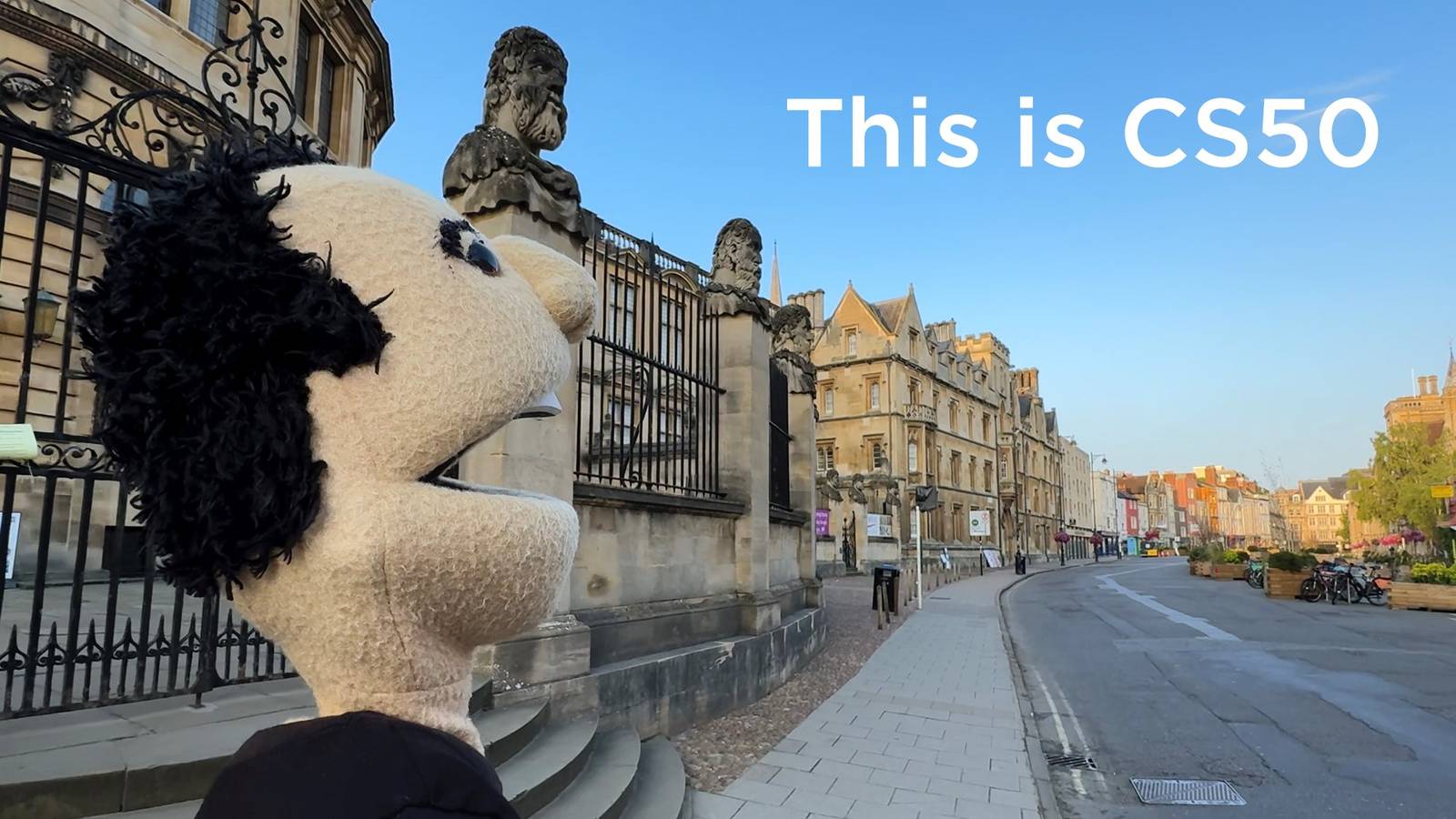
Based on Harvard's famed introductory course in computer science, CS50 is now available at Oxford. This course teaches you how to solve problems, both with and without code, with an emphasis on correctness, design, and style.

The tools of calculus are used to understand the universe making it essential for all mathematical modelling. This course introduces the idea of multi-variable functions through partial differentiation and PDEs. Follows from OUDCE's 'Beginning Calculus'.

Gain insight into the most important programming tools using the Python programming language, for obtaining data, bringing it into a usable form, exploring and modelling it, and for presenting discoveries to a wider audience.

This course will introduce statistics to at a beginner-level, covering measures of central tendency, dispersion, probability theory and inferential statistics.

Explore how data shapes our world in this hands-on introduction to data science. Learn how AI is transforming society, from neural networks to health discovery. No coding or maths required. Ideal for professionals, lifelong learners, and enthusiasts.

Linear algebra and its matrices appear throughout the sciences and in the mathematical parts of the social sciences. This basic course is a prerequisite to understanding advanced mathematics and myriad closely and distantly related quantitative fields.
Gain insight into advanced data science programming tools, using the Python programming language, to extract features from data, assess the statistical significance of the results found, and scale up the computational capability for big data challenges.

A residential short course on machine learning of wearables datasets, connecting post-graduate and post-doctoral researchers from academia and industry with experts at Oxford's Big Data Institute and Nuffield Department of Population Health.