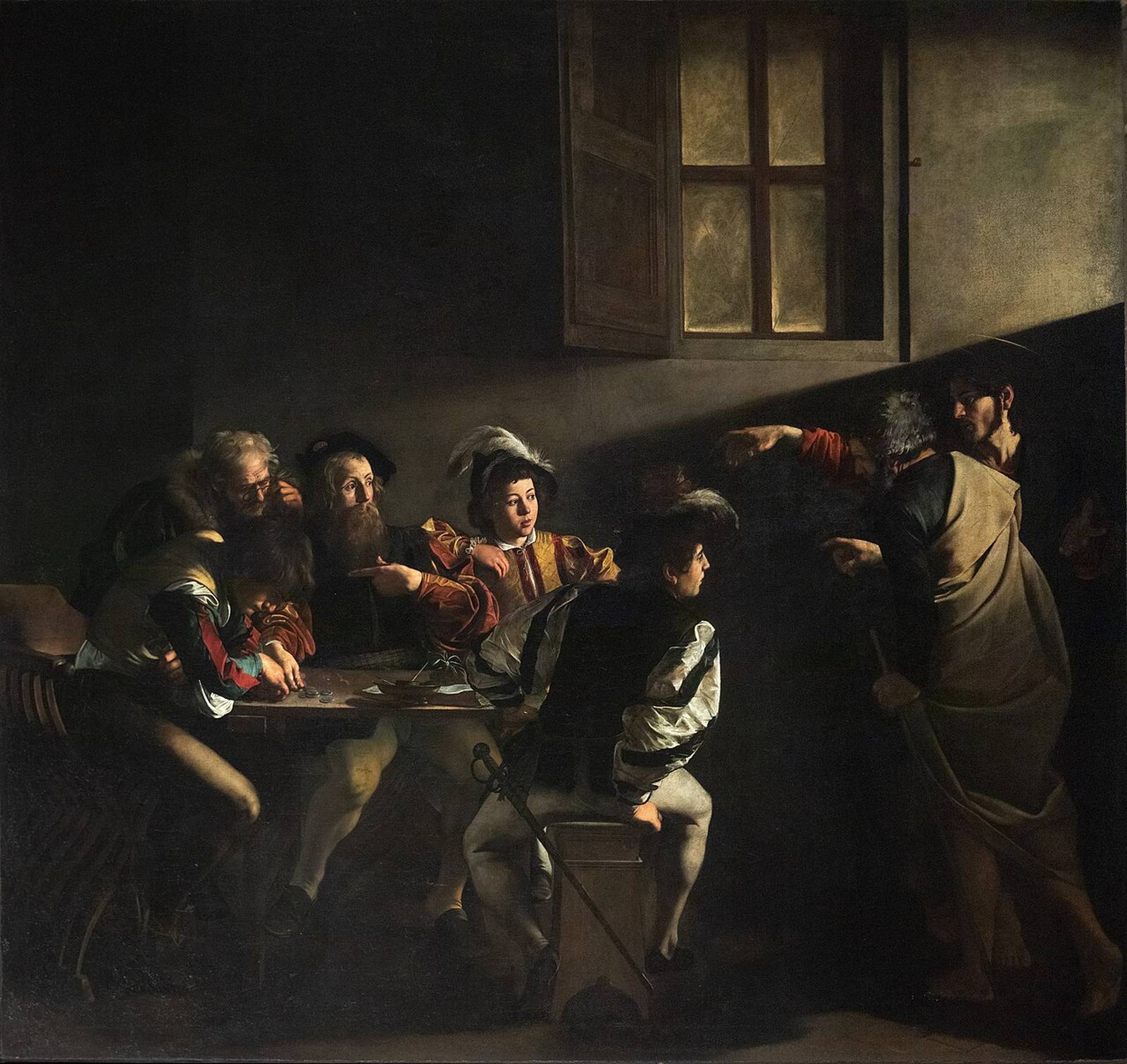
Explore the dazzling richness and exuberance of Baroque art and architecture - from the earliest experiments of Michelangelo, to the voluptuous sensuality of Bernini, and beyond. Artists studied will include Borromini, Titian, Caravaggio, and Rubens.

Course search results
Filter by:
Filters
Start month
Day of the week
Time of day
Master the art of impactful communication. This intensive workshop equips early-career and first-time managers with the skills to craft compelling speeches, engage any audience, and speak with confidence – using insights from auditory neuroscience.
This five-day course focuses on emerging areas of medicine using nucleic acids as drugs and using treatments based on stem cells and bioengineered tissues, including the combined technologies reflecting uses of genetically modified stem cells.
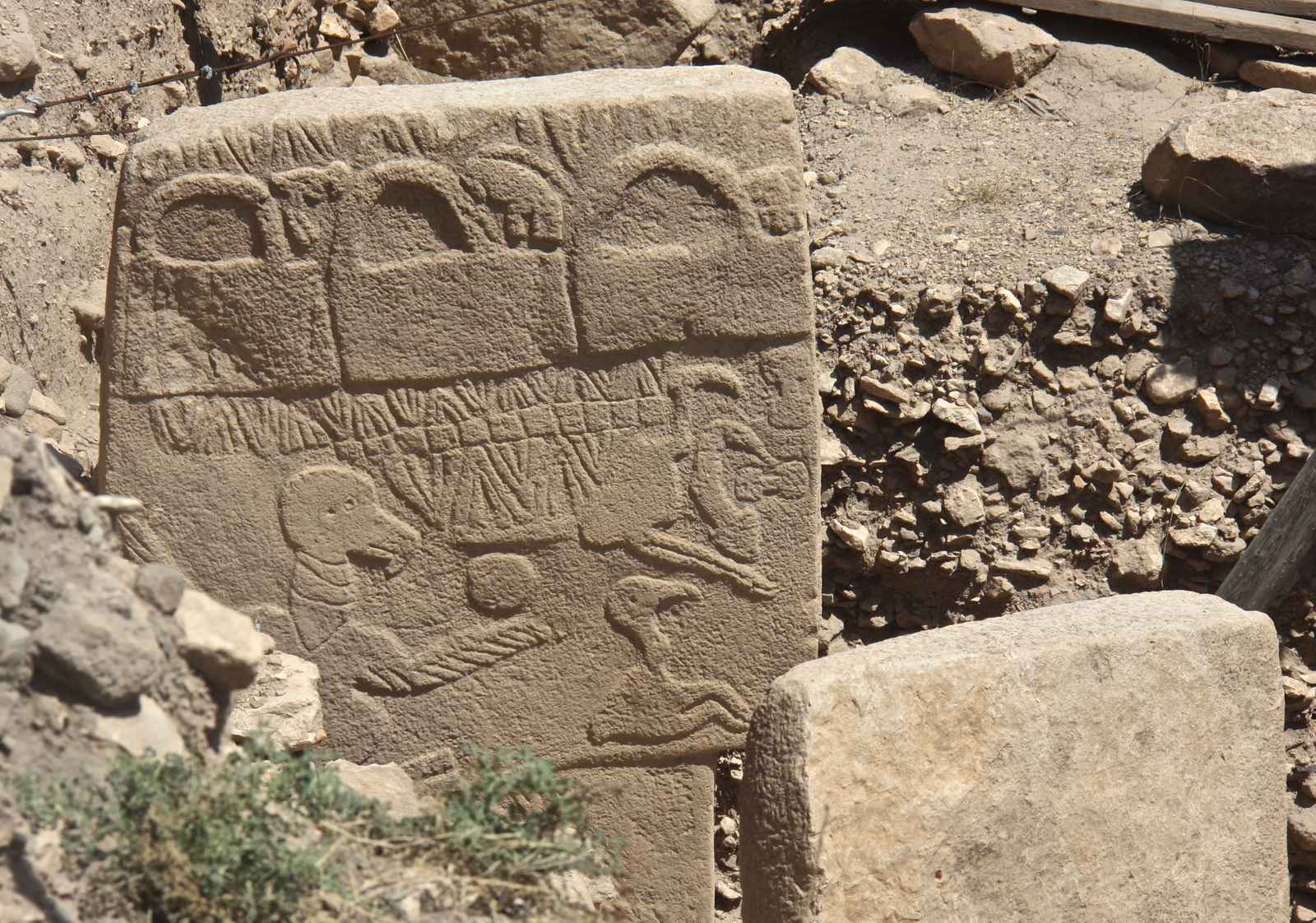
Built more than 11,000 years ago at the dawn of agriculture, Göbekli Tepe is famous for its monumental enclosures and richly decorated T-shaped pillars. Join us to learn more about this extraordinary settlement and the new research that is redefining it.
Explore strategic foresight, futures thinking and scenario planning. Build tools to plan confidently in uncertainty, enhance resilience, and shape a more innovative, future-ready organisation.
The psychology of behaviour change in relation to patients and health care professionals.
Design, conduct and interpret epidemiological studies in large routine health care databases.
Short course introducing potential witnesses and advocates to the techniques and procedures of public inquiries dealing with the historic environment, including preparing proofs of evidence. A mock inquiry will be staged.
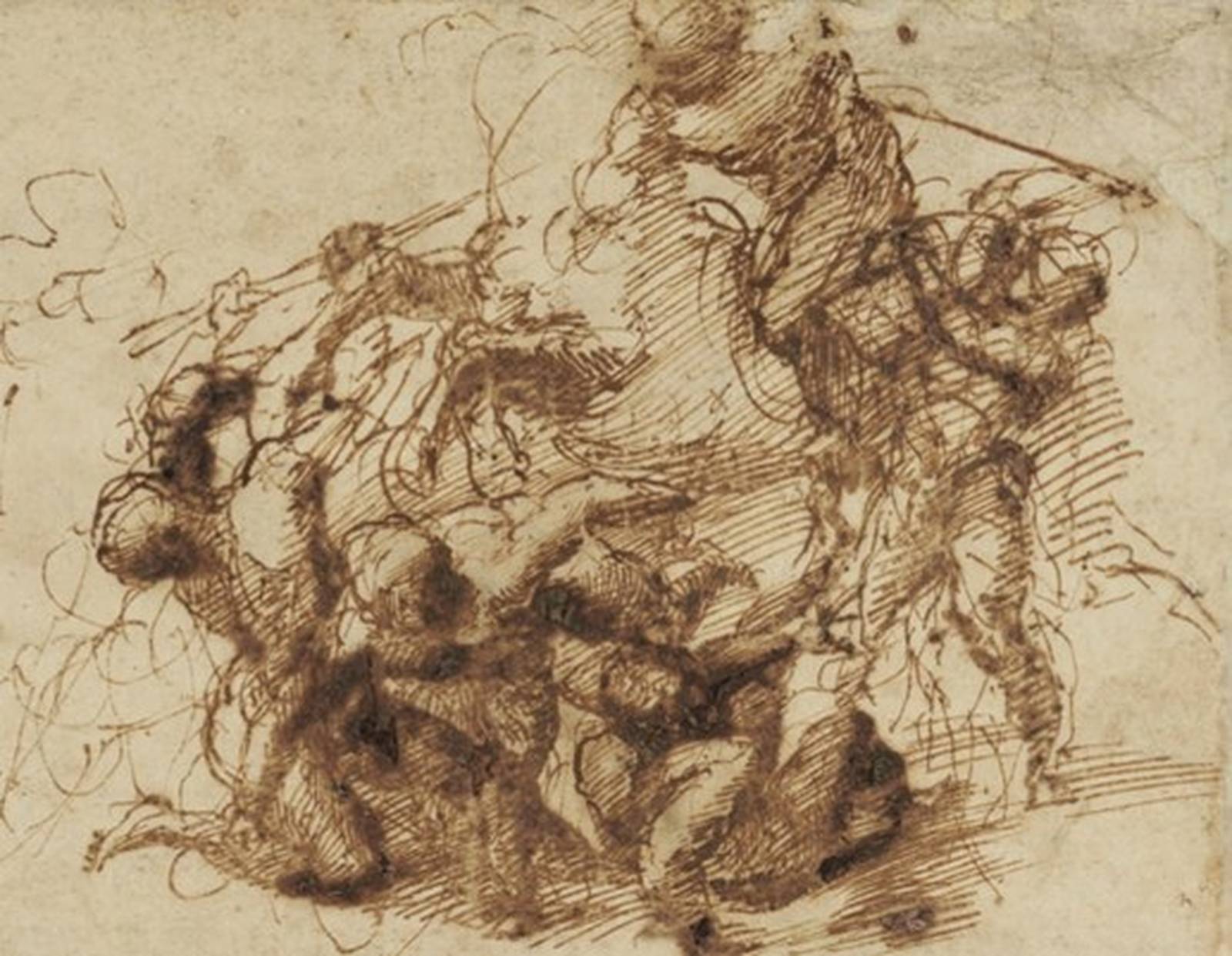
This guided viewing in the Ashmolean Museum will discuss key drawings by Leonardo and Michelangelo individually and comparatively. Focusing on style and techniques, we will also consider relationships with their paintings, sculptures and writings.
How did artists respond when protest, war, empire, and industrialisation transformed France? This course explores how painters from Boucher to Manet reimagined art in relation to modern life.
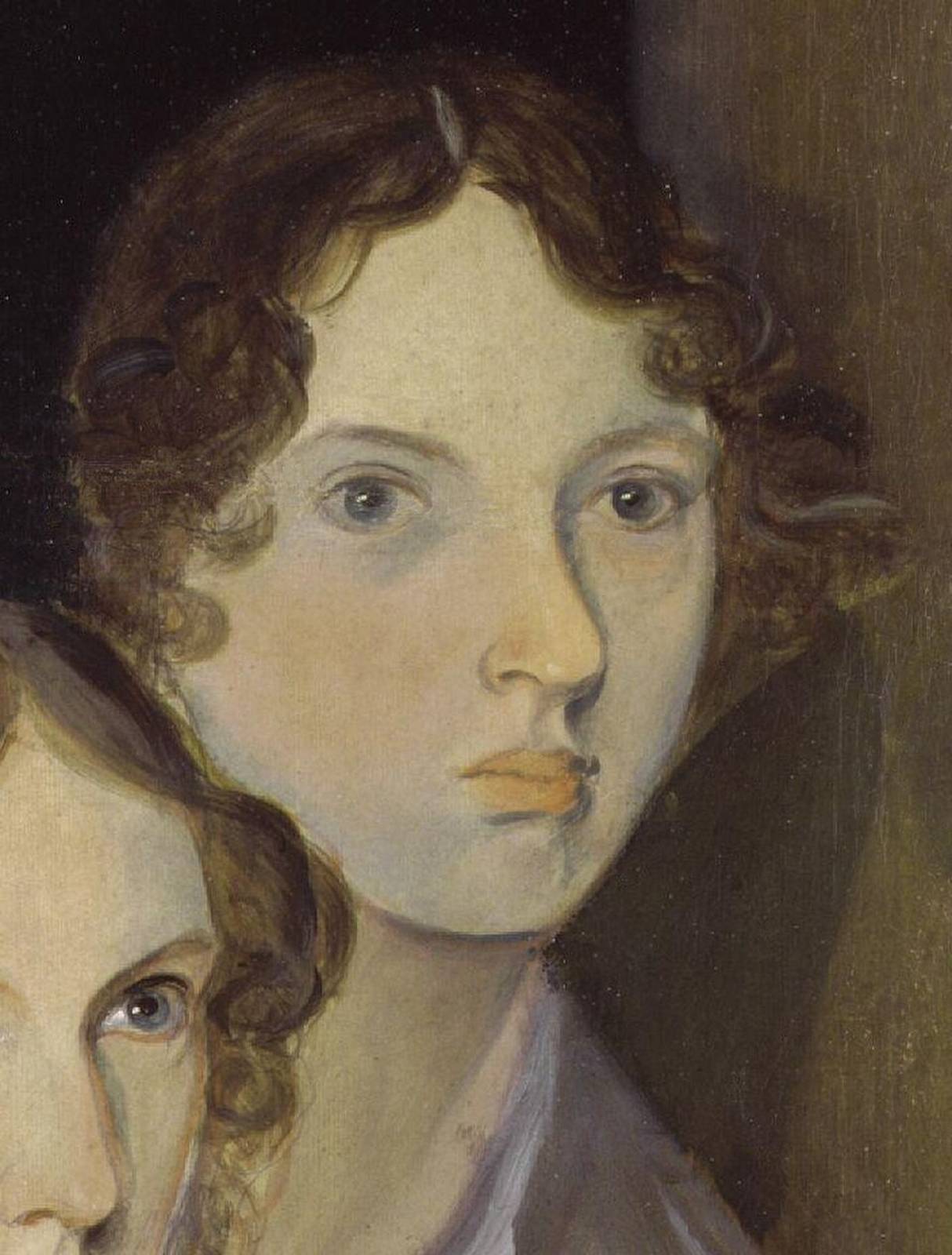
Huge changes occurred in 19th-century fiction – new subjects, new literary techniques. Here we shall explain and explore them. Authors include Jane Austen, Charles Dickens, Emily Brontë, Herman Melville, Gustave Flaubert and Charlotte Perkins Gilman.
Innovation in relation to health care organisations and policymaking.