

Introducing some of the more advanced concepts and skills of research design and how they relate to evidence-based health care.
Filter by:
Filters
Start month
Day of the week
Time of day
Introducing some of the more advanced concepts and skills of research design and how they relate to evidence-based health care.

Examine the impact of artificial intelligence on cyber defence, assess the use of AI in malicious content detection and consider agentic approaches in this online lecture.

This course provides an introduction to the legal and ethical issues arising in the art and cultural heritage sectors today. Aimed at all those engaged in the art world, it will outline principles and practices, exploring cases from the UK and beyond.

Short course introducing potential witnesses and advocates to the techniques and procedures of public inquiries dealing with the historic environment, including preparing proofs of evidence. A mock inquiry will be staged.

Many Change programmes fail to achieve their promised benefits, because they fail to take into account true Complexity. This course shows how to first assess Change projects in terms of their complexity and then to apply tools and methods appropriately.
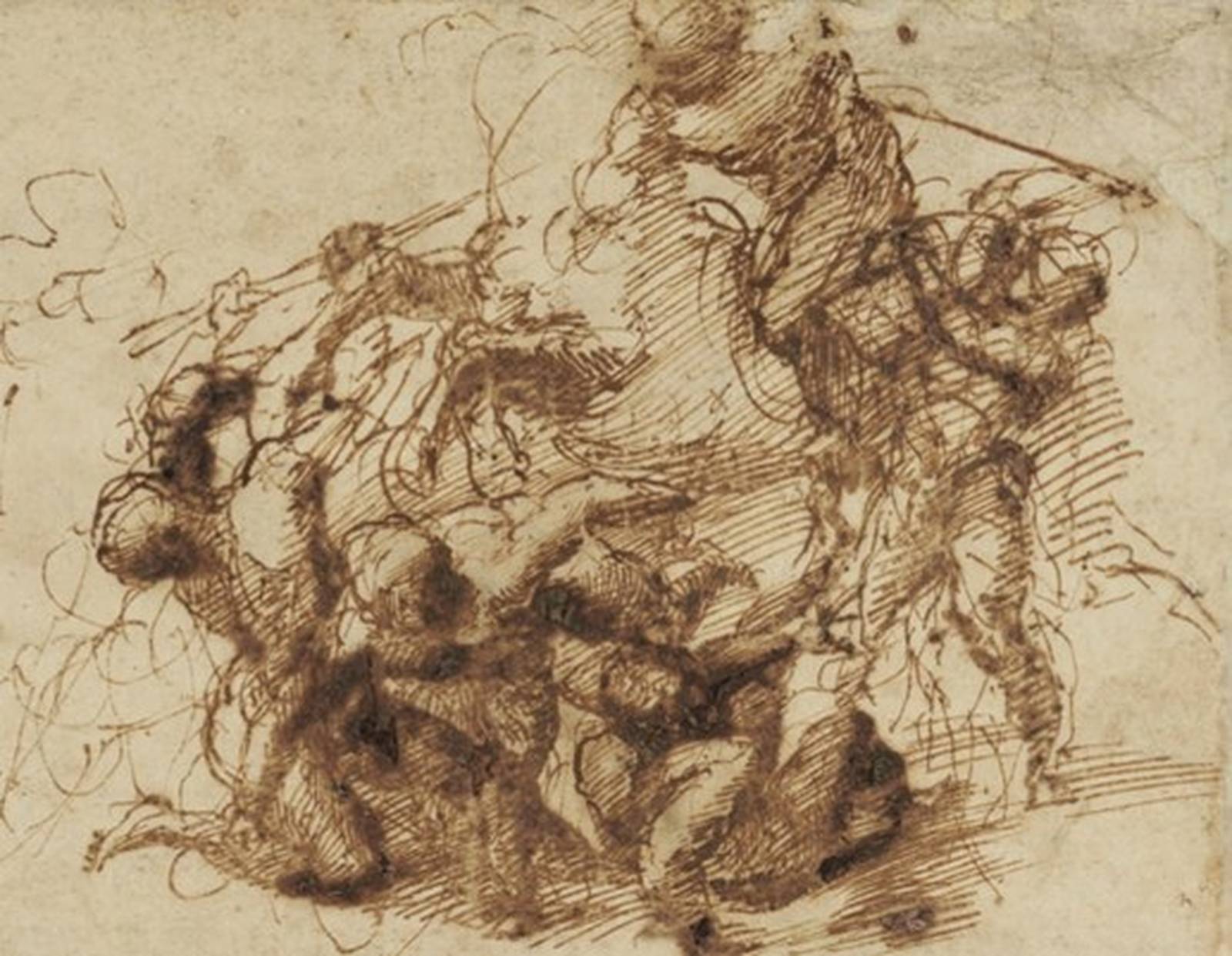
This guided viewing in the Ashmolean Museum will discuss key drawings by Leonardo and Michelangelo individually and comparatively. Focusing on style and techniques, we will also consider relationships with their paintings, sculptures and writings.

The ultimate learning experience for professionals who need to communicate more effectively. Utilising enjoyable and engaging drama improvisation techniques, you will build your confidence in listening, moving, and speaking.

Covering the process of doing a systematic review, focusing on practicalities and emphasising how and why this qualifies as scientific research.

How did artists respond when protest, war, empire, and industrialisation transformed France? This course explores how painters from Boucher to Manet reimagined art in relation to modern life.
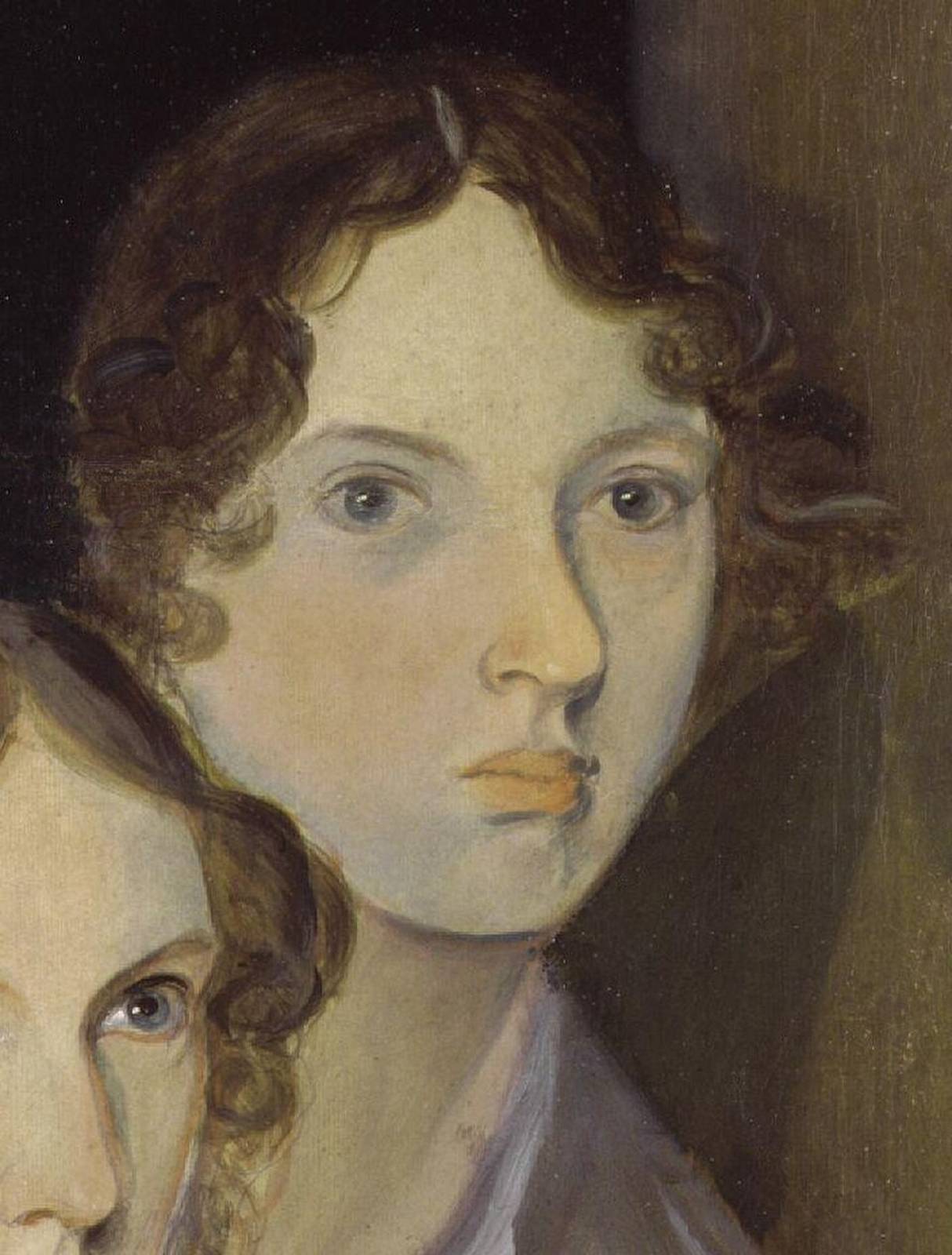
Huge changes occurred in 19th-century fiction – new subjects, new literary techniques. Here we shall explain and explore them. Authors include Jane Austen, Charles Dickens, Emily Brontë, Herman Melville, Gustave Flaubert and Charlotte Perkins Gilman.

This five-day short course from the Experimental and Translational Therapeutics Programme is taught through face-to-face tutorials. It discusses the basic principles of designing and identifying new drug molecules and monitoring their effect.

Introduction and investigation into the nature and design of mixed-methods research in evidence-based health care.